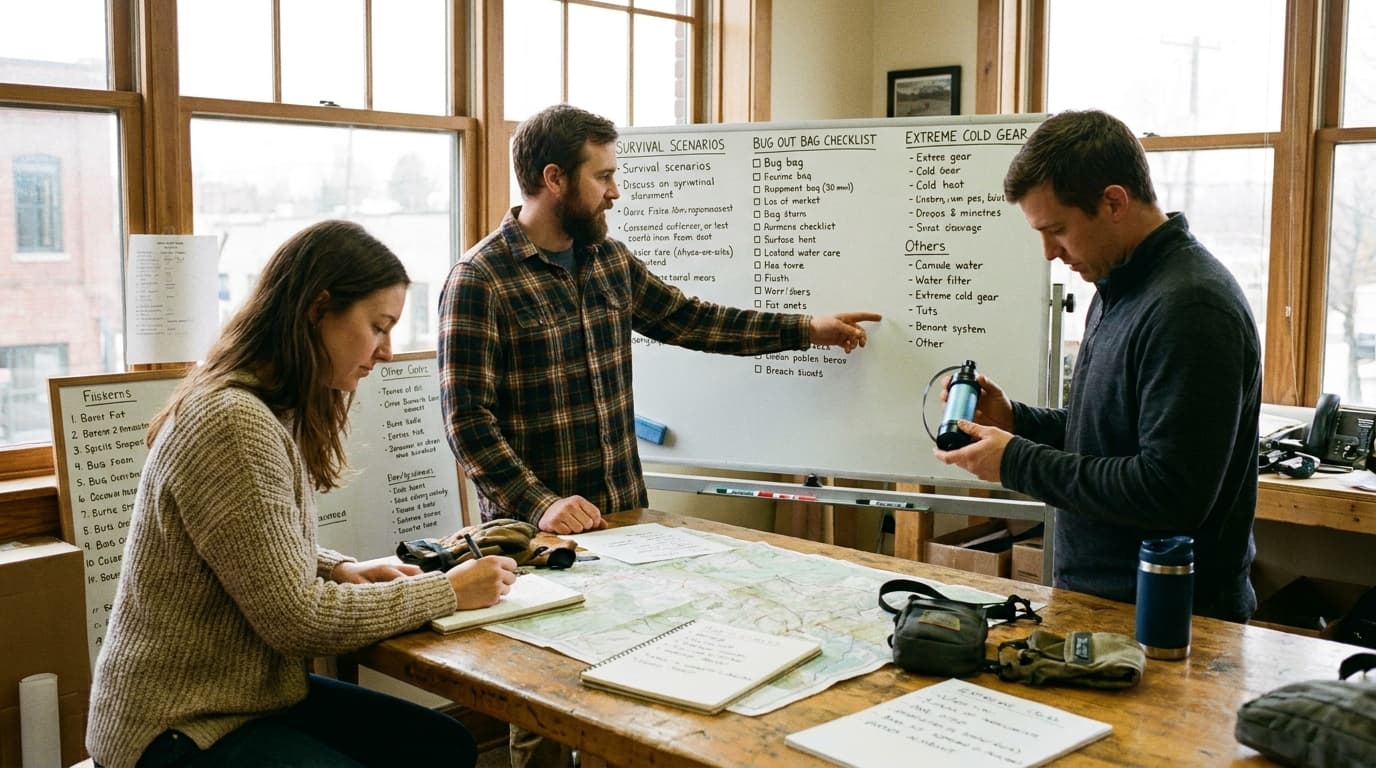
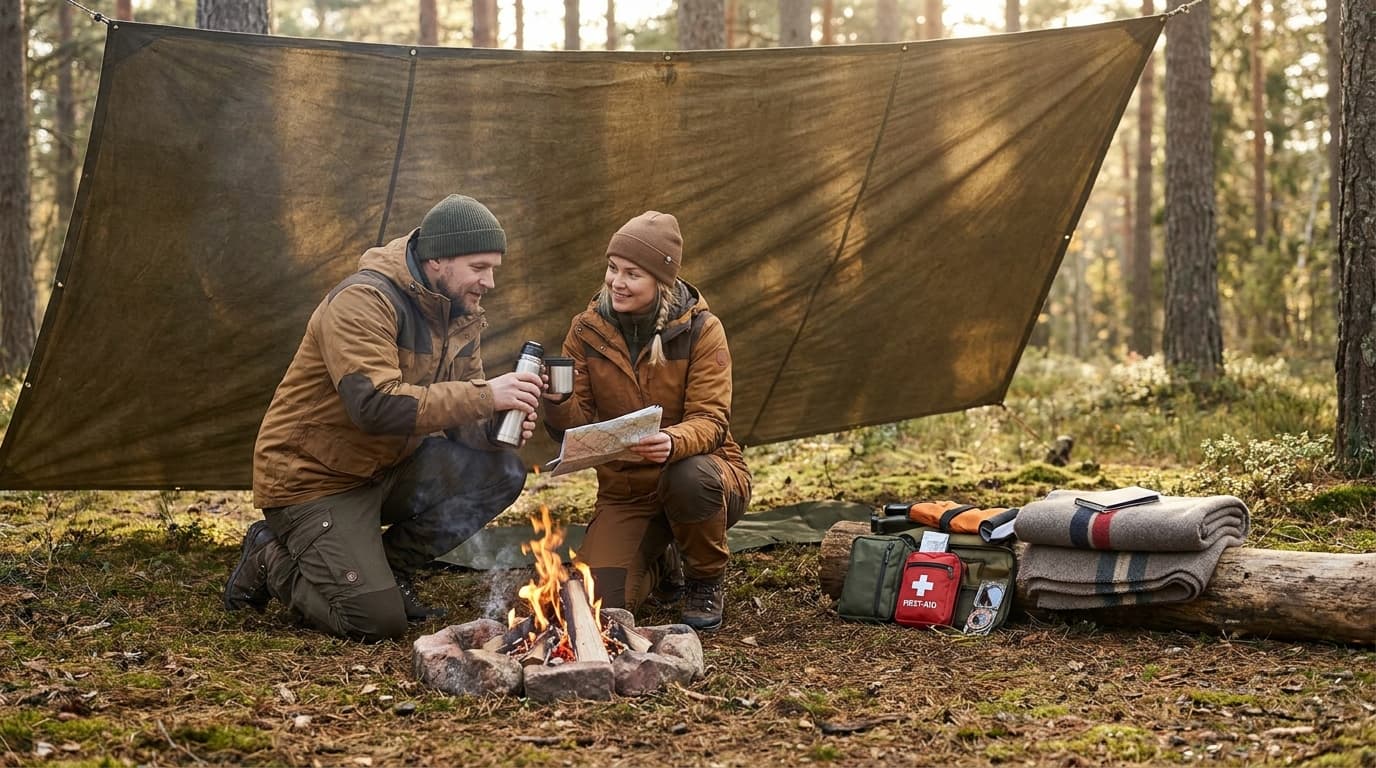
Staying safe outdoors requires the perfect mix of gear and skills found in these Survival Scenarios: wilderness first aid kit checklist, how to treat wounds in wilderness, beginner wilderness navigation...
Staying safe outdoors requires the perfect mix of gear and skills found in these Survival Scenarios: wilderness first aid kit checklist, how to treat wounds in wilderness, beginner wilderness navigation guide, how to build emergency shelter fast, what to do if injured hiking solo.
You don't want to be caught off guard when things go wrong miles from help. Knowing how to handle a bleed or find your way when the trail vanishes can literally save your life.
We'll walk you through building your kit, treating injuries, and learning the survival mindset so you can hike with total confidence.
Your Essential Wilderness First Aid Kit Checklist
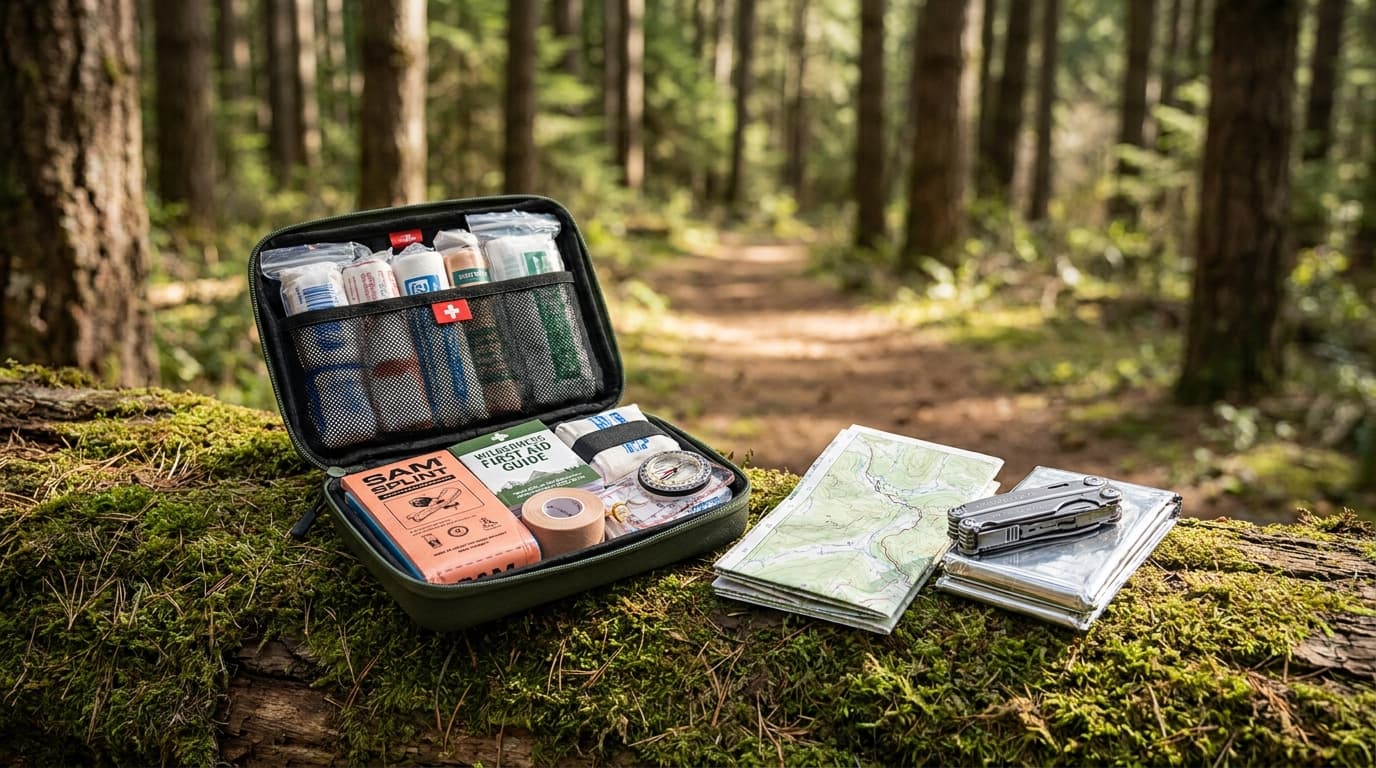
You do not need a massive suitcase of medical supplies, but you do need gear that actually works when things go south. Most pre-packaged kits are fine for minor scratches, but they often lack the heavy-duty tools required for real backcountry trauma. A solid kit focuses on the ABCs, which are Airway, Breathing, and Circulation. Since tourniquets have become a vital tool for saving lives in the field, they should be the centerpiece of your pack alongside pressure dressings and wound irrigation tools.
Imagine you are miles from the trailhead and a slip on a sharp rock causes bright red blood to spurt from your leg. This is arterial bleeding, the most dangerous kind, and those tiny drugstore bandages in your pocket will not do a thing to stop it. In this moment, having a real tourniquet and the perfect amount of knowledge to use it makes the difference between a scary story and a tragedy. Do not hesitate to carry professional gear because it is much lighter than the alternative of a failed rescue.
Your kit should be tailored to you. A store-bought kit is a good start, but it is usually a one-size-fits-all solution that fits no one perfectly. For example, a desert kit needs more hydration salts to fight heat stroke, while a mountain kit needs extra gear to handle hypothermia. This occurs when the body loses heat faster than it can produce it, often triggered by cold weather or wet clothes. You should also pack meds based on your team's medical history, such as specific allergy meds or prescriptions.
Before you head out, review and restock your supplies every single time. It is easy to forget you used the last of the pain meds or that your antiseptic wipes have dried out. If you find yourself missing a tool, remember that improvisation is a secret weapon for any explorer. You can poke a hole in a Ziplock bag to make a wound irrigation tool or use trekking poles and sticks as splints for broken bones. Gear is useless without the right training, so consider taking a formal course to back up your supplies.
Key insights:
Pack a dedicated tourniquet and learn how to apply it above a wound until bleeding stops completely.
Include irrigation tools like a large syringe or a modified plastic bag to flush debris out of deep cuts.
Add customized medications and electrolyte salts based on your specific environment and team needs.
Check your kit for expired items or empty packets before every single outing to stay ready.
Carry a space blanket or extra layers to prevent hypothermia if the weather turns or you get wet.
Why Customization is Better Than Store-Bought
Grabbing a generic first aid kit is easy, but it is often a one-size-fits-all mess. These kits are usually stuffed with tiny bandages but lack the heavy-duty tools needed for real emergencies. Your kit should be tailored to you.
For example, a mountain explorer needs to prioritize gear for hypothermia, which happens when the body loses heat faster than it can produce it. Meanwhile, a desert hiker should swap heavy blankets for extra hydration salts to fight heat stroke. A pre-made kit won't know the difference between a scorched canyon and a freezing ridge, but a smart explorer does.
Key insights:
Review and restock your kit before every single outing to replace used items or dried-out antiseptic wipes.
Tailor your supplies to the environment and trip length so you are not carrying unnecessary weight.
Include specific medications and extra electrolyte salts based on your team's medical history and destination.
How to Treat Wounds in the Wilderness Like a Pro
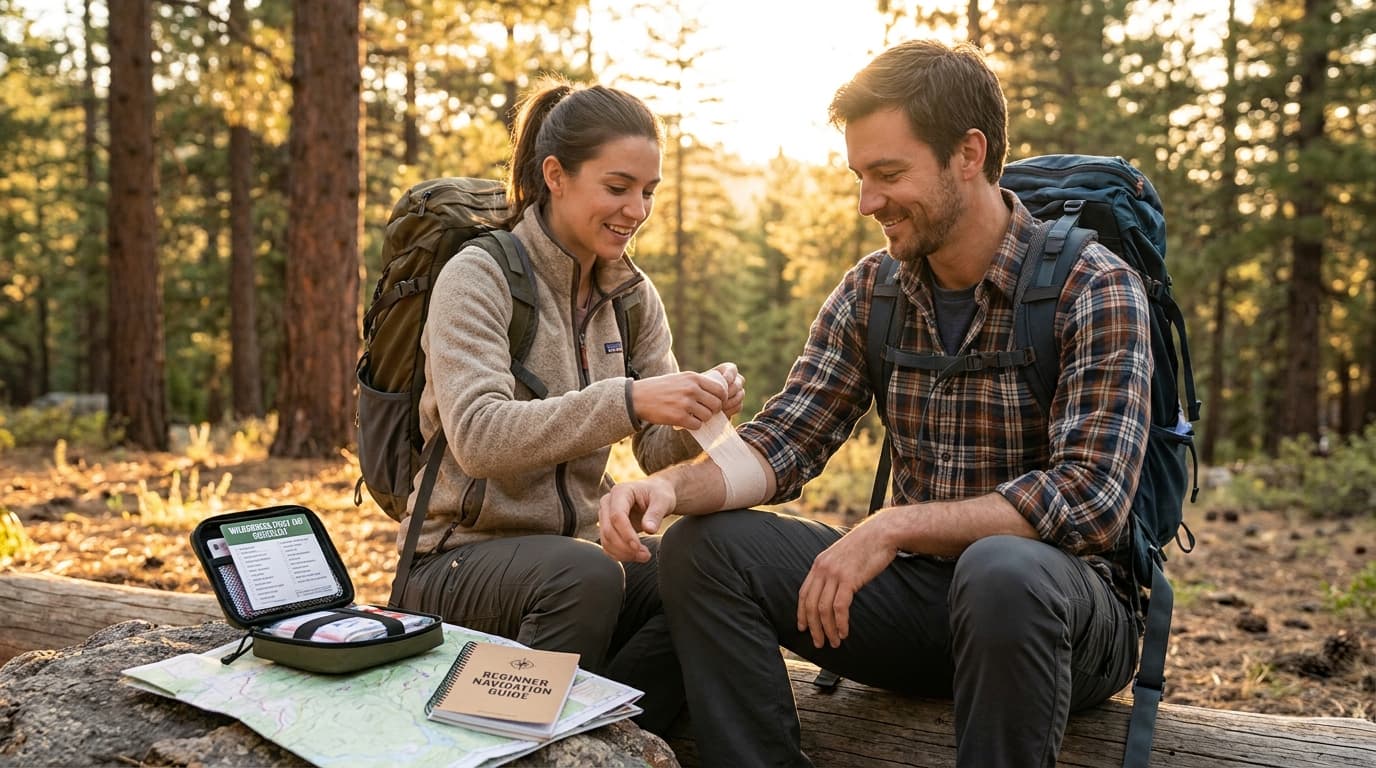
When an accident happens on the trail, your first move is to stay calm and follow the ABCs: Airway, Breathing, and Circulation. Once you have confirmed the person is breathing and stable, you can shift your focus to the wound itself. Cleaning a cut properly is the best way to prevent a nasty infection from ruining the rest of your trip, so you want to flush out dirt with clean water using as much pressure as you can manage.
Imagine you are hiking a rocky ridge when your partner takes a nasty tumble onto a jagged ledge. They have a deep gash on their leg, and bright red blood is spurting out with every heartbeat. It is enough to make anyone feel nervous, but because you know arterial bleeding is the most dangerous type, you do not hesitate. You immediately apply direct pressure while reaching for a tourniquet to stop the flow before it becomes life-threatening.
If you do not have a professional medical kit on hand, do not panic. Improvisation is the secret weapon of a smart explorer. You can turn a Ziplock bag into a wound irrigation tool by poking a small hole in the corner to create a high-pressure stream, or use a clean shirt as a pressure dressing. If you need to pull out splinters or debris, you can even sterilize your tweezers over a campfire flame before you get to work so you do not introduce more germs into the cut.
Key insights:
Apply immediate direct pressure to any bleeding wound using the cleanest cloth or gauze you have available.
Use a tourniquet for major limb bleeds by placing it above the wound and tightening it until the bleeding stops completely.
Flush the wound thoroughly with clean water to remove debris before applying a sterile dressing.
Improvise splints using trekking poles or sturdy branches if you suspect a broken bone or a severe ankle sprain.
Follow the R.I.C.E. method - Rest, Ice, Compression, and Elevation - to manage pain and swelling for joint injuries.
A Beginner Wilderness Navigation Guide for the Directionally Challenged
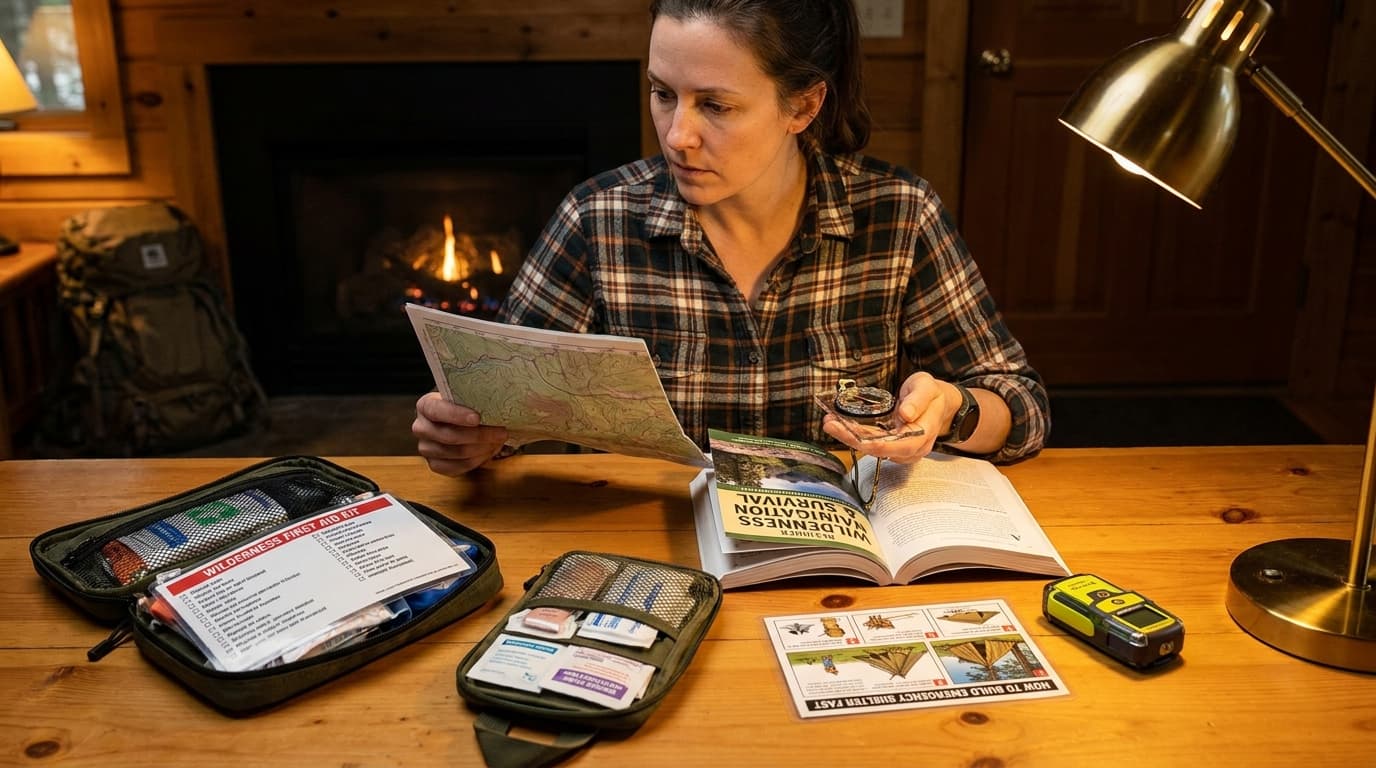
Finding your way in the woods requires paying attention to the small details others might miss. While phone apps are convenient, they are also prone to dying right when you need them most. Having a physical map and a compass in your kit is the only way to ensure you can always find your way back to camp without relying on a satellite signal or a battery.
It is easy to be intimidated by the technical look of a topographic map, but it is actually just a picture of the ground from above. This Why This Beginner Wilderness Survival Guide Makes Survival Skills Simple approach helps you see ridges and valleys as landmarks rather than just confusing lines. Knowing how to read these features means you won't have to worry about a dead zone or a cracked screen. If you can read the land, you can always find a way out.
Imagine you are hiking a high ridge line when a thick fog rolls in, swallowing the horizon in seconds. You reach for your phone to check your position, but the mountain cold has drained the battery to zero. Suddenly, the world is just grey mist. Instead of panicking, you pull out your paper map. By orienting it to north with your compass, you spot a river on the map that runs parallel to your path. This is your handrail, a giant geographical safety net that will lead you safely down the mountain even when visibility is zero.
Remember that gear is useless without the perfect amount of knowledge to back it up. Just like you would not head out without knowing Survival Skills How To Find Water Navigate And Build Shelter, you should not carry a compass if you do not know which way the needle points. Taking a few minutes to learn the basics now ensures you stay the leader of the pack later.
Key insights:
Orient your map to north so the landmarks on the paper line up with the real world around you.
Look for handrails like distinct ridges, roads, or streams that run alongside your route to keep you on track.
Check your position every thirty minutes to make sure you have not drifted off the intended path.
Trust your compass over your gut feeling when visibility is low and your brain starts playing tricks.
Keep your map in a reachable pocket rather than buried in your pack so you actually use it.
How to Build an Emergency Shelter Fast When the Temperature Drops
When the mercury drops and the wind starts to howl, your main goal is to stop heat loss immediately. Hypothermia happens fast when you are wet or exposed, so you need a barrier that blocks the breeze and holds your body heat close. The quickest solution is a simple lean-to or a debris hut that uses natural insulation like leaves and pine needles to keep you from turning into a human icicle.
Building a shelter does not have to be a major construction project. If you have a space blanket in your kit, you are already halfway there. By using what is around you, you can create a micro-climate that stays much warmer than the open air. Learning How To Build A Wilderness Shelter That Actually Keeps You Warm is just as important as carrying the gear itself because it keeps you calm while the weather gets wild.
Imagine you are trekking through a valley when a sudden sleet storm turns the trail into a slushy mess. Your jacket is starting to soak through, and you know you will not make it back to the car before dark. You spot a sturdy fallen branch leaning against a tree trunk. Within minutes, you have used your emergency blanket to create a roof and stuffed the sides with dry debris, creating a small, insulated pocket where your own body heat can actually do its job. It is not fancy, but it is effective.
Remember that improvisation is the secret weapon of a smart explorer. If you do not have a pre-made shelter, you can turn trekking poles into support beams or use extra shirts as padding. This Survival Skills How To Find Water Navigate And Build Shelter approach ensures you are never truly helpless, even when the sun goes down and the frost sets in.
Key insights:
Find a natural windbreak like a large rock or a thick fallen log to serve as the backbone of your shelter.
Layer the ground with at least six inches of dry leaves or pine needles to stop the cold earth from sucking the heat out of your body.
Angle your lean-to so the opening faces away from the wind to prevent cold gusts from stealing your warmth.
Use your space blanket as an inner lining to reflect your body heat back toward you while keeping moisture out.
Keep the interior space small because a tiny shelter is much easier to warm up with your own breath and skin than a large, drafty one.
What to Do if Injured Hiking Solo: The Survival Mindset
When you are hiking alone, your brain is your most valuable piece of gear. If you get hurt, the lack of a hiking partner means you have to be your own first responder. The goal shifts from simply treating the injury to managing your environment and signaling for help before panic sets in. It is about keeping a cool head when things get hairy.
You might remember the ABCs from earlier, but when solo, use them as a mental anchor to stop your heart from racing. Assess your surroundings for immediate dangers like falling rocks or rising water. If you cannot walk out safely, your priority is no longer movement. Instead, you need to focus on staying visible and keeping your body heat from escaping.
Imagine you are descending a rocky ridge as the sky turns a deep orange. You catch your foot on a root, hear a sickening pop, and suddenly you are on the ground with a throbbing ankle. With the sun dipping low, the temperature is dropping, and you realize no one else is on the trail. Instead of trying to limp back in the dark and risking a fall, you sit down, pull out your trekking poles to stabilize the joint, and prepare to signal for help.
Key insights:
Stabilize the injury immediately by turning trekking poles or sturdy branches into a makeshift splint to prevent further damage.
Stay put once you realize you cannot walk safely because wandering off-trail makes it much harder for rescuers to find you.
Blow your whistle in bursts of three, which is the universal signal for distress, to save your voice and energy.
Put on your extra layers or emergency blanket before you feel cold to stay ahead of hypothermia.
Place something bright or reflective, like a space blanket or a colorful jacket, in an open area to catch the eye of search planes or ground teams.
Summary: Staying Safe in the Great Outdoors
Having a bag full of supplies is a great start, but gear is essentially useless without the 'perfect' amount of knowledge to back it up. True wilderness safety is a balance between a solid wilderness first aid kit checklist and the training to use it. From identifying the bright red spurt of arterial bleeding to knowing the R.I.C.E. method for a sprained ankle, your skills are what actually save lives when you're miles from help.
Imagine a hiker who carries a tourniquet but has never practiced tightening one. In a real emergency, they might freeze up entirely. A formal Wilderness First Aid course replaces that doubt with muscle memory. It helps you manage common issues like heat stroke or broken bones while keeping your cool, ensuring you can act fast when every second counts.
Key insights:
Schedule a formal Wilderness First Aid course to gain hands-on experience.
Check your pack today to replace expired meds or missing bandages.
Practice the ABCs of patient assessment until they become second nature.
Tailor your kit's contents to your specific environment and your group's medical needs.
Frequently Asked Questions
When you are out in the wild and someone gets hurt, you need a quick way to figure out what to do first. That is where the ABCs come in: Airway, Breathing, and Circulation. These are your top priorities when checking an injured person to make sure they are stable before you worry about smaller issues.
Think of it as the foundation of your rescue. You check if the airway is clear, see if they are breathing okay, and then look for signs of circulation like a pulse or major bleeding. It is all about keeping the main systems running while you figure out the next steps.
You would be surprised how much you can do with just the gear on your back. If you are dealing with a cut and do not have gauze, a clean shirt or a scarf makes a great pressure dressing. You can even turn a simple Ziplock bag into a wound cleaner by poking a tiny hole in the corner and squeezing water through it to wash out dirt.
Improvisation is really the secret weapon for any smart explorer. If you need to handle a deeper wound and do not have antiseptic wipes, you can use fire to heat up metal tools like tweezers to kill off germs before using them. It is all about using what you have to stay safe until you can get back to civilization.
Yes, it is definitely safe and often the only way to save a life. For a long time, people were scared that using one would lead to losing a limb, but we now know that is rarely the case. If you are dealing with arterial bleeding, which is bright red and spurts with the heartbeat, you need a tourniquet immediately.
When you are looking at your wilderness first aid kit checklist, a tourniquet should be right at the top. Place it above the injury and tighten it until the bleeding stops completely to keep the situation under control. It is much better to be safe than sorry when a life is on the line.
You need to get dry as quickly as possible. Wet clothes pull heat away from your skin much faster than dry ones do, which is how hypothermia starts. It happens when your body loses heat faster than it can make it, so you have to break that cycle before your energy drops.
If you have dry clothes in your pack, swap them out right away. If not, you should build a fire or get into an emergency shelter to trap your body heat. Since hypothermia is often triggered by wet clothes, staying dry is your best defense against the cold, so do not wait until you are shivering to act.
Conclusion
Staying safe in the backcountry is about more than just carrying a bag of bandages. It is the vital link between your wilderness first aid kit checklist and the actual skills needed to use it. Whether you are learning how to treat wounds in the wilderness or trying to build an emergency shelter fast when the clouds roll in, your gear and your knowledge have to work together to keep you safe.
If you are looking at a beginner wilderness navigation guide or wondering what to do if injured hiking solo, remember that the best tool you have is a calm head. Your next move should be a practical one: open your pack today and replace anything that is expired or missing. Real confidence comes from knowing exactly what is in your kit and how to use every bit of it before you actually need it.
The great outdoors does not offer much of a safety net, so being perfectly prepared is the only way to go. By taking these survival scenarios seriously now, you can head out on your next adventure with a lot less worry. Stay smart, keep your compass handy, and enjoy the fresh air.
Every WilderReady guide is researched, written, and fact-checked in-house against trusted references such as the American Red Cross, the National Park Service, and the CDC before it goes live. We publish under this shared byline instead of invented personas, so you always know who stands behind the guidance you are reading.