How to Handle Survival Scenarios and Stay Safe in the Wild
You can survive three weeks without food and three days without water, but in many survival scenarios, you might only have three hours to find shelter before hypothermia sets in....
How to Handle Survival Scenarios and Stay Safe in the Wild
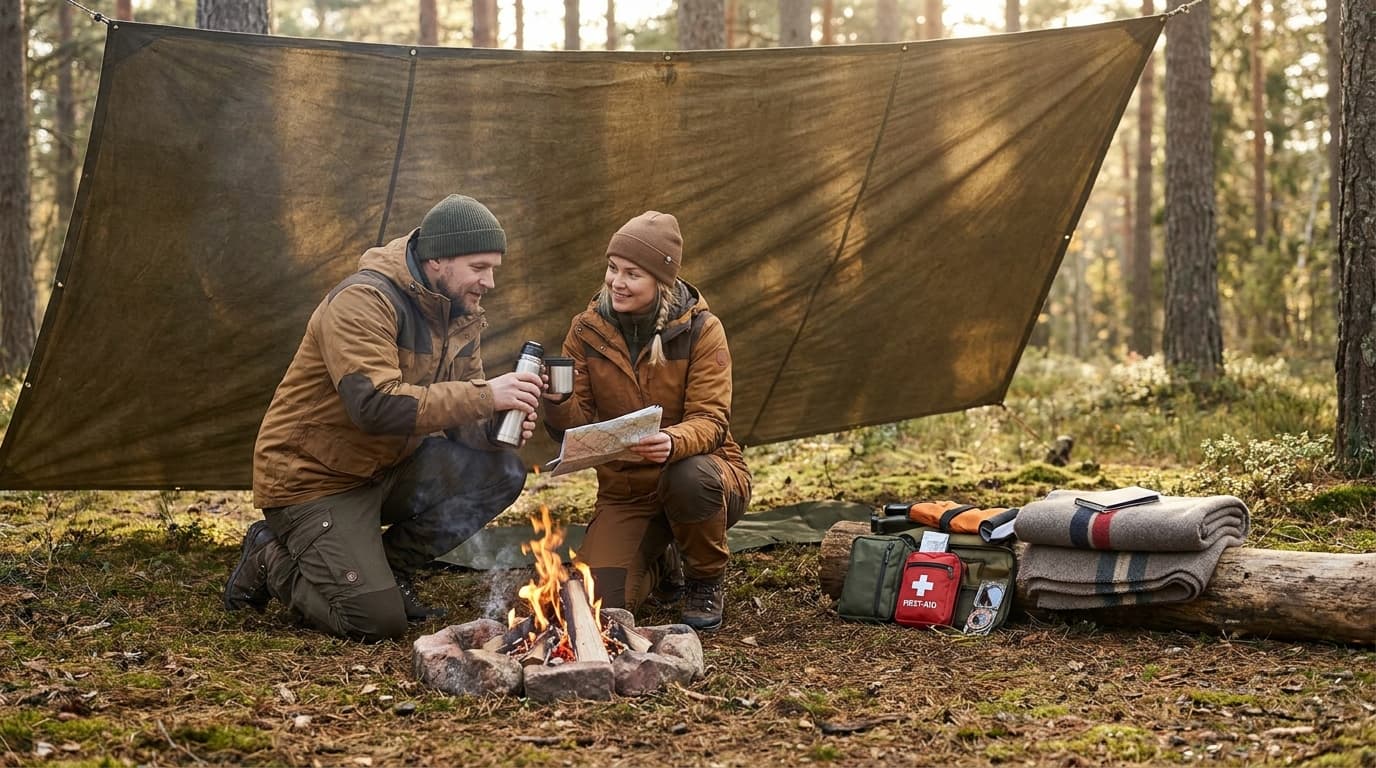
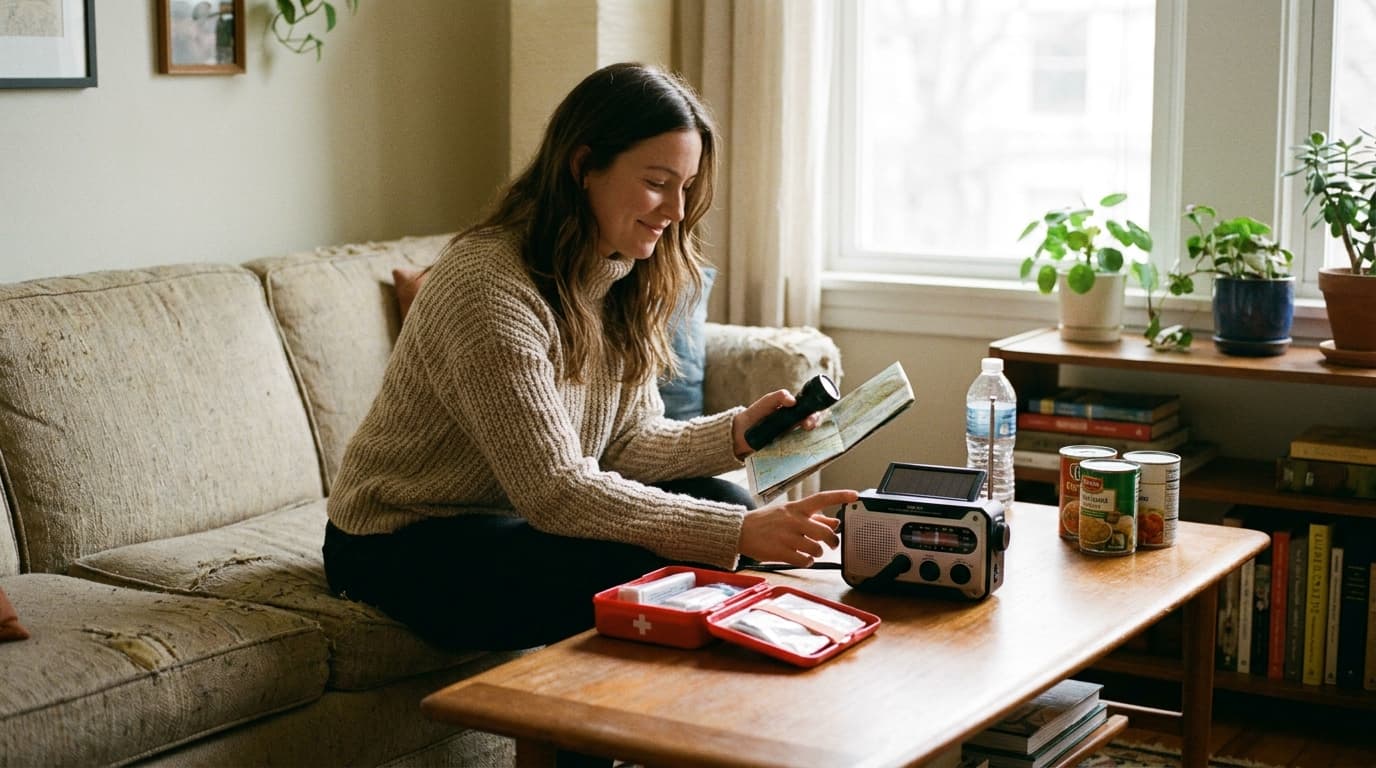
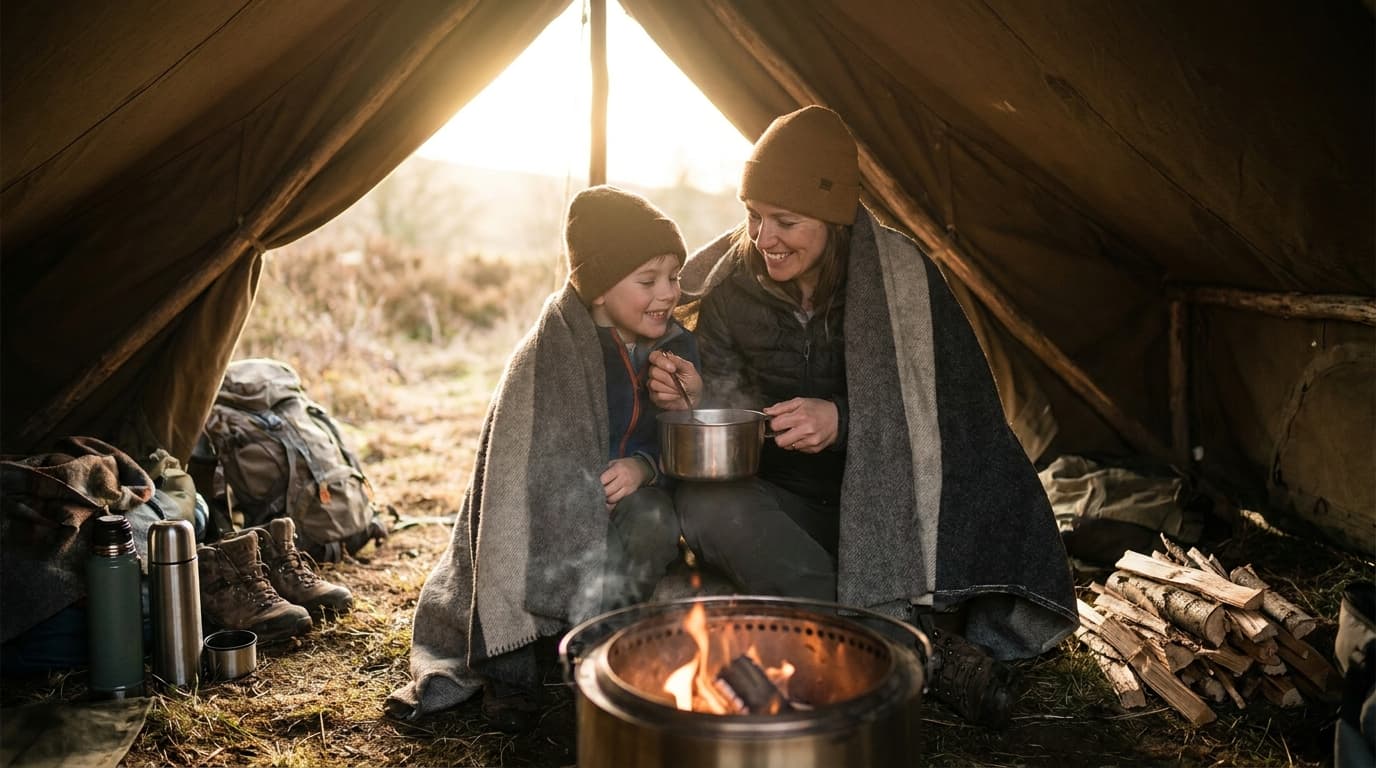
You can survive three weeks without food and three days without water, but in many survival scenarios, you might only have three hours to find shelter before hypothermia sets in. Most people think they need a massive backpack full of gear to stay safe, but your brain is actually your most important tool when you're lost or hurt.
The stakes are higher than a simple missed dinner. Every year, thousands of hikers end up in trouble because they took a shortcut or didn't check the weather. When the sun goes down and you're miles from the trailhead with a twisted ankle, a lack of preparation turns a bad day into a life-threatening emergency. It's not just about the gear you carry. It is about knowing how to keep your cool when things go wrong.
While many guides just tell you to build a fire, this article draws on wilderness medicine protocols and expert-backed survival tactics to give you a clear plan. We look at the psychological traps that lead to panic and provide specific, field-tested methods for finding clean water and signaling for help without a cell signal.
By the time you finish reading, you'll know how to prioritize your needs using the Rule of Threes, how to treat common injuries with limited supplies, and how to get home safely when your GPS fails.
What Should You Do if You Get Lost in the Wilderness?
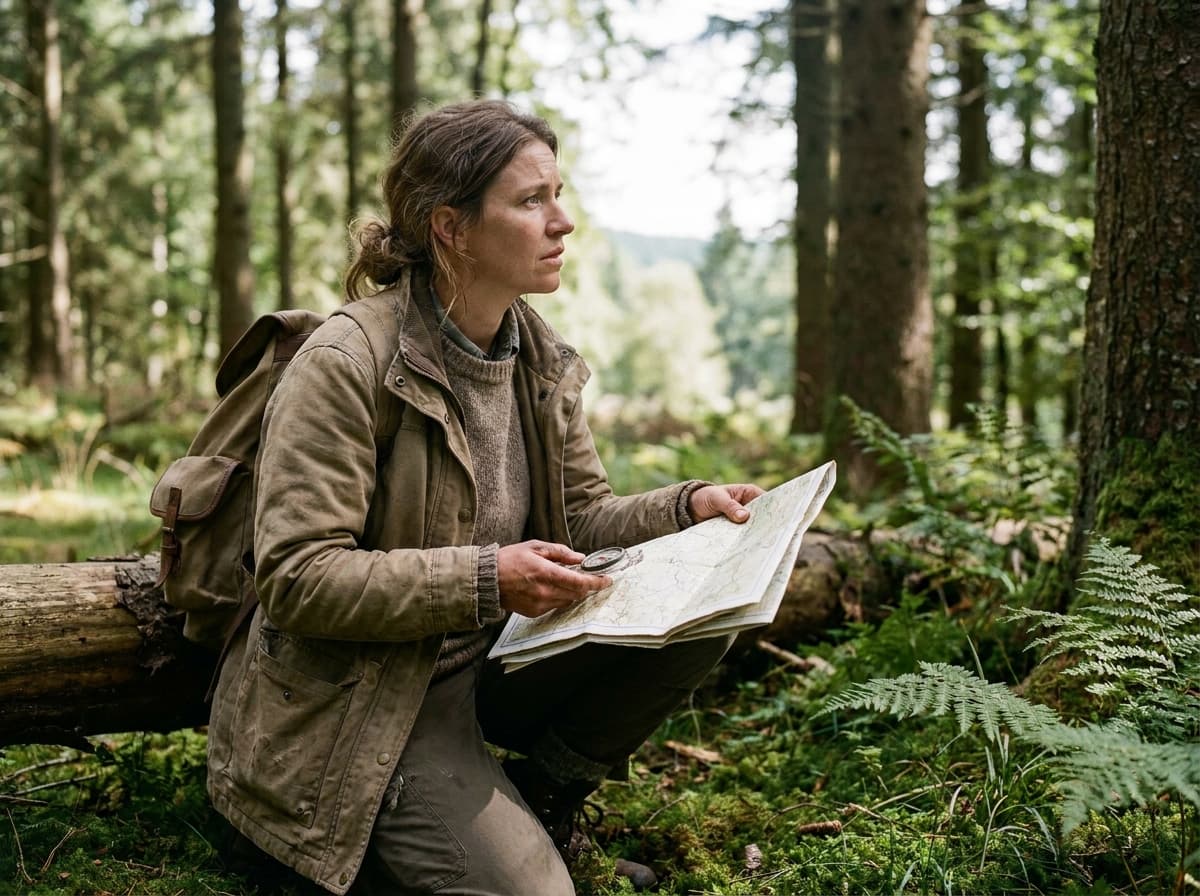
If you realize you are lost, the single most important thing you can do is sit down. Most people feel a frantic urge to run or 'find the trail' faster, but that panic is what turns a minor mistake into a life-threatening emergency. Use the STOP acronym: Sit, Think, Observe, and Plan. By forcing yourself to stay still for even ten minutes, you lower your heart rate and allow your brain to switch from survival-driven panic back to logical problem-solving. Wilderness survival is high-stakes, so it is always smart to check with a professional guide or take a survival course before heading into remote areas.
The 'move vs. stay' debate usually favors staying put because search and rescue teams start their search from your last known point. If you keep moving, you are creating a moving target, which makes finding you mathematically harder to locate. What most people overlook is that panic-running burns through your most valuable resources: calories and hydration. A person can typically survive about three days without water and three weeks without food according to the ECS Institute, but you will exhaust yourself in hours if you let adrenaline dictate your pace. Staying put preserves your energy for the tasks that actually matter, like building shelter or signaling for help.
Imagine a day hiker who takes a 'quick shortcut' through a meadow as the sun starts to dip. Suddenly, the familiar pine trees look identical, and the trail is nowhere to be seen. In this moment, the instinct is to sprint toward where the trail should be. But as the light fades, the risk of a fall or getting even deeper into the brush skyrockets. The smart move here is to accept that you might be spending the night, find a flat spot, and start building a 'home base' before total darkness hits. Staying calm in this scenario is the difference between a cold night and a tragic headline.
Navigation is often where beginners struggle, especially if they hate maps. Most people treat their phone GPS as a primary tool, but tech is a secondary backup that fails when batteries die or signals drop. Instead, use terrain association by looking at the world in 'big pieces' like a jagged peak to your left or a specific ridge line. If night falls in the northern hemisphere, find the Big Dipper and follow the two stars on the outer edge of the bowl; they point directly to the North Star (Polaris). This trick is a reliable way to keep your heading when screens go dark, but remember that moving at night is generally a bad idea unless you are in immediate danger.
One thing most guides get wrong is telling people to always stay put. While staying is the gold standard, there are 'yes, but' moments. If you are in an active rockfall zone, a dry creek bed that could flash flood, or exposed on a ridge during a lightning storm, you must move to the nearest safe cover. The catch is that you should only move far enough to reach safety, marking your path clearly with 'ducks' (stacked stones) or bright cloth so you can be traced back to your original spot. Once you find a safe zone, focus on creating a 'home base' that breaks the natural patterns of the forest to help searchers spot you from the air.
Setting up a home base doesn't just keep you warm; it makes you visible. Search teams look for man-made patterns in nature, so clearing a small area and creating a large signal - like an X made of branches - is vital. If you have to move for water, always mark your path every few yards by snapping branches or tying bits of thread to bushes. This creates a breadcrumb trail that leads rescuers straight to you. Remember, survival is mostly a mental game, and keeping your hands busy with these practical tasks helps manage the fear until help arrives.
Key insights:
Sit down immediately once you realize the trail is gone to prevent panic-driven mistakes and exhaustion.
Mark your location with bright gear, stacked stones, or 'ducks' to help searchers follow your trail.
Use terrain association by identifying major landmarks like peaks or rivers to orient yourself without a screen.
Locate the North Star by following the pointer stars of the Big Dipper if you need to verify your heading at night.
Create a 'home base' with man-made patterns like a large branch X to attract the attention of search parties.
Wilderness Navigation Tips for Beginners Who Hate Maps
You can find your way out of the woods without a map or a screen by using terrain association. This involves picking out a big, unmoving landmark like a mountain peak or a specific valley and using it as a fixed point to stay oriented. It is less about knowing your exact coordinates on a grid and more about understanding where you are in relation to the world around you. By keeping a massive feature in your sightline, you create a natural anchor that prevents you from wandering in circles.
The real danger for modern hikers is an over-reliance on satellite technology. While GPS units are helpful, they should be treated as secondary tools that often fail when you need them most. According to Southeast Wilderness Medicine, traditional navigation skills are essential backups because batteries die and signals drop in deep canyons. What this actually means is that your brain must be the primary processor. When you rely entirely on a screen, you stop looking at the actual trail, which is how most people end up losing their way in the first place.
Think of terrain association like using a natural handrail. If you know there is a river to your west and a mountain range to your east, you are essentially walking down a hallway. For example, if you are exploring a new area and see a distinctive rocky outcrop that looks like a jagged tooth, keep that tooth on your left side as you walk away. As long as that landmark stays in the same relative position, you can find your way back by simply keeping it on your right side during the return trip.
One thing most beginners get wrong is assuming that navigation is only about the path ahead. The catch is that the trail looks completely different when you turn around. This is why you should frequently look behind you to memorize the return view. Also, remember that your physical state dictates your logic. If you are exhausted or dehydrated, you might misidentify a ridge or make a poor choice. Since wilderness travel involves physical stress, it is a good idea to consult a doctor about your fitness levels before planning remote trips.
Navigation is a mental game that requires constant check-ins with your surroundings rather than constant checks of your phone. By training your eyes to spot patterns in the land, you build a sense of direction that does not require a battery or a signal.
Key insights:
Look back every ten minutes while hiking to memorize what the trail looks like from the opposite direction.
Identify two large handrails like a road, river, or ridge line that can act as boundaries for your movement.
Keep your GPS or phone in airplane mode to save battery and only use it to verify your position if you feel truly confused.
Use the North Star by finding the Big Dipper and following the two stars on the edge of its bowl to stay oriented at night.
Handling Emergency First Aid for Hiking Injuries Without Panicking
When someone gets hurt on the trail, your first job isn't fixing the injury. It is managing the environment and your own heart rate. In wilderness first aid, we always start with the ABCs: Airway, Breathing, and Circulation. This primary assessment helps you identify life-threatening issues before you get distracted by a scary-looking but non-fatal scrape. According to Southeast Wilderness Medicine, checking these three basics is the foundation of any emergency response. If a person is not breathing or has major bleeding, nothing else matters until those are stabilized. Take a deep breath and look for these signs before you even open your first aid kit.
What this actually means is that your brain is your most valuable piece of gear. Most people think a first aid kit is just a box of plastic bandages, but in a survival scenario, it is a toolkit for improvisation. The pattern here is that panic usually stems from not knowing what to do next. By sticking to a rigid assessment process, you bypass the freeze response that happens when adrenaline spikes. It is about moving from a state of shock to a state of action. This psychological shift is why experts like Dr. Steve Thygerson argue that taking a wilderness first aid course is a better investment than any fancy gadget. It gives you the judgment to know when to stay put and when to move, which is the most important skill for essential survival skills for staying safe in the wilderness.
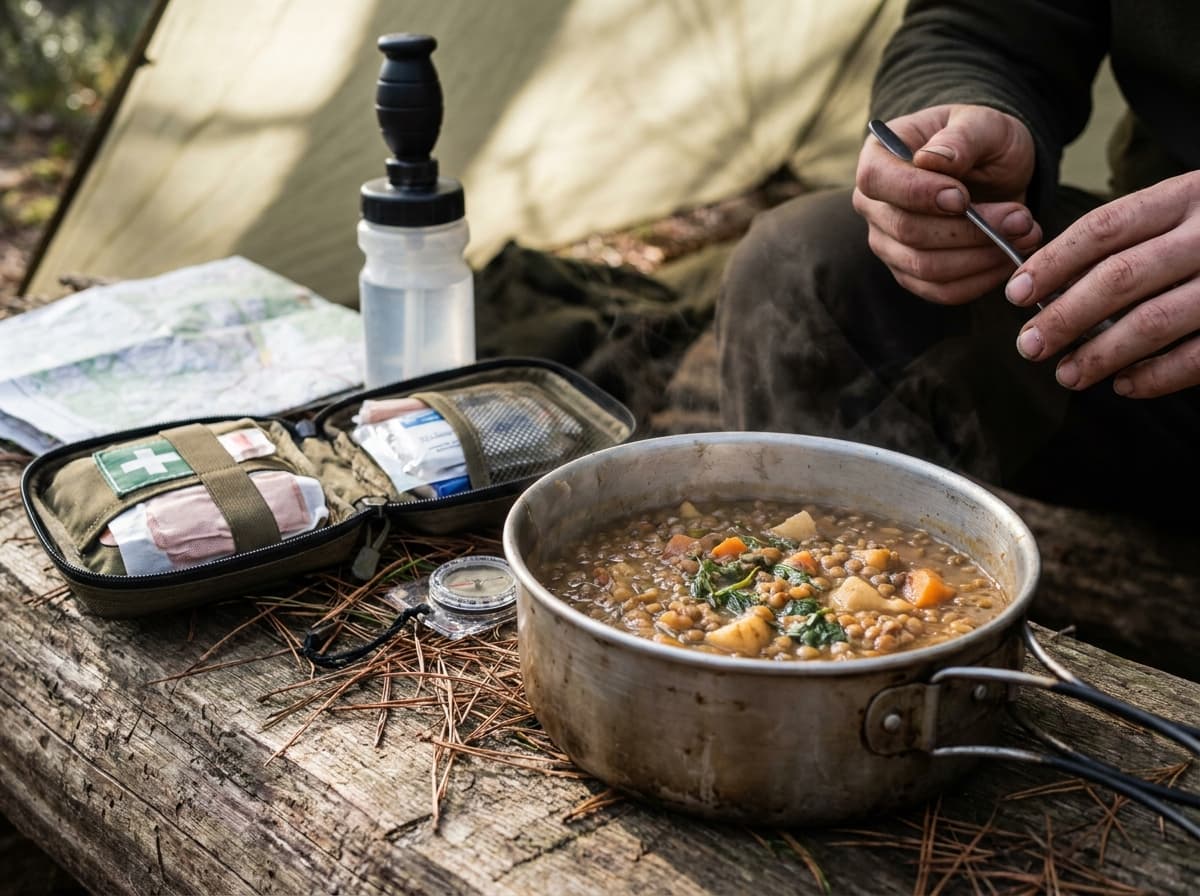
Imagine you are three miles into a rocky descent when your partner slips and lets out a sharp yell. Their ankle is already swelling, and they cannot put weight on it. Instead of trying to carry them immediately, which might cause another fall, you sit them down and look at what is in your pack. You do not have a medical splint, but you have two sturdy trekking poles and a spare flannel shirt. By padding the leg with the shirt and using the poles as rigid supports secured with gear ties or extra shoelaces, you have stabilized the limb. This prevents the bone or ligaments from shifting further while you decide if you need to signal for help or wait for the initial swelling to go down. This kind of quick thinking turns a potential disaster into a manageable problem.
There is a common misconception in the hiking community that you should just walk it off or tough it out through the pain. While mental grit is great, pushing through a structural injury like a hairline fracture or a deep sprain can turn a simple injury into a long-term disability. The catch is that adrenaline can mask the true extent of an injury for the first twenty minutes. If you force a hiker to keep moving too soon, you risk permanent damage or a secondary fall caused by their body trying to compensate for the pain. It is often smarter to stop, elevate the injury, and wait for the initial shock to wear off before making a decision. Individual circumstances vary, so it is always worth checking with a medical professional once you get back to civilization.
Handling medical issues in the woods is inherently risky because you are far from a hospital. While these tips can help in a pinch, they are not a replacement for professional medical care or a full survival fire starting kit if you end up stuck overnight. Always let someone know your plans and return time before you head out. If the injury is severe, remember that a person can survive about three days without water, so do not rush into a dangerous evacuation if you have the supplies to stay put and wait for help. Staying calm and keeping the patient warm is often more effective than a frantic rush toward the trailhead.
Key insights:
Check the ABCs (Airway, Breathing, and Circulation) first to rule out immediate life threats before looking at minor cuts.
Improvise splints using rigid items like trekking poles, branches, or tent stakes padded with extra clothing.
Stop moving for at least 20 minutes after a fall to let adrenaline subside so you can assess the real damage.
Clean deep cuts with the cleanest water available, ideally water that has been boiled for one minute to kill pathogens.
Use the power of three for signaling if the injury prevents you from moving, such as three short whistle blasts.
Finding the Best Portable Water Filter for Survival Success
The best portable water filter for survival is not a single gadget but a system that matches your specific environment. For most hikers and survivalists in North America, a mechanical hollow-fiber membrane filter is the standard choice because it effectively removes 99.9% of bacteria and protozoa like Giardia and Cryptosporidium. However, if you are in a region where viral contamination is a risk, such as near high-density human populations or in certain international locations, a standard filter is not enough. You actually need a water purifier, which uses UV light or chemical treatments to neutralize smaller viruses that pass right through the mesh of a mechanical filter.
Most people overlook the fact that clear water is a psychological trap. Just because you can see the pebbles at the bottom of a stream does not mean the water is safe to drink. Pathogens thrive in clear, cold water, and what this actually means is that your filter is only one link in a safety chain. If you rely solely on a mechanical device in an area with heavy livestock or upstream runoff, you are gambling with microscopic threats your gear might not be rated to handle. A smarter approach is the belt-and-suspenders method: use a filter to remove the physical grit and protozoa, then follow up with a secondary treatment to kill viruses. Since individual health needs vary, it is always worth checking with a doctor if you experience symptoms after a wilderness trip.
Imagine you are down to your last cup of water and find a stagnant, murky pond. Your first instinct might be to stick your filter straw directly into the water, but that is a quick way to ruin your equipment. The silt and organic matter will clog the fine membranes of your filter almost instantly, leaving you with a useless piece of plastic. Instead, you should use a bandana or a spare shirt as a pre-filter. By straining the pond water through the fabric into a container first, you remove the heavy 'floaties' and sediment. This simple step preserves the life of your filter and ensures that the water moving through the device is as clean as possible before it hits the internal membrane.
One thing most guides get wrong is the over-reliance on UV light pens. While these devices are high-tech and fast, they have a major catch: they require the water to be perfectly clear to work. If the water is even slightly cloudy, the UV rays cannot reach the pathogens hiding behind the sediment particles, leaving the water dangerous. Chemical tablets face a similar hurdle in cold weather, as the reaction time slows down significantly in freezing temperatures. This is why bringing water to a rolling boil for at least sixty seconds remains the gold standard for survival. It does not rely on batteries, clear water, or complex chemical reactions, and it is the only method that is 100% effective against every class of pathogen.
Staying hydrated is your top priority in any emergency, especially since a person can typically survive only about three days without water. Rushing to drink from an untreated source because you are thirsty can lead to severe illness, which causes further dehydration and makes a bad situation worse. Treating water procurement with the same level of care as essential survival skills for staying safe in the wilderness ensures you stay healthy enough to self-evacuate. If your primary filter fails or freezes, always fall back on boiling to ensure your water is safe.
Key insights:
Pre-filter murky water through a bandana or coffee filter to prevent your main device from clogging.
Boil water for a full 60 seconds to kill all pathogens if you have a heat source and a metal container.
Keep your mechanical filter inside your jacket or sleeping bag in freezing weather to prevent internal damage.
Allow chemical treatments like chlorine dioxide to sit for at least 30 minutes, or longer in cold water, before drinking.
Check the O-rings and seals on your filtration device before every trip to ensure no dirty water is bypassing the filter.
Emergency Fire Starting Methods for Beginners Who Forgot Matches
If you find yourself in the woods without matches, your survival depends on mastering the fire triangle: heat, fuel, and oxygen. You need all three in the right proportions or your fire will die before it even starts. Most beginners panic and try to light a pile of random sticks, but the real secret is starting with tinder so fine it looks like hair. Without a flame, you will likely rely on a ferrocerium rod, which produces sparks at over 3,000 degrees Fahrenheit, or even a magnifying lens if the sun is high enough. This is a core part of any gear and essentials survival fire starting kit for beginners because these tools work when traditional matches fail or get wet.
The biggest reason people fail at firecraft is not a lack of tools, but a lack of patience and preparation. We see a pattern where hikers skip the boring parts of gathering tiny dry fibers and jump straight to finger-sized twigs. What this actually means is you are trying to reach the ignition temperature of a dense object with a fleeting spark, which is physically impossible. You have to think of fire building as a ladder where you cannot skip any rungs. If you have not spent twenty minutes prepping a bird's nest of dry grass or shaved bark, you are not ready to strike your rod. Most people overlook the fact that the prep work is 90 percent of the job, while the actual lighting is only 10 percent.
Imagine you are caught in a light drizzle after a long day of hiking and your matches are a soggy mess in your pocket. You find a downed cedar tree, peel back the wet outer bark to find the dry inner wood, and shave it into a pile of fluff. You pull out your ferrocerium rod, brace it against the ground right next to your tinder, and scrape hard with your knife spine. Instead of a tiny flame, you get a shower of molten sparks that catch the dry cedar shavings. Because you built a small teepee structure around this nest, the heat rises and dries out the slightly damp twigs you placed on top, eventually turning a potential disaster into a warm camp. This transition from spark to flame is the most critical moment in wilderness survival.
One thing most guides get wrong is suggesting that one fire structure fits every situation. While a teepee is great for getting a quick flame because it focuses heat upward, it is notoriously unstable and burns through fuel fast. If you need a long-lasting coal bed for cooking or warmth, the log cabin style is actually superior because it is self-supporting and allows for better oxygen flow as the center burns down. The catch is that both of these fail in high-wind environments. For those situations, you should build a Dakota fire hole, which is a pit with a secondary air tunnel dug into the ground. This protects the flame from the wind while creating a natural chimney effect that burns incredibly hot and efficient with very little wood.
Fire safety is a critical part of essential survival skills for staying safe in the wilderness, and it is vital to remember that an uncontrolled fire is a bigger threat than the cold. Always clear a ten-foot radius of all flammable debris before you start. If you are in a true emergency, your psychological state is your most important tool because staying calm allows you to process the environment for dry fuel instead of rushing. According to the ECSI, a person can survive three weeks without food, so do not let hunger or stress rush your fire-building process. Individual circumstances vary, so always practice fire safety and check local regulations before attempting these methods in the wild.
Key insights:
Prepare a tinder nest the size of a grapefruit using dry grass, cedar bark, or cattail fluff before you ever strike a spark.
Avoid the mistake of adding large logs too early; wait until your tinder has successfully ignited your smallest kindling and created a steady flame.
Use a ferrocerium rod by pushing the scraper away from you or pulling the rod toward you to shower the tinder in high-heat sparks.
Construct a Dakota fire hole in windy conditions by digging two connected holes in the ground to create a protected, high-oxygen combustion chamber.
Gather at least three times the amount of wood you think you need before lighting the fire to ensure it does not go out while you are searching for more fuel.
Signaling for Help When Your Phone Has No Service
When your phone is a paperweight, the 'Power of Three' is your most reliable tool for getting noticed. This universal distress signal involves repeating any action three times - three whistle blasts, three flashes of light, or three distinct piles of rocks. In the wilderness, nature rarely works in perfect triplets, so search teams are trained to look for this specific pattern as a clear sign of human presence. It is the simplest way to turn a random noise or sight into an intentional cry for help.
For visual signaling, a dedicated signal mirror is best, but you can improvise with a shiny credit card or even a watch face in a pinch. You also only need to know one sequence of Morse code: SOS. This consists of three short signals, three long ones, and three short ones again. Whether you are using a flashlight at night or a mirror during the day, this specific rhythm is recognizable across cultures and languages, making it the only code you truly need to memorize before heading out.
What this actually means is that survival signaling is less about the specific tool and more about the contrast you create against the environment. Most people overlook the fact that a search pilot is looking for something that does not belong in the landscape. A small campfire is just a fire, but three fires arranged in a triangle or a giant 'X' made of bright clothing on a green meadow screams for attention. According to technical standards for emergency signaling, these patterns are effective because they break the natural visual flow of the terrain.
The pattern here is a shift toward satellite-based communication, but manual signaling remains the essential fail-safe. While personal locator beacons are great, they can fail or lose power in deep canyons. Relying solely on a device is a mistake that many modern hikers make. Traditional signaling bridges the gap between being lost and being found by giving rescuers a 'last mile' target once they reach your general vicinity. It is your way of saying 'I am right here' once the search party is close enough to see or hear you.
Imagine you are stuck on a ridge as a thick fog rolls in, making visual signals useless. You hear a search party in the distance, but the mist swallows your voice and you are too exhausted to keep shouting. This is where a whistle becomes a lifesaver. Using three sharp, short blasts followed by a minute of silence allows you to cut through the damp air much better than human vocal cords ever could. It saves your energy and provides a consistent, piercing sound for rescuers to track through the whiteout.
One thing most guides get wrong is the idea that any mirror flash will do. The catch is that without proper aiming, you are just flickering light into the void. To use a signal mirror effectively, you have to hold it near your eye and aim the reflection through the center hole or across your fingers to ensure the beam actually hits the cockpit of a passing plane. It is a precise skill that requires practice, not just a random gesture toward the sky. If you are in a clearing, you can also use ground-to-air signals like an 'X' for medical help or a 'V' for assistance, but make sure they are at least ten feet long to be seen from the air.
Individual circumstances vary, and it is always worth checking with a survival expert or taking a formal course for advice specific to your region. Remember that these signals are for real emergencies only, as misusing them can trigger dangerous and expensive search operations. Always let someone know your plans and return time before you leave, as this ensures people will be looking for your signals in the first place.
Key insights:
Carry a high-decibel whistle around your neck or attached to your pack strap for easy access during a fall.
Practice aiming a signal mirror on a sunny day at home so you can hit a target quickly in an emergency.
Create ground-to-air signals using high-contrast materials like bright tarps, dark logs, or stomped snow.
Memorize the SOS Morse code rhythm - three short, three long, three short - for light and sound signals.
Keep three small piles of dry wood ready to light as signal fires if you hear an aircraft nearby.
Frequently Asked Questions
If you ever find yourself feeling lost and scared in the woods, the very first thing you need to do is stop exactly where you are. It sounds simple, but the urge to keep wandering is what usually gets people into trouble. Your psychological state is a huge factor here because panic can cloud your judgment when you need it most. By sitting down and taking a breath, you give your brain a chance to switch from 'scared' to 'smart.' Most people think they need to find their way back immediately, but staying put makes it much easier for search teams to find you.
Preparation starts at home before you even put your boots on. Always let someone know your plans and when you'll be back so they can call for help if you're late. It's also a great idea to take a wilderness first aid course to build up your confidence and skills. Just like you'd check in with a vet for your furry friends, talking to a survival expert or a local ranger is the best way to get advice tailored to the specific area you're visiting.
You can actually go much longer without food, which is usually around three weeks, but water is the one thing you can't ignore for long. If you're out in the wild, you need to be smart about how you treat what you find. Bringing water to a rolling boil for at least one minute is the gold standard for killing off pathogens that can make you sick.
Here's the thing many people forget: tools like UV lights are great for bacteria, but they won't help with physical dirt or sediment in your cup. You might also look into mechanical filters or even solar disinfection if you have clear bottles and plenty of sun. Just remember that everyone's body reacts differently to dehydration, so checking in with your doctor about your specific health needs before a big hike is always a smart move. It's much better to be a prepared adventurer than a thirsty one!
Boiling water is generally seen as the most reliable way to make water safe because it kills almost every biological threat if you do it right. While UV filters are very handy and fast, they have a big weakness when it comes to murky or cloudy water. According to professional wilderness safety guidelines, you need to bring your water to a rolling boil for at least one full minute to ensure it is safe to drink. UV light can kill bacteria and viruses by disrupting their DNA, but it does not remove sediment or physical debris that might be floating in your bottle.
Here is the thing most people miss: if the water is full of dirt or floaties, the UV rays might not even reach the germs hiding behind those tiny particles. Boiling is a brute force method that works regardless of how clear the water looks. It is also worth noting that a person can typically survive only about three days without water, so you want a method that is foolproof. Of course, it is always a good idea to chat with a survival instructor to learn these skills hands-on before you head out into the deep woods.
You can definitely use your cell phone screen or any reflective part of the device to signal for help, but it is not always the best tool for the job. A flash of light is one of the most effective ways to get noticed from a distance because it stands out so much against the natural landscape. If you are stuck, try to aim the reflection toward a plane or a distant search party. However, you should remember that standard auditory signals like three short whistle blasts are often easier to maintain if you are tired or the sun is not out.
Here is an insight most people forget: technology like phones can fail or lose power, so having a backup like a simple whistle or a dedicated signal mirror is a life saver. Recent trends show more people are relying on satellite-based tools, but traditional signaling is still a core skill for anyone in the wild. As Steve Thygerson, Ph.D., MSPH, CIH, points out, the time you spend on a formal course is a great investment that can save your life. It is always smart to take a certified wilderness first aid course to practice these techniques before an actual emergency happens.
Conclusion
Survival is more about mindset than gear. Remember the Rule of Threes: you can last three minutes without air, three hours in harsh weather, three days without water, and three weeks without food. If you get lost, don't panic. Sit down and stay put. Most people get into deeper trouble by wandering further away because they let fear take the lead.
While gadgets are helpful, they aren't a substitute for basic skills. Knowing how to use a map or how to bring water to a rolling boil for at least one minute is what actually keeps you safe. A filter is great for sediment, but heat is the only way to be certain your water is clean. It is better to rely on training than a battery.
Before you head out, tell a reliable friend your plan. This simple habit ensures that if something goes wrong, help will be on the way. When you respect the wild and prepare for the unexpected, you can stop worrying and truly enjoy the outdoors. These skills give you the confidence to explore nature safely.
Every WilderReady guide is researched, written, and fact-checked in-house against trusted references such as the American Red Cross, the National Park Service, and the CDC before it goes live. We publish under this shared byline instead of invented personas, so you always know who stands behind the guidance you are reading.