Why the Best Survival Gear for Cold Weather Camping Keeps You Alive and Cozy
The best survival gear for cold weather camping focuses on heat retention, moisture management, and reliable fire-starting tools to keep you safe when temperatures drop. It isn't just about comfort....
Why the Best Survival Gear for Cold Weather Camping Keeps You Alive and Cozy
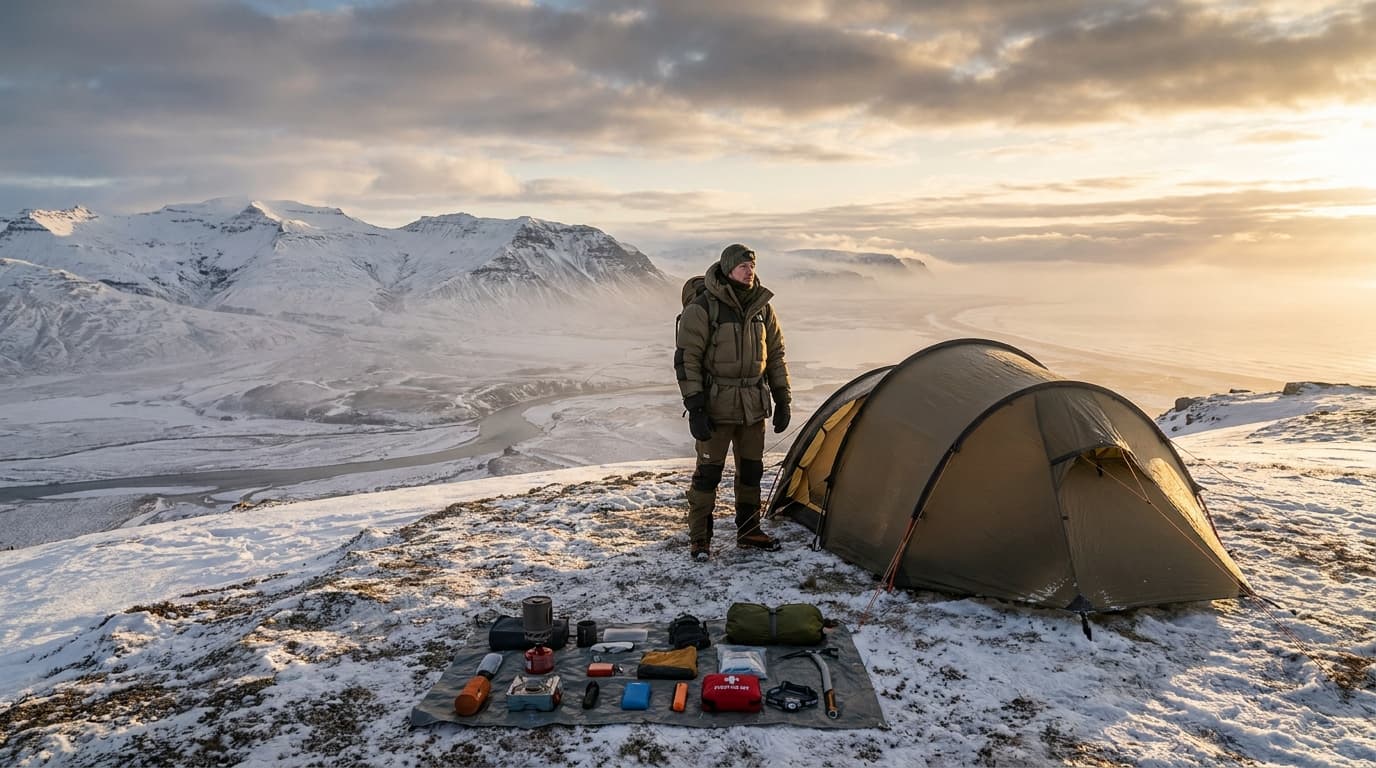
The best survival gear for cold weather camping focuses on heat retention, moisture management, and reliable fire-starting tools to keep you safe when temperatures drop. It isn't just about comfort. It's about preventing hypothermia with items like thermal Mylar blankets and insulated sleep systems.
Winter camping requires a different mindset because gear failure can be life-threatening. Whether you face a blizzard or a freezing desert night, multi-functional tools ensure you can build shelter and stay warm anywhere.
This guide covers essential thermal protection, emergency kits, and the best tools for building shelters in the wild, the desert, or the city.
Staying Warm: Why Cold Weather Gear Is Your Best Friend
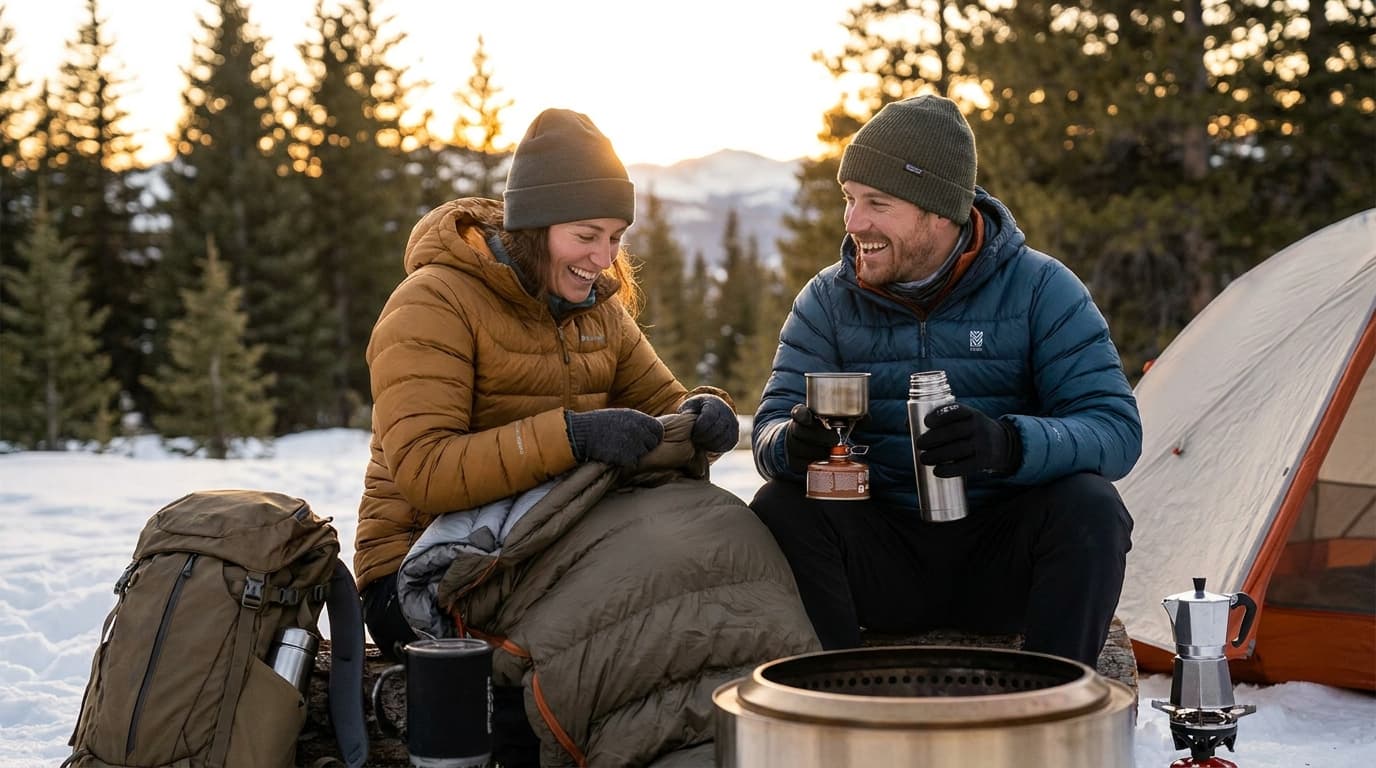
Surviving a freezing night in the wild comes down to two main things: trapping your own body heat and staying off the cold ground. Your absolute essentials are an insulated sleeping pad and a layered sleep system that includes a high-quality sleeping bag. People often forget that the frozen earth acts like a giant heat sink, so you need a solid barrier to keep your warmth from being sucked away.
This is where Mylar technology, originally developed for space missions, makes a huge difference. These thin, crinkly blankets or bivvies are designed to reflect about 90% of your body heat back to you. Because they are so light and compact, they have become a staple in modern emergency kits, providing a massive amount of warmth without adding weight to your pack.
Imagine you are out on a winter trek when a sudden whiteout blizzard hits, making it impossible to find your way back to camp. You find a spot behind some rocks and pull a compact emergency bivvy out of your bag. As you slide inside, you can feel the Mylar lining immediately start to bounce your own warmth back at you. It is the difference between shivering uncontrollably all night and staying relatively comfortable until the wind dies down.
Many people think a thick sleeping bag is enough, but seasoned campers know better. Recent trends show that modular trauma bags and 100-piece survival kits are popular, but for cold weather, the real secret is the combination of an insulated pad and a heat-reflective barrier. Staying dry is also half the battle, as moisture will strip away your heat faster than the air alone.
Key insights:
Always use an insulated sleeping pad to create a thermal break between you and the frozen ground.
Keep a lightweight emergency bivvy or Mylar blanket in an easy-to-reach outer pocket of your pack.
Use a layered sleep system by wearing dry wool base layers inside your bag to trap extra air.
Look for gear that utilizes thermal Mylar technology to maximize heat retention in emergency shelters.
Avoid sleeping in damp clothes, as moisture significantly increases the risk of hypothermia.
The Magic of Mylar and Thermal Shelters
Thermal Mylar stops radiant heat loss by reflecting 90% of your warmth back toward your body. It is a core component in top-selling survival kits because it offers protection in a tiny package. This material can turn a life-threatening chill into a manageable situation almost instantly.
Imagine being caught in a freezing rainstorm. You pull out a compact Mylar tent and string it up between two branches. As you crawl inside, the silver lining traps your body heat. This creates a warm micro-climate that blocks the wind while you stay dry and wait it out.
Key insights:
Keep a lightweight emergency bivvy in an outer pack pocket for fast access.
Look for shelters using thermal Mylar to retain 90% of body heat.
Use paracord to secure blankets so they do not blow away in high winds.
Surviving the Sands: Camping Essentials for Desert Survival Trip
Desert survival is a balancing act between two extremes. During the day, your main enemy is dehydration, but as soon as the sun dips, the desert floor loses heat rapidly. You need gear that helps you stay cool while being versatile enough to provide warmth later. This is why checking out 5 survival essentials you actually need is a great place to start your packing list.
Modern gear is surprisingly compact and multi-functional. For instance, a 100-piece compact first aid kit is a top seller because it fits easily in a daypack while covering most emergencies, including specialized extraction pumps for stings. Many hikers also wear survival bracelets that pack 10 feet of paracord and a fire starter right on their wrist. These small tools allow you to adapt without carrying a massive, heavy pack through the sand.
Imagine you are hiking through a winding canyon where the heat hits 100 degrees by noon. You are using a wide-brimmed hat to block the sun, but you know the air will turn cold at dusk. You use the paracord from your survival bracelet to lash a light tarp against the canyon wall, creating a windbreak. By the time the stars come out and the temperature crashes toward freezing, that small bit of cord has helped you build a shelter that keeps you safe.
Key insights:
Prioritize water purification tools to stay hydrated without carrying gallons of extra weight.
Choose sun protection that can transition into a wind-blocking layer when the sun goes down.
Wear a survival bracelet with at least 8 feet of paracord for emergency lashing or shelter building.
Keep a compact first aid kit in an outside pocket for quick access to bandages or venom extractors.
Use multi-functional gear like tactical pens that include a flashlight for finding your way in the dark.
Pack a thermal Mylar blanket to reflect your body heat back to you during the cold desert nights.
City Living: Everyday Carry Essentials for Urban Preparedness
For a sudden city-wide emergency, your bag should focus on mobility rather than heavy camping gear. You need to handle being stranded in a dark office or getting through a stalled transit system. The key is modularity. Use a MOLLE-compatible nylon bag that attaches to your regular backpack. This lets you carry essentials like a multi-tool without cluttering your daily space.
Imagine the power goes out while you are on the 30th floor of an office building. The elevators are dead, and the emergency lights are dim. You reach into your bag and pull out a 7-in-1 tactical pen. It is made of aircraft-grade aluminum and features a bright LED flashlight to guide you down the stairs. If you find a locked emergency exit with a stuck latch, that same pen has a built-in glass breaker to help you get through. It is a small, discreet tool that handles three problems at once.
Urban survival is also about managing temperature and minor injuries while waiting for help. A 100-piece compact first aid kit covers basic trauma without taking up much room. Adding a thermal Mylar blanket can keep you warm if you are stuck in a cold lobby. You can find more tips on building these sets in our Bug Out Bag Checklist For Beginners Your 72 Hour Survival Guide.
Key insights:
Choose a modular EDC kit that fits inside a standard backpack or clips onto a belt.
Carry a 7-in-1 tactical pen for a combined flashlight, glass breaker, and writing tool.
Include a compact first aid kit for treating minor injuries in crowded areas.
Keep a Mylar space blanket tucked in a side pocket to stay warm during a building evacuation.
Wear a survival bracelet to ensure you always have paracord and a whistle on your person.
Powering Up: A Beginner Off-Grid Power Generation Guide
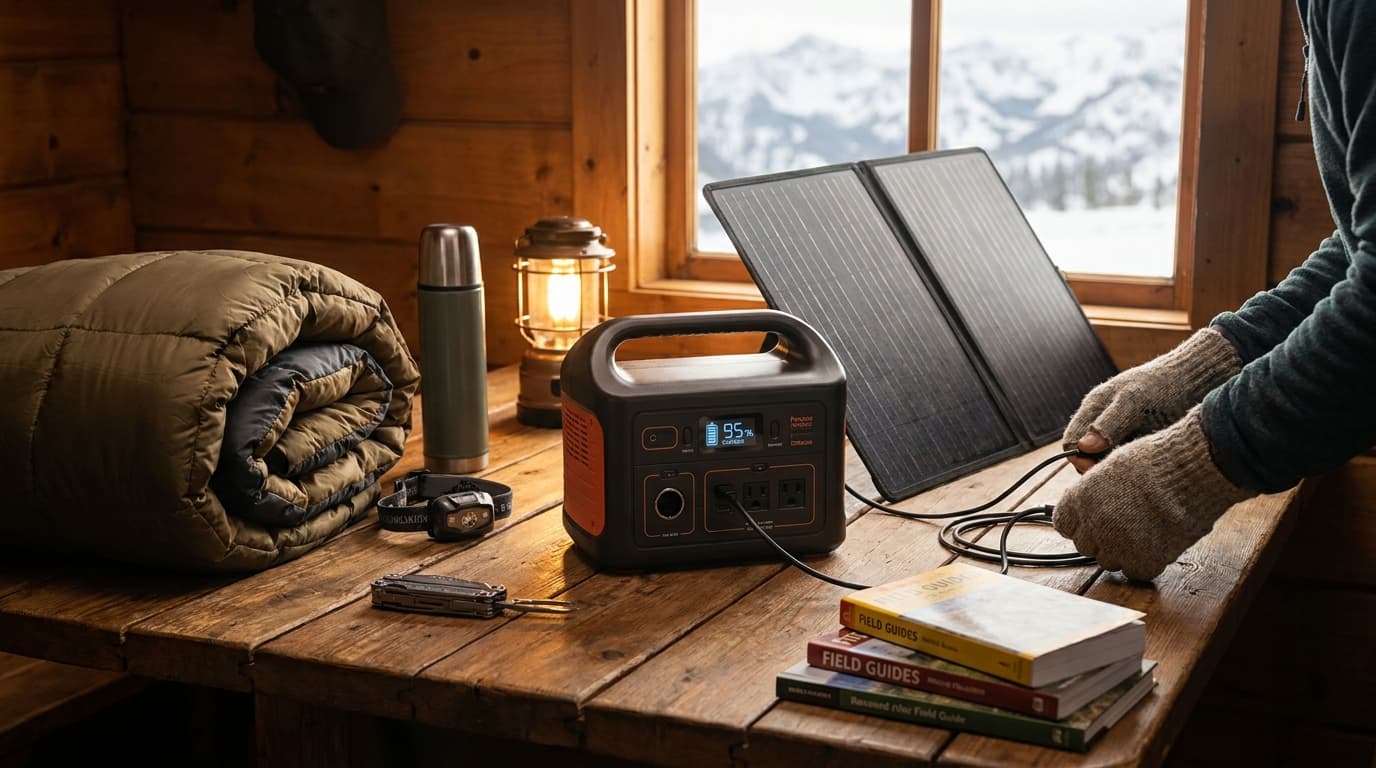
Generating your own electricity does not require a massive budget or a degree in electrical engineering. For most beginners, the smartest move is to start small with portable equipment that keeps your phone, GPS, and radio running. Think of it as a personal power station that fits in your hand. By focusing on small-scale solar, you avoid the high costs of home battery systems while gaining the freedom to stay out in the wild longer. If you want to see how this fits into a larger setup, our Gear And Essentials Emergency Food Solar Gear And Survival Prep covers the basics of building a reliable kit.
Imagine you are three days into a remote hiking trip and the clouds finally break. Your GPS is nearly dead, and you need to check the weather on your survival radio. You pull a 20W foldable solar charger from your bag and lay it across a rock while you eat lunch. In just an hour, the sun provides enough juice to top off your battery bank. This bank then powers your devices and even the LED flashlight on your aircraft-grade aluminum tactical pen. It is a simple and effective way to stay safe without carrying a heavy bag of disposable batteries.
So, before you try to wire up a whole cabin, get used to managing a single portable panel. This helps you understand how much energy you actually use and how long it takes to recharge when the sky is overcast. You can find more advice on organizing your pack in our Outdoor Hacks And Tricks For Diy Camping Gear Shelters And Survival guide.
Key insights:
Start with a 20W foldable solar charger because it is affordable and fits easily in a standard backpack.
Pair your solar panel with a 10,000mAh battery bank to store power for use after the sun goes down.
Test your charging setup at home on a cloudy day to learn the realistic limits of your gear.
Keep your charging cables in a dedicated waterproof pouch to prevent fraying or moisture damage.
Use carabiners to clip your solar panel to the back of your pack so you can charge while you hike.
Building Safety: Essential Survival Shelter Building Tools Review
When you're deep in the woods, weight is your enemy, but stability is your best friend. For a lean-to, you really only need two heavy hitters: a reliable folding saw and a multi-tool made of aircraft-grade aluminum. While many top-selling survival kits pack in hundreds of items, the real work of shelter building happens with tools that can cut and notch wood. One of the 10 Essentials for any serious hiker is a tool that can actually manipulate your environment, not just sit in a bag.
Versatility is the main reason these tools win out. A 12-in-1 or even a 262-piece set might look impressive, but you want pieces that won't snap when you're carving a structural joint. Modern kits are shifting toward modular trauma bags and high-count toolsets that prioritize durability over quantity. You need gear that can handle the grit of the outdoors while staying light enough to carry on a long trek.
Imagine you are racing against a sunset in a damp forest. You need a frame that won't collapse under the weight of wet pine boughs. Instead of just wrapping 10 feet of paracord around slippery branches, you pull out a folding saw. You cut deep V-notches into your main support beams, locking them together like a puzzle. This mechanical connection is much stronger than any knot. Your aircraft-grade multi-tool helps shave down the edges for a perfect fit, turning a pile of sticks into a solid home for the night. This approach saves your cordage for smaller tasks and ensures the wind won't blow your roof off while you sleep.
Key insights:
Pick a folding saw with a locking blade to prevent accidents during heavy use.
Look for multi-tools made from aircraft-grade aluminum to ensure they handle high pressure without bending.
Choose a kit that includes at least 8 to 10 feet of high-capacity paracord for secondary lashing and tension.
Avoid single-use gadgets in favor of all-in-one tools that serve multiple functions like sawing, scraping, and hex-wrenching.
Check that your toolset fits into a modular, MOLLE-compatible bag so you can access it quickly without digging through your whole pack.
The Smart Way to Pack Your Survival Kit
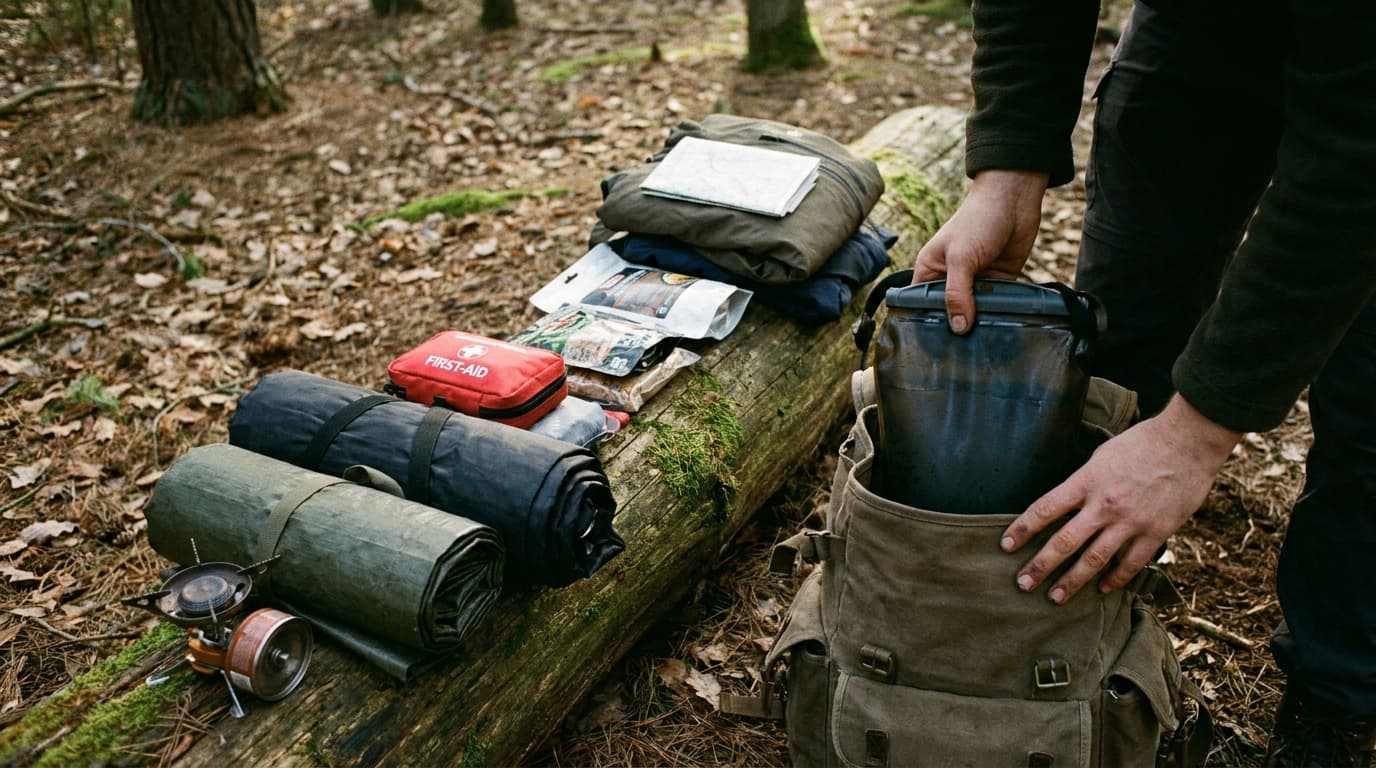
Organizing a survival kit is not about how much gear you can cram into one bag. It is about how fast you can find exactly what you need when things go wrong. If you have to dump out your entire pack just to find a bandage or a fire starter, your system is broken. The most effective way to pack is to use a modular approach where gear is grouped into smaller, specialized pouches based on how often you will use them.
Many modern kits have moved away from basic plastic boxes in favor of MOLLE-compatible nylon bags that clip onto the outside of your main backpack. This setup is a game changer for portability. It allows you to keep high-priority items like medical supplies and navigation tools on the exterior while keeping heavier items like emergency shelters or 262-piece toolsets inside the main compartment.
Imagine you are on a short afternoon hike and a friend gets a nasty bee sting. If your medical gear is buried under a tent and extra clothes, you are wasting time. With a modular trauma bag, you simply rip the pouch off the webbing and immediately grab the venom extractor pump. This modularity means you can also grab just the medical kit for a quick walk without having to repack your entire survival setup every time you leave the house.
This system also helps you manage weight and space. By using multi-functional gear like a 7-in-1 tactical pen or a survival bracelet, you can keep essential tools like a whistle, compass, and fire starter right on your body. This frees up space in your pouches for specific needs like emergency fishing gear or Mylar thermal blankets.
Key insights:
Attach a modular trauma bag to the exterior of your pack so you can reach medical supplies in seconds.
Group your gear into color-coded pouches to separate fire-starting tools from food and water purification items.
Wear a survival bracelet to keep up to 10 feet of high-capacity paracord and an emergency whistle within reach at all times.
Keep a tactical pen in your pocket to ensure you always have a flashlight and glass breaker without digging through a bag.
Audit your kit every few months to remove items you never use and replace expired medical supplies.
Frequently Asked Questions
When you're facing freezing temperatures, the absolute priority is keeping your body heat where it belongs. While many people reach for food or tools first, an emergency shelter solution like a Mylar space blanket is actually the most critical item because it's designed specifically to reflect your heat back to you.
It's worth noting that while a 100-piece first aid kit is the top seller for general preparedness, it won't stop hypothermia. In a cold weather crisis, staying dry and insulated is the first step to staying alive, so never head out without that lightweight thermal material in your bag.
You'll want to be careful here. While survival bracelets are made from very strong paracord that can handle a lot of tension, they aren't meant for true heavy lifting like towing a vehicle or overhead hoisting. They are designed for emergency lashing, like securing a tent or building a makeshift stretcher.
The cool thing about these wearables is that they usually pack about 8.5 to 10 feet of cordage along with other tools like whistles and fire starters. They're great for 'all-in-one' convenience on your wrist, but think of them as a backup for light-duty emergency repairs rather than a replacement for industrial-strength rope.
If you keep a Mylar blanket tucked away in its original packaging, it can easily stay good for several years. But once you pull it out and start using it, you'll find it's mostly a one-time item. The material is incredibly thin, so it tends to crinkle and tear once it's been unfolded and exposed to the wind or rough ground.
These blankets are designed to reflect your body heat back to you, which is why they're so helpful for staying warm in a pinch. Just keep in mind that they're meant for emergencies, not for regular use. If you're building a survival shelter, you'll want to be extra careful with sharp sticks or rocks that could poke a hole in the thin film.
It really comes down to how you move. Plastic boxes are fine for a shelf at home, but they're clunky and can crack if you drop them. Modular trauma bags are made of tough nylon, which means they can take a beating and still keep your gear safe.
Also, these bags are way easier to carry because you can strap them right onto your backpack or keep them in a tight spot in your car. Because they have specific loops and pockets inside, you don't have to dig through a messy pile of supplies when you're in a hurry. It makes a big difference when you need to find a bandage or a tool fast.
Conclusion
Staying safe in the wild or the city comes down to more than just buying stuff. Whether you are looking for the best survival gear for cold weather camping or building a kit for a desert survival trip, the real goal is versatility. We have seen how a simple Mylar blanket or a survival bracelet can bridge the gap between a rough night and a dangerous one. It is all about having tools that do more than one job so you are never carrying dead weight.
The bottom line is that your needs change based on where you are. You might need a beginner off-grid power generation guide for your cabin but rely on urban preparedness essentials for your daily commute. Building a modular system means you can grab what you need without overthinking it. It turns a pile of equipment into a reliable safety net that fits your life.
Your next move is simple: take a look at your current bag this weekend. See where the gaps are and maybe add one high-quality multi-tool or a thermal shelter to your kit. The best gear is always the gear you actually have with you when things get unpredictable. Stay warm, stay prepared, and keep exploring.
Every WilderReady guide is researched, written, and fact-checked in-house against trusted references such as the American Red Cross, the National Park Service, and the CDC before it goes live. We publish under this shared byline instead of invented personas, so you always know who stands behind the guidance you are reading.