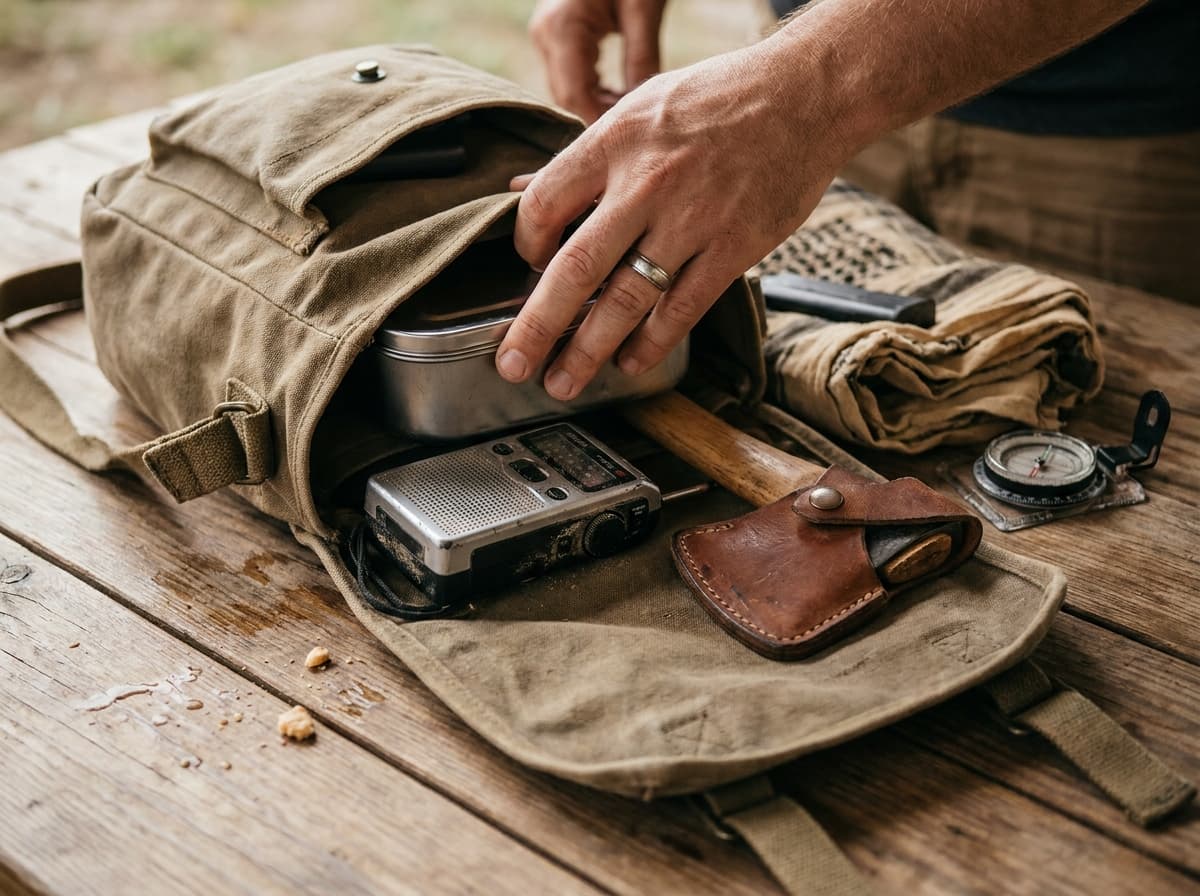
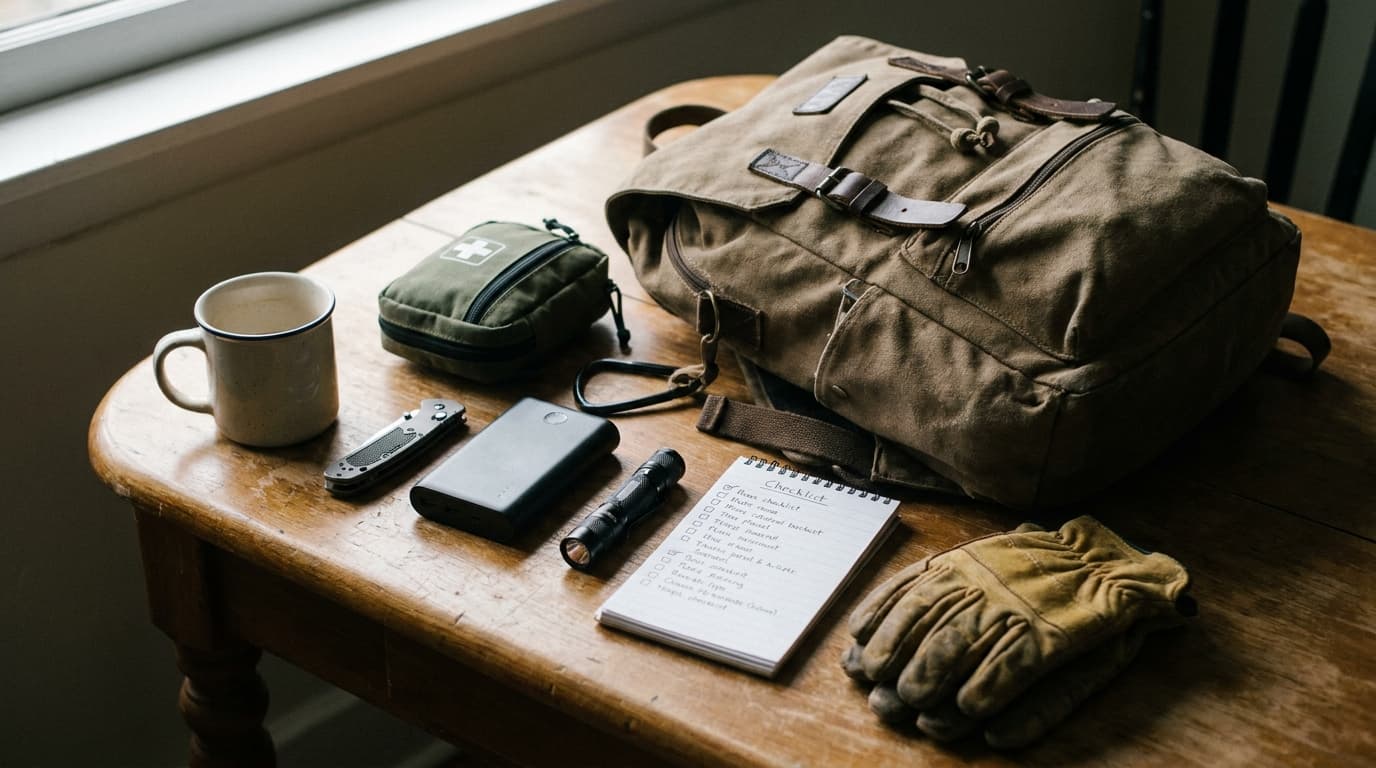
Gear & Essentials: Emergency Food, Solar Gear, and Survival Prep
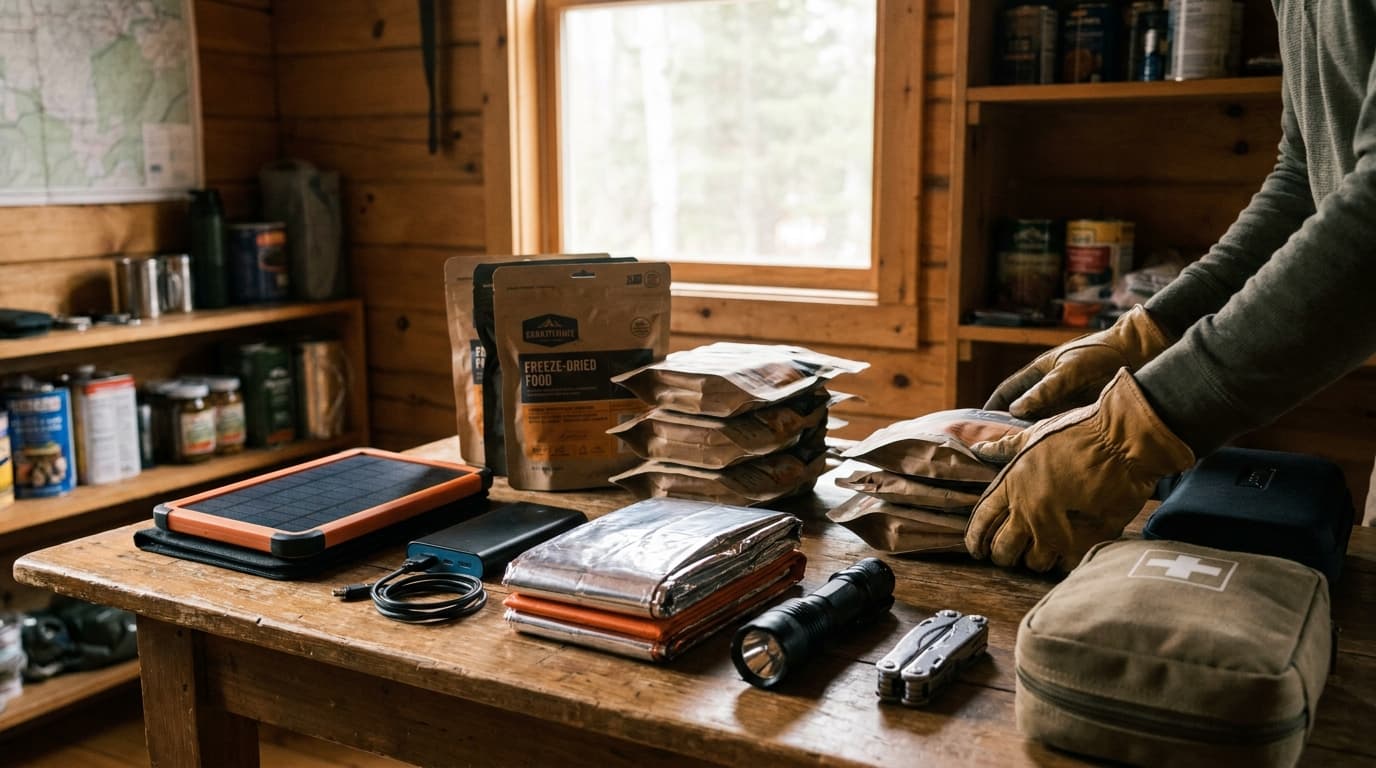
True preparedness starts with Gear & Essentials: Emergency food supply checklist for home preparedness, Best solar powered gear for off-grid living, Best emergency blankets for extreme cold survival, Best tactical...
Gear & Essentials: Emergency Food, Solar Gear, and Survival Prep
True preparedness starts with Gear & Essentials: Emergency food supply checklist for home preparedness, Best solar powered gear for off-grid living, Best emergency blankets for extreme cold survival, Best tactical flashlight for emergency survival, Everyday carry essentials for natural disaster preparedness.
Modern safety standards are shifting from three days to 14 days of total self-sufficiency. It's vital to have your supplies ready before a storm hits or the power grid fails.
You'll learn how to stock a pantry, keep the lights on, and choose the right gear to protect your family.
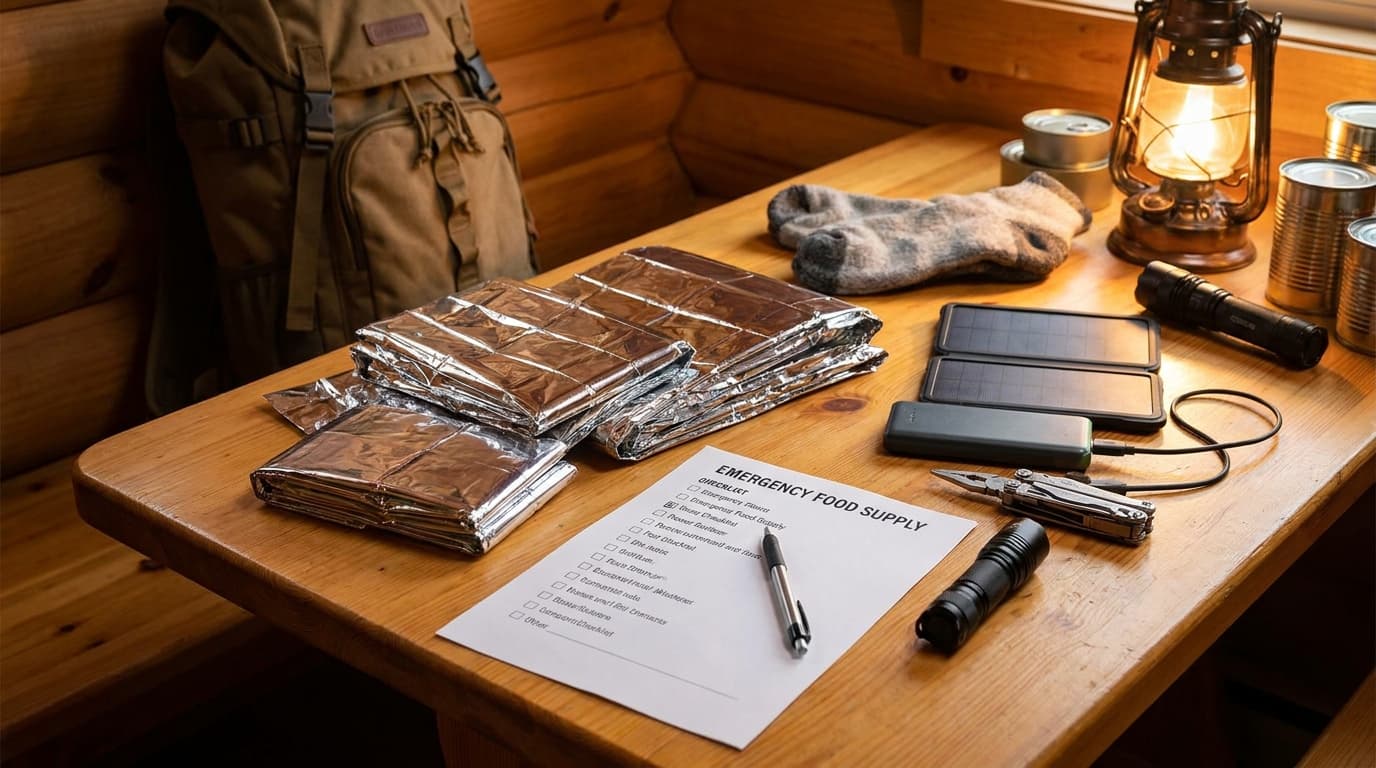
Your Emergency Food Supply Checklist for Home Preparedness
A home survival pantry should focus on calorie-dense, shelf-stable items that require little to no cooking. While the Survival Rule of 3s suggests you can survive weeks without food, experts like Sean Gold from TruePrepper warn that you will feel the drain on your energy and morale much faster. Focus on foods your family actually likes to eat so you stay comfortable during a crisis.
You should also move past the old three-day water rule and aim for a 14-day supply to ensure true self-sufficiency. This means storing at least one gallon per person per day for drinking and basic hygiene. Since water weighs about 8.3 pounds per gallon, it is often better to use several portable containers rather than one massive, immovable tank.
Imagine a five-day power outage where the roads are blocked and your electric stove is dead. If you have a 20L Wolverine Tuff Bottle, you have enough water for one person, but if you forgot a manual can opener, your canned beans are out of reach.
Customizing your kit is always better than buying a generic one because it accounts for specific needs like daily prescriptions. About half of all Americans take at least one medication every day, and a pre-made kit won't have what you need. It is also smart to keep a wrench or pliers nearby so you can quickly shut off household gas or water lines if a pipe bursts.
Key insights:
Look for calorie-heavy foods like peanut butter, tuna, and dried fruits that do not need heat to prepare.
Store at least 14 gallons of water per person in durable, portable containers to meet the 14-day standard.
Invest in a gravity-fed filter or iodine tablets as a backup for long-term water purification needs.
Keep a manual can opener and a multi-tool directly inside your food storage bin so they are never lost.
Check your supply of prescription meds and pet food every few months to ensure nothing has expired.
The 14-Day Water Standard
Most people know the FEMA three-day rule, but experts now suggest a 14-day supply. This shift matters because the Rule of 3s reminds us water is our most urgent need. If the taps go dry, you want a plan that lasts much longer than a holiday weekend.
Water weighs about 8.3 pounds per gallon, making it a literal heavy lift. A 20L Wolverine Tuff Bottle holds enough for one person for five days. These containers help you hit that 14-day goal without your home looking like a crowded grocery warehouse.
Imagine a big storm knocks out the local utility. While others are frantic, you are at home, totally chill. You have enough water for drinking, cooking, and even cleaning up after the pets without ever worrying about store shelves being empty.
Key insights:
Store one gallon per person per day for drinking and basic hygiene.
Buy a gravity-fed filter as a reliable backup for long-term needs.
Use heavy-duty, stackable containers to save space while meeting your goal.
Choosing the Best Solar Powered Gear for Off-Grid Living
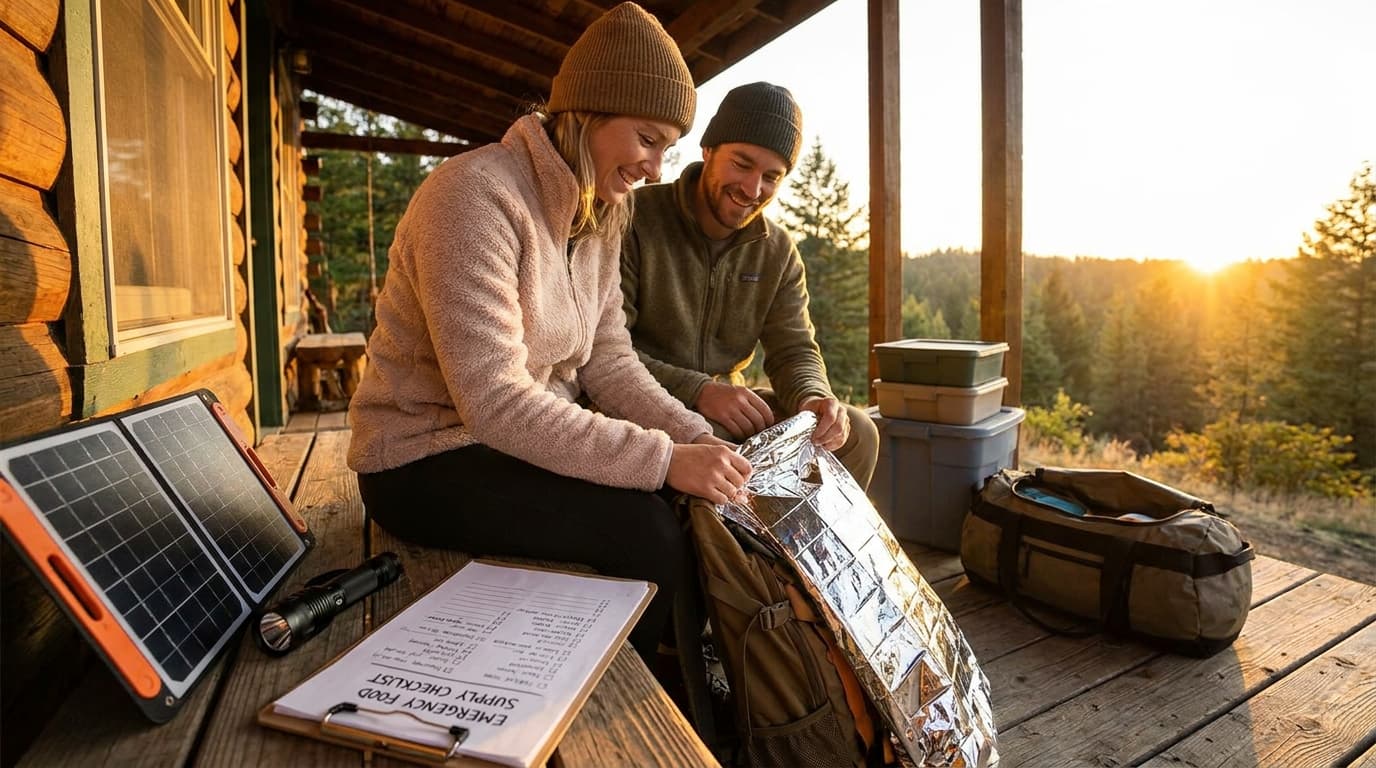
Staying connected and keeping the lights on during a blackout is more than just a convenience. It is about safety for you and your family. To keep things running without a grid, you need a system that can both capture and store energy. Those small battery banks for your pocket are fine for a quick boost, but they fail quickly in a real emergency.
You really want a high-capacity portable power station paired with foldable solar panels. This combination lets you grab energy from the sun during the day so you can use it all night. It is a simple cycle that keeps you from being left in the dark when the utility companies are struggling to fix the lines.
Imagine a winter storm knocks out the power for five days and your home is freezing. You are wrapped in a blanket to stay warm, but it is pitch black and your phone is almost dead. Because you have a portable power station, you can plug in a small lamp and keep your phone charged for weather updates. You are not just sitting there in the cold. You are actively managing the situation.
This kind of setup is becoming the new standard for modern prepping. Experts are now moving away from short-term fixes and suggesting a much longer window for staying safe. For instance, recent recommendations from Wirecutter suggest aiming for a 14-day supply of essentials to handle bigger disasters.
It might feel like a lot of gear to manage at first, but it is worth the effort. Once you see your phone battery filling up while the sun is shining, you will feel a lot of relief. It is all about creating peace of mind for you and your furry friends.
Key insights:
Choose a power station with at least 500Wh of capacity to handle multiple devices over several days.
Pair your station with foldable panels that are weather-resistant and easy to move as the sun shifts.
Test all your cables and charging ports before you actually need them to ensure compatibility.
Keep your battery stored in a cool, dry place and check its charge level every few months.
Practice setting up the panels in your yard so you know exactly where the best light hits during the day.
Stay Warm: Best Emergency Blankets for Extreme Cold Survival
Professional-grade emergency blankets are a massive step up from those thin, crinkly Mylar sheets often found in bargain kits. While basic Mylar reflects body heat, it is prone to tearing and offers zero insulation against the wind. High-end versions use a multi-layer design with a reinforced backing, making them durable enough to reuse and tough enough to serve as a makeshift tarp.
This durability is critical because of the Survival Rule of 3s, which reminds us that you can only last three hours without shelter in extreme environments. Cheap sheets are fine for a quick fix, but they will not help you build a long-term survival space if your home loses power for days during a blizzard.
Imagine a winter storm knocks out your heating system while it is well below freezing outside. Inside, your house is quickly becoming a refrigerator. Instead of just shivering under a thin foil sheet, you can use a professional-grade blanket with grommets to create a warm room. By pinning the reflective side toward your living area, you trap every bit of heat from your body or a small emergency heater, effectively turning a cold corner into a survival pod.
As Jonathan McNamara from the Red Cross points out, there is not just one right way to prepare, and you should feel free to customize your gear to fit your family. Choosing a heavy-duty blanket over a disposable one is a simple upgrade that provides much better protection when things get serious.
Key insights:
Look for space blankets that feature reinforced fabric and metal grommets for multi-use setup.
Use the blanket as a heat-reflecting wall by pinning it behind your bed or seating area during a power outage.
Avoid relying on single-use Mylar sheets if you plan on moving around or building a shelter.
Practice setting up a micro-climate in one room of your house before an actual emergency hits.
Light the Way with the Best Tactical Flashlight for Emergency Survival
A tactical flashlight is more than just a way to find your keys in a dark bag. It is a rugged piece of gear designed to work when everything else fails. To be reliable during a disaster, it needs a shock-resistant body and a high output of at least 500 lumens. These lights are built to take a beating and keep shining. This is exactly what you need when you are dealing with the chaos of a storm or an earthquake.
Imagine you are in your basement trying to find a leaking water valve after a tremor. It is pitch black, and you are carrying a wrench to shut off the utility lines. A cheap plastic flashlight might flicker or break if you drop it in the water. You need a device that stays bright even if it gets wet or knocked against a concrete wall. Having a reliable beam allows you to work with both hands and stay calm when things get messy.
It is also about being found. If you are trapped and need to signal for help, a steady beam can easily blend into the background lights of a dark neighborhood. A tactical light with a strobe function creates a fast, blinking pattern that acts as a beacon for rescuers. It is a simple feature that makes a massive difference when every minute counts and you need help fast.
Key insights:
Choose a light with at least 500 lumens to cut through thick smoke or total darkness.
Select a model with high water resistance to handle floods and heavy rain.
Ensure it has a strobe mode to help rescuers find your location more easily.
Look for a tail cap switch so you can turn it on instantly with one thumb.
Keep a set of spare lithium batteries nearby because they last longer in storage than alkaline ones.
Everyday Carry Essentials for Natural Disaster Preparedness
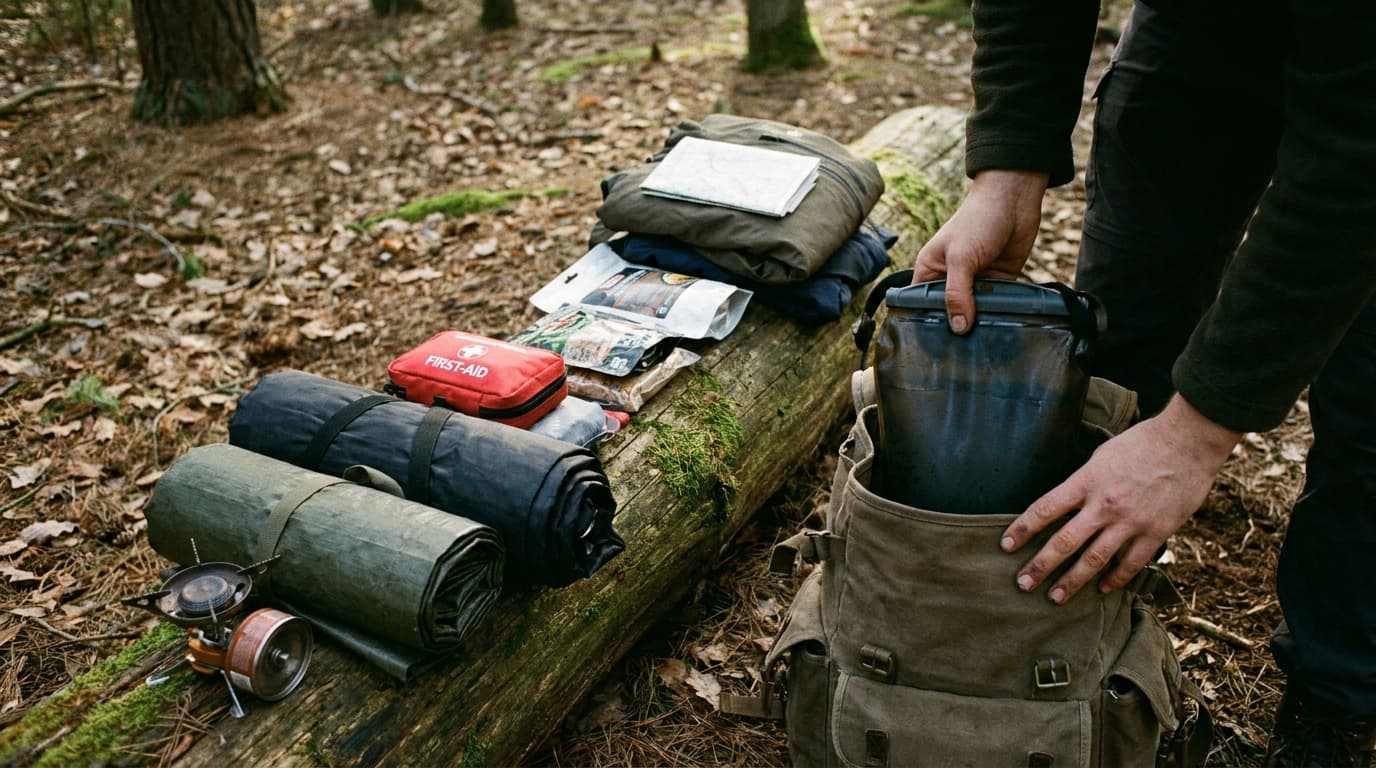
Your everyday carry (EDC) kit includes the small items you keep on your person to survive the first few hours of a crisis. This gear focuses on the survival rule of 3s, which reminds us that you can only last three hours without shelter and three days without water. Since water weighs a heavy 8.3 pounds per gallon, you cannot realistically carry a FEMA-recommended three-day supply on your back while walking. Instead, your EDC should prioritize tools that help you find and clean water on the go.
Also, keep in mind that preparedness is about more than just gear. About half of all Americans take at least one prescription medication every day, yet many forget to include these in their mobile kits. Red Cross manager Jonathan McNamara notes that there is no single right way to prepare, so you should customize your kit for your specific health needs. A small bag with your meds and a multi-tool can make the difference between a minor struggle and a medical emergency.
Imagine you are at work when a sudden earthquake rattles the city. The elevators are down, and your car is trapped in a dark parking garage. You have to walk home, but the tap water is contaminated and you have a long trek ahead. Because you have a go-bag at your desk, you can use a filtration straw to drink safely from a nearby source. You have your multi-tool to pry open a jammed door and your daily meds to stay healthy while you find your way back to your family.
Key insights:
Build your own kit rather than buying a pre-made one to ensure you have high-quality tools that actually work.
Pack a portable water filter straw or iodine tablets so you can stay hydrated without carrying heavy gallons of water.
Include a small first-aid kit stocked with at least a three-day supply of your specific daily prescriptions.
Keep a multi-tool or a small utility wrench in your bag to turn off gas lines or handle minor repairs on the fly.
Add a backup power bank to your gear to ensure you can use your phone for emergency alerts and communication.
Frequently Asked Questions
You really want to aim for a checkup every six months or so. It is easy to tuck a box in the closet and forget about it, but food loses its nutritional value over time and plastic water jugs can actually start to degrade or leak.
While FEMA recommends a three-day supply as a baseline, many people are moving toward a 14-day standard now. It is a good idea to sync your rotation with something you already do, like changing your smoke detector batteries, so you never get stuck with expired crackers when you actually need them.
The biggest reason is quality control. Most off the shelf bags use cheap multi tools or flashlights that might fail when you need them most. When you build your own, you get to pick gear you trust and skip the filler that just adds weight.
Customizing also lets you handle things a generic kit never could. Since half of all Americans use prescription medication daily, a one size fits all bag just won't cut it. You can add extra meds, spare glasses, or even specific items for your pets to make sure everyone is actually taken care of.
Honestly, you probably shouldn't count on solar alone when a big winter storm hits. Between the heavy cloud cover and snow piling up on your panels, you won't get much of a charge. It's better to think of solar as a way to stretch your power rather than your only source of it.
The best move is to have a high-capacity portable power station fully charged before the storm starts. These have mostly replaced those tiny battery banks because they can actually run small appliances. Just keep your solar panels handy to trickle charge the station if the sun finally decides to peek out.
The Rule of 3s is a simple way to remember what to focus on first during an emergency. It tells us you can generally survive for 3 minutes without air, 3 hours without shelter in extreme weather, 3 days without water, and 3 weeks without food. It's all about triaging your needs so you don't waste time on the wrong things.
For example, many people worry about food first, but the Survival Rule of 3s shows that finding shelter or water is much more pressing. Keep in mind that water is heavy, weighing about 8.3 pounds per gallon, so planning how to store or find it is a huge part of the battle.
Conclusion
So where does this leave us? Preparing for the unexpected is less about fear and more about having a solid plan. When you use an emergency food supply checklist for home preparedness and pick the best solar powered gear for off-grid living, you create a system that actually works. It ensures that if the power goes out, your home stays warm, your family stays fed, and you have the light you need to stay safe.
High quality items like the best emergency blankets for extreme cold survival and the best tactical flashlight for emergency survival are basic tools every home needs. Your next move is simple: find one gap in your supplies and fix it this week. Whether that is sorting your everyday carry essentials for natural disaster preparedness or just storing more water, every small step makes a big difference.
Real readiness is a process, not a one-time task. Once the right gear is in place, you can stop worrying about the what ifs and get back to relaxing with your family and your pets. Being prepared means you can face any storm with calm confidence, knowing everyone in your home is taken care of.
Every WilderReady guide is researched, written, and fact-checked in-house against trusted references such as the American Red Cross, the National Park Service, and the CDC before it goes live. We publish under this shared byline instead of invented personas, so you always know who stands behind the guidance you are reading.