Bug Out Bag Checklist for Beginners: Your 72-Hour Survival Guide
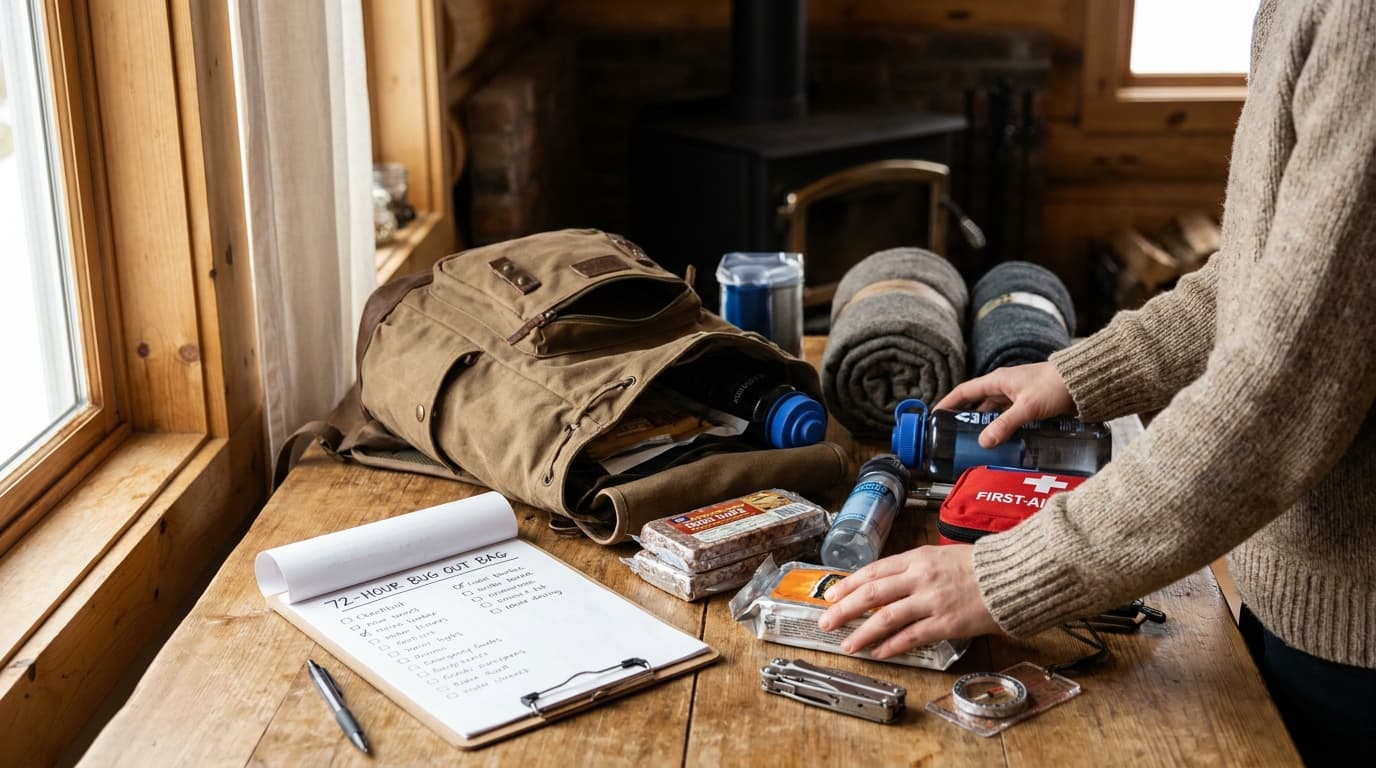
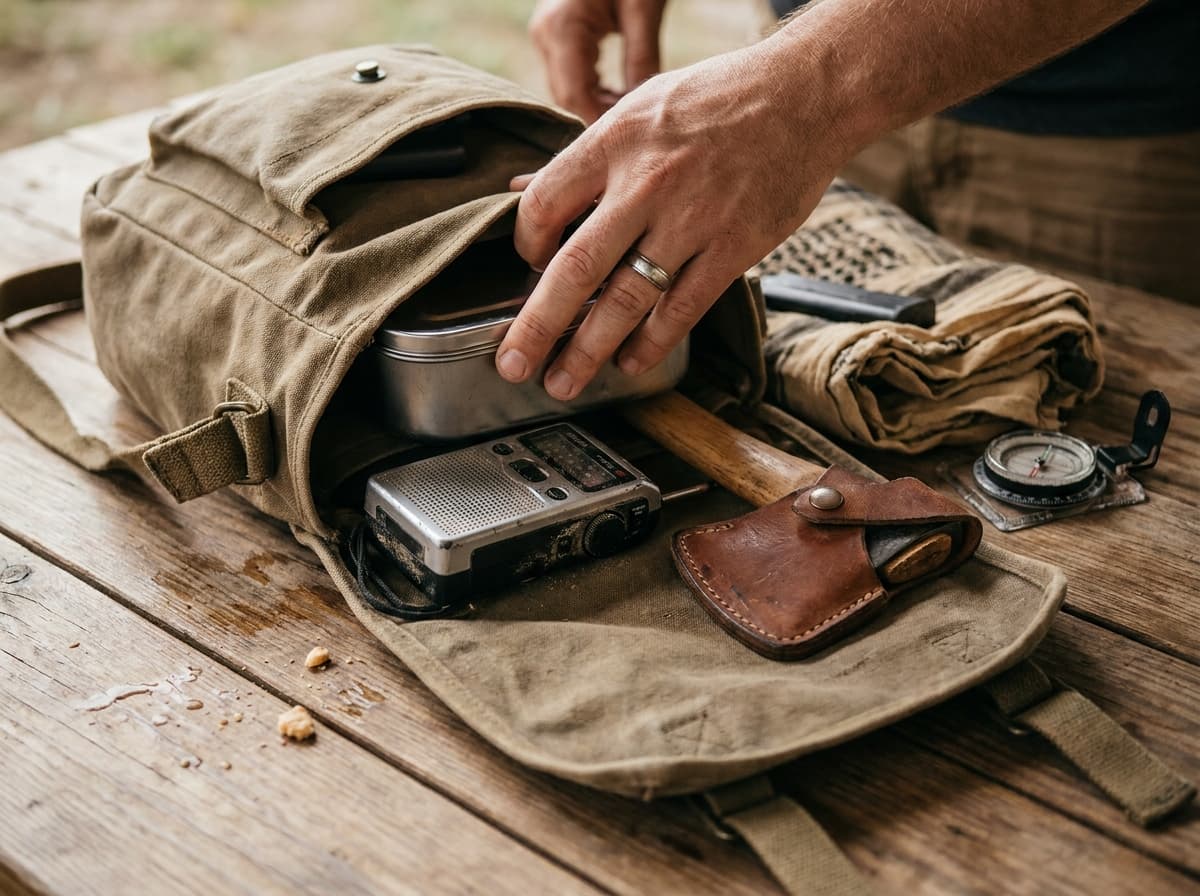
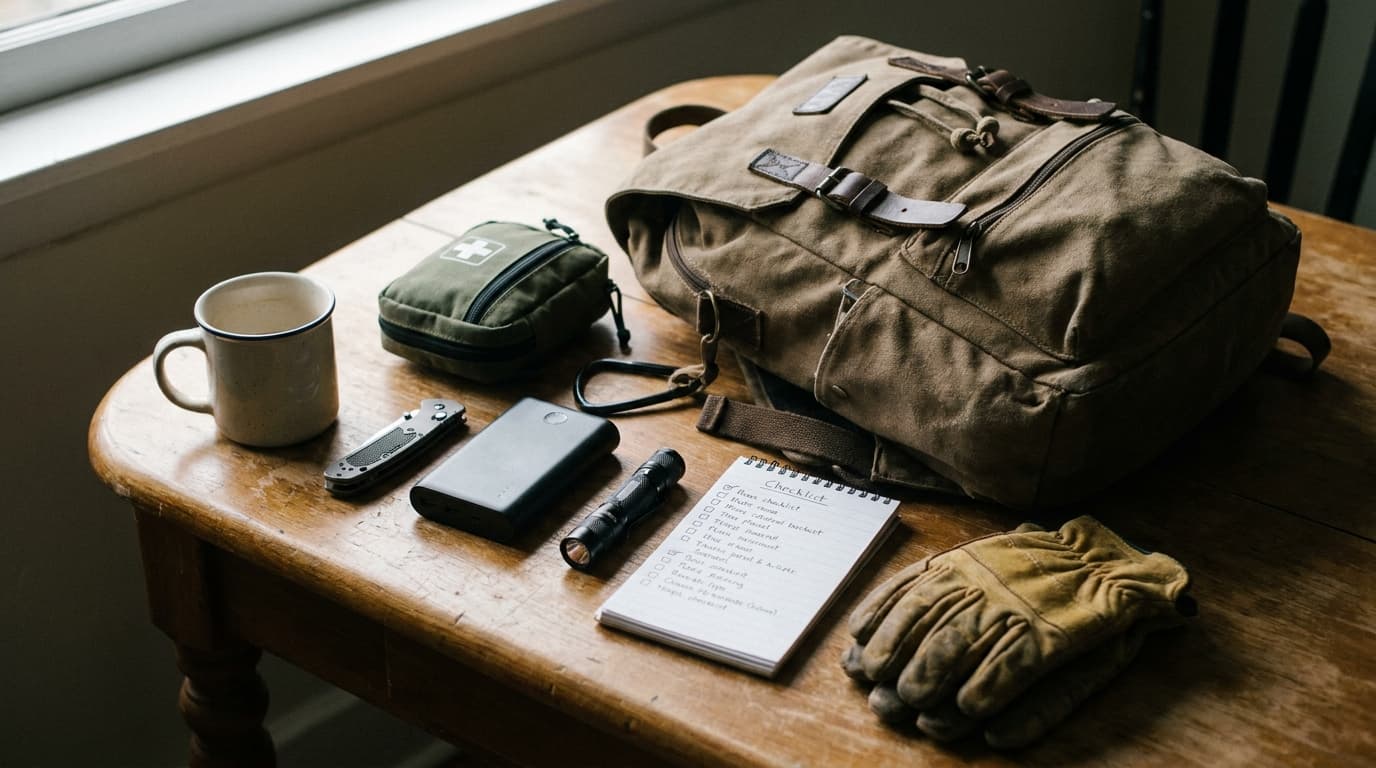
A bug out bag checklist for beginners focuses on one goal: keeping you safe and self-sufficient for at least 72 hours during an evacuation. This portable kit should contain enough...
Bug Out Bag Checklist for Beginners: Your 72-Hour Survival Guide
A bug out bag checklist for beginners focuses on one goal: keeping you safe and self-sufficient for at least 72 hours during an evacuation. This portable kit should contain enough food, water, and gear to sustain you when you can't rely on normal services.
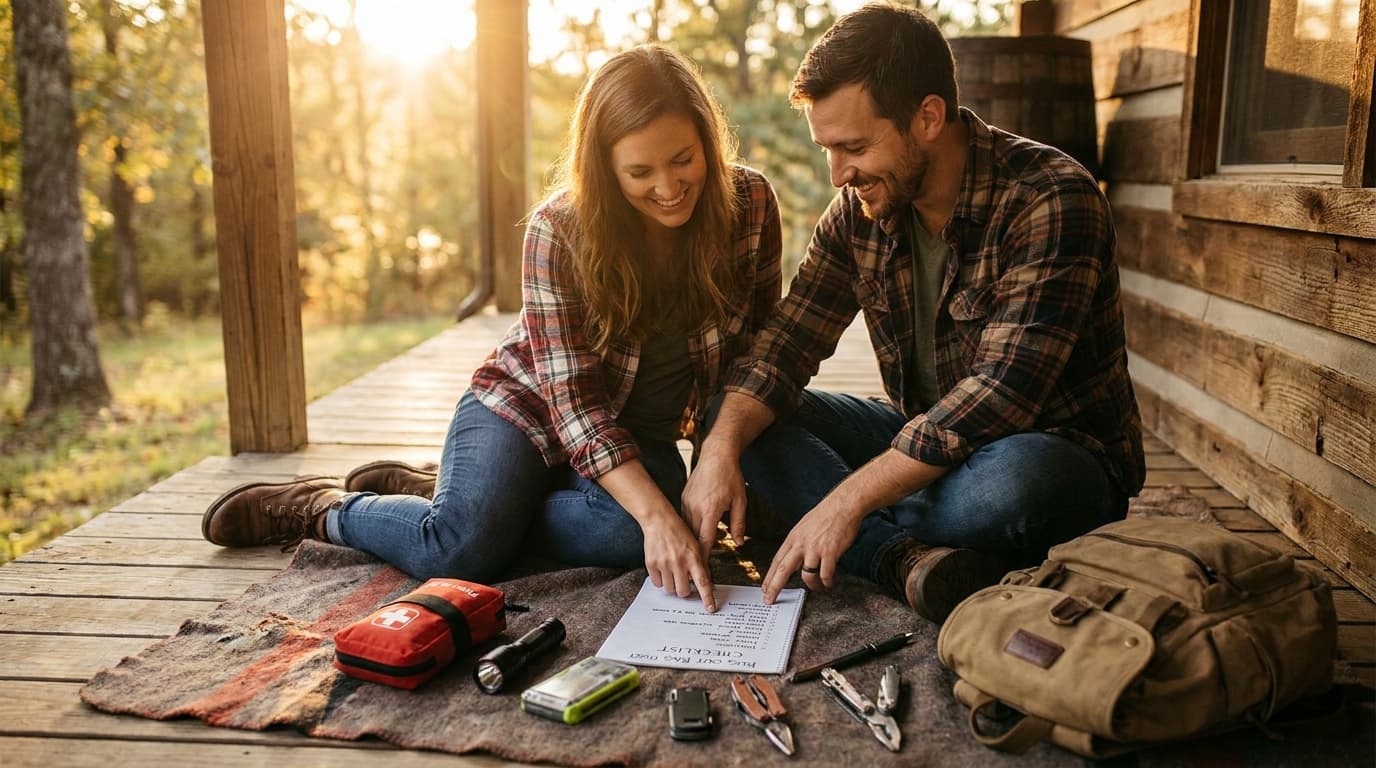
Preparation isn't about fear; it's about having peace of mind for your family. Whether it's a storm or a power outage, these essentials ensure you're ready to leave home at a moment's notice.
You'll learn how to choose a durable bag, what to include in your emergency food supply, and how to stay hydrated.
What goes into a 72-hour emergency food supply checklist?
Building a 72-hour food supply is about more than just throwing a few granola bars in a bag. Your goal is to pack 2,000 calories per day of non-perishable, high-energy food that doesn't need much water or any cooking. Focus on items like pull-top cans of protein, calorie bars, and dried fruit that stay fresh and provide the fuel you need when things get tough. You also need to plan for one gallon of water per person each day for drinking and basic hygiene to keep your body functioning properly.
Imagine a major storm knocks out the power and your electric stove becomes a giant paperweight. Instead of worrying about how to cook, you grab your bug out bag from the hall closet. You might have some freeze-dried meals like Mountain House for a warm dinner if you have a small stove, but you also have dense energy bars ready for quick fuel.
This approach turns your survival kit into a reliable home resource, just like expert Sean Gold recommends for staying prepared. Following guidelines from Ready.gov ensures you have the right balance of nutrition and hydration to handle an evacuation or a shelter-in-place situation without panic. Staying organized with small, manageable supplies makes a world of difference when you need to move fast.
Key insights:
Pick pull-top cans for meats and veggies so you don't have to hunt for a manual can opener in the dark.
Look for freeze-dried meals to keep your bag lightweight while still enjoying a calorie-dense dinner.
Store water in small, sturdy bottles rather than one giant jug to make it easier to carry and distribute.
Pack a few treats like chocolate or hard candy to boost morale and provide a quick sugar lift during high-stress moments.
Include a dedicated quart of water for every pet in the house to ensure they stay hydrated too.
Don't forget the water: 1 gallon per person
Water is your most vital resource. You need one gallon per person every day for drinking and basic cleaning. Since a bug out bag should last at least 72 hours, that means carrying three gallons total for a basic trip.
Imagine you are evacuating during a sudden heatwave without extra water on hand. If you didn't plan ahead, you will end up cutting into your own limited supply. Packing an extra quart in advance ensures everyone stays safe without cutting into your own survival stash.
Key insights:
Store water in small bottles rather than one heavy jug to distribute weight in your bag.
Check your water supply every six months to make sure nothing has leaked or expired.
Keep a small wrench handy to shut off your home water line before you leave.
How do I choose the best survival backpack for my bug out bag?
Picking the right survival backpack is about balancing capacity with your physical limits. You need enough space for 72 hours of gear, usually between 40 and 55 liters. While tactical bags are rugged, they can make you stand out in a crisis. In a city, a discrete 'Grey Man' bag like the 41-liter 5.11 COVRT24 is a better choice because it looks like a standard laptop bag. It is all about being prepared without looking like you are heading into a war zone.
A bug out bag is meant to help you get to a safer spot quickly, not weigh you down like a heavy anchor. If the bag does not fit your body, you will end up exhausted before you even get out of the neighborhood.
Here is the thing. You have to live with this bag on your back. If it hurts your shoulders after a few minutes of walking around your living room, it is definitely the wrong fit. Professional emergency managers like Sean Gold suggest that testing your bag fully loaded is the only way to know if it will actually work when things get real.
Key insights:
Pick a bag with a 40-55 liter capacity to balance storage and mobility.
Opt for a discrete 'Grey Man' style to blend into urban environments.
Prioritize internal frames or padded straps to help distribute weight during long walks.
Load your bag completely and wear it for thirty minutes to identify any painful pressure points.
Are water purification tablets enough for wilderness survival?
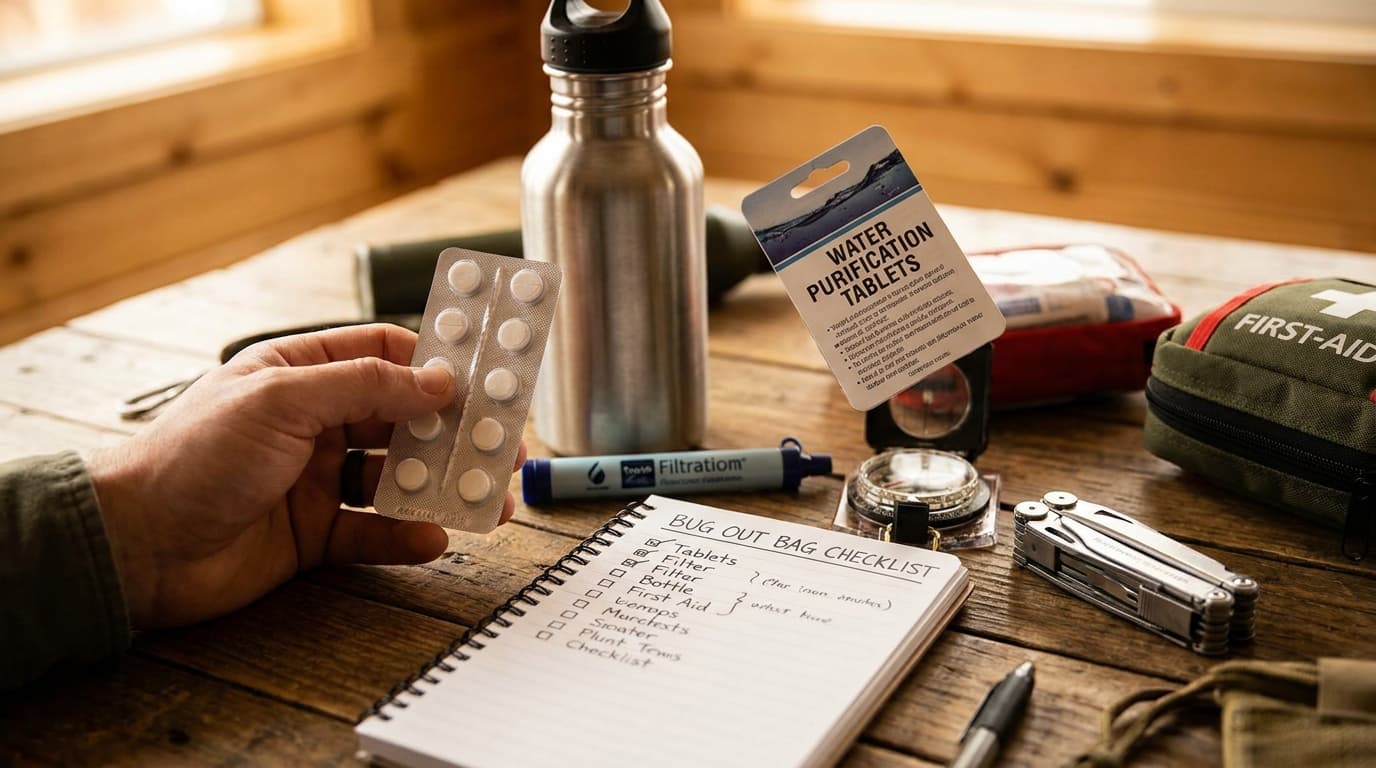
Water purification tablets are a solid backup for your survival kit, but they usually are not enough on their own. While they kill most bacteria and viruses, they often need at least 30 minutes to work before the water is safe to drink. They are tiny and easy to pack, which makes them great for a beginner bug out bag, but they do nothing to remove physical dirt or silt from your bottle.
Since ready.gov recommends one gallon of water per person per day for drinking and sanitation, you will be processing a lot of liquid during a 72-hour evacuation. Relying only on chemicals means you might spend several hours every day just waiting for your water to be ready. They work best as a secondary tool rather than your primary method for getting clean water on the move.
Imagine you have to scoop water from a murky stream or a slow-moving pond during an emergency. If you just toss in a tablet, you will end up drinking safe but crunchy and muddy water. You would need to strain that water through a bandana or a coffee filter first to get the big particles out before the chemicals can do their job. For example, many experienced preppers use a mechanical filter for speed and keep tablets as a backup in case that filter breaks.
Key insights:
Carry at least two ways to clean water, such as a portable filter for speed and tablets for a lightweight backup.
Strain murky water through a clean cloth or coffee filter to remove sediment before you use any chemical treatments.
Wait the full 30 minutes required by the tablet instructions to make sure the water is fully disinfected.
Store your water purification supplies in airtight plastic bags to keep them dry and ready for immediate use.
What camping essentials are vital for cold weather survival?
Survival in the cold is all about managing your body heat and staying dry. Hypothermia is a massive risk when you are outdoors, so your kit must focus on heat retention above everything else. You should use a layering system that starts with a wool base layer to pull sweat away from your skin. Add a fleece middle layer for insulation and finish with a waterproof outer shell to block the wind and rain.
Imagine you are forced to evacuate during a sudden winter storm. The roads are blocked and you have to move on foot to a nearby shelter. Without the right gear, the biting wind will drain your energy in minutes. But if you have a well-packed bag, you can pull out a Mylar space blanket to trap your warmth. These blankets take up almost no space but reflect your body heat back to you. They are literal lifesavers that fit in the palm of your hand.
You also need to think about how your body reacts to the cold. Staying hydrated is just as important in the winter as it is in the summer. Also, don't forget your personal health needs like daily prescriptions. A bug out bag is meant to sustain you for 72 hours while you move to a safer spot, so every item counts toward your comfort and safety.
Key insights:
Use the three-layer system with wool, fleece, and a waterproof shell to stay warm and dry.
Pack several Mylar blankets and hand warmers because they are light and save lives.
Store all your clothing and fire-starting tools in airtight plastic bags to protect them from moisture.
Choose a backpack with at least 55 liters of capacity if you need to carry thick winter layers.
Include a three-day supply of water and daily medications to stay healthy during an evacuation.
How do I keep my bug out bag ready for a real emergency?
A bug out bag isn't a set it and forget it project. Since it's meant to sustain you for at least 72 hours, it needs to be ready to go when things get dicey. But here's the thing: food expires, batteries leak, and life moves fast. If you don't check your gear regularly, you might find yourself in a real pinch with stale crackers and a flashlight that's totally dead.
When a local emergency hits, they grab the bag and head out, only to realize their gear no longer fits right or the canned food is way past its prime.
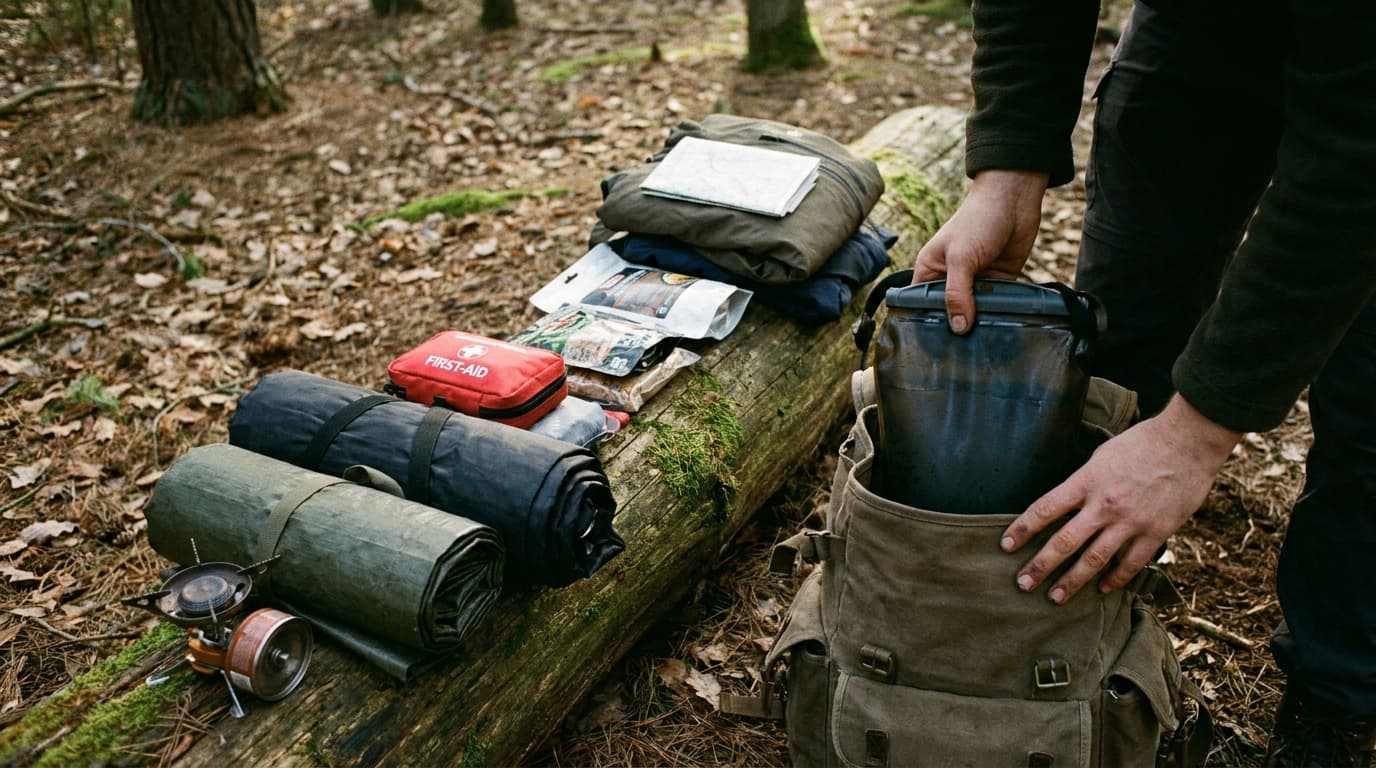
You also want to think about how you store everything to keep it fresh and dry. Keeping supplies in airtight plastic bags inside a durable 55-liter pack ensures that moisture doesn't ruin your gear before you even use it. It's all about being proactive so your gear stays functional whether you're using it for a quick evacuation or just as a backup resource for you and your pets at home.
Key insights:
Set a calendar reminder every six months to swap out old snacks and check your battery levels.
Audit your medications regularly to ensure they haven't expired and are still relevant to your current health needs.
Print physical copies of your ID and local maps so you aren't stuck if your phone or GPS dies.
Pack a wrench or pliers specifically to turn off your home's gas or water lines before you leave.
Update your kit with seasonal gear like extra warm blankets or more water for the summer months.
Frequently Asked Questions
The general rule is to keep your bag under 20% of your body weight, but the real test is how it feels after a mile of walking. You are aiming to survive for at least 72 hours, and the biggest weight culprit is usually water. Since you need about one gallon per person per day for drinking and hygiene, that is over 24 pounds of water alone for a three-day trip.
If you are new to this, do not just pack it and shove it in a closet. Put it on and walk around your neighborhood. You will quickly realize if your pack is too heavy or if the straps dig in. It is much better to find out your bag needs slimming down during a practice run than during a real emergency evacuation.
You can, and it is a decent way to get moving quickly, but most pros suggest building your own or at least heavily modifying a store-bought one. The problem with off-the-shelf kits is they are one-size-fits-all, but survival is personal. Customization is critical because your needs change based on where you live, your physical health, and who you are looking after.
Think about things like prescription meds, spare glasses, or gear for your pets. A pre-made kit will not have those specific items. Also, the backpacks in cheaper kits often are not built to last. It is usually better to buy a solid, durable bag and fill it with high-quality gear that you have actually tested yourself.
The Grey Man strategy is basically the art of blending in so you don't look like a prepper or a target during an emergency. Instead of wearing camouflage or tactical gear that screams you have supplies, you choose clothes and equipment that look totally normal for your environment.
In a city, this means using a discrete urban carry bag like the 41-liter 5.11 COVRT24 which is designed to look like a regular commuter backpack. Here is the thing, if things go sideways, you want to be the person nobody notices because looking like you are prepared can sometimes make you a target for people who are not.
Most water purification tablets will last between two and five years if they are stored correctly, but you will always want to check the date on the package. They are a staple for wilderness survival because they are so light, but they can lose their punch if they are exposed to heat or air.
To get the most out of them, keep your tablets in their original packaging inside an airtight container or bag. Also, remember that while these tablets are great for killing germs, they will not take out the grit or dirt from a stream, so you might still want a basic filter or a piece of cloth to strain the water first.
Conclusion
Preparing for the unknown does not have to feel like a scene from a movie. It is really about the quiet confidence that comes from knowing you can take care of yourself and your family for those critical first three days. When you combine a solid emergency food supply with a reliable way to clean water and a bag that actually fits, you move from being worried to being ready for whatever comes your way.
The most important thing to remember is that your bug out bag is a living project, not a museum piece. Your needs will change as the seasons turn or as your family grows. A great next move is to pack what you have today and take it on a short walk or a weekend camping trip. You will quickly learn if your bag is too heavy or if you need more wool socks for cold weather survival.
Building your kit is a journey that starts with a single bottle of water and a sturdy backpack. Take it one step at a time, keep your gear updated, and enjoy the peace of mind that comes with being prepared. You have got this.
Every WilderReady guide is researched, written, and fact-checked in-house against trusted references such as the American Red Cross, the National Park Service, and the CDC before it goes live. We publish under this shared byline instead of invented personas, so you always know who stands behind the guidance you are reading.