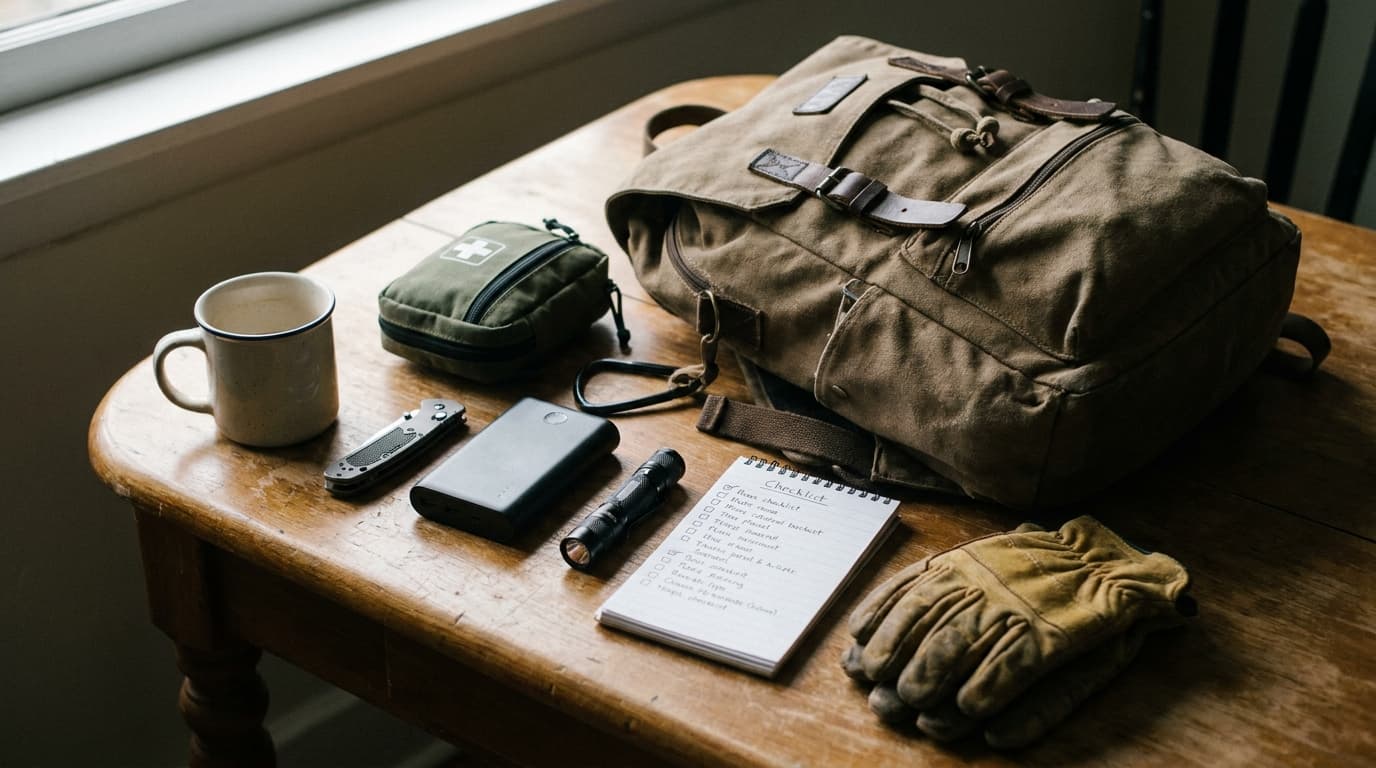
How to Pack a Bug Out Bag by Weight Priority, Not Just a List
Most people overpack because they follow a generic checklist. To stay mobile, you need to learn How to Pack a Bug Out Bag by Weight Priority, Not Just a List....
How to Pack a Bug Out Bag by Weight Priority, Not Just a List
Most people overpack because they follow a generic checklist. To stay mobile, you need to learn How to Pack a Bug Out Bag by Weight Priority, Not Just a List. This means sticking to a strict 20-pound budget where every ounce must earn its place.
Mobility is your biggest asset during an evacuation, but water and shelter alone can eat up half your weight limit. If your bag is too heavy to carry for ten miles, it's a liability, not a lifesaver.
You'll learn how to budget for water, choose ultralight shelter, and pick calorie-dense foods that keep you moving without the bulk.
Most people start with a long list of gear and try to jam it all into a bag. This is a mistake because weight is your biggest enemy in an emergency. Instead of checking boxes, you need a weight-budget mindset where every ounce must justify its existence. Since water alone weighs 8.35 pounds per gallon, a 3-day supply adds about 12 pounds to your pack immediately. If you follow a generic Bug Out Bag Checklist For Beginners Your 72 Hour Survival Guide without considering weight, you will end up with a bag that is a liability rather than a lifesaver.
Experts recommend keeping your total pack weight under 25 pounds, with a preferred target of just 20 pounds to ensure you stay mobile. Choosing a 30 to 40-liter backpack helps enforce this limit naturally because it prevents you from overstuffing the bag with heavy items you might never use. A lighter kit is not just for your own comfort; it ensures that elderly family members or children can actually carry their own supplies if you need to move quickly on foot. This is why you should prioritize high-calorie food and water purification over bulky gadgets and extra tools.
Imagine you have to evacuate on foot because the roads are blocked after a local disaster. You have ten miles to cover to reach a safe zone or a relative's house. If you are hauling a 50-pound bag filled with heavy canned food and massive batteries, you will likely be exhausted or injured within the first few miles. Now, compare that to carrying a streamlined 20-pound kit. You can move faster, stay alert to your surroundings, and keep going for hours without needing long breaks. In a real crisis, mobility is your greatest asset, and the person with the lighter bag is almost always more capable of reaching safety.
Aim for a total weight under 25 pounds to maintain mobility and reduce physical strain.
Choose a 30 to 40-liter pack to set a hard physical limit on how much gear you can bring.
Prioritize items that serve multiple purposes, like Doctor Bronner’s soap, to save precious ounces.
Test your kit by walking a few miles with it to see if the weight is actually manageable for your fitness level.
The 20-Pound Target: Your Mobility Threshold
The mobility threshold is the point where your pack weight begins to dictate your speed and safety. Once you exceed 25 pounds, your body consumes more energy, and your focus shifts from your surroundings to your physical discomfort. Keeping your kit at or below 20 pounds allows you to maintain a weight budget where every ounce is justified. This is especially important when selecting The Best Survival Gear For Urban Emergencies And Everyday Carry Essentials, as smaller, multi-purpose tools help you stay under this critical limit.
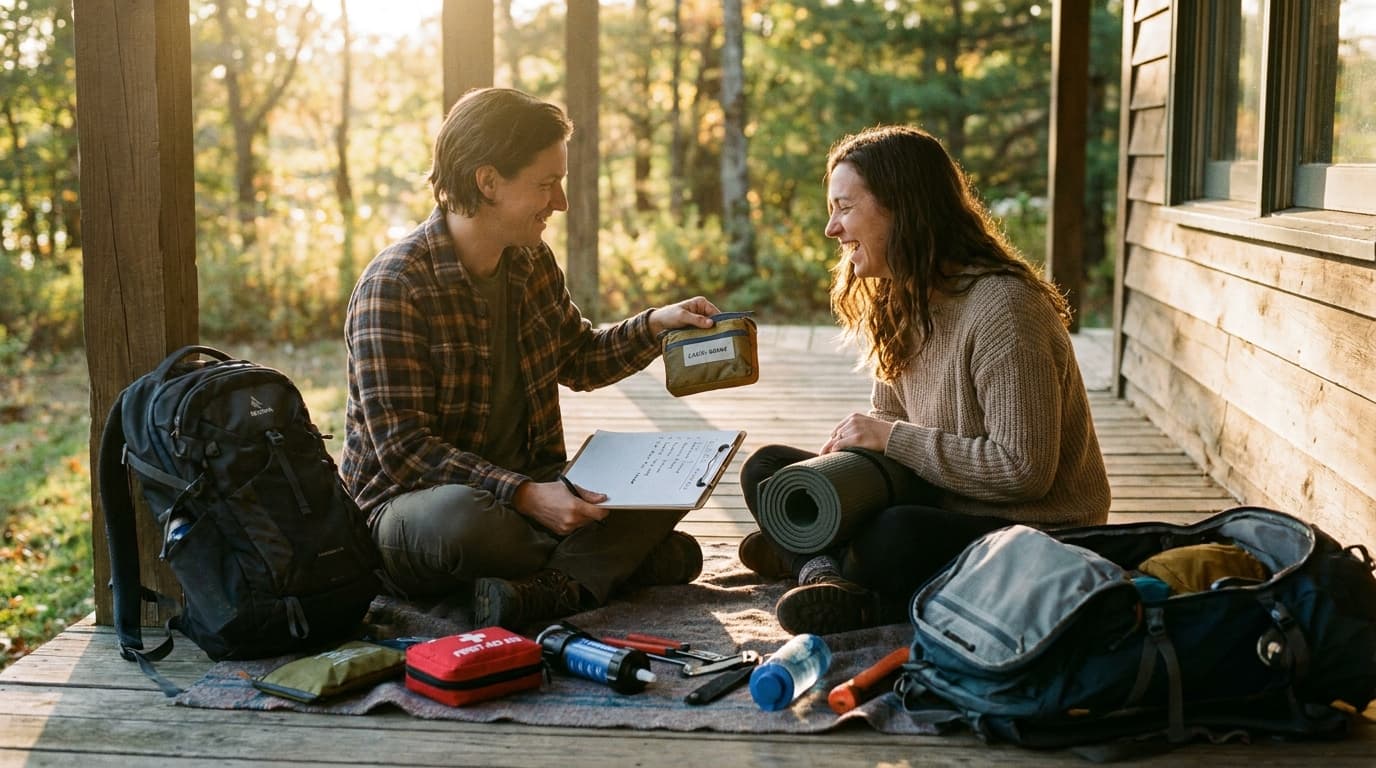
Take a family forced to leave their vehicle during a sudden evacuation. If the primary bags are too heavy, the most fit person ends up carrying the extra weight for others, which leads to total group fatigue. By ensuring every bag stays light, even a teenager or an older adult can contribute to the group's progress without needing frequent breaks. This shared mobility means the entire group stays faster and safer than a team weighed down by just in case items.
Stick to a 30 to 40-liter pack to prevent the temptation of overstuffing your kit with unnecessary weight.
This creates a massive conflict with your mobility goals. Expert consensus suggests keeping a realistic pack weight under 25 pounds, with a preferred target of 20 pounds. If water alone takes up 12 pounds, you have less than 8 pounds left for shelter, food, tools, and clothing. That is over 60% of your total weight budget spent on a single category.
To survive a long walk, you have to shift from carrying 'static' water weight to carrying 'processing' tools. Static weight is the water already in your jugs; processing weight is the filter or bottle that lets you clean water you find along the way. Reducing your starting carry to one liter can save you nearly 10 pounds of physical strain.
Imagine a family forced to evacuate on foot during a summer heatwave. One person packs three full gallons of water because they fear running out, while the other packs one liter and a small hollow-fiber filter. By mile four, the person carrying 25 pounds of water is exhausted, their pace has dropped to a crawl, and they are consuming more water just to manage the physical exertion of the heavy load.
The person with the filter moves faster and stays cooler because they aren't fighting a massive pack. When they find a stream or even a park fountain, they refill their small bottle and keep moving. In a real-world emergency, your ability to stay mobile is often more important than having a massive stockpile on your back.
This weight-budget approach is especially vital when considering The Best Survival Gear For Urban Emergencies And Everyday Carry Essentials. In a city, water is often available in pipes or tanks, so carrying 12 pounds of it is usually a waste of energy that could be better spent on navigation or personal safety.
Carry a single-wall stainless steel bottle because it allows you to boil water directly over a fire as a last-resort purification method.
Pack a hollow-fiber filter to quickly remove sediment and bacteria from moving water sources without waiting for chemicals to work.
Include a small pack of purification tablets as a lightweight backup for treating large batches of water while you sleep or walk.
Identify at least three potential water waypoints along your primary evacuation route to minimize how much liquid you need to carry at once.
Use a collapsible water bladder to store extra capacity only when you know the next water source is miles away.
Shelter Systems That Save Weight Without Sacrificing Safety
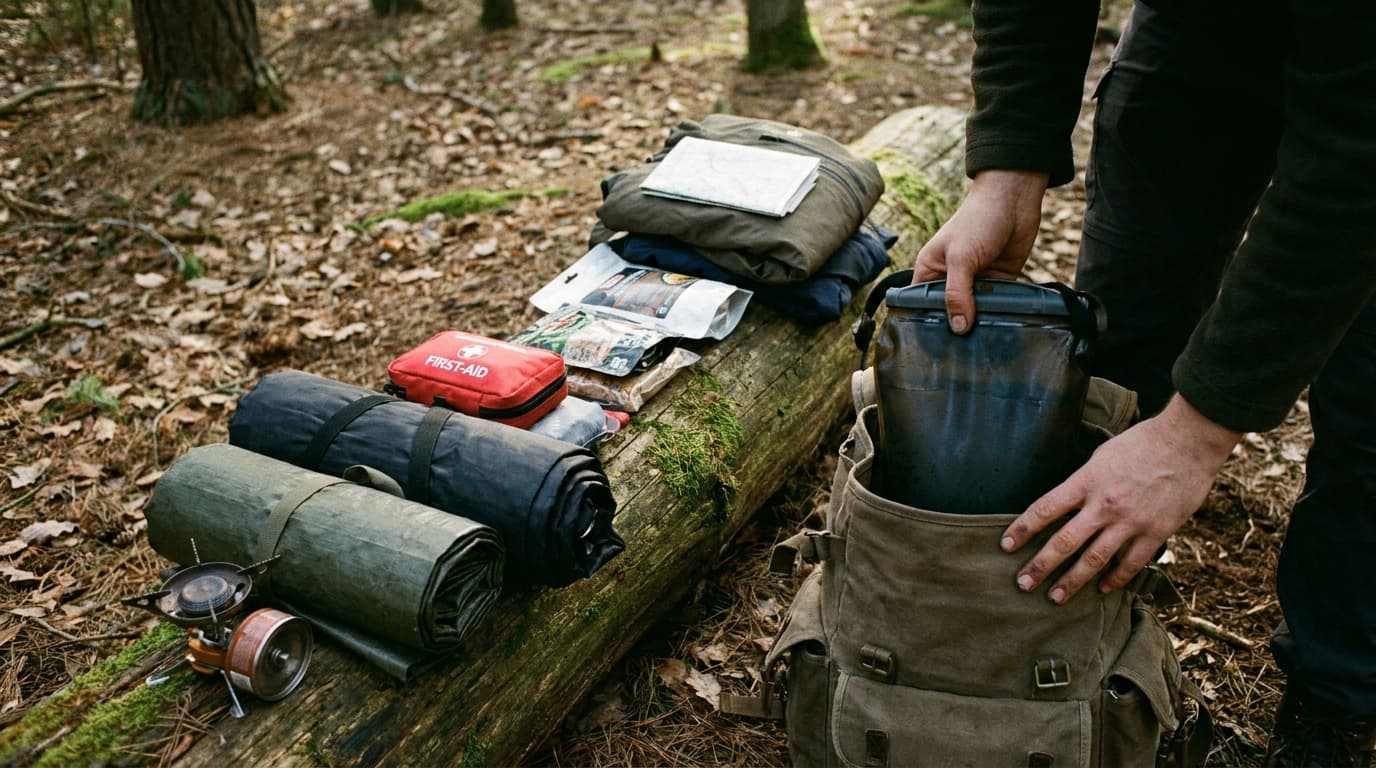
Most people think of a tent as the gold standard for shelter. But when you are on the move during an emergency, a traditional five-pound tent is a massive liability. Every ounce you save on your shelter is an ounce you can spend on extra food or a lighter pace. By switching to ultralight materials, you can cut your shelter weight by sixty percent or more without leaving yourself exposed to the wind and rain. This approach shifts the focus from camping out to moving through a crisis.
Imagine a solo traveler trying to make it to a relative's house twenty miles away during a sudden storm. If they are lugging a bulky dome tent, they will likely stop sooner because of physical fatigue. Now, compare that to someone using a sil-nylon tarp and a thermal bivy. This setup fits in a side pocket and weighs less than two pounds. They stay dry, keep their body heat, and have the energy to keep walking because they aren't fighting a heavy pack. It is the difference between a grueling slog and a manageable trek.
This weight-budget mindset is what separates a real-world survivalist from a casual camper. It is about prioritizing protection over comfort. Using outdoor hacks and tricks for DIY camping gear shelters and survival allows you to adapt to your environment rather than carrying a house on your back. You aren't just saving weight; you are buying speed and stamina. Since water and food already consume so much of your capacity, your shelter must be as lean as possible to keep your pack under the recommended 25-pound limit.
Choose a sil-nylon tarp for its incredible strength-to-weight ratio and compact size.
Combine your tarp with a thermal bivy to trap body heat and provide a secondary layer of waterproofing.
Use trekking poles or found branches to pitch your tarp instead of carrying dedicated heavy tent poles.
Keep your entire shelter system under two pounds to ensure your total pack stays within a mobile weight range.
Practice setting up your tarp in different configurations before an actual emergency happens so you can adapt to any terrain.
Calorie Density: Packing for Energy, Not Comfort
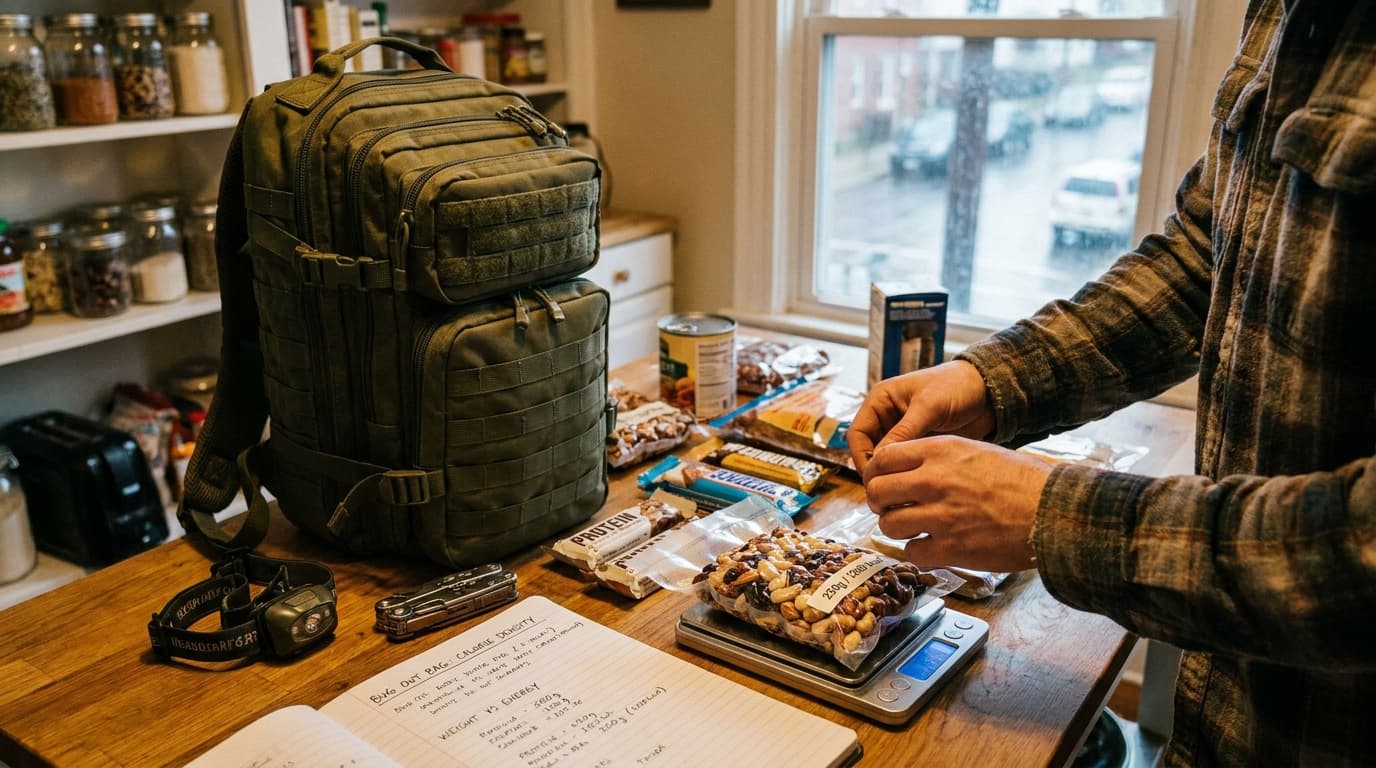
When you are planning your bug out bag, food is often where weight budgets go to die. Most people reach for comfort items like heavy canned soups or bulky boxes of crackers. But in a real evacuation, every ounce matters because you are likely carrying a 3-day water supply that already weighs 12 pounds. To stay mobile, you need to ignore your taste buds and focus on calorie density. The goal is to pack between 2,500 and 3,000 calories for each day while keeping the total food weight under 3 pounds.
This means choosing foods that offer the most energy for the least amount of weight. Dry roasted macadamia nuts are a gold standard here because they provide a massive 8.2 calories per gram. Compare that to a standard can of beef stew. The stew might be comforting, but it is mostly water and a heavy steel container. You would need to carry several pounds of cans just to hit your daily energy needs. Following a bug out bag checklist for beginners can help you identify these heavy offenders before they slow you down.
Imagine you are on foot, trying to reach a safe location ten miles away. If your bag is stuffed with heavy cans, your pace will slow and your back will ache. Now, picture swapping those cans for a few vacuum-sealed bags of macadamia nuts and some high-calorie emergency bars. You have the same amount of energy to keep your body moving, but your pack feels significantly lighter. This is not about enjoying a gourmet meal. It is about fueling your engine so you can reach safety before you run out of steam.
Calculate the calorie-to-weight ratio of every food item before it goes into your bag.
Swap out heavy canned goods and wet foods for dehydrated or naturally high-fat options like nuts and nut butters.
Aim for a total of at least 7,500 calories for a 72-hour kit to maintain your energy during high-stress movement.
Repackage bulky store-bought snacks into smaller freezer bags to save space and reduce trash weight.
Choose items that do not require cooking or extra water to prepare so you can eat on the move.
The Grey Man Strategy: Choosing a Discrete Pack
Choosing a bag that looks like a standard school or hiking pack is a strategic safety choice. Military-style gear with camouflage or webbing signals to everyone that you are carrying valuable supplies. In an emergency, you want to blend in rather than stand out as a target for desperate people. Sticking to a bug out bag checklist for beginners helps you organize, but the container itself should remain unremarkable. Experts suggest an ideal pack capacity of 30 to 40 liters to keep you from overpacking and exceeding the 25-pound mobility limit.
Imagine you are navigating a crowded municipal evacuation center or a busy train station during a city-wide power outage. If you are wearing a tan tactical backpack with patches and external pouches, people may assume you have food or tools they lack. Now, picture yourself with a dark blue or grey commuter backpack. You look like just another traveler, which allows you to move through the crowd without being stopped or questioned about your gear.
This strategy extends to what is inside the bag too. Instead of carrying five different specialized cleaning kits, use multi-use items to save precious ounces. Dr. Bronner's soap is a classic example because it handles your body, your dishes, and your clothes. Every inch of space saved by using versatile items means more room for critical needs like water, which weighs about 8.35 pounds per gallon.
Pick a pack in neutral colors like navy, charcoal, or forest green to avoid a military appearance.
Limit your pack size to 40 liters to ensure you stay under the 20-pound preferred weight target.
Swap single-use toiletries for multi-purpose alternatives like Dr. Bronner’s soap or dental floss for gear repairs.
Hide high-value items like your $1,000 emergency cash in deep, internal pockets rather than external pouches.
Use internal dry bags or Ziploc liners to waterproof gear instead of attaching bulky rain covers to the outside.
Essential Tools and the $1,000 Cash Rule
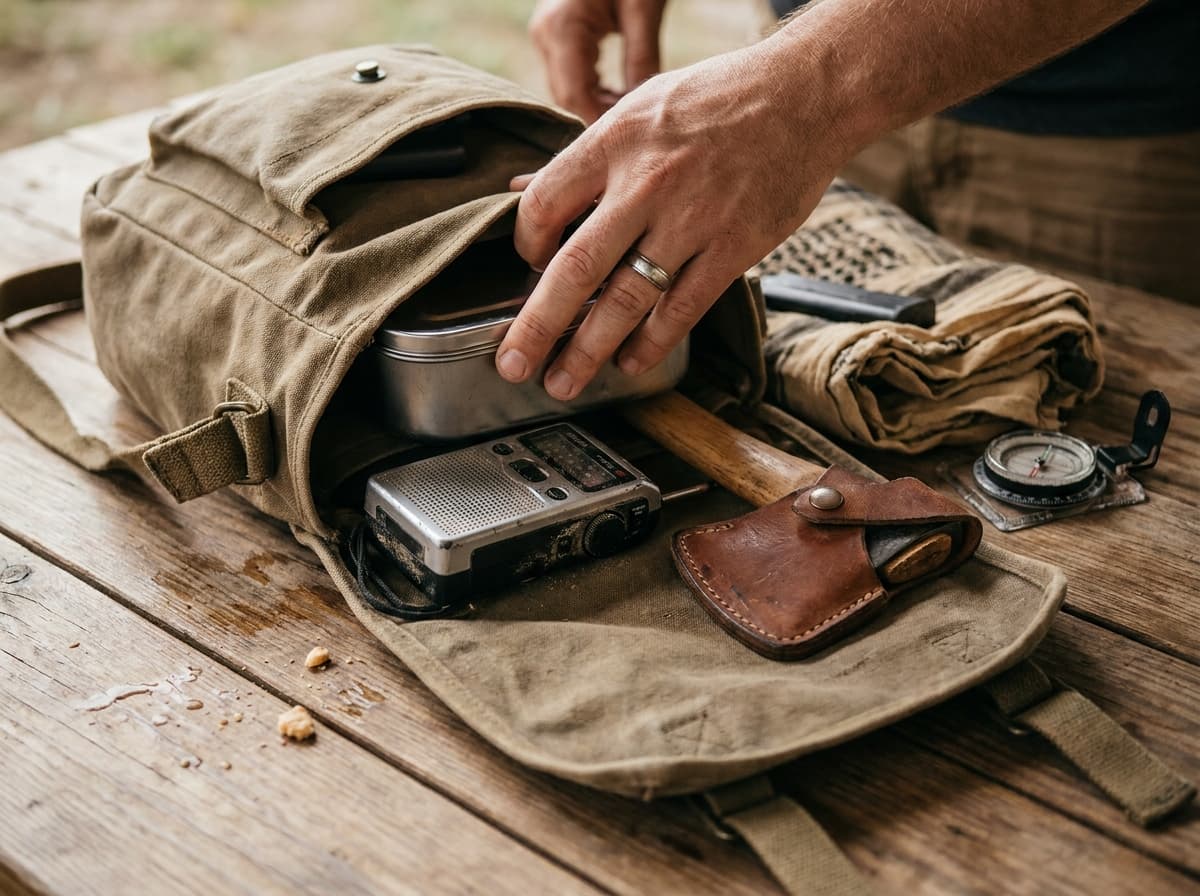
Most people pack for a wilderness survival movie when they should be packing for a broken credit card machine. In a real evacuation, like a flood or wildfire, the most useful tool isn't a third folding knife. It is the ability to pay for a hotel room or a tank of gas. Since you are working with a strict 20-pound weight budget, you have to cut the survivalist gear to make room for items that solve modern problems.
Imagine you are evacuated due to a chemical spill and the local power grid is flickering. You pull into a gas station twenty miles away, but their credit card system is offline. While others are stuck arguing with the clerk or searching for an ATM that isn't working, you reach into your bag for twenty-dollar bills. That cash, combined with a simple phone charger to keep your communication lines open, gets you a warm bed at a motel while the person with 100 feet of paracord is sleeping in their car.
The reality is that the best survival gear for urban emergencies often looks like everyday items rather than tactical equipment. Experts recommend carrying at least $1,000 in cash in your bag to cover emergency lodging, fuel, and repairs. This cash weighs almost nothing compared to a heavy hatchet but provides far more utility in most likely disaster scenarios.
Stash $1,000 in small denominations like tens and twenties to ensure you can get change from vendors.
Prioritize a high-quality wall plug and long charging cable over heavy solar panels that only work in direct sun.
Limit yourself to one multi-tool instead of carrying multiple fixed-blade knives to save weight for batteries.
Keep your emergency funds in a waterproof bag or deep internal pocket to protect them from the elements and theft.
Frequently Asked Questions
You'll want to keep your total pack weight under 25 pounds, though many experts recommend a preferred target of 20 pounds to ensure you stay mobile. If your bag is heavier than that, you're likely to tire out quickly or hurt yourself if you have to walk for several hours.
A good way to force yourself to stay within this limit is to use a pack with a capacity of 30 to 40 liters. This size acts as a physical budget, making it much harder to overpack with heavy, unnecessary gadgets that don't fit your primary survival needs.
Water is dense and impossible to compress, weighing about 8.35 pounds per gallon. Since a basic three-day supply for one person is roughly 1.5 gallons, you are looking at adding 12 pounds to your back just for hydration, which can easily take up half of your total weight budget.
Because of this weight penalty, it's smart to rely on redundancy. Instead of carrying all the water you'll need, carry a small amount and pack lightweight tools like a hollow-fiber filter or chemical tabs. This lets you treat water from local sources on the fly rather than hauling every single drop from the start.
You should look for foods with the highest fat content because fat provides more than twice the energy of carbs or protein. Dry roasted macadamia nuts are a top choice because they provide about 8.2 calories per gram, making them one of the most efficient fuels you can carry.
Here is the thing many people forget: try to avoid foods that require cooking. If you pack dehydrated meals that need boiling water, you also have to carry a stove, fuel, and extra water for the pot. Choosing ready to eat, high fat snacks allows you to leave the heavy cooking gear behind and saves you significant space and weight.
For most situations, a regular hiking pack in a neutral color is the smarter choice. Tactical bags are often made of heavy materials like 1000D Cordura, which adds unnecessary pounds to your base weight. Since a realistic goal is to keep your bag under 25 pounds, starting with a heavy empty pack makes your job much harder.
Also, tactical gear draws unwanted attention. In a real evacuation, you want to blend in with the crowd rather than looking like someone who is carrying expensive survival gear. A standard 30 to 40 liter hiking pack is built for comfort over long distances and keeps you looking like an average traveler.
Conclusion
Building a bug out bag is not about checking boxes on a list until your pack is overflowing. It is about managing a strict 20 pound budget where every ounce has to earn its spot. When you prioritize weight, you are choosing mobility over comfort. You are deciding that being able to walk ten miles without collapsing is more important than having a heavy tent or extra sets of clothes.
Water and shelter will always take up the biggest slice of your weight budget, so you have to be smart about the rest. This means choosing calorie dense food and multi use tools instead of heavy gear. Your next move is simple. Grab a scale, weigh your current bag, and start cutting anything that does not help you stay mobile or hydrated.
The bottom line is that a perfect survival kit does not exist if you cannot lift it. Focus on what you actually need to survive for three days and leave the rest behind. The best bag is always the one you can actually carry when it matters most.
Every WilderReady guide is researched, written, and fact-checked in-house against trusted references such as the American Red Cross, the National Park Service, and the CDC before it goes live. We publish under this shared byline instead of invented personas, so you always know who stands behind the guidance you are reading.