Staying Safe in the Wild: The Gear That Actually Matters When You're Lost
Ever feel like the woods get a bit too quiet once the sun starts to drop? Imagine you are out there and your phone suddenly dies. It is a spooky thought, but it is exactly why we carry a survival kit. Staying safe is not about having a backpack full of fancy gadgets, but about having the right lifelines when things go sideways.
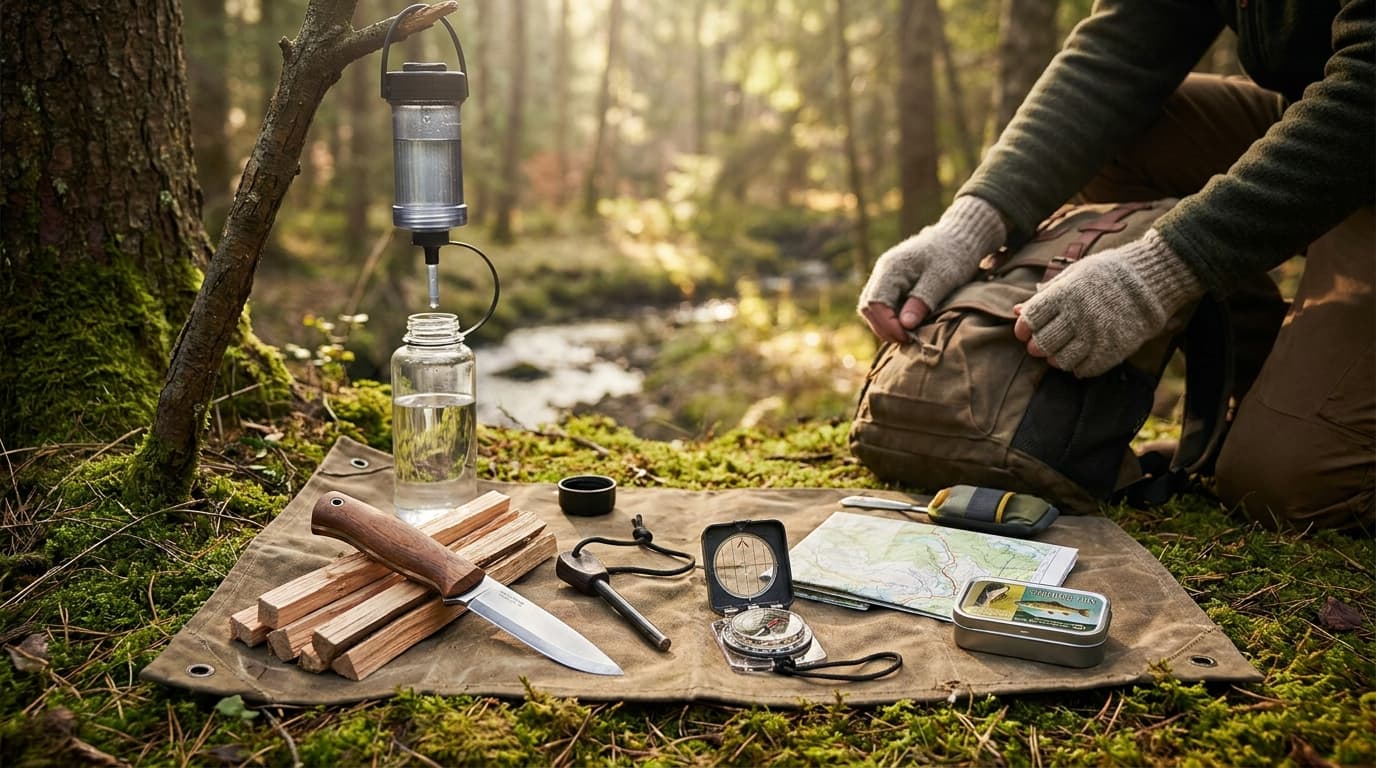
Picking the best bushcraft knife for wood processing and fire prep is the first step toward true self-reliance. Your knife is your best friend in the wild because it helps you build shelter and get a fire going when you are cold. We also look at hydration, specifically comparing a gravity water filter vs straw filter for base camp or when you need to move fast.
This guide covers essential survival gear for lost in forest scenarios, including reliable navigation tools for when phone gps fails and why a compact fishing kit for wilderness survival is great for keeping your energy up. We will help you build a kit that supports your skills so you can stay calm and prepared, no matter where the trail leads.
Imagine you're deep in the woods and the trail vanishes. In that moment, the difference between a camper and a survivor is a shift toward self-reliance. Your gear isn't just a collection of conveniences; these tools are lifelines. As Jack Green from BeaverCraft Tools says, gear isn't a shortcut around skill. It simply helps you work with nature more efficiently.
A solid kit starts with cutting tools - a bushcraft knife, saw, and axe. These are your main helpers for fire prep and shelter. But remember, a tool is only as good as the person holding it. Whether you use modern gear or traditional flint and steel, your equipment should supplement your knowledge, not replace it. Staying safe means having a layered approach to essentials like fire and water.
Key insights:
Tools are meant to support existing skills, not act as a replacement for wilderness knowledge.
A bushcraft knife, saw, and axe form the essential trinity of survival cutting tools.
True self-reliance involves a layered approach to fire-starting and water purification.
The Heart of Your Kit: Choosing a Knife for Wood and Fire
When you are out in the woods and the sun starts to dip below the trees, your knife becomes much more than a piece of steel in a sheath. It is the core of your kit. Think of it as your primary partner for wood processing and fire prep. Expert Jack Green from BeaverCraft Tools points out that these tools are not just shortcuts. They support your self-reliance by helping you build shelter and make fire more efficiently. If you are lost, a reliable knife is a lifeline that keeps you safe and prepared.
For wood processing, a full tang knife is non-negotiable. This means the steel runs all the way through the handle. Why does this matter? Because when you need to split a log to get to the dry wood inside, you will likely be hitting the back of your knife with another branch. A partial tang might snap under that pressure, leaving you with a broken tool when you need it most. While a small carving knife is great for fine tasks, a survival workhorse needs that extra strength to handle the heavy lifting of wilderness survival.
Your knife also doubles as your most important fire-starting tool. You can use it to shave fine curls of wood or scrape a ferro rod to create sparks. It is all about how the tool works with your skills. Some people prefer traditional carbon steel because it is easy to sharpen in the field and works well with flint. Others like stainless steel because it resists rust in wet environments. Both have their place, but the right choice depends on where you plan to spend your time and how much maintenance you want to do.
What exactly makes one knife better than another for bushcraft? It often comes down to the blade geometry. A blade designed for splitting needs a different edge than one meant for fine carving. You also have to think about the handle. If you are spending hours prepping wood for a fire, a handle that feels good in your hand is vital. If the grip causes hot spots or blisters, you will struggle to get the job done. Brands like Self Reliance Outfitters and BeaverCraft even offer free shipping on larger orders, making it easier to get these high-quality tools into your hands before your next trip.
The reality is that tools are just a supplement to your actual skills. You could have the best knife in the world, but it only works as well as the person holding it. Whether you choose a classic Morakniv or a heavy-duty axe, the goal is to have a kit that helps you stay safe when phone GPS fails and you are on your own. A layered approach to your gear ensures you are ready for anything the forest throws your way.
Key insights:
A full tang construction is essential for heavy tasks like batoning wood without breaking the tool.
Carbon steel is preferred for traditional fire starting while stainless steel offers better rust resistance in damp woods.
Blade geometry determines if a knife is better for splitting heavy logs or carving fine survival tools.
Handle ergonomics are just as important as the blade for preventing injury during long hours of field work.
What Makes a Great Bushcraft Knife?
Imagine trying to start a fire with wet wood and a dull blade. A solid knife is the heart of your gear, but it isn't a magic wand. These tools support your self-reliance rather than replacing your skills. The best bushcraft knife for wood processing and fire prep has to balance two jobs. It needs the strength to split logs and the precision to carve fine curls for tinder.
Comfort matters most. If the handle doesn't fit your hand, you'll get blisters before the wood is ready. You also have to choose between carbon and stainless steel. Carbon is easy to sharpen on a stone but can rust. Stainless resists the rain but is harder to fix in the field.
Your cutting tools are the lifelines that keep you safe. A knife, saw, and axe form the core of any kit. It's also worth checking sites like BeaverCraft for deals on shipping when you stock up. Just remember that the best gear is the stuff you actually know how to use.
Key insights:
Tools are a supplement to skill, not a replacement for it.
A knife, saw, and axe form the core of any bushcraft kit.
Blade geometry must balance heavy splitting with fine carving tasks.
Gravity vs. Straw: Which Water Filter Should You Carry?
Imagine you are deep in the woods and your throat feels like sandpaper. You finally find a clear stream, and you need a drink right now. In this moment, a straw filter is your best friend. It is built for speed and lets you drink directly from the source without stopping for long. It is light, fits in a pocket, and gets the job done when you are on the move. But once you reach your campsite and the sun starts to set, the situation changes. You need water for a hot meal and to fill your bottles for tomorrow. This is where the choice between a straw and a gravity system really matters for your comfort and safety.
Gravity filters are the clear winners for a base camp. You simply fill a reservoir bag, hang it from a sturdy branch, and let physics do the heavy lifting while you focus on other tasks. While you are busy gathering wood or setting up your shelter, the water cleans itself. It is a hands-off way to stay hydrated that provides a large volume of water for a whole group. Think of it this way: a straw is for the journey, but a gravity bag is for the destination. It turns the chore of water prep into a passive task that saves you time and energy.
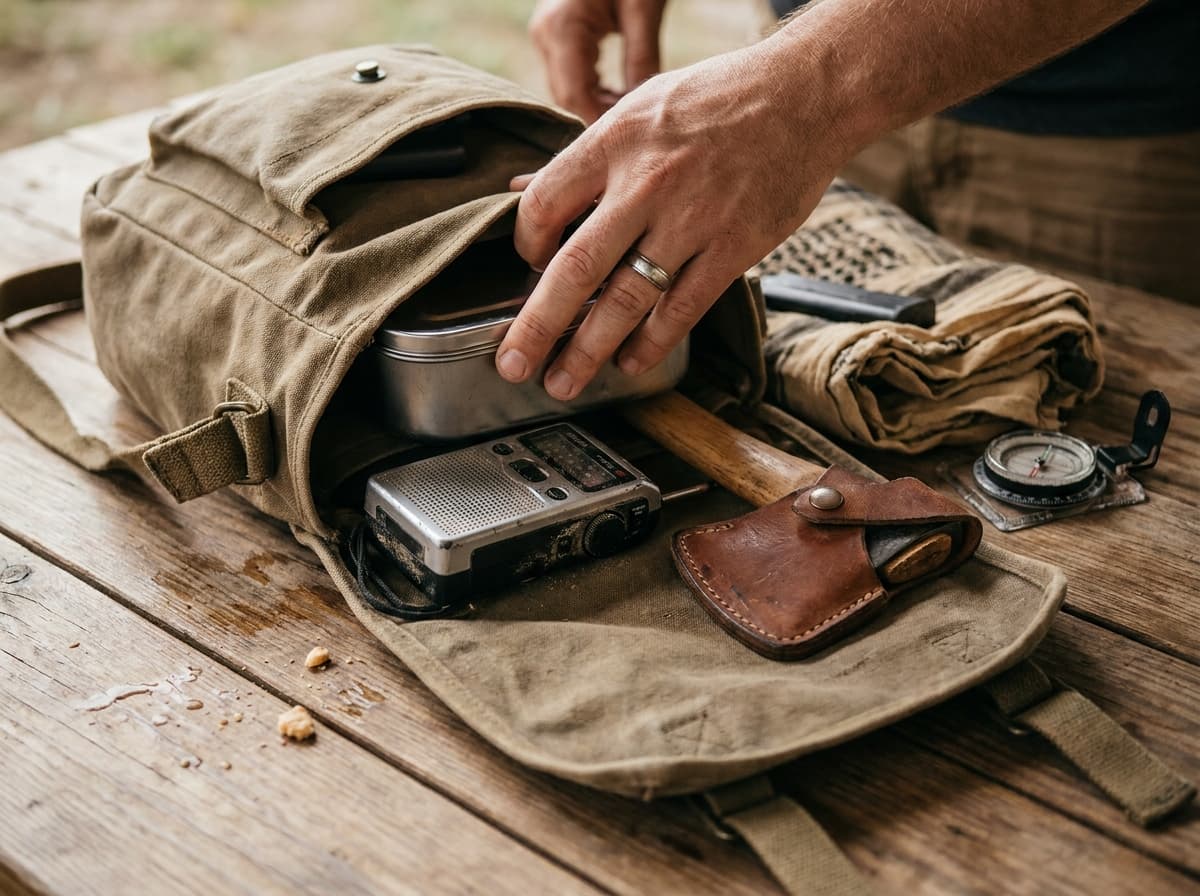
The smartest way to handle water in the wild is a layered approach. Filtering is a great first step for removing dirt and most bugs, but it is not always a complete solution. For true safety in a survival scenario, you should also consider boiling your water in a metal canteen. As the experts at BeaverCraft Tools explain, survival essentials are lifelines that keep you safe and nourished rather than just being convenient gadgets. A filter is your first line of defense, but heat is your final insurance policy against getting sick when you are miles from help.
There are times when a straw filter simply is not enough to get the job done. Sucking water through a tiny tube for every single drop you need is a physical workout that can wear you down over a long trip. If the water is full of silt and mud, the effort becomes even harder. This is why many experienced bushcrafters still carry a Millbank bag. You use this simple canvas bag to strain out the heavy sediment first. It is an old-school trick that protects your modern filter from clogging and makes the drinking process much easier on your lungs.
Reliability is everything when you are relying on gear to stay healthy. Brands like Sawyer and Grayl are staples in the community for a reason. A Sawyer Squeeze is a versatile workhorse because it can be used as a straw or adapted into a gravity kit if you have the right bags. However, you must remember that your tools are only as good as your skills. Jack Green from BeaverCraft Tools often points out that gear is a supplement to self-reliance, not a shortcut around it. If your filter breaks or freezes, your knowledge of how to find and treat water is what will actually keep you safe.
Key insights:
Straw filters are ideal for fast hydration on the trail but can be physically exhausting for processing large amounts of water.
Gravity systems provide a hands-off way to filter water at camp, allowing you to focus on fire prep or shelter building.
Using a Millbank bag to pre-filter sediment is a vital step to prevent modern filters from clogging in murky water.
A layered approach that combines mechanical filtration with boiling provides the best protection against wilderness waterborne illnesses.
Tools like Grayl and Sawyer filters are excellent, but they should always be backed up by traditional survival skills.
When a Straw Filter Just Isn't Enough
Have you ever tried to stay hydrated while lying face-down in the mud? That is the reality of using a straw filter for every drink. While they work for quick sips, trying to fill a canteen or prep water for cooking this way is exhausting. Your jaw will likely give out long before you have enough water for a base camp.
Then there is the muck. If your source is full of silt, a straw filter clogs almost immediately. This is where a Millbank bag earns its keep. By straining out the heavy sediment first, you protect your gear and keep the water flowing. It is a simple way to make your high-tech filters last much longer.
For volume, brands like Grayl or Sawyer are much more reliable. These tools are lifelines that support your self-reliance, letting you focus on fire and shelter instead of struggling for a sip. Choosing the right gear means you spend your energy on what matters most in the woods.
Key insights:
Straw filters are great for emergencies but physically taxing for large volumes.
Pre-filtering with a Millbank bag prevents sediment from clogging expensive gear.
A layered approach to water ensures you have enough for both drinking and cooking.
What to Pack for Those 'Lost in the Forest' Moments
Getting lost in the woods is rarely just about a map failure. It is a mental game where your head can be your own worst enemy. When the trail disappears and the trees start looking identical, panic is usually the first thing to show up. This is why having the right survival essentials matters so much. These items are not just conveniences but are lifelines that keep you safe and fed. Having a solid kit gives you a huge psychological boost because it shifts your mindset from being a victim of the woods to being a resident. As Jack Green from BeaverCraft Tools says, these tools do not replace your skills, they just help you work with nature more efficiently.
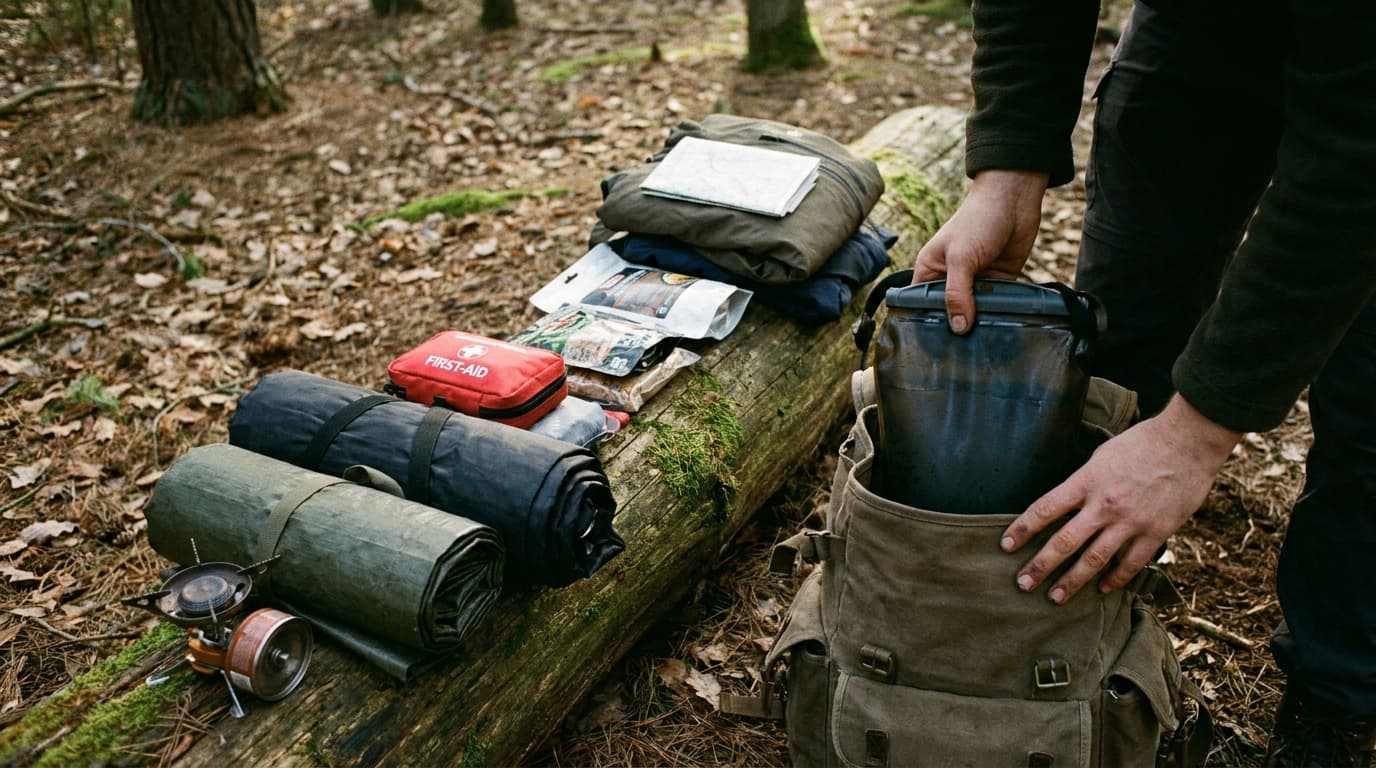
When you are picking out your gear, the shelter you choose is a big deal. You will likely find yourself choosing between traditional oilskin and modern lightweight nylon. Oilskin is tough as nails and shrugs off campfire sparks, but it is heavy. Modern nylon or Dyneema is great for staying mobile. Many people actually mix both, using old school tools with high tech bags. While you are shopping, keep an eye on shipping costs. Self Reliance Outfitters covers U.S. orders over 125 dollars, and BeaverCraft does the same for orders over 99. It makes a difference when you are buying heavy items like a bushcraft knife, saw, and axe.
Do not forget the small stuff that does the heavy lifting. Cordage like 550 paracord is basically your best friend out there. It is the multi tool of the string world, useful for everything from building a lean to to fixing a broken boot lace. You also want to think about navigation. When your phone GPS inevitably dies, you will be glad you have a compass and map tools. Using things like ranger pace beads and all weather notebooks might feel old fashioned, but they work when the batteries do not. It is all about having layers of backup for your most basic needs like fire, water, and finding your way home.
Then there is the question of food. Hunting sounds like a great survival plan until you realize how much energy it actually takes. That is where a compact fishing kit comes in. It is more than just a hobby; it is a way to get calories without burning them all off first. The smartest move is using passive fishing methods. You set your lines and then go back to improving your shelter or gathering wood. A pocket sized rig with some hooks and line can provide a steady stream of protein while you focus on the bigger picture. It is a simple and effective way to stay nourished when things get tough.
Key insights:
Survival gear provides a mental edge that helps prevent panic in emergencies.
A mix of traditional and modern materials offers the best balance of durability and weight.
Passive food gathering saves vital energy compared to active hunting.
Layering your tools ensures you have backups for fire, water, and navigation.
The Compact Fishing Kit: More Than Just a Hobby
Think about the energy you waste trying to hunt a squirrel or track a deer when you are already exhausted. It is usually a losing game! This is why a compact fishing kit is a total survival win. While hunting burns through your calories, a few hooks and some bank line let you gather food while you focus on fire or shelter. It is all about being smart with your energy.
A solid pocket rig is super simple. You just need hooks, weights, and some sturdy bank line. The real magic happens with passive methods like trotlines. You set them, walk away, and let the water do the work for you. These tools are lifelines for your safety and nourishment. They do not replace your skills, but they make staying alive much easier when you are out in the wild.
Key insights:
Passive fishing allows you to gather food while working on other survival tasks like shelter building.
A few hooks and bank line weigh almost nothing but provide a much higher caloric return than active hunting.
When the Phone Dies: Navigation Without a Screen
Picture this: you are miles from the trailhead, the temperature is dropping, and your phone suddenly shuts down because the battery could not handle the chill. It is a common trap. We have become so used to a blue dot on a screen that we forget how fragile that technology is. Relying only on GPS is a gamble that eventually loses. A physical map and a compass, however, are always on. They do not need a signal, and they definitely do not need a charging cable. They provide a level of certainty that digital tools just cannot match when things go wrong.
To stay truly on track, you need to know how far you have traveled. This is where ranger beads become your best friend. By sliding a bead down every time you hit a certain number of steps, you can track your distance with surprising accuracy. It is a simple, mechanical way to stay aware of your progress without ever needing to look at a screen. Survival essentials like these are lifelines for safety and preparation, not just conveniences. They ensure you are ready for the reality of the woods, not just the best-case scenario.
When picking your analog tools, do not just grab the cheapest option. You want a compass that will not freeze or develop huge bubbles in the cold. Pair that with an all-weather notebook. Why? Because when you are stressed or tired, your memory can fail, but notes written in the rain stay put. These tools are meant to support your self-reliance. As the experts at BeaverCraft Tools suggest, gear is not a shortcut around skill, but it helps you work with natural materials and your surroundings more efficiently.
Learning to count your paces is the bridge between the gear and the skill. Once you know your pace count for a specific distance, you stop guessing and start knowing exactly where you are on the map. It is all about building a layered system. If your phone dies, you have your map. If the fog rolls in, you have your compass. This manual approach might feel old-school, but in the wilderness, old-school is often the only thing that actually works when the lights go out.
Key insights:
Analog tools like compasses and maps provide a fail-safe against battery death and signal loss.
Ranger beads and pace-counting turn walking into a precise measurement of distance.
High-quality navigation gear supports your skills rather than replacing the need for them.
Analog Tools Every Hiker Needs
What happens when your phone battery hits zero or the GPS signal vanishes? Here is the thing: your analog gear is a literal lifeline, not just a backup. You need a compass that stays reliable even when the mercury drops. Some liquid-filled models develop bubbles in the cold that mess with your heading, so pick one specifically built to handle the freeze.
But a compass is only half the story. You also need a way to track your progress manually. Ranger pace beads and all-weather notebooks are vital for this. Writing down landmarks or keeping a strict pace count ensures you are not just walking in circles. It is about staying prepared rather than just being comfortable.
These tools support your self-reliance without needing a charge. They are simple, rugged essentials that keep you safe when the digital world goes dark. Think of them as the manual insurance policy that never glitches when you are deep in the woods.
Key insights:
Analog tools like compasses and pace beads are lifelines for safety, not just conveniences.
Navigation gear supports self-reliance by helping you track landmarks and distance manually.
Cold-weather reliability is a critical factor when choosing a compass for wilderness survival.
Skills vs. Stuff: Why Gear is Only Half the Battle
Have you ever seen someone with a backpack full of shiny gear who couldn't light a match in the wind? It happens more than you’d think. There is a common trap where we assume buying the best bushcraft knife solves the problem of being lost. But here is the reality: a high-end blade is just metal if you don't know how to use it. As Jack Green from BeaverCraft Tools says, these items are not shortcuts. They support your self-reliance, but they cannot replace the knowledge in your head.
We are seeing a huge shift toward heritage skills and primitive education as we head into 2025. People are moving away from just collecting stuff and are instead looking for survival schools that teach traditional ways of living. Why? Because a $200 knife won't save you if you can't find dry tinder in a rainstorm. The trend now is about field-crafting your own solutions, like using specialized carving tools to make what you need from natural materials.
Think of gear as a supplement to your brain. You want a layered approach for fire and water, using both modern ferro rods and traditional flint. The core of any kit relies on the big three: a knife, a saw, and an axe. When you combine these with actual practice, you turn simple tools into true lifelines. Remember that the goal is to be prepared, not just well-equipped.
Key insights:
Tools are meant to support self-reliance, not act as a replacement for fundamental survival knowledge.
The 2025 trend emphasizes primitive education and survival schools over simple gear accumulation.
A layered approach to fire and water using both traditional and modern tools is the safest strategy.
The core of a bushcraft kit consists of three specific cutting tools: the knife, saw, and axe.
Final Thoughts on Building Your Survival Kit
Building a survival kit isn't about buying every gadget at once. It is better to start with the basics - like a solid bushcraft knife, a saw, and an axe - and grow your collection as your skills sharpen. These core cutting tools are the lifelines that help you build shelter and stay warm when things go sideways. Think of them as partners in your journey rather than just items in a bag.
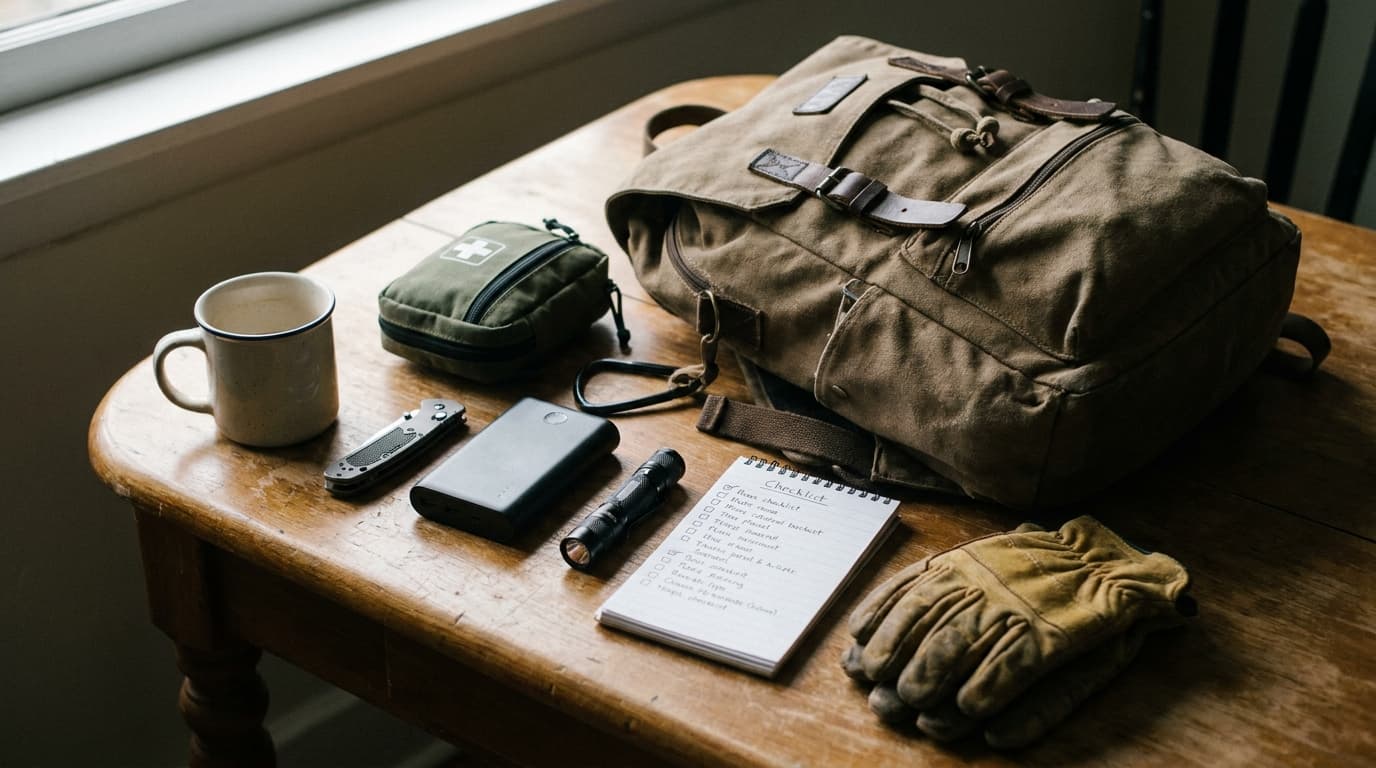
But here is the catch: even the best gear is useless if you do not know how to use it. Tools supplement your skills; they do not replace them. Before you head out, take your gear into the backyard and test it. Can you strike that ferro rod? Does your filter work? Self-reliance is a mindset that starts before you are lost. It is about being prepared and knowing your gear inside and out. After all, your most important tool is your own ability to stay calm and solve problems.
Key insights:
Tools are a supplement to skill, not a replacement for it.
A layered approach to fire and water is critical for wilderness survival.
Self-reliance is a mindset that starts with preparation and gear testing.
Frequently Asked Questions
If you are just starting out, a solid full tang knife or a classic Morakniv is usually your best bet. These tools are the workhorses of any kit because they can handle the heavy lifting of wood processing and fire prep without breaking when you need them most.
But here is the thing to remember. A fancy knife is just a helper for your own skills. As Jack Green from BeaverCraft says, tools are not a shortcut around skill but a way to support your self reliance. It is often better to start with something reliable and simple so you can focus on learning how to work with natural materials safely.
You could try it, but it would be a real challenge to keep everyone hydrated. Straw filters are made for one person to drink directly from a water source while they are on the move. For a family of four at a base camp, you will find that a gravity filter or a large metal canteen for boiling is much more practical.
Using a gravity system lets you clean a lot of water at once while you focus on other tasks like building a shelter or cooking. It is always smart to use a layered approach for water, so having a filter along with a way to boil water ensures your group stays safe no matter what happens.
The very first thing you need to do is stop moving. It sounds simple, but when panic kicks in, most people want to run. Sit down, take a breath, and try to think clearly. This is often called the STOP rule: Sit, Think, Observe, and Plan. Staying put makes it much easier for search parties to find you, and it keeps you from burning energy you will need later.
Once you have calmed down, check your essentials. Do you have your cutting tools or a way to make fire? Remember that survival gear is a lifeline, but your skills matter more. If you have a whistle or a mirror, now is the time to keep them handy. Focus on shelter and warmth before the sun goes down, because being prepared for the night is your next big priority.
If you are without a map, your compass is mostly there to keep you from walking in circles. It is surprisingly easy to drift off course in the woods without realizing it. You can pick a general direction, like North, and use the compass to find a distant landmark - a specific tree or a rock - to walk toward. Once you reach it, check the compass again and find the next landmark on that same line.
This is a basic way to maintain a straight path, which is better than wandering aimlessly. Also, if you know a road or a river is to the East, you can just follow that heading until you hit it. It is not perfect navigation, but it is a solid way to use your gear to stay oriented when technology like phone GPS fails you.
Conclusion
So, what is the real takeaway when it comes to heading out into the woods? It is that your gear is only as good as your ability to use it. Whether you picked the best bushcraft knife for wood processing and fire prep or you are weighing a gravity water filter vs straw filter for base camp, these tools are just helpers. True safety comes from knowing how to turn a piece of steel into a fire or a plastic tube into clean water when things go sideways.
Your next move should be to get outside and test your setup before you actually need it. Try using those reliable navigation tools for when phone gps fails on a trail you already know well. Practice using a compact fishing kit for wilderness survival situations in your own backyard. It is much better to find a gear flaw on a sunny Saturday than in a cold rainstorm when you are truly lost.
Building a kit is a journey that grows right alongside your skills. Remember that the most essential survival gear for lost in forest scenarios is actually the calm head on your shoulders. Stay prepared, keep practicing, and enjoy the peace of mind that comes with being truly self-reliant.
Every WilderReady guide is researched, written, and fact-checked in-house against trusted references such as the American Red Cross, the National Park Service, and the CDC before it goes live. We publish under this shared byline instead of invented personas, so you always know who stands behind the guidance you are reading.