Can You Actually Eat That? A Friendly Guide to Finding Dinner in the Wild
Have you ever looked at the weeds in your backyard and wondered if they might actually taste good? It turns out your lawn could be a hidden salad bar. Learning...
Can You Actually Eat That? A Friendly Guide to Finding Dinner in the Wild
Have you ever looked at the weeds in your backyard and wondered if they might actually taste good? It turns out your lawn could be a hidden salad bar. Learning basic survival skills like how to spot edible wild plants is like gaining a secret superpower that connects you directly to the earth.
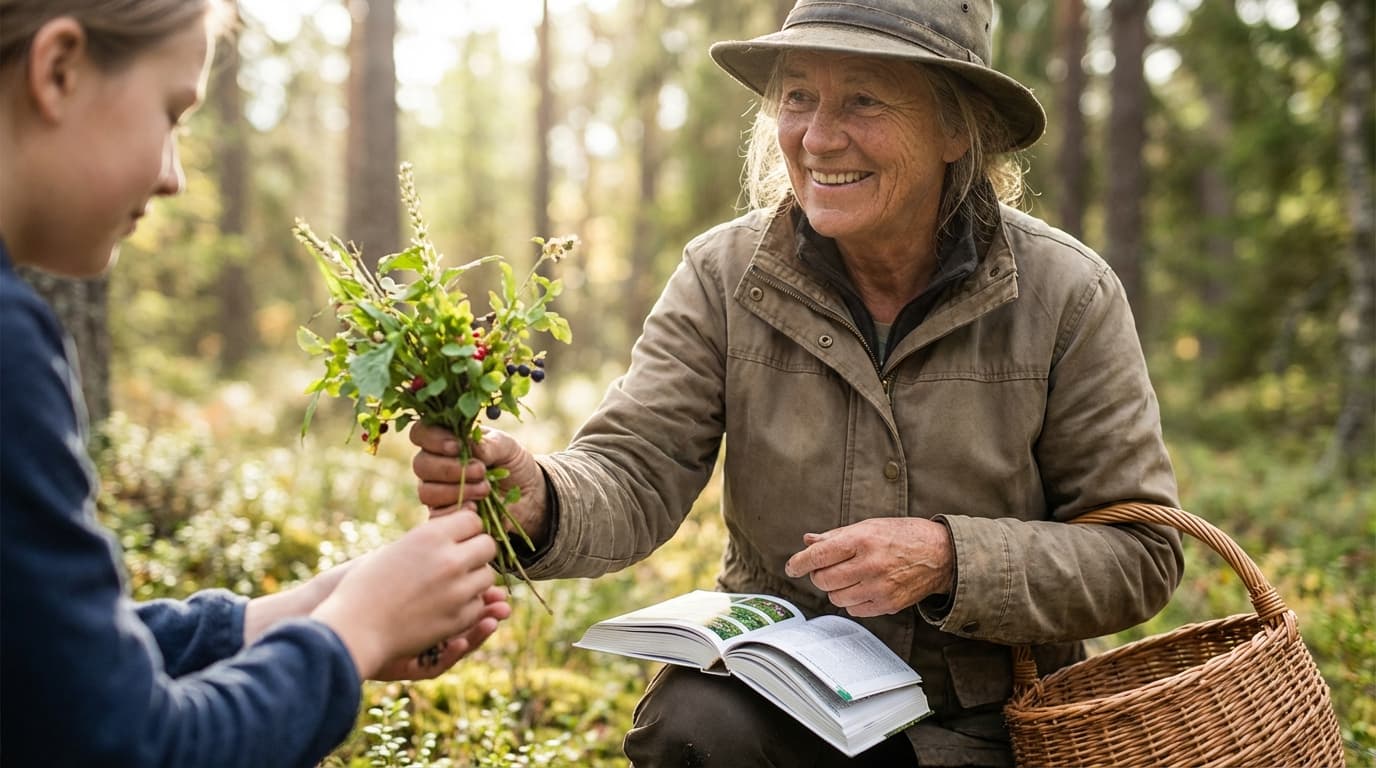
Whether you want a wild snack or you are curious about medicinal herbs in the wild, knowing what to pick is a life-changing skill. But before you start snacking, you need a solid wild foraging guide to help you tell the difference between a healthy treat and a dangerous mistake. Safety is everything when you are out in the woods.
This article walks through foraging safety tips and simple plant identification techniques so you can harvest with confidence. You will learn about five easy starter plants, how to avoid identifying toxic berries, and the best ways to practice sustainable harvesting. Let's get outside and see what is for dinner.
The Golden Rule: If You Aren't 100% Sure, Put It Down
Imagine you are walking through a lush forest and spot a berry that looks exactly like the ones in your grocery store. You are about 90% sure it is safe. In the world of foraging, that 10% gap is a canyon you do not want to jump. As Paige Bradshaw from Emergency Essentials puts it, the number one rule is never eating anything unless you are 100% sure it is safe to eat. This is not just a suggestion; it is the line between a delicious wild snack and a dangerous trip to the emergency room.
Why is being 'pretty sure' so dangerous? Because many toxic plants are masters of disguise. Beginners often trip up on look-alikes, mistaking the deadly Water Hemlock for a wild carrot because they both have clustered flowers called umbels. To bridge the gap from a guess to absolute certainty, you have to look closer than a quick glance. Research by experts like Tilford emphasizes checking every detail: the shape of the leaf margins, how the veins run through the leaf, and the texture of the stem. For instance, a hollow stem might signal a safe cattail, while milky sap in a stem often acts as a warning sign for potential danger.
Building this level of confidence takes time and the right tools. You do not have to guess when resources like Samuel Thayer’s books provide such clear information that experts call them some of the best wild food resources available. If you are serious, some people even dive into massive programs like the Online Foraging Course from the Chestnut School, which includes 375 hours of study and a 600-page manual. It sounds like a lot, but knowing for sure that you have found a dandelion, stinging nettle, or violet instead of a toxic mimic makes the effort worth it.
Once you are certain about what you have found, there is one more rule to follow: the rule of reciprocity. Ethical foraging means you only take what you actually need, usually capped at about a quarter of the plant. This keeps the ecosystem healthy so the plants can keep growing and others can enjoy them too. Think of it as a thank-you to the woods for providing a safe meal. By sticking to these high standards, you turn a risky gamble into a rewarding, sustainable way to connect with nature.
Key insights:
The 100% Certainty Rule is the universal standard for preventing accidental poisoning.
Small botanical markers like leaf venation and stem texture are more reliable than general appearance.
Ethical foraging limits harvests to 25% of a plant to ensure future growth.
Comprehensive education through regional guides and long-term courses replaces dangerous guesswork.
Why 'Pretty Sure' Isn't Good Enough
Have you ever looked at a wild berry and thought, 'That looks close enough'? In the world of foraging, 'close enough' is a dangerous game to play. There is a massive, life-altering gap between a tasty afternoon snack and an emergency room visit. Experts like Paige Bradshaw emphasize that the top rule is simple: if you aren't 100% certain, don't eat it. It sounds strict, but when you're dealing with nature, there is no room for guessing.
Beginners often trip up because they look at the big picture instead of the tiny, technical details. You might see a plant that looks like a wild carrot, but if you don't check the stem texture or the leaf venation, you could be holding toxic Hemlock. Experienced foragers look for specific markers like toothed leaf margins or whether a stem is hollow or fibrous. Even something as simple as milky sap can be a warning sign of danger. It's about training your eyes to see the differences that a casual glance misses.
This level of detail is why serious students often spend hundreds of hours studying before they feel confident. Beyond just safety, knowing your plants helps you stay ethical. For instance, once you identify a species, the standard rule is to only harvest about a quarter of the plant. This keeps the ecosystem healthy and ensures there’s more for next time. Think of it this way: the more you know, the safer you are and the better you treat the land.
Key insights:
The 100% certainty rule is the only way to prevent accidental poisoning.
Safe identification requires looking at leaf margins, stem texture, and flower clusters.
Ethical foraging means never taking more than 25% of a single plant.
Reading the Forest: How to Identify Plants Like a Pro
You are standing in the woods and everything around you just looks like a wall of green. It is easy to get overwhelmed, but identifying plants like a pro is mostly about training your eyes to stop seeing generic bushes and start seeing specific shapes. Instead of just glancing at a plant, you have to look for botanical markers. Research by experts like Tilford shows that three specific areas - leaf shape, stem structure, and flower patterns - are the critical safety markers you need to know. It is like learning a new language where the forest finally starts to speak back to you.
Here is the most important thing you will ever learn about foraging: the 100% certainty rule. As Paige Bradshaw from Emergency Essentials puts it, you should never eat anything unless you are absolutely sure it is safe to eat. There is no room for being pretty sure when it comes to wild species. Knowing exactly what is safe can mean the difference between a great meal and a dangerous mistake. Once you are certain, follow the 25% rule for harvesting. Only take about a quarter of what you see. This keeps the ecosystem in balance and ensures the plant can keep growing for others.
To really get it right, you have to look at the tiny details like the veins and margins of a leaf. Are the edges toothed like a saw or smooth like a ribbon? This matters because these markers help you distinguish between a common edible and a toxic look-alike. Stems tell a story too. A hollow stem can be a safe sign for something like a cattail, while a fibrous or hairy stem might point you toward stinging nettles. Even the way veins run through a leaf, whether they are parallel or branched, gives you clues about the plant's identity and safety. These small signs are your safety cheat sheet in the wild.
Becoming an expert takes practice and often a lot of study. For example, the Online Foraging Course by the Chestnut School of Herbal Medicine involves 375 hours of instruction and a 600-page manual. That is a lot of time, but it shows how deep this knowledge goes. You do not have to do it all at once, though. Start with recognizable plants like dandelions, violets, or yarrow. As Juliet Blankespoor notes, resources like Samuel Thayer’s books are some of the best ways to learn because they make the information enjoyable and easy to digest. They help you move beyond it looks green to understanding the actual botany.
Think of foraging as a slow conversation with nature. You might wonder why you should bother looking at something as small as a leaf margin, but that one detail could be your safety net. Whether you are looking for burdock, rose, or goldenrod, the goal is to build a multi-layered understanding of the environment. Use a general guide, a regional field guide, and if possible, find a mentor to walk the woods with you. Combining these resources with hands-on experience is the best way to move from a curious hiker to a confident forager who knows exactly what is for dinner.
Key insights:
The 100% certainty rule is the only standard for safety; never eat a plant if you have any doubt.
Sustainable foraging means never taking more than 25% of a plant population to ensure regrowth.
Botanical markers like leaf margins and stem texture are more reliable than color for identification.
Professional foraging education can involve hundreds of hours of study, highlighting the complexity of the skill.
The Secret Language of Stems and Leaves
Ever felt like a plant was staring back at you, keeping a secret? It probably is. When you are out in the wild, the tiny details on a leaf are like a secret code. Experts like Tilford emphasize that leaf shape and stem structure are your most important safety tools. You need to be 100% certain about what you are looking at before you even think about a taste test. If you are not totally sure, just let it be. It is much better to head home empty-handed than to deal with a nasty reaction from a toxic plant.
Take a look at the leaf edges. Are they smooth or do they have little teeth? Dandelions are famous for those jagged, toothed edges. Now, peek at the stem. Is it hollow or fibrous? A hollow stem is a green light for cattails, but be careful if you see milky sap. That white liquid is often nature's way of saying stay away. Also, watch out for flowers that look like little umbrellas. Those are called umbels, and they are a huge red flag because they are a big feature of poisonous Hemlock.
When you finally find a winner like sorrel or yarrow, try to be a polite guest. A good rule is to only take about a quarter of the plant. This 25% limit keeps the plant healthy so it can keep growing for the next person or curious critter that wanders by. Think of it as leaving a little something for the trail ahead. Foraging is not just about finding free food. It is about learning to read the landscape and respecting the life you find there. So, which leaf shape are you going to hunt for first?
Key insights:
The 100% certainty rule is the only way to stay safe while foraging.
Hollow stems and toothed leaves are helpful markers, but milky sap often signals a toxic plant.
Sustainable foraging means never taking more than 25% of a single plant.
The 'Not-So-Scary' Starter List: 5 Plants You Probably Already Know
Most of us grew up thinking dandelions were just stubborn weeds that ruined a perfectly green lawn. In reality, they are one of the best starter plants for any aspiring forager. They are easy to find and packed with nutrients. When you look at them closely, you will see those distinct toothed leaves that form a rosette at the base. This is where your identification skills start. You might have heard that milky sap in a stem is a warning sign, and while that is often true for many toxic plants, the dandelion is a safe exception. Still, the most important rule you will ever learn is the 100% certainty rule. As Paige Bradshaw from Emergency Essentials puts it, never eat anything unless you are completely sure it is safe. Knowing exactly which wild species are safe can mean the difference between a great meal and a dangerous mistake.
Alongside dandelions, look for plantain in your yard. No, not the banana-like fruit, but the low-growing leaf often called nature's band-aid. It is great for soothing stings or small scrapes when you are out in the woods. Then there is the stinging nettle. It sounds intimidating because it might fight back with a tiny sting when you touch it, but once you cook it, that sting vanishes. It becomes a delicious green that tastes a bit like spinach but with more personality. These plants are hiding in plain sight, waiting for you to notice them. Think of it this way: your backyard is actually a hidden pantry if you know how to look.
If you find yourself near a marsh or a pond, you will likely see what many people call the corn dog plant. These are cattails, and they are essentially the supermarket of the swamp. They are iconic for a reason, but you still need to identify them correctly to be safe. One of the best ways to tell a cattail apart from its look-alikes is the stem. Real cattails have a hollow stem and very specific leaf structures. In the early spring, the young shoots are tender and taste surprisingly like a crisp cucumber. As the seasons change, different parts of the plant become useful. You can even harvest the yellow pollen in the summer to use as a nutrient-rich flour substitute. Foraging for cattails is a great way to practice your observation skills. Experts like Tilford emphasize looking at the flower arrangement and the way the leaves wrap around the base. It is not just about finding food, it is about understanding how the plant grows in its environment.
Beyond just filling your stomach, the wild offers a variety of medicinal powerhouses like yarrow and violets. Violets are more than just pretty faces in the forest. They are like the cheerful vitamins of the woods, often used in teas or salads for a gentle boost. Yarrow is another essential herb to know. It has been used for centuries to help with wellness and is a staple in any wild-crafted medicine cabinet. When you start harvesting these plants, you need to think about the future of the patch. The general rule of thumb is to only take what you need, which usually means about 25% of the plant. This one-quarter rule ensures the plant can recover and keep growing for years to come. It is a way of giving back to the land that provides for you. Modern foraging is moving toward this focus on sustainability and reciprocity.
If you find yourself wanting to go deeper, you are not alone. There is a huge rise in people seeking intensive certifications. Some people spend 375 hours in courses from places like the Chestnut School of Herbal Medicine, which even provides a 600-page manual to help you along. Their content was recently updated in October 2024, showing how quickly this field is growing. But you do not need a degree to start. Just getting to know the violets in your backyard or the cattails at the local pond is a perfect way to start. It turns a simple walk into a treasure hunt. What started as a survival skill is now a lifestyle hobby that connects us back to the earth.
Key insights:
The 100% certainty rule is the universal standard for foraging safety to prevent poisoning.
Ethical harvesting means taking only about 25% of a plant to ensure it continues to grow.
Cattails are highly versatile, offering different edible parts like shoots and pollen throughout the year.
Identification markers like hollow stems and leaf shapes are critical for distinguishing edible plants from toxic look-alikes.
Cattails: The Supermarket of the Swamp
If you have ever seen what looks like a brown corn dog growing on a tall stick near the water, you have found a cattail. These plants are often called the supermarket of the swamp because they offer so much to a hungry forager. But before you start gathering, you must be completely certain about what you are picking. Identification research shows that looking closely at the leaf shape and stem structure is vital for your safety. One easy way to tell you have a real cattail is by checking for its characteristic hollow stem, which is a key marker that helps you avoid dangerous look-alikes.
What can you actually eat? It depends on the time of year. In the spring, you can peel back the outer layers of the young shoots to find a crisp, white center that tastes a bit like a cucumber. Later in the summer, the yellow pollen can be collected and mixed into flour for baking. Even the roots are full of starch if you are willing to get a little muddy. Just remember to follow ethical guidelines by only taking what you need. Most experts suggest harvesting only about a quarter of the plants in any given area so the patch stays healthy and can continue to grow for years to come.
Think of it this way: the wild is full of resources if you know how to look. Finding a patch of cattails can turn a simple hike into a meal, but the 100% certainty rule is always your best friend. If you feel even slightly unsure about a plant, it is better to skip it and keep looking. Learning these small details makes foraging feel less like a survival chore and more like a fun way to explore the outdoors while respecting the environment around you.
Key insights:
The 100% Certainty rule is the universal standard for foraging safety to prevent dangerous mistakes.
Sustainable harvesting means taking only 25% of a plant population to ensure it can regrow.
Cattails are versatile, offering edible shoots in spring, pollen in summer, and starchy roots year-round.
Medicinal Powerhouses: Yarrow and Violets
Have you ever walked past a patch of tiny purple flowers and realized you were looking at a multivitamin? Violets are more than just a pretty face in the forest; they are packed with nutrients and bring a cheerful boost to your wellness routine. Along with yarrow, these plants are staples for anyone starting their herbal journey. But before you pick a single leaf, remember the golden rule: if you aren't 100% sure what it is, don't eat it. Safety is everything when you're looking for dinner in the dirt.
When you do find a patch of yarrow or violets, think about the future of that plant. A good rule of thumb is to only take what you need, which usually means no more than a quarter of the plant. This practice of reciprocity ensures the herbs keep growing for the next person or animal that needs them. Identifying these plants correctly involves looking closely at things like leaf shape and stem structure. It's a skill that takes time to build, which is why serious students often spend over 300 hours studying manuals and field guides to get it right.
You can use these wild herbs in simple ways, like steeping them for a tea or adding them to a fresh salad. Violets add a mild, sweet flavor, while yarrow has a more medicinal, earthy punch. Think of it this way: you're not just foraging for food; you're connecting with the land. By paying attention to botanical markers - like the way a flower clusters or how a leaf feels - you turn a simple walk into a lesson in biology. It’s about being present and respectful of what nature provides.
Key insights:
Follow the 100% certainty rule to ensure every plant you harvest is safe to consume.
Practice sustainable foraging by never harvesting more than 25% of a single plant.
Violets and yarrow offer easy entry points for adding wild nutrients to your daily routine.
The Danger Zone: Identifying Toxic Berries and Look-alikes
Picture this: you are deep in the woods and spot a cluster of vibrant, juicy-looking berries. Your stomach growls, and they look just like the ones you buy at the store. But here is the hard truth of the trail: in foraging, being 99% sure is exactly the same as being 0% sure. One small mistake can turn a fun hike into a serious medical emergency. This is why the universal rule, as emphasized by experts like Paige Bradshaw, is to never let anything pass your lips unless you are 100% certain of its identity. Safety is not just a suggestion; it is the difference between a meal and a disaster.
So, how do you start spotting the bad actors? Nature actually gives us some pretty clear warning signs if we know where to look. One of the biggest red flags is milky sap. If you break a stem and a white, latex-like liquid oozes out, treat it as a 'stop' sign. While there are a few exceptions, many toxic species use this sap as a chemical defense. You should also be extremely wary of 'umbrella' flowers, or umbels. These tiny white clusters might look delicate, but they are a classic calling card for some of the most lethal plants in North America, including the infamous poison hemlock.
The most dangerous game of 'spot the difference' happens between the wild carrot and poison hemlock. They look like twins to the untrained eye, but the details tell a different story. To stay safe, you have to look at the skin and the hair. Wild carrot stems are hairy and solid, while hemlock stems are smooth, hollow, and often covered in tell-tale purple splotches. Even the roots can be deceptive. Some 'carrot-like' roots, such as those of the wild parsnip, can cause severe skin blistering just by touching them. If you can't identify the leaf shape, stem texture, and flower arrangement with total confidence, it's best to leave it alone.
Mastering these distinctions takes more than a quick scroll through a phone app. Many modern foragers are now turning to intensive education, like the 375-hour Online Foraging Course from the Chestnut School of Herbal Medicine, which includes a massive 600-page manual. This shift toward deep learning shows just how much nuance is involved in plant identification. Books by experts like Samuel Thayer are fantastic resources, but nothing beats the hands-on wisdom of a mentor. Think of a field guide as your map, but a seasoned forager as your GPS. They can show you the subtle markers that a photo might miss.
Even when you are certain a plant is safe, you have to think about the health of the forest. The golden rule of ethical harvesting is to only take what you need, which usually means no more than 25% of a single plant or patch. This practice, often called the 'quarter rule,' ensures the species can regenerate and continue to provide for the ecosystem. Foraging is a conversation with nature, not a grocery raid. By following these safety protocols and harvesting with respect, you ensure that the wild remains a place of sustenance rather than a zone of danger.
Key insights:
The 100% Certainty Rule: Never consume any wild plant unless you have identified it with absolute total confidence.
Beware of Milky Sap: A white, milky discharge from a broken stem is a common indicator of toxicity in many wild species.
Hemlock vs. Carrot: Always check for purple splotches and smooth stems to identify deadly hemlock versus its edible look-alikes.
The 25% Harvesting Standard: Practice sustainable foraging by never taking more than a quarter of a plant population to ensure its survival.
Foraging Etiquette: How to Be a Guest, Not a Ghost
Imagine walking into a clearing filled with stinging nettles and wild violets. It feels like finding a hidden stash of treats, doesn't it? But before you start filling your basket, think about your role in this space. You are a guest in nature's living room, and being a good guest means making sure the land looks exactly the same after you leave. If you take too much, you aren't just hurting the plants. You are taking food from the local wildlife and potentially ruining the patch for the next season.
This is where the 25 percent rule comes in. Most ethical guidelines suggest you should never harvest more than one quarter of a plant or a colony. Taking just a small portion ensures the plant has enough energy to recover and keep growing. Think of it like a light trim rather than a total makeover. The manual from Emergency Essentials highlights this as a core rule for sustainable harvesting. It is about taking only what you need for your immediate use, not clearing the shelves just because the items are free.
Foraging is also about the art of giving back. It is a two way street. While some people think of it as a strictly survival skill, more people are seeing it as a lifestyle choice. Recent trends show a big rise in deep learning, with digital programs like those from the Chestnut School of Herbal Medicine offering over 375 hours of instruction. These programs teach that reciprocity is just as important as the harvest itself. Maybe you scatter some seeds or pull some invasive weeds while you are out there. You could even just pick up some litter. The goal is to leave the area better than you found it.
Why does this matter so much? Because the land is a living system, not a supermarket. When you identify plants using markers like leaf shape or stem structure, you are getting to know your neighbors. Experts like Tilford point out that knowing these details is vital for safety, but it also builds a sense of respect. When you know a plant's name and how it grows, you are less likely to treat it like a disposable object. You start to see yourself as a visitor in their home, and a good visitor doesn't overstay their welcome or leave a mess behind.
So next time you see a patch of dandelions or yarrow, take a breath and look around. Ask yourself if the plant can spare what you want to take. If the answer is no, or if you aren't 100 percent sure about the identification, it is perfectly okay to just keep walking. There will always be more to find if we take care of what is already here. Being a guest instead of a ghost means your presence leaves a positive mark, ensuring these wild spaces stay healthy for everyone to enjoy.
Key insights:
Stick to the 25 percent rule to ensure plants can regenerate and support local wildlife.
Practice reciprocity by cleaning up the area or helping native species thrive while you harvest.
Treat wild spaces like a home you are visiting rather than a resource you are consuming.
Invest time in deep learning to understand the lifecycle of the plants you gather.
Leveling Up: From Field Guides to Mastery
You found a dandelion and a patch of stinging nettles in your backyard and now you feel like a pro. But here is the reality: one field guide is never enough to keep you safe. While books by experts like Samuel Thayer are some of the best resources out there, relying on just one perspective is risky. Think of it like learning to drive from a manual without ever hitting the road. You need a mix of general knowledge and regional specifics to really know what you are looking at. Different authors might highlight different markers, and having two or three sources helps you cross-reference until you are certain.
Lately, foraging has moved way beyond just survival skills. It is becoming a full lifestyle. Because of this, we are seeing a huge rise in intensive online programs that go deep into the science of plants. For example, the Chestnut School of Herbal Medicine offers a course that involves 375 hours of instruction and a 600 page manual. That is a massive jump from flipping through a pocket guide. These programs help you understand the tiny details, like how to tell a safe plant from a toxic look-alike by looking at leaf margins or stem textures. Knowing if a stem is hollow or fibrous can be the detail that keeps you safe.
Even with a 600 page book, nothing beats having a real person stand next to you in the woods. Finding a mentor is the gold standard for anyone serious about this. A seasoned forager can show you how to spot the difference between a safe flower and the dangerous, umbrella-like clusters of hemlock. They teach you the 100 percent certainty rule. If you are not completely sure what a plant is, you do not eat it. It is that simple. This hands-on approach turns abstract facts into real world skills you can actually trust when you are out in the wild.
As you get more comfortable, your focus shifts from just finding dinner to taking care of the land. It is all about reciprocity. A good rule of thumb is to only harvest what you need, usually capped at about a quarter of the plant. This leaves enough for the plant to keep growing and for other foragers to find some too. Whether you are looking for yarrow, burdock, or cattails, the goal is to leave the area better than you found it. This connection to the environment is what turns a casual hobby into a lifelong practice that respects nature as much as it uses it.
Key insights:
The 100 percent certainty rule is the only way to stay safe while foraging.
Modern education is shifting toward intensive 300 plus hour online certifications.
Ethical harvesting means taking no more than 25 percent of a single plant.
Mentorship provides hands-on safety checks that books alone cannot offer.
Frequently Asked Questions
It usually depends on where you are standing, but in most city parks, the answer is no. Just like you wouldn't want someone coming into your garden and picking your favorite plants, public parks have rules to keep the greenery healthy for everyone. Most municipal and state parks have strict no-pick policies to protect the local environment.
Before you head out with your basket, it's a smart idea to check the local park department's website or give them a quick call. Even in places where it is allowed, most foragers stick to a sustainability rule where they only take about a quarter of the plant. This keeps the ecosystem happy and ensures there is plenty left for the next person or animal passing by.
Apps are super handy as a starting point, but you should not rely on them as your only source of truth. They can point you in the right direction, but because a mistake can be dangerous, you always want to be 100% certain before you try eating anything you have found in the wild.
The best way to stay safe is to use the app alongside a good regional field guide or even a mentor. You will want to look for specific markers like leaf shape and stem texture to be sure. Also, keep an eye out for warning signs like milky sap or certain flower clusters that might look like a tasty snack but are actually toxic. Getting a solid education through a dedicated course is also a great way to build your skills so you can forage with total confidence.
The very first thing you should do is stop eating right away. If you aren't 100 percent sure about what you ate, save a sample of the plant or take a clear photo of it. Having that evidence makes it much easier for a doctor or poison control to give you the right help immediately.
It is always better to be safe than sorry when you are learning survival skills. Identifying edible wild plants takes serious practice, which is why some experts study for over 375 hours and use 600-page manuals to get it right. If you feel even a little bit of doubt, call for medical help instead of waiting to see if you get sick. Some toxic berries can look a lot like safe ones, so getting an expert opinion is the smartest move you can make.
You can start by giving your wild finds a good soak in a bowl of cool water. This helps loosen up any dirt, grit, or little bugs that might be hiding in the leaves. It is the same idea as rinsing produce before you eat it at home, just using a splash of water to get your greens ready for the kitchen. For things like dandelions or medicinal herbs, a quick rinse is usually all you need to get them clean.
But foraging safety tips start before you even get home. You want to make sure you are picking from clean areas far away from busy roads or spots where chemicals might be sprayed. Also, try to only take about a quarter of the plant when you harvest. This ethical approach keeps the patch healthy and ensures the plant can keep growing, which is good for the soil and for future foragers who come after you.
Conclusion
So what does all this mean for your next walk in the woods? Foraging is about more than just finding a free snack; it is about building a relationship with the land around you. When you start noticing the difference between a common herb and a toxic look-alike, the forest stops being a wall of green and starts feeling like a familiar pantry. But that connection only works if you stick to the golden rule: if you are not totally sure what a plant is, let it be.
Beyond just safety, being a good forager means being a good guest. Taking only what you need and leaving enough for the plants to thrive ensures these wild spaces stay healthy for everyone. It is a balance of curiosity and respect that makes survival skills feel less like a struggle and more like a superpower.
Your next move might be as simple as grabbing a local field guide or finding a mentor who knows the local soil. Start small, stay safe, and enjoy the discovery. After all, the best meal is often the one you found yourself, tucked away right there in the grass.
Every WilderReady guide is researched, written, and fact-checked in-house against trusted references such as the American Red Cross, the National Park Service, and the CDC before it goes live. We publish under this shared byline instead of invented personas, so you always know who stands behind the guidance you are reading.