Why Your Survival Kit Needs an Upgrade Before 2026 (And What to Skip)
Did you know that a single gallon of water weighs over eight pounds? Many people build their bug out bag essentials by tossing in every gadget they find, only to...
Why Your Survival Kit Needs an Upgrade Before 2026 (And What to Skip)
Did you know that a single gallon of water weighs over eight pounds? Many people build their bug out bag essentials by tossing in every gadget they find, only to realize they can't carry the pack more than a mile. If you're prepping for the future, your essential survival gear needs to be about mobility and smart choices rather than just hoarding heavy tools.
The world is changing as we head toward 2026, and the old way of packing a massive, tactical bag might actually make you a target. Whether you need a wilderness survival kit list or a discrete urban setup, you have to balance the 10 Cs of survival with modern reality. It's about knowing what to skip so you stay light and fast.
We're looking at the best bushcraft tools 2026 has to offer and how to use the 'grey man' strategy to blend in. You'll learn how to trim the fat from your setup and pick gear that works when you have to leave home in a hurry.
Is Your Survival Gear Ready for the Real World?
Most people think a survival kit is just a bag you pack once and forget. But have you actually tried carrying it? The 72-hour rule sounds simple until you realize how heavy water is. It weighs about 8.35 pounds per gallon. If you are lugging a 55-liter pack like the TETON Scout, that weight adds up fast. Most kits fail because they are either too bulky or too basic.
By 2026, your gear needs to be much smarter. It is not just about a 137-point checklist. It is about making it work for your life. Expert Sean Gold notes that a bag should help you execute a plan, not just store stuff. This is where the Grey Man idea comes in. In a city, you do not want to look tactical.
Using a discrete bag like the 5.11 COVRT24 helps you blend in while staying ready for anything. It is all about finding that balance between what you need and what you can actually carry. Think of your kit as a mobile tool that keeps you safe and moving.
Key insights:
Water weight is a major mobility killer, weighing over 8 pounds per gallon.
The Grey Man concept uses low-profile gear to avoid drawing attention in urban settings.
Personalization is better than a generic checklist because your environment dictates your needs.
The 10 Cs: The Foundation of Every Good Kit
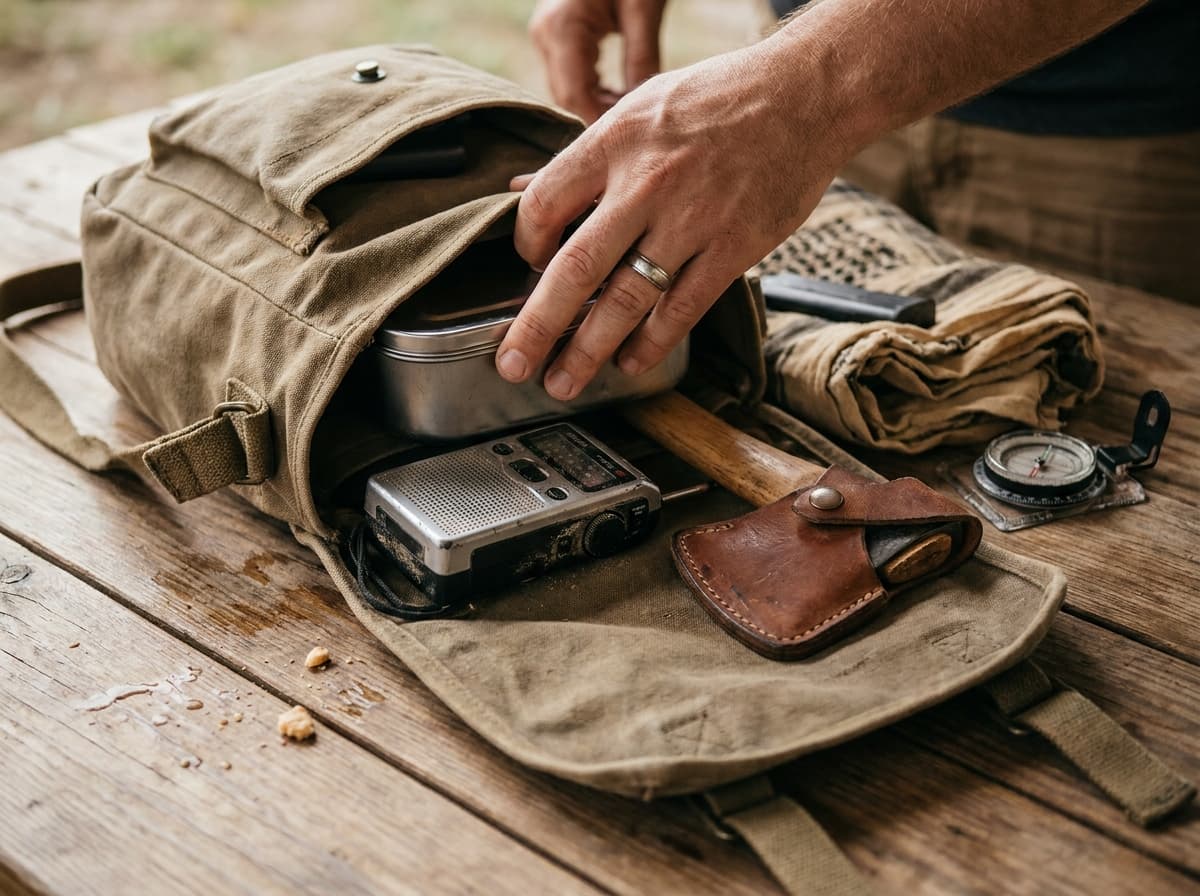
Most modern survival gadgets look cool on a shelf but fail when you actually need them in the woods. This is why the 10 Cs system remains the gold standard for anyone building a serious kit. Instead of packing dozens of single-use items, you focus on categories that cover your basic human needs like cutting, combustion, and cover. It is all about the logic of versatility. If an item does not do at least two or three things, it probably does not belong in your pack. This approach keeps your load light while ensuring you can handle whatever the environment throws at you.
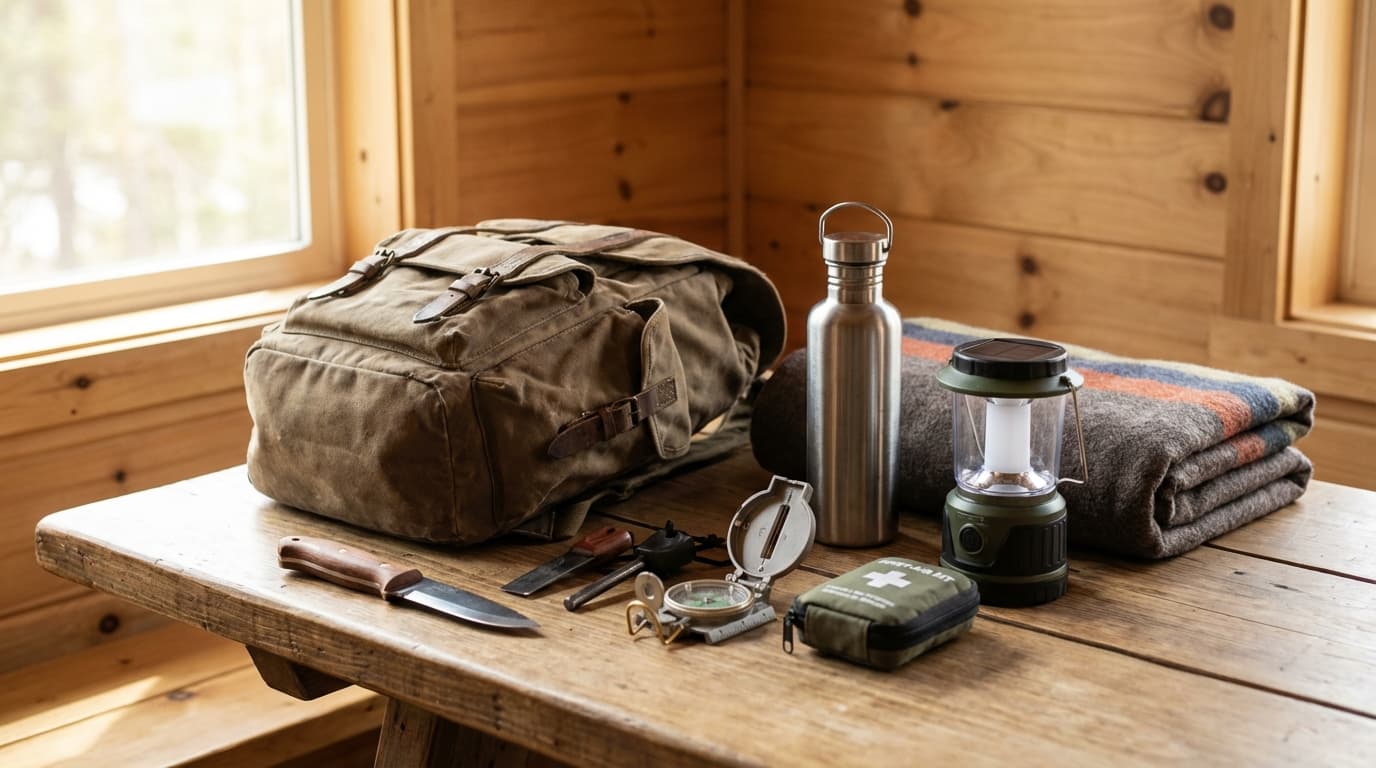
When things go wrong, your priority list starts with cutting and combustion. You need a fixed-blade knife that can handle heavy tasks like splitting wood without snapping in half. A cheap folding knife is a liability in a real survival scenario. Next comes fire. While a standard lighter is handy, a ferro rod is the reliable choice because it works even when it is wet or freezing. We always suggest redundancy here. Carrying multiple ways to start a fire might seem like overkill until your primary lighter runs out of fuel in a rainstorm. Fire provides warmth and safety, so never leave it to chance.
People often overlook the container, but it is one of the most vital pieces of gear you will carry. Your water bottle should be single-wall stainless steel rather than plastic or insulated. The reason is simple. You can put a single-wall bottle directly into a fire to boil and purify water. This survival benefit saves you if your filters break or get lost. Water is heavy, weighing about 8.35 pounds per gallon, so finding the right balance is key. A 55-liter pack like the TETON Scout 55 or 5.11 RUSH 72 gives you enough room for a short trek without making the weight impossible to manage.
Key insights:
Focus on multi-purpose tools to reduce pack weight and increase versatility.
Prioritize a high-quality fixed-blade knife and multiple fire-starting methods.
Use a single-wall stainless steel container for the ability to boil water directly.
Balance gear capacity with physical limits, noting that water adds significant weight at 8.35 pounds per gallon.
Why Cutting Tools and Combustion Come First
Think about the moment things go wrong. You aren't reaching for a gadget; you need a blade that won't snap while you're processing wood or prepping a meal. A reliable knife is the heart of the 10 Cs of survival. It is the one tool that does the work your hands simply can't. If your blade fails, your ability to build shelter or fix other gear disappears instantly. This is why choosing a high-quality fixed blade is a better move than relying on a flimsy folding knife.
Fire is just as important. While a cheap lighter is easy to use, it can leak, break, or fail in the cold. That is why ferro rods are a must for any wilderness survival kit list. They work in the rain and last for thousands of strikes. Redundancy is key here. Sean Gold from TruePrepper reminds us that a bug out bag is meant to help you execute an evacuation plan. You can't do that effectively if you can't stay warm or boil water.
Keep weight in mind as you pick your gear. Since water weighs about 8.35 pounds per gallon, every ounce in your pack matters. Whether you use a 55-liter tactical bag or something more discrete, your cutting and fire tools must be reliable. A 137-point checklist is helpful, but these two categories are the essentials that truly sustain you for that critical 72-hour window.
Key insights:
A sturdy knife is the most versatile tool for shelter building and gear repair.
Ferro rods provide a weather-proof backup to lighters, which can fail in extreme conditions.
Prioritizing durable cutting tools helps manage the heavy weight burden of carrying water and other supplies.
The Often-Forgotten 'C': The Container
Think about your water bottle for a second. Is it just a plastic jug? In a real pinch, that bottle needs to be a tool. A single-wall stainless steel bottle is a survival must-have because it handles heat. If your filter breaks, you can put this bottle right into the fire to boil water. It is a simple backup that does not take up extra room.
Weight is the real deal-breaker here. Since water weighs about a kilogram per liter, your pack gets heavy fast. Even with a sturdy 55-liter bag like the 5.11 RUSH 72, you do not want to overpack. For a short trek, the trick is finding a balance. Carrying a single liter while having the tools to purify more is usually the best move. Why carry the extra weight if you do not have to?
Key insights:
Single-wall steel bottles allow you to boil water directly over a fire for purification.
Water weight is roughly one kilogram per liter, making it a significant part of your pack load.
A one-liter capacity is the sweet spot for balancing physical endurance with hydration needs.
Building a Bug Out Bag That Won't Break Your Back
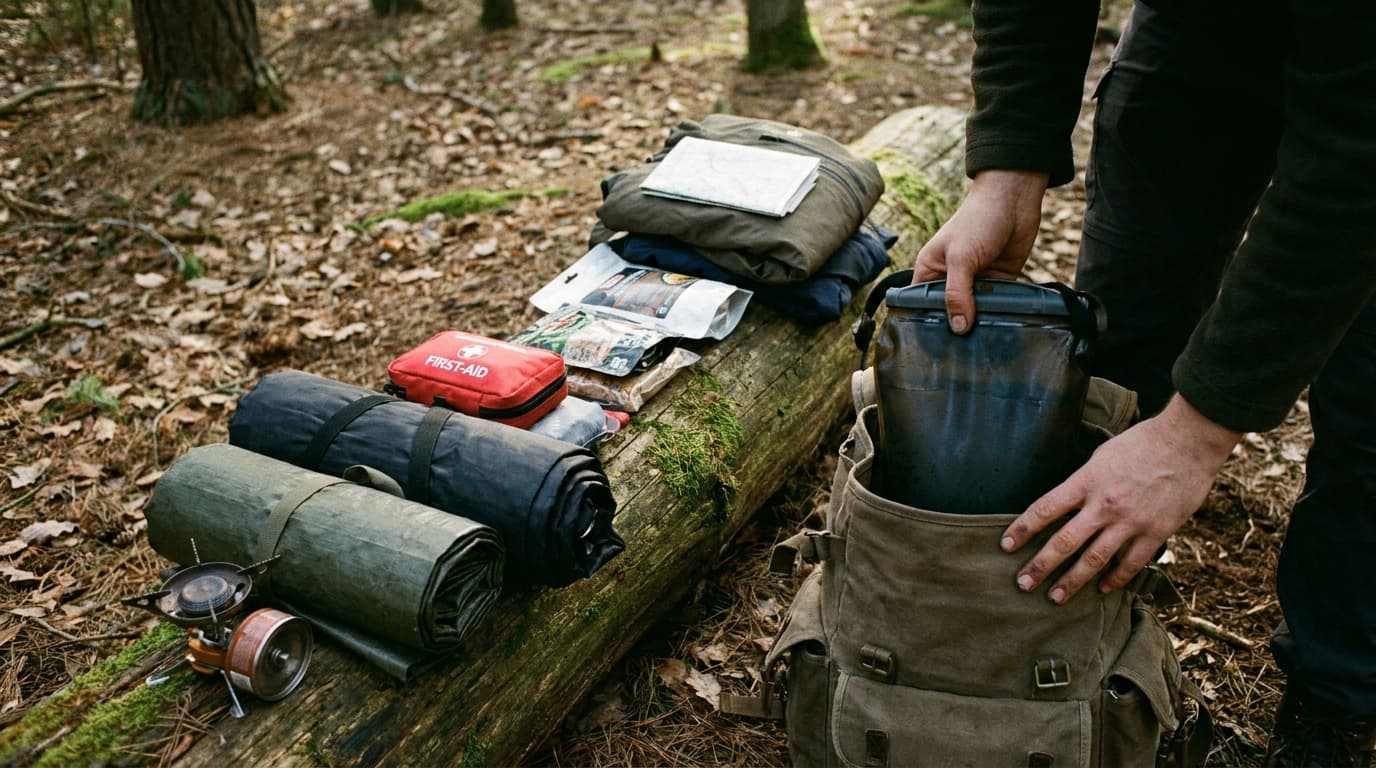
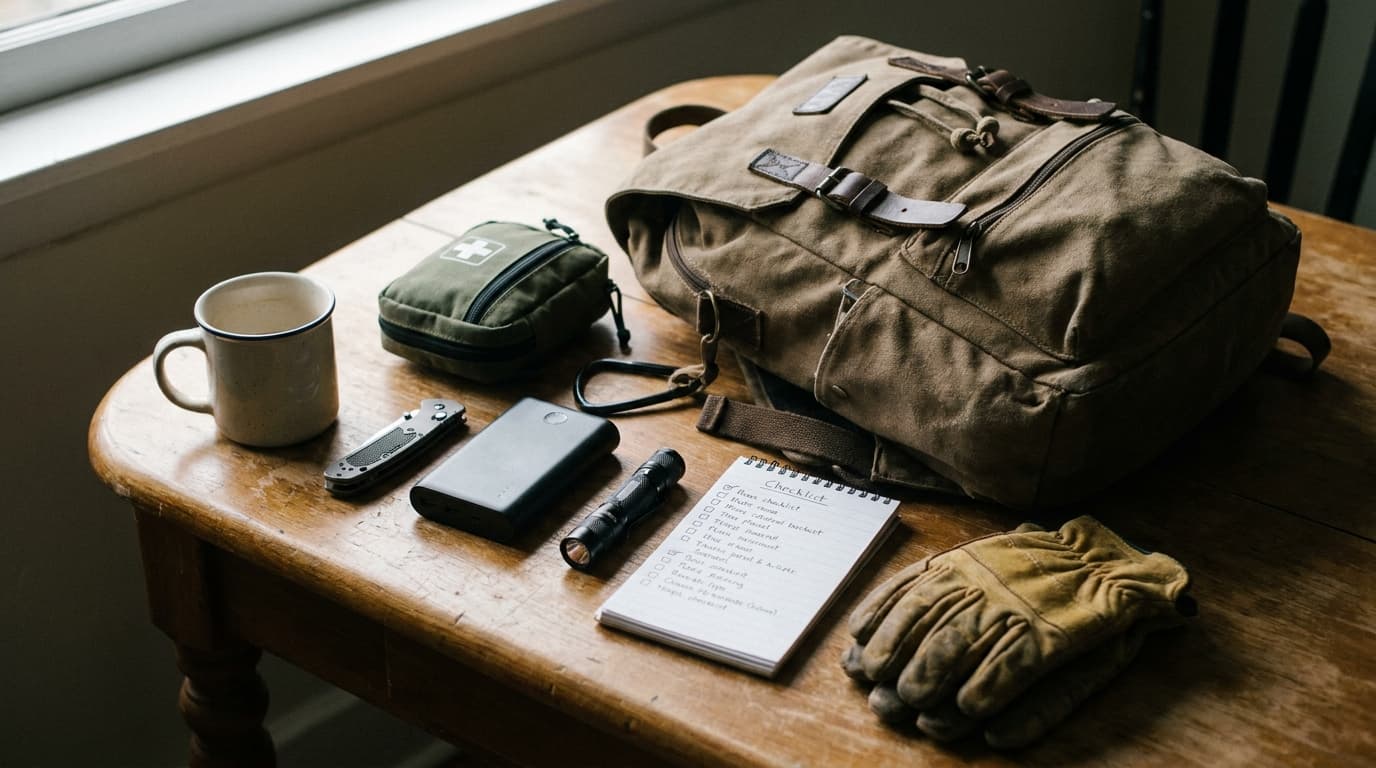
You have probably seen those massive checklists with 137 different survival items. It is easy to feel like you need every single one to stay safe, but here is the truth: if you cannot lift your bag, it is an anchor, not a survival tool. Most people fall into the trap of over-packing for an evacuation because they think more gear equals more safety. In reality, they end up with a pack that destroys their back before they even leave the neighborhood. Balancing a huge list into a manageable load means making hard choices. You have to focus on what keeps you moving for those first 72 hours. A pro tip for the road? Pack your heaviest items close to your spine and centered in the bag. This keeps your balance steady so you do not wear out during a long walk.
Now, let us look at the math that usually ruins a good plan. Water is incredibly heavy, weighing about 8.35 pounds per gallon. If you try to carry enough for three full days, you are adding over 25 pounds to your back instantly. That is a huge drain on your energy. Most people think they can handle it, but the data on physical endurance says otherwise. The smarter move is to carry a smaller amount and pack high-quality filtration tools. Instead of lugging every drop, use a filter to clean water as you find it. It saves your spine and ensures you do not run out when things get tough. Think of it this way: a light filter is worth ten times its weight in gold when you are five miles into a trek.
Picking the bag itself is the final piece of the puzzle. You might be looking at something like the 5.11 RUSH 72 2.0. It is a 55-liter tactical beast, but that rugged look can sometimes draw the wrong kind of attention in a crowded city. This is why many people are switching to gear like the TETON Scout 55. It has the same 55-liter capacity but looks like a normal hiking pack, helping you blend in. It also features an internal frame. While some worry about the weight of a frame, it is almost always worth it because it shifts the load to your hips rather than your shoulders. Whether you go tactical or discrete, make sure your bag fits your specific surroundings and your physical limits.
Key insights:
The 8.35 lbs per gallon rule means water is often the heaviest part of any survival loadout.
A 72-hour bag should be prioritized for mobility over carrying every possible piece of gear.
Internal frames are essential for long-distance carries to prevent shoulder and back fatigue.
The 'Grey Man' approach suggests using discrete packs like the TETON Scout to avoid attention in urban areas.
The Math of Survival: Why Water Weight Matters
Ever tried hiking with a bowling ball in your pack? That’s exactly what an extra gallon of water feels like. At 8.35 pounds per gallon, it is the heaviest part of any kit. Since bug out bags are meant for 72 hours, carrying three days of water gets heavy fast. Even for the most nimble survivor, that weight is a real problem.
Packs like the 55-liter TETON Scout 55 handle weight well, but they cannot stop exhaustion. You must balance physical endurance against your loadout. If you are lugging 25 pounds of water, you will burn out before reaching safety. It is like carrying a heavy pet. It is doable for a minute, but not for miles.
The fix is simple. Don't carry every drop. Smart filtration tools let you treat water on the go, saving you from hauling extra weight. Focusing on purification keeps your pack light and your movement fast. This shift ensures you stay ready for anything without breaking your back or slowing down your pace.
Key insights:
Water weight (8.35 lbs/gal) is the primary factor in pack fatigue.
A 72-hour supply of water can weigh over 25 pounds, which is unsustainable for most hikers.
Filtration tools offer a weight-saving alternative to carrying full liquid supplies.
Picking the Right Pack: Tactical vs. Discrete
When you pick a bag to carry 72 hours of gear, you are also choosing how the world sees you during a crisis. Both the 5.11 RUSH 72 2.0 and the TETON Scout 55 offer 55 liters of space, but they serve different worlds. The RUSH is a tactical beast built for punishment. It is tough, but that rugged look can draw the wrong eyes in a city. If you want to stay low-profile, the Grey Man approach is better. Using a discrete pack like the 5.11 COVRT24 helps you blend into a crowd while still keeping your essentials ready.
Weight is the other big factor. Since water weighs about 8.35 pounds per gallon, your pack gets heavy fast. This is where the internal frame debate happens. The TETON Scout uses a frame to shift that weight to your hips, which is a lifesaver on long treks. Is the extra frame weight worth it? If you are walking miles, absolutely. But if your plan is a quick drive, a lighter pack might be smarter. Think about your specific route before you commit to the bulk.
Key insights:
Tactical bags offer durability but can make you a target in urban environments.
Internal frames are essential for heavy loads like water, which weighs over 8 pounds per gallon.
The Grey Man concept prioritizes blending in over looking prepared.
The 'Grey Man' Strategy: Blending In When It Counts
Have you ever noticed someone in a crowded train station wearing a full camouflage backpack with patches and tactical straps? They stand out immediately. In a real crisis, that high-visibility prepper look is actually a massive liability. It signals to everyone around you that you have the supplies they might need. The goal of the 'Grey Man' strategy isn't to look like a soldier; it's to look like just another person heading to work or the gym.
This is why discrete gear is becoming so popular for urban survival. Take the 5.11 COVRT24, for example. It is a 41-liter pack that offers plenty of space for your 72-hour essentials, but it looks like a standard commuter bag. Compare that to the 55-liter RUSH 72 2.0, which is a fantastic piece of gear but screams 'tactical' from a mile away. You want to maintain full functionality and organization without the military aesthetic that draws unwanted attention.
Choosing the right gear means paying attention to colors and textures that fit your specific city. Think charcoal, navy, or heather grey instead of olive drab or tan. Inside these everyday-looking bags, you can still conceal your tools and supplies. The psychology is simple: if people don't perceive you as a source of resources, you won't become a target. It is about being invisible in plain sight so you can focus on your evacuation plan without interference.
Keep in mind that weight still matters even in a smaller, discrete bag. Since water weighs about 8.35 pounds per gallon, you have to be smart about how you pack your 41-liter space. You are still aiming to sustain yourself for at least three days, but you are doing it with a low-profile approach. In an urban evacuation, being ignored is often your best defense. Moving through a crowd without drawing a single second glance gives you the tactical advantage of speed and safety.
Key insights:
Tactical gear in urban areas can make you a target for theft or confrontation during a crisis.
The 5.11 COVRT24 (41L) provides a discrete alternative to high-profile 55L tactical packs.
Urban blending requires choosing neutral colors like grey or navy that match the local environment.
Functionality should never be sacrificed for appearance; discrete bags must still hold 72 hours of supplies.
Low-Profile Gear That Doesn't Scream 'Tactical'
Walking through a city with a camo backpack and heavy webbing is like wearing a neon sign that says "I have supplies." In a crisis, looking like a tactical expert often makes you a target rather than a leader. This is why the "Grey Man" strategy is so vital for 2026. You want gear that blends into the pavement and the crowds without a second glance.
Consider the 5.11 COVRT24. It’s a 41-liter bag that looks like a normal commuter pack, yet it holds the same essentials as a 55-liter tactical model. By choosing neutral colors and everyday textures, you keep your 72-hour supplies hidden. If your bag doesn't look like it belongs in a war zone, people won't realize you're prepared. Staying low-profile is your first line of defense.
Key insights:
The Grey Man concept prioritizes blending in over looking 'prepared' to avoid unwanted attention.
Discrete bags like the 41L COVRT24 offer high capacity without the tactical aesthetic.
Neutral colors and matte textures are more effective than camouflage in urban environments.
Bushcraft Tools for 2026: What's Actually New?
Think about the gear you will be carrying a year from now. Bushcraft used to mean just a knife and a flint, but 2026 is bringing a shift toward smarter, more specialized tools. It is not just about having more stuff; it is about having gear that handles modern environmental shifts without weighing you down. The real challenge is finding that sweet spot where high-tech gadgets meet the reliability of old-school wilderness skills.
Here is the thing: weight is your biggest enemy on the trail. Water alone weighs about 8.35 pounds per gallon, or one kilogram per liter. That is a lot of extra bulk to lug around. This is why the latest 55-liter backpacks, like the TETON Scout 55 or the 5.11 RUSH 72 2.0, are designed to balance that heavy load across your hips. These packs are built to sustain you for at least 72 hours, which remains the gold standard for survival kits. But the trend for 2026 is not just about capacity; it is about staying under the radar.
More people are moving toward the 'Grey Man' strategy lately. Instead of looking like you are headed to a war zone with camouflage everywhere, the goal is to blend into urban settings. A discrete 41L bag like the 5.11 COVRT24 does exactly that. You get the functionality of a survival kit without the tactical vibe that draws unwanted attention. This balance between modern materials and discrete design means your kit stays useful whether you are in the deep woods or a crowded city center.
The interesting part is that your gear must be personal. What works for a desert trek will not work in a coastal swamp. True preparedness comes from matching your tools to your specific geography and experience level. The best tool for 2026 is one you have actually practiced with. So, before you grab that next gadget, ask yourself: does this solve a real problem, or is it just taking up valuable space in your pack?
Key insights:
Weight management is crucial since water alone adds over 8 pounds per gallon to your load.
The 'Grey Man' concept is replacing traditional tactical looks to help survivors blend into urban environments.
Standard survival loadouts are built around a 72-hour window for evacuation or emergency management.
Personalization based on local geography is more important than following a generic gear checklist.
Making It Yours: Why One Size Never Fits All
Ever bought a 'complete' kit only to find it is full of stuff you do not need? A pre-packaged bag is just a starting point. If you live in a desert, your needs differ from someone in the mountains. Consider that water weighs about 8.35 pounds per gallon. If you are trekking through heat, that weight is a huge factor for a 55-liter bag like the TETON Scout. You must balance 72 hours of supplies against your own physical limits so you do not get worn out too quickly.
Your experience level matters too. A seasoned pro might carry minimal tools, but a beginner needs simpler gear that is easy to use. Also, think about your environment. In a city, you do not want to look like a soldier. This is the 'Grey Man' approach, using discrete gear to blend into the crowd. As expert Sean Gold says, weight and volume are major issues, so you have to pack smart to make that 55L capacity work for your specific situation.
This kit is not just for running away. It serves a dual purpose. It is built for evacuation, grab-and-go style, but it also works as a backup for staying home during a storm. Whether you use a 137-point checklist or just the basics, personalization is what keeps everyone safe. What works for a neighbor might fail you, so take a little time to tweak your gear now before you actually need it.
Key insights:
Water weight (8.35 lbs/gal) is a critical factor in bag selection and physical mobility.
Urban survival relies on 'Grey Man' gear to maintain a low profile and blend in.
Survival kits should be designed for both rapid evacuation and home-based emergency backup.
Frequently Asked Questions
If you're stripping things down to the basics, you've got to focus on what keeps you alive in those first critical hours. Most experts point to water, shelter, fire, a solid tool, and first aid as the big five. You won't get far without clean water, so a filter or purification tablets are a must. After that, you need a way to stay warm and dry, plus a reliable knife for everything from prep to protection.
Here's the thing: while these are the essentials, you should always tweak your kit based on where you live. A city dweller might prioritize a pry tool or a silcock key, while someone in the woods will focus more on bushcraft gear. The goal is to cover your bases without carrying unnecessary weight.
This is where most people run into trouble. They pack everything they own and then realize they can't walk a mile with it. A good general rule is to keep your bag under 20% of your body weight. So, if you weigh 150 pounds, you really shouldn't be carrying more than 30 pounds on your back. If you go much heavier, you'll likely tire out before you reach safety.
You also have to account for water, which is surprisingly heavy at about 8.35 pounds per gallon. Since a standard bug out bag is designed to sustain you for at least 72 hours, you have to find a balance between carrying enough hydration and having the physical endurance to keep moving. It's often smarter to use a 55-liter bag like the 5.11 RUSH 72 and focus on lightweight, high-quality gear so you don't wear yourself out.
It really depends on where you are, but for most people in crowded areas, the Grey Man style is a much smarter choice. Tactical gear is built to last, but it also tells everyone around you that you have supplies they might want. If you are trying to get home during a crisis, you probably do not want to stand out as the most prepared person in the crowd.
The idea is to blend in so you can move through a city without being noticed. For instance, using a discrete bag like the 5.11 COVRT24 gives you plenty of space for gear without looking like you are carrying a survival kit. It is all about staying low profile while keeping your tools ready and accessible.
You should aim to check your gear at least twice a year. It is easy to set a bag in the closet and forget it, but batteries can die and food has a shelf life. Also, your gear needs to match the season. A bag filled with light clothes will not be much help if an emergency happens during a cold winter night.
A simple way to remember is to do your check whenever the clocks change for daylight savings. Take everything out, swap out your water, and make sure your first aid supplies are still good. Since water weighs about 8.35 pounds per gallon, you also want to check that your bottles or bladders are not leaking or getting brittle over time.
Conclusion
Preparing for 2026 is about more than just buying shiny gadgets. It is about balancing the classic 10 Cs of survival with a setup that is actually light enough to carry when things get tough. When you focus on essential survival gear that serves multiple roles, you avoid the common trap of over-packing. Whether you are refining a wilderness survival kit list or checking your bug out bag essentials, the goal is to stay mobile and blend in using the grey man strategy.
The bottom line is that your gear needs to work for your specific life and location. Your next move should be to pull everything out and weigh it. If it feels like a chore to lift now, it will be a nightmare to carry for three days straight. Consider swapping heavy, redundant items for modern bushcraft tools 2026 that offer more utility for less weight. It is much better to have a light pack you can actually move with than a heavy one that leaves you stuck.
Survival isn't about having the most stuff; it is about having the right stuff and knowing how to use it. Stay ready, stay light, and keep your plan simple.
Every WilderReady guide is researched, written, and fact-checked in-house against trusted references such as the American Red Cross, the National Park Service, and the CDC before it goes live. We publish under this shared byline instead of invented personas, so you always know who stands behind the guidance you are reading.