Why Your Next Multi-Tool Might Be the Only Tool You Ever Need
It is a tiny struggle that disappears the moment you clip a great tool to your pocket. As we check out the best survival multi-tool 2026 has to offer, it is easy to see that these gadgets are no longer just heavy bricks. They have become smart, fast, and light enough to carry every single day without a second thought.
Whether you are out in the wild or just tackling a DIY project at home, having the right gear is a total game changer. We are seeing a big shift in how these tools work, especially with new one-handed designs that keep you safe and save you time. This guide looks at recent EDC multi-tool reviews to show you what is actually worth your money and what is just hype.
We will jump into the Leatherman vs Gerber for camping debate and even see if a $40 budget pick can stand up to the big dogs. You will also discover why a bushcraft multi-tool is essential for your next trip and how a multi-tool with fire starter parts can help in a pinch. Let's find the one tool that makes your life a whole lot easier.
The Tool That Saves the Day (And Your Pocket)
Think about the last time you struggled with a stubborn jar lid or a loose screw on a wobbly chair. We used to carry around heavy, clunky bricks that felt more like a burden than a help. But by 2026, the game has changed. Multi-tools have evolved from pocket-stretching weights into precision instruments that feel like a natural extension of your hand.
Take the Leatherman ARC as the new gold standard. It features 20 functions and uses high-end MagnaCut steel, which stays sharp through years of use. While it weighs 8.6 ounces, the magnetic 'FREE' technology lets you flick it open with one hand - a lifesaver when your other hand is busy holding a hungry pet. If you prefer a lighter carry, the Skeletool CX clocks in at just 5.2 ounces without sacrificing the essentials.
The best part is that you do not need to be a survival expert to see the value. Whether it is the budget-friendly $40 Gordon 20-in-1 or a premium model backed by a 25-year warranty, these tools are about being ready for anything. Once you find one you love, you will wonder how you ever managed without it.
Key insights:
One-handed operation is now a standard requirement for premium tools to improve safety.
MagnaCut steel provides a massive leap in edge retention and rust resistance for 2026 models.
Budget-friendly brands are now offering legitimate competition to premium manufacturers in the sub-$50 price bracket.
The One-Handed Revolution: Why Fiddling is a Thing of the Past
Ever tried to open a multi-tool while holding a tent pole steady in a gust of wind? It usually ends with a broken fingernail or a dropped tool. For years, we just accepted that fiddling was part of the deal. But Leatherman’s FREE technology changed that. By using a magnetic architecture instead of old-school nail nicks, they removed the friction that makes tools stubborn. Now, you can flick open a blade or pliers with one hand as easily as opening a folding knife. This isn't just a fancy trick; it’s about speed and focus when you’re actually in the middle of a job.
Safety is the bigger story here. When tools are hard to reach, you’re more likely to slip or use a dangerous grip. High-end models like the Leatherman ARC or the Free P2 make every tool accessible from the outside. You don't have to unfold the whole frame just to get to a screwdriver. Because these tools lock into place with a solid click, you don't have to worry about a blade folding back on your fingers during a heavy cut. It’s a smoother, more predictable experience that keeps your other hand free to stabilize whatever you're working on.
Think about the weight you're carrying too. The ARC packs 20 functions into 8.6 ounces, including a premium MagnaCut steel blade that stays sharp way longer than standard budget steel. Whether you're using a market staple like the Wave+ or a modern magnetic model, the goal is the same: the tool should help you, not get in your way. With a 25-year warranty backing these up, it’s clear this design is built to last through thousands of one-handed deployments. It makes you wonder why we ever put up with those tiny nail nicks in the first place.
Key insights:
Magnetic architecture replaces nail nicks for smoother, one-handed access.
Outside-accessible tools and locking mechanisms significantly reduce the risk of accidental cuts.
Premium models like the ARC use MagnaCut steel to combine high-end knife performance with multi-tool utility.
Safety First: Why Smooth Operation Matters
Have you ever struggled to open a pocket knife with wet or cold hands? It is more than just annoying; it is actually a safety risk. When a tool is hard to open, you are more likely to slip. This is why modern designs focus on outside-accessible tools. You can reach the blade or scissors without unfolding the entire frame, which keeps the process predictable and stable.
Locking mechanisms are the real heroes here. They prevent the blade from snapping back onto your fingers while you work. Take the Leatherman ARC, for instance. It uses magnetic technology to let you swing tools open with one hand. This means you can keep your other hand on your project. Plus, with a 25-year warranty, these systems are built to stay smooth. Whether you are using high-end MagnaCut steel or a budget-friendly model, a tool that operates smoothly is simply a tool you can trust.
Steel Talk: Is MagnaCut Really That Much Better?
You’ve probably heard the buzz about the Leatherman ARC and its fancy blade steel. For a long time, the 420HC steel found in the classic Wave+ was the gold standard because it was tough and easy to fix. Then came 154CM on models like the Skeletool CX, which held an edge much longer. But MagnaCut is a different beast entirely. It isn't just a small step up; it’s a complete shift in what a multi-tool blade can do. When you're out in the woods, you don't want a knife that goes dull after a few chores or starts rusting the second it gets damp.
Corrosion resistance is really the secret weapon here. Most survival tools have to compromise - you either get a blade that stays sharp but rusts easily, or one that’s stainless but soft. MagnaCut breaks that rule. It stays sharp through heavy use while being incredibly resistant to the elements. This matters because a multi-tool is often your backup for everything. If your primary blade fails or gets lost, you need that 8.6-ounce tool on your belt to perform like a dedicated bushcraft knife. It’s about having a tool that’s ready for the worst-case scenario without needing constant babying.
The real truth about maintenance is that better steel actually saves you time. We often think of premium as just being for show, but it has a very practical side. As Dr. Larrin Thomas, the inventor of MagnaCut, puts it, the balance of hardness and corrosion resistance is what makes it so impressive. Because the edge is so stable, it doesn't roll or chip when you're working on tough materials. This means you aren't stuck sharpening your tool every night by the campfire. You get the longevity of a high-end pocket knife inside a frame that carries 20 different functions. It turns the multi-tool from a jack of all trades into a master of the most important one: the cut. When you're relying on a tool with a 25-year warranty, you want the steel to last just as long as the pliers.
Key insights:
MagnaCut offers a rare balance of edge retention and corrosion resistance that 420HC and 154CM can't match.
Premium steel reduces the frequency of sharpening, making it more reliable for long-term survival situations.
The Leatherman ARC integrates high-end knife technology into a multi-tool frame, potentially replacing the need for a separate pocket knife.
The Truth About Maintenance
Ever reached for your multi-tool only to find the blade is about as sharp as a spoon? It is a total mood killer when you are in the middle of a project. This is where the shift toward premium steels like MagnaCut really matters. Dr. Larrin Thomas, the expert who invented this alloy, notes that the balance between hardness and rust resistance is what makes it special. Because the steel is so tough, you are not stuck sharpening it every single weekend.
Better materials simply mean less work for you. While a budget tool like the Gordon 20-in-1 is fine for light tasks, it will not hold an edge like the Leatherman ARC. When your blade stays sharp through hundreds of cuts, the tool feels like a reliable partner instead of a chore. You are essentially paying more upfront to skip the headache of constant maintenance later.
Leatherman vs. Gerber: The Great Camping Showdown
Have you ever been miles from the nearest paved road and realized you need to fix a stove or tighten a loose screw on your pack? That’s when the Leatherman vs. Gerber debate stops being academic and starts being practical. The Leatherman Wave+ has been a go-to for over two decades because it packs 18 tools into a frame that just works. But Gerber’s Center-Drive challenges that dominance with its specialized bit driver that aligns like a real screwdriver. When you’re out in the woods, the choice usually comes down to whether you want a jack-of-all-trades or a tool built for mechanical repair.
One thing that often tips the scales for campers is the safety net. Leatherman offers a 25-year warranty, which basically means they expect the tool to last a generation. If you’re hacking through small branches or prepping kindling, you want that confidence. While Gerber is tough, many bushcrafters find Leatherman’s pliers and wire cutters handle heavy-duty stress with less flex. It’s about more than just having the tools; it’s about knowing they won’t snap when you’re actually putting your weight into a task.
Then there is the weight factor. The Leatherman ARC is a powerhouse with 20 functions and a premium MagnaCut blade, but it weighs 8.6 ounces. That might not sound like much until you’ve been hiking for six hours with it pulling at your belt. In contrast, the Skeletool CX stripped away the fluff to hit a lean 5.2 ounces. It’s a classic trade-off: do you need the full-sized power and versatility of the ARC, or the everyday comfort of a skeletonized tool you’ll actually forget you’re carrying?
Choosing between these isn't about finding a perfect tool in a vacuum. It’s about looking at your gear and asking what you’re honestly willing to haul. If you’re doing heavy camp chores or survival tasks, the extra weight of a Wave+ or ARC pays for itself in capability. But if you just need a reliable blade and pliers for quick fixes, going lighter with something like the Skeletool is almost always the smarter move.
Key insights:
The 25-year warranty from Leatherman acts as a major value proposition for long-term outdoor use.
Weight plays a critical role in EDC comfort, with the 5.2oz Skeletool CX offering a significant reduction over the 8.6oz ARC.
One-handed deployment and specialized bit drivers are the new standards for high-end mechanical and camping tools.
The Weight Factor
Does your pocket feel heavy? That is the big question when picking a tool like the Leatherman ARC. At 8.6 ounces, it is a powerhouse with 20 functions, but you will definitely feel that weight. It is like carrying a portable toolbox. It works well for tough jobs, but it might be too much for simple daily tasks.
Compare that to the Skeletool CX. It weighs just 5.2 ounces. That is a huge difference for your comfort. This model keeps things light by sticking to the essentials. While the ARC uses high-end MagnaCut steel, the Skeletool stays slim by cutting the bulk. It is the classic trade-off between total power and a pocket-friendly design.
What matters most to you? If you are camping, the extra weight is worth the 25-year warranty backup. But for errands, a lighter frame usually wins. The best tool is the one you actually carry. If it is too heavy, it stays home, and that helps no one when a quick fix is needed.
Key insights:
The 8.6oz ARC offers 20 functions but can feel bulky for casual pocket carry.
Choosing the 5.2oz Skeletool CX sacrifices tool count for significantly better all-day comfort.
Weight often determines if a tool stays in your pocket or ends up forgotten in a kitchen drawer.
Survival Specifics: When Pliers Aren't Enough
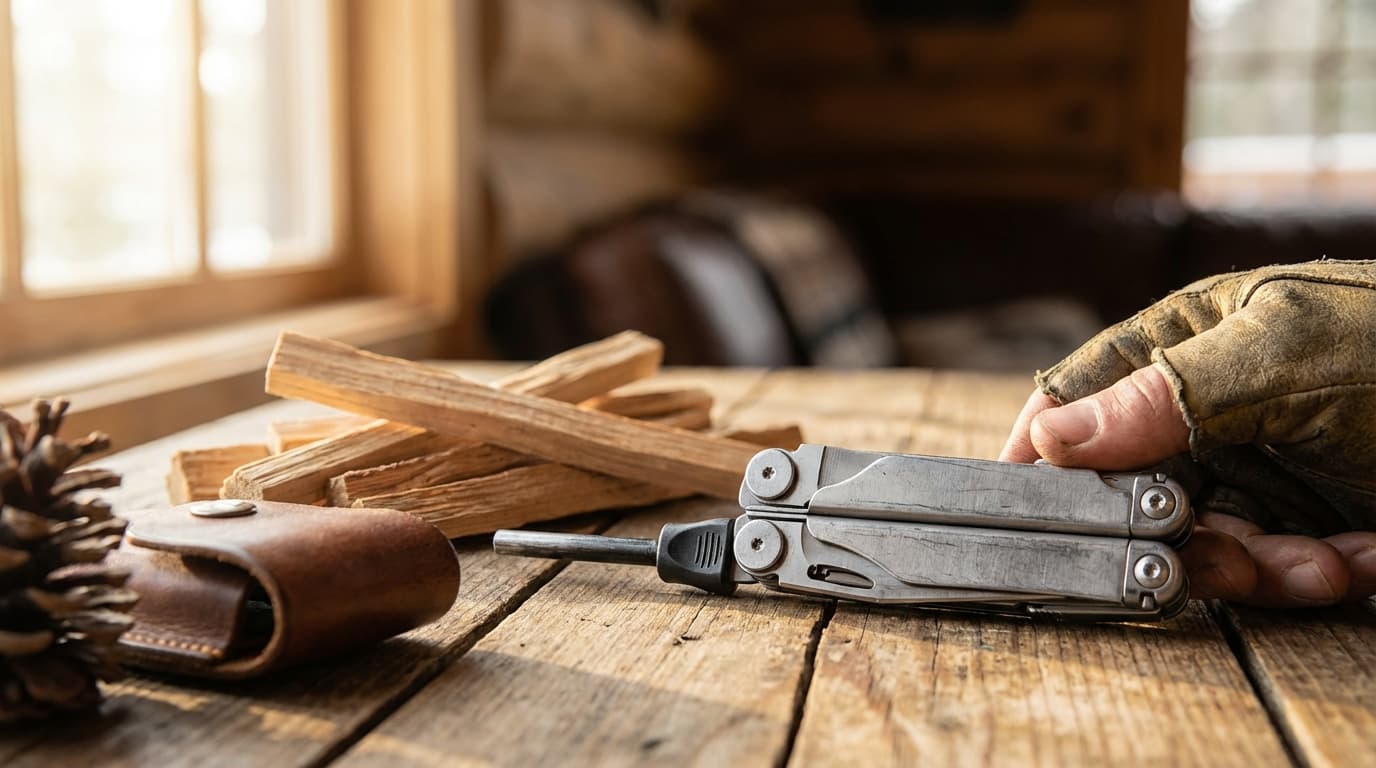
Have you ever been miles from the nearest road and realized your standard pliers just won't cut it? While a basic multi-tool is great for tightening a loose screw on your camping stove, true survival situations demand something more specialized. This is where tools like the Leatherman Signal come into play. It isn't just a folding pair of pliers. It includes a ferrocerium fire starter rod and an emergency whistle built right into the frame. If you find yourself cold and lost, those features matter a lot more than a wire stripper.
The shift toward survival-specific gear means these tools are becoming miniature bug-out bags. For instance, the Signal also carries a diamond-coated sharpener so you can keep your blade functional in the field without carrying extra stones. But survival isn't always about the woods. Sometimes it's a mechanical failure. This is why modular bit drivers have become a favorite for people who need to fix gear on the fly. Whether you are using a premium Leatherman ARC with its 20 functions or a classic Wave+, having the right bit can be the difference between a quick fix and a long walk home.
You might wonder if all this extra utility makes the tool too heavy to actually carry. It is a fair point. A full-sized model like the ARC weighs 8.6 ounces, which feels solid but noticeable. If you want to go lighter, something like the Skeletool CX drops that weight down to 5.2 ounces. The trade-off is usually fewer features. But with a 25-year warranty backing these tools, the real value is knowing that whatever you choose will actually work when things go wrong. After all, the best survival tool is the one you actually have in your pocket when the sun starts to set.
Key insights:
Modern survival tools integrate fire starters and whistles directly into the frame for emergency use.
Modular bit drivers provide the versatility needed for mechanical repairs in remote locations.
Choosing between a full-featured tool and a skeletonized model requires balancing weight against utility.
The Budget Surprise: Can a $40 Tool Actually Compete?
You are looking at a $230 Leatherman ARC and then you see it: the Gordon 20-in-1 for about $40. It feels like a trick. How can a tool that costs less than a fast food combo meal compete with a premium powerhouse? The reality is that the budget market has shifted. While Leatherman still dominates the high-end with fancy steels and a 25-year warranty, house brands are finally making tools that do not fall apart the first time you use them.
Of course, there are trade-offs. A premium tool like the ARC uses MagnaCut steel that holds an edge for months. Budget tools usually stick with softer 420HC steel. You also lose the smooth one-handed opening found on high-end models. But does that matter when you are scraping gunk off a battery or prying open a stuck lid? Sometimes, good enough is exactly what you need for a messy job.
This is why many carry a beater tool. Would you rather use your $200 tool to scrape grease off an engine or a $40 Gordon? If you lose a budget tool or snap a tip prying something, it is a minor annoyance rather than a tragedy. For abusive jobs, the budget option is not just a compromise, it is often the smarter choice. It lets you work without the fear of ruining an investment.
Key insights:
The Gordon 20-in-1 provides a surprising amount of utility for $40, making it a legitimate choice for basic tasks.
Premium tools justify their high price with advanced blade steels like MagnaCut and long-term warranty support.
Using a budget tool for high-risk or messy jobs protects your expensive gear from unnecessary damage.
How to Choose Your Forever Tool
Ever wonder why some people swear by their multi-tool while yours just sits in a kitchen drawer? Doug Mahoney from Wirecutter explains it best: if you do not carry one, you cannot imagine why you would need it, but once you find a tool you love, you will end up pulling it out seven times a day. Finding that forever tool starts with being honest about your daily routine. Are you mostly opening packages and tightening loose screws at the office, or are you heading into the woods where a fire starter and emergency whistle actually matter?
Weight is usually the biggest deal-breaker for most people. If you want a tool that disappears in your pocket, the Leatherman Skeletool CX is a great choice at just 5.2 ounces. It stays light by stripping away the fluff. On the other hand, if you want the best of the best, the Leatherman ARC is the current powerhouse. It is heavier at 8.6 ounces, but it uses MagnaCut steel, which stays sharp for ages and resists rust better than almost anything else. It also features one-handed opening technology, which has quickly become the standard for modern safety and convenience.
You do not have to spend a fortune to get a reliable kit, either. While the ARC is a premium investment, the Gordon 20-in-1 is a surprisingly solid budget pick at around $40. Regardless of the price, look for a brand that stands behind their gear. Leatherman, for instance, offers a 25-year warranty on their products. That kind of long-term support is what turns a simple purchase into a tool you will still be using decades from now.
Key insights:
The 'Seven Times a Day' rule: A good multi-tool becomes a habit once it fits your lifestyle.
One-handed operation is no longer a luxury; it is a vital safety feature for modern tools.
Weight matters: Choose a skeletonized frame for EDC or a full-featured tool for survival tasks.
Premium steels like MagnaCut are bridging the gap between multi-tools and high-end pocket knives.
Frequently Asked Questions
For most people, it really comes down to how much you hate sharpening your tools. If you are a casual camper, spending the extra cash for a tool like the Leatherman ARC might feel like overkill at first. But here is the thing that most people miss. MagnaCut steel is famous for being almost impossible to rust and holding an edge for a very long time.
It means you can leave your tool in a damp camping bin for months and it will still be ready to go when you are. You are not just paying for a fancy name. You are paying for the peace of mind that your knife will not be a rusty mess when you need to cut some rope or prep dinner. If you want a tool that lasts a lifetime without much work, it is worth the investment.
It really depends on what you plan to do out there. If you are hiking and need to handle small tasks, a survival multi-tool like the Leatherman Signal can definitely be your main tool. It even has a built-in fire starter and an emergency whistle which a standard knife does not have. Also, one-handed opening is becoming the standard now, making these tools much safer and faster to use in a pinch.
But if you are planning on heavy bushcraft like splitting logs, a multi-tool can not match the strength of a solid fixed-blade knife. The folding joints are naturally a weak point. Most experts suggest using a multi-tool for your daily tasks and keeping a dedicated knife for the really rough work. Remember that a multi-tool is about versatility, while a fixed blade is about raw strength.
Sand gets into every tiny gap and can really mess up the smooth opening of your tool. The first thing you should do is give it a good rinse with fresh water to get the salt and grit out. Saltwater is especially tough on metal, so do not skip this step.
After the rinse, use some compressed air to blow out the hidden spots. Once it is dry, a light drop of oil on the hinges makes a world of difference. Since brands like Leatherman offer a 25 year warranty, keeping it clean helps ensure the tool actually lasts for decades.
It actually does work, but there is a bit of a trick to it. The Signal uses a ferrocerium rod, which is great because it creates sparks even if the tool gets soaked. You just need to scrape off the outer coating first to get to the fresh material underneath.
But here is the thing: while the tool can make sparks in a downpour, finding dry wood to catch those sparks is the real challenge. It is a solid survival feature for bushcraft, but you still have to do your part to keep your tinder dry.
Conclusion
So what does this mean for your pockets? We have moved past the days of heavy, clunky tools that were hard to use. Now you can get high-end steel and one-handed tools that actually work when you are in a pinch. Whether you want the best survival multi-tool 2026 has to offer or a solid budget pick, the technology is better than ever.
Your next move is to look at how you spend your time. If you are into bushcraft, a multi-tool with fire starter is a lifesaver. But if you just need something for light camping, a smaller tool works fine. The Leatherman vs Gerber for camping debate will always be there, but the winner is the tool you have on you when things go wrong.
Pick a tool that feels right and fits your budget. Whether you are fixing a tent or tightening a loose screw, you will wonder how you lived without it. It is the peace of mind that you can handle whatever the day throws your way.
Every WilderReady guide is researched, written, and fact-checked in-house against trusted references such as the American Red Cross, the National Park Service, and the CDC before it goes live. We publish under this shared byline instead of invented personas, so you always know who stands behind the guidance you are reading.