Why Your Brain Quits Before Your Body Does: Surviving the Woods Alone
Have you ever wondered why some people tap out in the wild even when they still have plenty of food and water? It turns out your brain usually decides to...
Why Your Brain Quits Before Your Body Does: Surviving the Woods Alone
Have you ever wondered why some people tap out in the wild even when they still have plenty of food and water? It turns out your brain usually decides to quit long before your body actually runs out of steam.
When you are practicing solo wilderness survival, the silence of the woods can feel heavier than a sixty pound pack. This mental battle is often the hardest part of staying safe because survival psychology plays a much bigger role than most people realize.
We are going to look at how to handle isolation survival strategies and build the mental toughness tips you need to stay calm. You will learn how to overcome fear in the woods and use your surroundings to keep your head clear when things get tough.
From navigating by the stars to using the Stop Think Observe Plan method, this guide covers the skills that keep you moving forward. Let's look at why your mindset is your best tool for getting back home safely.
Ever wonder why some people walk out of the woods while others give up even when they still have food and water? It's a strange reality, but most people fail in the wild because of their heads, not their stomachs. Survival expert Tom Williams points out that for most, it's simply the brain deciding that enough is enough long before the body actually breaks. This is why survival is widely considered 90% mental.
You might have all the gear and skills in the world, but they won't save you if you can't handle the fear of being alone. This is why top survival schools are shifting their focus. They aren't just teaching fire-making anymore; they are training people to handle the crushing weight of isolation and silence. Think of it this way: your mind is your best tool, but it's also your biggest liability when things go south.
So, how do you stay sharp when things get tough? We're going to look at how to keep your cool when the woods start to feel heavy. You'll learn how to stay in the game so that when your brain tries to throw in the towel, you have the mental toughness to keep moving forward.
Key insights:
Survival failure is often psychological rather than a lack of physical resources.
The brain typically reaches a perceived limit and tries to quit before the body is actually exhausted.
Modern survival training prioritizes mental resilience and isolation management over technical skills alone.
The Hidden Battle: Why Your Mind Is Your Biggest Obstacle
Imagine you are deep in the woods. You have a warm fire going and plenty of water, but suddenly, you just want to leave. This is the hidden battle every survivor faces. Tom Williams often points out that for most people, it is the brain that tells you when enough is enough. It is rarely a lack of food or gear that ends a trip. Usually, it is the mental weight of being away from comfort that causes someone to tap out early.
When the Brain Says 'Enough' There is a real science behind why we hit a psychological breaking point. Your mind is a survival machine, but it prefers the safety of your living room over the cold ground. Even when you have the physical tools to stay, your brain can trigger a mental crash. Programs like Desert Island Survival have worked with over 1,000 adventurers and seen this firsthand. They maintain 100% 5-star reviews because they focus on this mental edge just as much as the physical skills.
Shifting from a victim mindset to a survivor mindset is the only way to win this game. A victim looks at the rain and sees a cold, miserable problem. A survivor looks at that same rain and sees a way to collect fresh water. This simple mental shift changes how you process stress. It stops the brain from deciding that the situation is impossible before your body even gets tired.
Taming the Silence of Isolation The 'Sweden Alone' trend is a great example of how people are now testing their mental limits through solo trips. Being truly alone is a specific kind of discomfort that most people never experience in modern life. Using mindfulness helps you handle that heavy silence. Instead of letting your thoughts run wild with fear, you learn to stay present. You realize that being alone is not a threat, it is just a different state of being that you can control.
Having a clear mission helps keep your mind steady. When you focus on finding direction using the sun or the North Star, you give your brain a job to do. Experts like Matt Boger, who taught at Ranger School, know that these skills provide more than just a way home. They provide a mental anchor. When you understand the land and the local plants, the woods feel less like a scary trap and more like a place where you belong. This is how you stop your brain from quitting before your body does.
Key insights:
Psychological failure usually happens long before physical resources run out.
Mindfulness and situational awareness act as anchors against the fear of isolation.
Survival training is shifting focus from purely technical skills to mental resilience techniques.
When the Brain Says 'Enough'
Imagine you are sitting by a warm fire with plenty of food, yet every part of you wants to give up and go home. It sounds backward, but it happens more than you would think. While we often focus on gear and gadgets, the real battle happens between your ears. Recent findings show that the primary reason people tap out in the wild is not a lack of food or water. It is simply the brain deciding it has had enough.
Tom Williams, an expert who has seen this play out with many adventurers, notes that for most survivors, the breaking point comes when the mind just shuts down. You can have all the physical resources in the world, but they will not stop a mental crash if you are not prepared for the crushing weight of silence and isolation. This is why modern survival schools are shifting their focus. They are spending less time on just building shelters and more time on building a survival mindset to handle the quiet fears that creep in when you are alone.
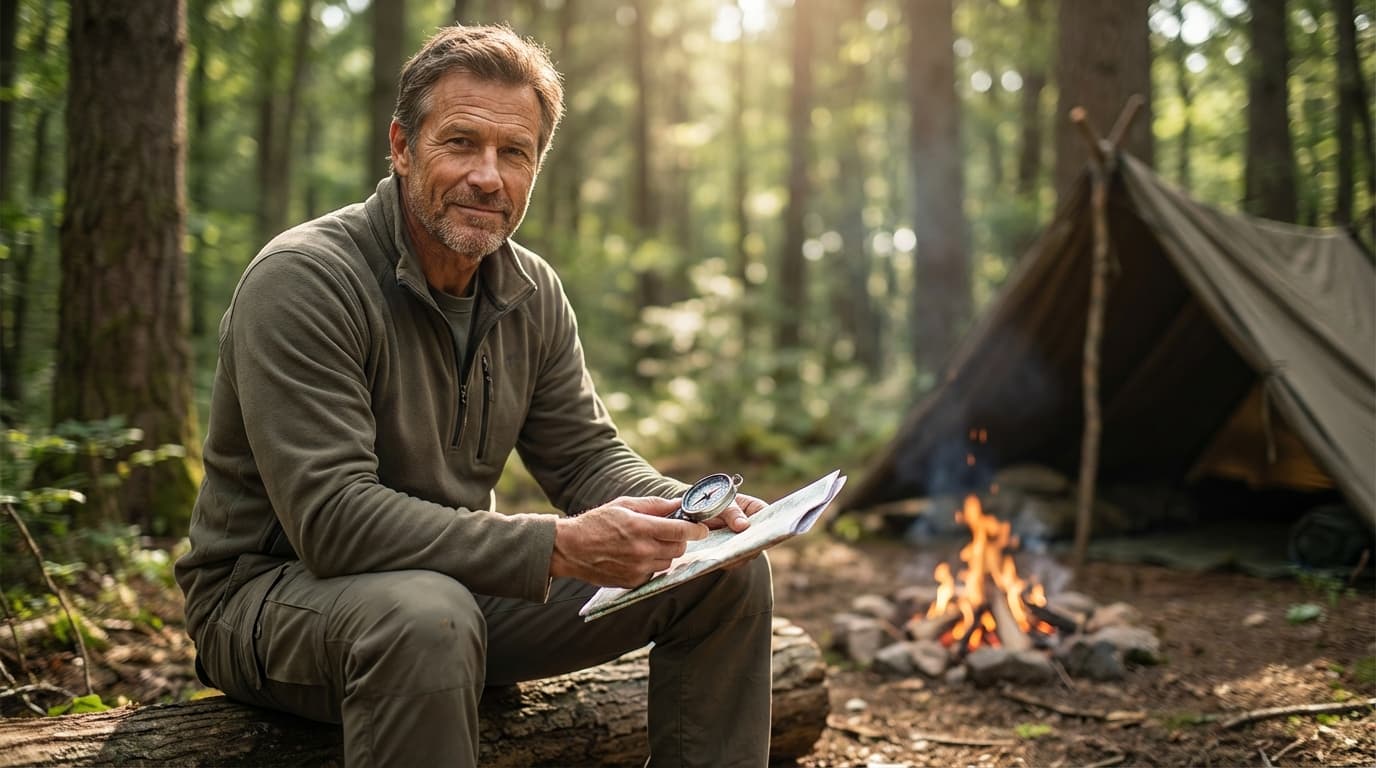
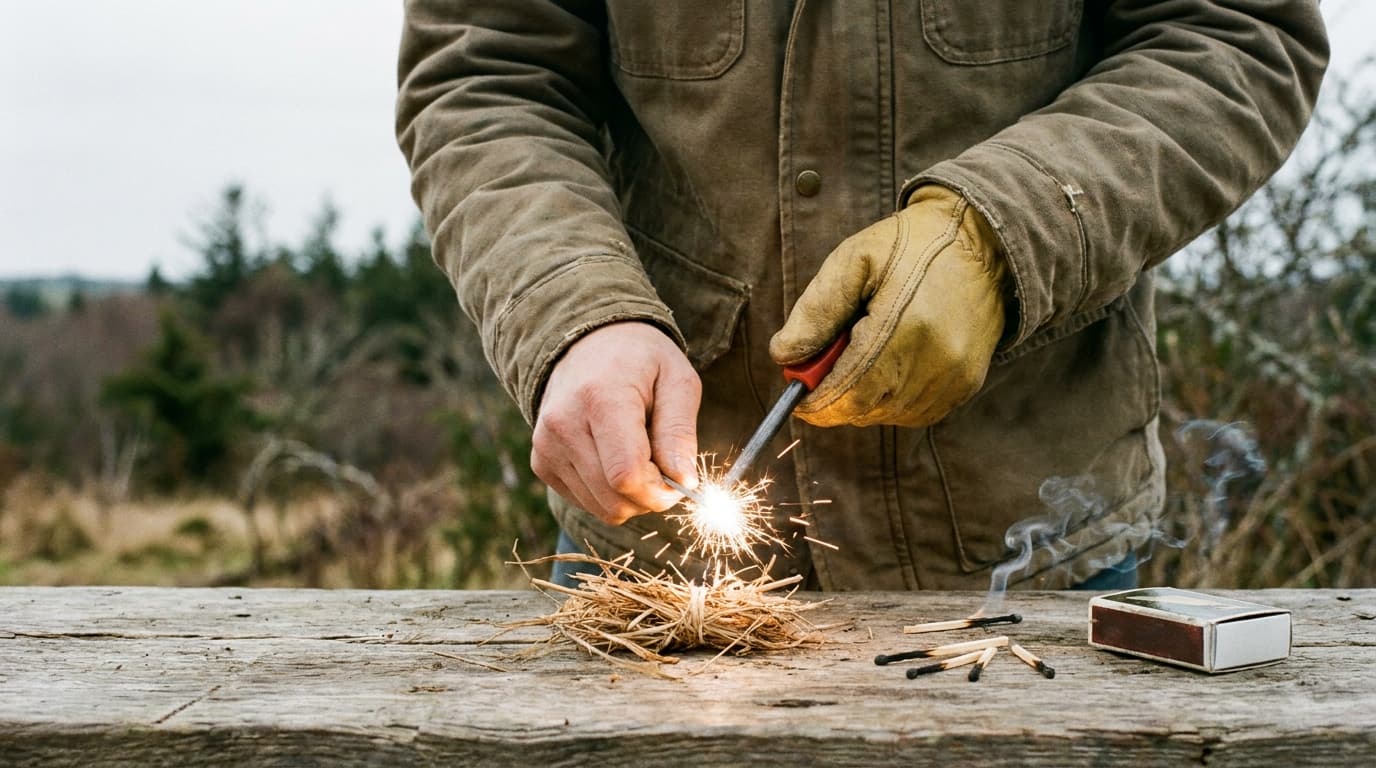
So, what does this mean for you? It means psychological prep is just as vital as learning to use a compass or start a fire. Think of it this way: your skills are your tools, but your mind is the engine. If the engine stalls, the best tools in the world will not get you home. Survival is really about discovering a level of inner strength you did not know was there until everything else was stripped away.
Key insights:
Psychological breaking points often happen even when physical needs like food and shelter are met.
Modern survival training now prioritizes emotional regulation and mindfulness to combat the stress of isolation.
The brain acts as the primary engine for survival, making mental toughness more critical than technical gear.
Taming the Silence of Isolation
Have you ever sat in total silence for more than ten minutes? In the woods, that silence isn't empty - it's heavy. This is where the 'Sweden Alone' trend comes in. Adventurers are testing their mental limits by stripping away every distraction. It turns out, being alone is a skill you have to practice. Most people who quit a survival situation don't do it because they ran out of food. They 'tap out' because their brain simply decides enough is enough.
Tom Williams, a survival expert, notes that it’s usually your mind, not your body, that gives up first. To fight this, modern training is shifting. It’s no longer just about building a fire; it’s about mindfulness. You have to learn to sit with the discomfort of your own thoughts without panicking. Think of it as mental navigation. Just as you’d use the North Star to find your way home, you use breathing and awareness to find your way through a spike of fear.
When the silence starts to feel loud, that’s your cue to lean in. Schools like Desert Island Survival, which has seen over a thousand adventurers through these trials, prove that psychological prep is just as vital as physical gear. It’s about discovering a strength you didn’t know you had. By facing that quiet head-on, you stop being a victim of your surroundings and start becoming a part of them.
Key insights:
The brain often quits before the body, making psychological resilience the most important survival tool.
Mindfulness and emotional regulation are now core parts of survival training to help manage the 'quiet' fear of isolation.
Staying Grounded When Fear Starts to Creep In
When you're out there alone and the sun starts to dip, that cold knot in your stomach isn't your enemy. It’s actually your oldest survival tool. Fear is just your body’s way of saying it is time to pay attention. But there’s a tipping point. As survival expert Tom Williams points out, most people do not fail because they ran out of food or water. They quit because their brain decides enough is enough. To keep your mind from hitting that eject button, you have to learn how to sit with the discomfort instead of letting it drive the bus. It is about realizing that fear is just a passenger, not the driver.
Think of it this way: fear is like a high-revving engine. If you do not shift gears, you will burn out. Jason Marsteiner often talks about how survival is not just about making fire or building a shelter. It’s really about facing those internal shadows to find a level of strength you did not know you had. When your heart starts racing, your first job isn't to find food. Your first job is to lower your pulse. Taking slow, deep breaths and forcing yourself to stay still for a minute can be the difference between a smart choice and a dangerous mistake. You are essentially rebooting your internal computer so you can think clearly again.
Turning that panic into a plan is where the real magic happens. Have you ever heard of the STOP method? It stands for Sit, Think, Observe, and Plan. It sounds simple because it is. When the woods feel like they are closing in, just sitting down for five minutes forces your brain to switch from run away mode to problem solve mode. It breaks the cycle of what if and replaces it with what is next. It is a proven way to reclaim your focus when the environment feels overwhelming and your nerves are frayed.
Another trick is to just stay busy. Panic loves a vacuum. If you are sitting around doing nothing, your mind will invent monsters in every shadow. But if you are busy sharpening a stick, organizing your gear, or tending a small fire, you are giving your brain a job to do. This kind of productive distraction keeps you grounded in the present moment. It is why so many survival schools are moving toward teaching mindset as much as they teach physical skills. Your hands keep your head in the game, and before you know it, that creeping fear has turned into steady, quiet confidence.
Key insights:
Psychological endurance is often more important than physical supplies in a survival situation.
The STOP method provides a simple framework to move from panic to logical planning.
Physical tasks and staying busy act as a productive distraction that prevents the mind from spiraling.
Lowering your heart rate through breathing is the first step to restoring clear, logical thought.
Turning Fear Into Focus
When your heart starts racing and the woods feel like they are closing in, your first instinct is usually to run. But that is exactly when you need to freeze. Survival experts rely on the STOP method: Stop, Think, Observe, and Plan. It acts as a circuit breaker for your brain. Instead of letting fear drive you into a mistake, you are forcing yourself to look at the situation logically. What is the sun doing? Where is the high ground? This shifts your focus from the panic in your chest to the environment around you.
The reality is that your brain usually quits long before your body does. Experts like Tom Williams note that people often 'tap out' simply because their mind decides 'enough is enough,' even if they still have plenty of food and water. This is why staying busy is your best defense against the psychological weight of isolation. When you give yourself a job, like gathering wood or checking the topography for hazards, you leave no room for panic to take root.
By focusing on small, winnable tasks, you turn overwhelming dread into a series of clear steps. Desert Island Survival has seen this mental shift work for over 1,000 adventurers who maintained a perfect track record of success. It is not just about fire or shelter. It is about facing your fears to find a strength you did not know was there. So, next time you feel that rising heat of worry, just pick up a stick and start working.
Key insights:
The STOP method provides a logical framework to halt the physiological effects of panic.
Psychological fatigue often causes survival failure before physical resources actually run out.
Purposeful activity acts as a mental anchor to prevent the brain from spiraling into fear.
Finding Your Way Without a Phone
What happens when that glowing rectangle in your pocket finally dies? It is a sinking feeling, but it should not be a disaster. Traditional land skills are your mandatory backup plan because tech fails, but the earth stays the same. Matt Boger, a former Army Ranger who actually taught these skills at Ranger School, pushes a specific approach to the woods. His big secret is simple: trust your eyes, not your gut. Think about the last time you were sure you turned left, only to realize you were facing the wrong way. Your 'feeling' of which way is north is usually wrong. Look at the physical facts in front of you instead.
During the day, look to the sky. The sun is the most reliable tool you have, rising in the east and setting in the west. This gives you a clear line of travel without needing a compass. If you are moving at night, look for Polaris. The North Star stays put in the northern hemisphere, acting as a fixed anchor for your direction. These are not just old tricks. They are survival essentials that keep you moving in a straight line when your brain wants to lead you in circles. Finding these markers gives you the confidence to keep going when your phone is long gone.
You can also read the landscape like a map. Think of ridgelines and rivers as 'handrails' for your travel. If you follow the edge of a ridge or keep a river within sight, you have a constant reference point that prevents you from getting turned around. This level of awareness, such as spotting topography changes or identifying local hazards like flash flood areas, keeps your mind sharp. Survival schools like Desert Island Survival, which has helped over 1,000 adventurers, know that the brain is usually the first thing to 'tap out.' The interesting part is that when you use the earth to guide you, the fear of being lost fades and your mind stays focused on the next step.
Key insights:
Trust visual evidence like the sun and stars over your internal sense of direction.
Use natural features like ridgelines and rivers as handrails to maintain a consistent path.
Environmental awareness helps manage survival psychology by replacing fear with actionable data.
Using the Sun and Stars
Ever felt that spike of panic when you aren't sure which way leads back to camp? You are not alone. Desert Island Survival has helped over 1,000 adventurers face these exact moments. The first step is to look up. The sun is your oldest tool. Since it rises in the east and sets in the west, you have a natural compass right there. Use the shadow of a stick to trace a line between those points. This awareness keeps you grounded when things get tough.
At night, look for the North Star, or Polaris. Find it by following the edge of the Big Dipper. Polaris stays fixed in the northern sky, giving you a steady point to follow. Experts like Matt Boger, a former Army Ranger, teach these methods because they are the only reliable backups when your GPS fails. It is a simple skill that has saved people for centuries.
This is about more than direction. It is about your head. Tom Williams notes that survivors often quit because their brain decides enough is enough, not because they lack resources. Knowing how to read the sky gives you back a sense of control. That confidence helps you push through the fear of being alone and keeps your mind focused on the path home.
Key insights:
The sun and stars provide a reliable backup when electronic devices fail.
Natural navigation builds the mental toughness needed to avoid the psychological tap-out response.
Traditional skills like shadow-tracking and locating Polaris are essential for maintaining environmental awareness.
Reading the Land Like a Map
Have you ever looked at a thick forest and felt like you were staring at a wall of green? It is easy to feel lost when everything looks the same, but the land actually has a rhythm you can learn to read. Instead of just walking, experts like Matt Boger, a former Army Ranger, teach students to use ridgelines and rivers as handrails. These natural features guide you, keeping you on track without needing a screen or a battery.
This matters because finding your way is as much about your mind as it is about your feet. We know that people often tap out in the woods because their brain gets overwhelmed, not because they ran out of food or water. By understanding topography and spotting hazards like flash flood zones before they become a problem, you replace panic with a plan. It is hard for fear to take root when you know exactly where you are standing.
You can also look up for a sense of direction. The sun rises in the east and sets in the west, while the North Star stays put in the northern sky. These simple clues are the mandatory backup every adventurer needs when tech fails. When you know how to read the land like a map, the wilderness starts feeling less like a maze and more like a place where you belong.
Key insights:
Natural features like rivers and ridgelines act as handrails to keep you on course.
Understanding your environment reduces the psychological stress that often leads to quitting.
Celestial clues like the sun and Polaris are essential backups for modern technology.
Building Your Mental Toughness Toolkit
You are out there and your legs feel fine, but your mind is screaming for you to stop. This is the moment most people decide to tap out. It usually isn't because they ran out of water or couldn't build a shelter. Instead, it is the brain deciding that enough is enough. Tom Williams, an expert in the field, says that for most survivors, the mental wall is the real finish line. To push past that, you need a toolkit that starts working long before you ever step into the trees.
Think about your daily routine for a second. Building mental toughness does not require a mountain. It starts with small habits that sharpen your survival edge. This might mean choosing the harder path or staying calm when things go wrong at home. When you are actually in the wild, this practice translates into wilderness awareness. Knowing the difference between a harmless shrub and a poisonous plant is not just a survival trick. It builds a sense of control. When you recognize the flora and fauna around you, the woods stop feeling like a scary or alien place. They start feeling like a neighborhood you actually understand.
Weather is another huge factor in your mental state. If you do not know how to read the sky, a sudden storm feels like a personal attack from nature. That uncertainty creates massive psychological stress that drains your energy. But if you have studied local patterns, you can see a cold front coming. You prepare instead of panicking. Even experts like Matt Boger, a former Army Ranger who taught navigation, emphasize that knowing your environment is the key to staying level headed. It is all about removing the big what-ifs that eat away at your resolve.
Survival schools see this mental shift every day. Desert Island Survival has worked with over 1,000 people and they keep a perfect record of 5-star reviews because they focus on the head game. Jason Marsteiner points out that survival is really about facing your fears to find hidden strength. While a GPS is handy, knowing how to find the North Star or track the sun gives you a backup that never dies. That kind of self-reliance is the real cure for the silence and isolation that usually break a person's spirit. When you know you can find your way, the woods feel like home.
Key insights:
The brain is the primary reason for failure in survival situations, often quitting before the body does.
Recognizing local plants and animals builds confidence and removes the fear of the unknown.
Predicting weather patterns prevents the psychological panic caused by sudden environmental changes.
Traditional navigation skills like celestial tracking provide a mental safety net that technology cannot match.
The Real Secret to Coming Home Safely
Most folks think survival is all about rubbing sticks together or building a pine-needle palace. But the truth is much quieter. It is about what happens in your head when the sun goes down and the silence starts to feel heavy. This is where the real work of staying safe begins.
Expert Tom Williams often says the brain usually decides when enough is enough long before the body does. Even if you have the best gear, if your mind quits, the rest follows. This is why over a thousand adventurers have trusted professional training to bridge the gap between skills and grit. As Jason Marsteiner puts it, survival is about facing fears and finding a strength you never knew was there.
You are actually more capable than you realize. While learning to find the North Star or reading the sun is a vital backup for when your phone dies, those skills mostly give your brain a job to do. They build the confidence you need to handle being alone. When you understand the land and how to spot local hazards, the woods stop being scary and start being a challenge you can handle.
So, how do you get started? Keep it simple. You do not need to vanish for a month to get better. Take a day trip, practice your skills in a local park, and get used to the quiet. Every small win builds the mental toughness you need to come home safely.
Key insights:
Psychological endurance is the real key to survival because the mind often gives up before the body.
Traditional skills like celestial navigation serve as a mental safety net that lowers anxiety in the wild.
Building confidence starts with small, successful outdoor experiences rather than sudden extreme tests.
Frequently Asked Questions
The very first thing you need to do is just stop right where you are. It sounds simple, but your brain is actually your biggest hurdle in this situation. Most people who run into trouble in the wild do not fail because they ran out of food or water, they fail because their mind decided enough was enough and they started to panic.
Once you have calmed down, try looking at the world around you for clues. You can often find your direction by watching where the sun sets or finding the North Star if it is dark out. Here is the thing: staying put for a minute helps you switch from a state of fear to a survival mindset, which is way more important than any gear you might be carrying.
Being alone in the dark can be pretty spooky, but remember that most animals are actually more scared of you than you are of them. A lot of that fear comes from the heavy silence and the feeling of being isolated. Many survival experts now teach mindfulness and ways to regulate your emotions just to help people handle these exact moments when the woods get quiet.
It also helps to learn about the local animals before you head out. When you understand how they behave and what the real hazards are, those weird noises in the bushes start feeling a lot less threatening. It is all about training your brain to stay calm instead of letting your imagination take over.
You can definitely use the sun to get your bearings, but it is more about finding a direction than a specific front door. Since the sun rises in the east and sets in the west, it acts like a giant, natural compass in the sky.
If you know your general route, this is a lifesaver. But here is the thing: the sun moves, so you have to track it. Most experts use the sun along with other clues like the North Star or even just watching how shadows fall. It is a mandatory backup skill because technology like a GPS can always fail when you need it most.
It usually comes down to psychology rather than physical strength. Even the most seasoned hikers can hit a wall where their brain simply decides that enough is enough. This is often called tapping out.
Survival expert Tom Williams notes that the mind often gives up long before the body runs out of resources like food or water. It is the isolation and the fear of being alone that really tests people. That is why mental toughness and learning how to stay calm are just as important as knowing how to build a fire or find water.
Conclusion
Survival is less about the fancy gear in your pack and more about the thoughts running through your head. It is easy to think the woods are the problem, but the real challenge is managing that inner voice when things get quiet. By understanding survival psychology and using simple tools like the STOP method, you can keep your brain from quitting long before your body is actually tired. It is all about staying grounded when isolation starts to feel a bit heavy.
If you want to build your mental toughness, do not wait for a real emergency to test your limits. Start small by spending an afternoon alone in a local park or practicing your land navigation without a phone on a trail you already know. The goal is to get used to the feeling of being alone so that fear becomes a tool for focus instead of a reason to panic.
The woods have a way of showing you exactly what you are made of. You are likely much stronger and more capable than your brain wants you to believe right now. Trust your skills, keep your head, and remember that the journey home always starts with staying calm.
Every WilderReady guide is researched, written, and fact-checked in-house against trusted references such as the American Red Cross, the National Park Service, and the CDC before it goes live. We publish under this shared byline instead of invented personas, so you always know who stands behind the guidance you are reading.