Why Your 2026 Hiking Kit Needs More Than Just a Heavy Jacket
Think your thickest parka is the secret to staying warm on a chilly ridge? You might want to rethink that. In reality, your outer shell is only as good as...
Why Your 2026 Hiking Kit Needs More Than Just a Heavy Jacket
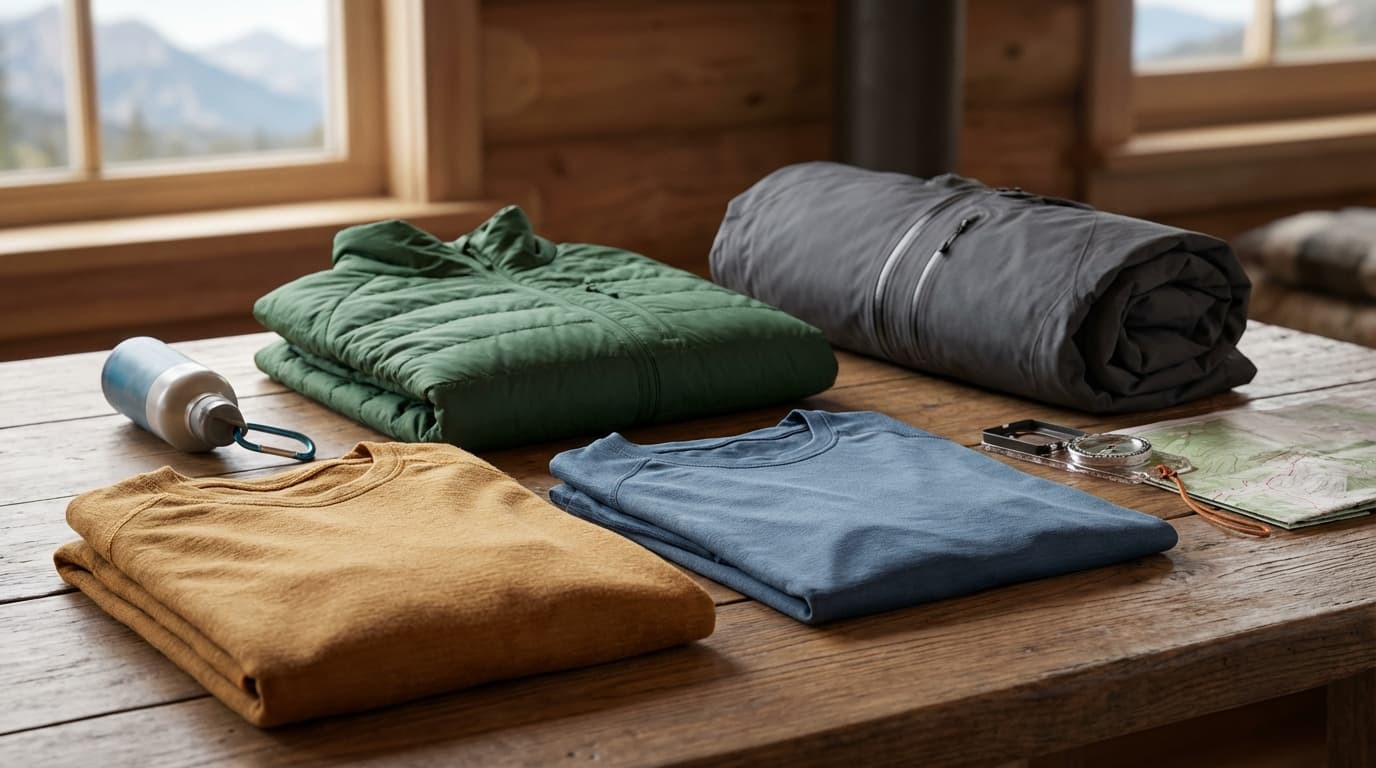
Think your thickest parka is the secret to staying warm on a chilly ridge? You might want to rethink that. In reality, your outer shell is only as good as what you wear underneath it. As we look at the best outdoor clothing brands 2026 has to offer, the focus is shifting away from bulky coats and toward a smart hiking layer system that works with your body instead of against it.
Getting your kit right means understanding how moisture-wicking base layers and waterproof breathable jackets work together to keep you dry. Whether you are choosing between merino wool vs synthetic fabrics or looking for the latest tech, the goal is simple: stay comfortable from the windy trailhead to the sun-soaked peak. It is about managing heat before you start to sweat and staying warm even when the temperature dips into the mid-20s.
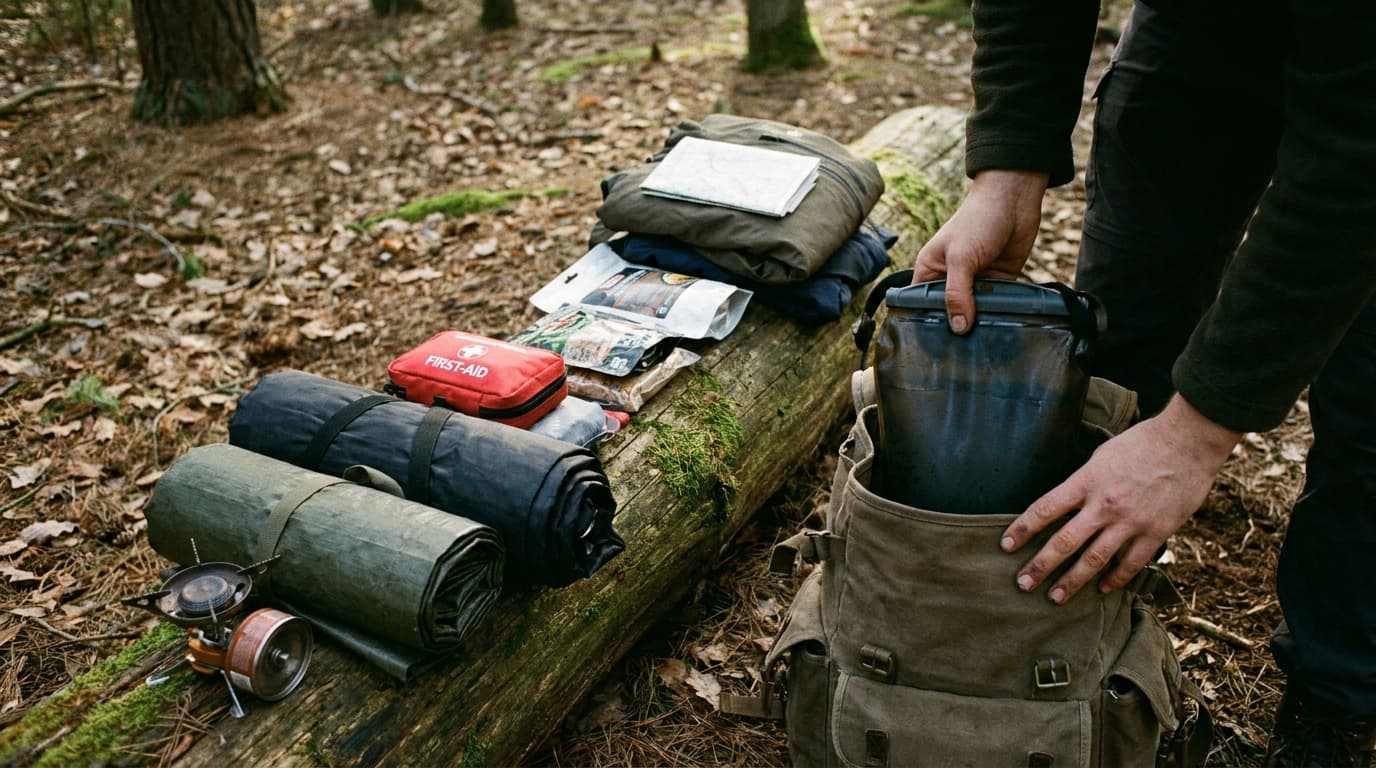
In this guide, we will break down the golden rules of layering and show you which 2026 brands are actually worth the investment. You will learn about fabric weights, eco-friendly insulation, and even whether heated gear is worth the extra weight. Let's get your pack ready for your next big adventure.
Ever stood on a windy ridge shivering despite wearing a massive puffer? It is a common mistake. We often think the outer shell does all the work, but a great 2026 hiking kit relies on a smarter foundation. A well-tuned 3-season system handles everything from mid-20s chills to sunny summits by focusing on layers that breathe and move with you.
Here is the thing: the layer touching your skin is actually the most important part of your kit. It manages heat and moisture before they ruin your day. New tech like Nuyarn - merino wool wrapped around a nylon core - is replacing heavy traditional wool. These pieces, like the Ibex Woolies, are tougher and warmer but weigh as little as 4.2 ounces.
Gear is also becoming greener and more intuitive. Brands like Patagonia are leading the way with biodegradable insulation and recycled fibers. The focus has shifted from bulky protection to active temperature management. This means you can carry less weight while staying more comfortable on the trail.
Key insights:
The base layer is the most critical component because it regulates moisture and skin temperature.
Nuyarn technology offers a better warmth-to-weight ratio and higher durability than 100% merino wool.
Modern 3-season systems are designed to be effective down to 25 degrees Fahrenheit.
The Golden Rule of Layering: Start With Your Skin
Think about the last time you hiked up a steep trail in a thick parka. You probably ended up soaking wet from sweat and then shivering the moment you stopped for a snack. That is because a heavy jacket is only one piece of the puzzle. A solid 3-season system, which should keep you comfortable down to the mid-20s, relies on a simple three-layer principle: a base for moisture, a mid for warmth, and a shell for protection. If you get the foundation wrong, no amount of outer insulation will keep you happy.
The base layer is really the engine of your whole temperature control setup. Since it is the only thing actually touching your skin, it has the hardest job. It needs to pull sweat away from your body before it has a chance to turn into a cold chill. Scott Gilbertson from WIRED puts it best: nothing you wear is as important as that first layer. If this part fails, the rest of your gear won't matter much. Think of it as the barrier that prevents the dreaded sweat-freeze cycle from ruining your day.
When you are shopping, you will see a number called GSM, which stands for grams per square meter. Do not let the math scare you; it is just a way to measure how thick the fabric is. For most ultralight hikers, 125-gsm is the sweet spot because it is light and breathable. The Ibex Woolies Pro Tech, for instance, uses this weight and only weighs about 4.2 ounces. If you are heading into much colder territory or winter adventures, you might want to step up to a 200-gsm fabric for that extra bit of density and warmth.
Materials have come a long way lately. While Patagonia is still a top-tier choice for overall gear, brands like Ibex are using Nuyarn technology. This involves wrapping merino wool around a nylon core. The result? You get the soft, odor-resistant perks of wool with the strength and quick-drying power of synthetics. It is a huge win for durability without adding extra weight to your pack. This kind of hybrid fabric is quickly outperforming traditional 100 percent merino in real-world testing.
The real danger on the trail is when moisture stays trapped against your skin. High-quality wicking layers prevent this by spreading moisture out so it can evaporate quickly. Even as we see more heated jackets and smart tech entering the market for 2026, a reliable, sustainable wicking layer remains the non-negotiable foundation of any kit. It is about staying dry so you can stay warm, rather than just piling on more clothes and hoping for the best.
Key insights:
The base layer is the most critical component of a layering system because it manages heat and moisture directly against the skin.
Hybrid fabrics like Nuyarn provide better durability and warmth-to-weight ratios than traditional 100 percent merino wool.
Fabric density is measured in GSM, with 125-gsm being ideal for ultralight use and 200-gsm for colder conditions.
A proper 3-season layering system should be able to handle temperatures dropping into the mid-20s (F).
Understanding GSM: How Heavy Should Your Base Layer Be?
Ever wonder why some base layers feel like a second skin while others feel like a heavy sweater? It all comes down to GSM, or grams per square meter. Think of it as the speedometer for fabric density. Instead of getting bogged down in the math, just remember that a lower number means a lighter shirt. This matters because the layer touching your skin is the most important part of your kit. It is what keeps you dry and manages your body heat before the rest of your layers even get a chance to work.
For those looking to move fast, the 125-gsm range is the sweet spot. Take the Ibex Woolies Pro Tech as a perfect example. It uses Nuyarn technology, where merino wool is wrapped around a nylon core to increase durability. This gives you the best of both worlds. A medium size weighs only about 4.2 ounces, making it a favorite for ultralight hikers who want to save weight without sacrificing warmth. It is light enough to breathe during a climb but substantial enough to keep a chill away.
But what happens when the forecast dips? That is when you step up to 200-gsm. While 125 is great for high-output days, a 200-gsm midweight fabric offers the extra buffer needed for colder adventures. Since a good 3-season system should handle temperatures down to the mid-20s, choosing the right density is about matching your gear to the environment. If you are heading into a frosty morning, that extra bit of fabric density makes all the difference in staying comfortable.
Key insights:
GSM measures fabric weight, with 125 being ultralight and 200 being midweight.
Nuyarn technology blends 85 percent merino with 15 percent nylon for better durability and warmth.
The base layer is the most critical component of a layering system because it manages skin-level moisture.
The Secret Power of the Moisture-Wicking Layer
Think about the last time you hiked up a steep trail in the cold. You are working hard, you feel warm, and then you stop for a break. Suddenly, that damp shirt against your skin turns into a literal ice pack. This is the 'sweat-freeze' cycle, and it is exactly what you want to avoid. Scott Gilbertson from WIRED points out that nothing in your layering setup is as important as the piece touching your skin. If that first layer fails to move moisture away, even the most expensive heavy jacket will not keep you warm when the temperature hits the mid-20s.
The secret lies in how the fabric handles your body heat. For 2026, the best gear uses hybrid materials like Nuyarn, which wraps merino wool around a nylon core. Take the Ibex Woolies Pro Tech as an example. It uses an ultralight 125-gsm fabric that weighs only 4.2 ounces. This design gives you the natural comfort of wool with the added strength of synthetic fibers. It is a smart way to stay dry without adding extra weight to your pack.
Why does this matter? Because a good base layer acts like a thermostat. When you choose a high-performance wicking layer, you are making sure your sweat evaporates instead of soaking into your clothes. It is the foundation of any solid 3-season system. Instead of just piling on thick sweaters, focus on that skin-contact layer first. It is the simplest way to stay comfortable from the trailhead to the summit.
Key insights:
The 'sweat-freeze' cycle occurs when moisture trapped against the skin cools down during periods of inactivity.
Nuyarn technology offers better durability and warmth-to-weight ratios than traditional 100% merino wool.
A 125-gsm fabric density is considered ultralight and ideal for active moisture management in variable conditions.
The Great Debate: Merino Wool vs. Synthetic
Ever found yourself shivering on a trail because your shirt stayed damp for hours? It is a classic frustration for hikers. For a long time, we felt forced to pick a side. You either went with the cozy, odor-resistant feel of natural merino wool or the rugged, fast-drying power of synthetics. But 2026 is the year we stop settling for one or the other. Experts like Scott Gilbertson from WIRED argue that nothing in your kit is as important as the layer touching your skin. It is the foundation that manages your heat and moisture. Getting it wrong can ruin a trip before it even starts.
The debate is shifting because our expectations for gear have changed. A reliable three-season layering system should be able to handle temperatures dropping into the mid-20s. To do that without carrying a bulky closet on your back, you need fabrics that work harder. This is why hybrid materials are taking over. We are moving away from 100 percent compositions and toward smart blends that offer the comfort of nature with the durability of lab-grown fibers. It is about finding a balance between natural comfort and the fast-drying durability we need for long days on the trail.
One of the most exciting developments in this space is Nuyarn technology. Instead of just mixing different fibers together in a vat, this process wraps merino wool around a high-performance nylon core. Think of it like this. You get the soft warmth of wool on the outside with a hidden skeleton of strength on the inside. The Ibex Woolies Pro Tech Crew uses this 85 percent merino and 15 percent nylon mix to create something that feels like a standard base layer but acts like armor. It solves the old problem of wool garments developing holes or losing their shape after just one season of heavy use.
When you compare the Ibex Woolies Pro Tech to traditional wool, the difference is clear. Traditional wool is great, but it can be heavy and slow to dry once it gets soaked with sweat. Because Nuyarn technology maintains the natural structure of the wool fiber, it actually increases the warmth of the garment while making it lighter. The Ibex crew uses a 125-gsm fabric, which is the standard measurement for fabric density. In the world of hiking, 125-gsm is considered ultralight, while 200-gsm is usually where midweight layers start. This tech allows you to stay warmer without the extra bulk.
Why does this matter for your next big hike? It comes down to weight-to-warmth ratios, which is the new metric smart hikers are using to judge their gear. Even though the Ibex crew only weighs 4.2 ounces for a medium, it provides more thermal protection than much heavier shirts. It breathes better, dries faster, and keeps you warmer when the temperature drops. This shift toward high-tech hybrids is also part of a larger move toward sustainability as brands focus on smarter engineering. It proves that your 2026 kit needs to be about performance and efficiency, not just thick insulation.
Key insights:
The moisture-wicking base layer is the most critical part of your layering system because it manages heat and moisture directly against your skin.
Hybrid fabrics like Nuyarn wrap wool around a nylon core to provide the comfort of merino with much better durability.
A 125-gsm weight-to-warmth ratio allows for a lighter pack without sacrificing the ability to handle temperatures down to the mid-20s.
Nuyarn: The Tech That's Changing the Game
Think about the last time you were shivering on a trail despite wearing three layers. The problem usually starts right against your skin. As Scott Gilbertson from WIRED says, that first layer is the most important part of your kit. If it fails to handle moisture or heat, everything else falls apart. This is why hikers are moving away from basic fabrics and looking at smarter tech like Nuyarn. It is a big shift in how we stay warm without carrying a heavy pack.
So, what is Nuyarn exactly? Imagine taking high-quality merino wool and wrapping it around a strong nylon core. Instead of a heavy, itchy sweater, you get something like the Ibex Woolies Pro Tech Crew. This shirt uses an 85 percent merino and 15 percent nylon blend. It weighs only 4.2 ounces for a medium. Because it uses 125 gsm fabric, it is ultralight but surprisingly tough. It effectively solves the old problem where pure wool would stretch out or tear after just a few tough uses.
The real win here is the weight-to-warmth ratio. In the past, if you wanted more heat, you needed thicker fabric. Now, tech like this lets you stay comfortable even when temperatures dip toward the mid-20s. It is about active temperature management rather than just piling on bulk. When you are pushing through a long hike, having a base layer that works this hard means you can focus on the trail instead of your gear.
Key insights:
Nuyarn increases durability and warmth by wrapping merino wool around a high-strength nylon core.
The Ibex Woolies Pro Tech weighs only 4.2 ounces while providing the protection of much heavier traditional layers.
Modern hikers are prioritizing weight-to-warmth ratios over fabric thickness for 3-season layering systems.
Brands Making a Difference in 2026
If you are looking for gear that lasts, Patagonia is still the name everyone mentions first. In 2026, they haven't lost their spot as the gold standard for outdoor clothing. It isn't just about the logo; it is about a track record of ethics that actually matches the quality of the jackets. When you are building a 3-season kit to handle those chilly mid-20s nights, you want a brand that doesn't cut corners on durability or the planet. This matters because a reliable layering system is really just the sum of every piece of clothing you choose to carry.
We are seeing a big shift in how brands think about staying warm. Instead of just stuffing jackets with whatever is cheapest, leaders are moving toward Polartec Power Fill and biodegradable options. It is about active temperature management rather than just passive heat trapping. Think of it this way: your clothes are starting to work harder so you do not have to carry as much weight. Some brands are even using reflective linings, like gold patterns that bounce your own body heat back to you while still letting your skin breathe during a steep climb.
But how do you tell what is actually good for the earth and what is just clever marketing? This is where gear like PrimaLoft Bio and recycled fibers come in. These materials are designed to break down much faster if they ever end up in a landfill, which is a huge win for the trails we love. To spot real sustainability, look past the generic labels and check for specific tech names or verified recycled content. If a brand is vague about where their fibers come from or how they are made, they might be greenwashing.
Also, pay attention to the small details like fabric density. You will see GSM on more labels now. A 125-gsm fabric is ultralight and perfect for moving fast, while 200-gsm is better for when the wind really starts to bite. Some brands are even wrapping merino wool around nylon cores - a tech called Nuyarn - to make clothes that are lighter yet tougher than old-school wool. It is these tiny engineering choices that make a 2026 kit feel so much more capable than the bulky layers of the past.
Key insights:
Patagonia remains the top-ranked brand for balancing high-end performance with genuine environmental ethics.
New insulation technologies like PrimaLoft Bio and Polartec Power Fill are replacing traditional synthetics to reduce long-term waste.
Look for specific technical terms like GSM and Nuyarn to verify if a brand is actually innovating or just using marketing buzzwords.
Eco-Friendly Gear That Actually Works
When you are out on the trail and the temperature drops into the mid-20s, you do not care about a marketing slogan. You care about staying warm. The good news is that eco-friendly gear is finally catching up to technical demands. We are seeing a massive shift toward materials like PrimaLoft Bio and recycled synthetic fibers that perform just as well as the old stuff. Brands like Patagonia are consistently ranked at the top for 2026 because they prove sustainability does not have to mean a sacrifice in quality.
But how do you know if a brand is actually doing the work or just greenwashing their image? Look past the leafy logos. Real sustainability shows up in the technical specs. For example, check if they use hybrid fabrics like Nuyarn, which wraps merino wool around a recycled nylon core. This technology makes your base layer tougher and warmer without adding unnecessary weight. If a company cannot explain the science behind their eco claims, they might just be selling you a story. Stick with brands that focus on durability and transparent sourcing so your gear stays in your pack and out of the landfill.
Key insights:
Look for specific material names like PrimaLoft Bio or Polartec Power Fill to verify eco-claims.
True sustainability focuses on durability and repairability rather than just recycled labels.
High-Tech Hikers: Is Heated Clothing Worth the Hype?
Think about the last time you were shivering on a ridge, waiting for the sun to finally hit the trail. For years, we relied on 'passive' warmth - basically just trapping our own body heat and hoping for the best. But 2026 has brought a massive shift toward active heating. Leading this charge is Columbia’s Omni-Heat Infinity technology. Those little gold dots you see inside their jackets aren't just a design choice; they are a metallic pattern designed to reflect your body heat back to you while staying breathable. It is a clever way to stay warm without the bulk of a traditional heavy coat.
Then there is the big question: are battery-powered gloves and jackets actually worth the weight? The reality is that they are perfect for specific scenarios. If you are out in temperatures hitting the mid-20s, that extra boost of heat can keep you moving when your body's furnace starts to lag. However, they aren't a total replacement for a solid layering system. Batteries add weight and need charging, which can be a hassle on long trips. They make the most sense for stop-and-go activities or bitter mornings. For the foundation, you still want something like the Ibex Woolies Pro Tech, which uses Nuyarn technology to wrap merino wool around a nylon core for better durability and warmth-to-weight than standard wool.
High-tech gear is also finally becoming more inclusive. We are seeing a huge expansion in women-specific technical designs that actually account for different body shapes and heat distribution rather than just being 'shrunk and pinked.' Even more exciting is the rise of adaptive gear. Accessible fastenings and easy-to-use zippers are finally becoming standard, making sure that technical outdoor gear is usable for hikers of all abilities. It is about time the industry realized that a better fit makes the trail better for everyone.
While we embrace these gadgets, the industry is also leaning into sustainability. Brands like Patagonia are leading the way by using eco-friendly insulation like Polartec Power Fill and PrimaLoft Bio. These materials prove you can have high-performance gear that doesn't stay in a landfill forever. So, is the high-tech hype worth it? If it helps you stay out longer and makes the outdoors more accessible, then absolutely. Just remember that no matter how many batteries you carry, the layer touching your skin is still the most important part of your kit.
Key insights:
Active heating technology like gold-dot linings offers warmth without the traditional bulk of heavy insulation.
Battery-powered gear is a game-changer for extreme cold but requires careful power management on long treks.
The 2026 trend focuses on inclusivity, featuring better women-specific fits and adaptive designs for all hikers.
Sustainability is now a core feature, with biodegradable and recycled insulation becoming the industry standard.
Better Fits for Everyone
Have you ever noticed how 'unisex' gear usually just means 'men's small'? That’s finally changing. By 2026, the industry is moving toward designs that actually respect different body types. We’re seeing a huge wave of women-specific technical gear that accounts for real anatomical differences and heat patterns. It’s not just about aesthetics; it’s about making sure that critical base layer actually stays in contact with your skin to do its job properly.
But the real win is the rise of adaptive gear. Accessible fastenings and easy-to-use closures are moving from the sidelines to the mainstream. Here's why that matters: a tricky zipper shouldn't be the reason someone stays home. Whether you're fumbling with heavy gloves in mid-20s temperatures or living with mobility challenges, gear is finally getting easier for everyone to handle without help.
Leading names like Patagonia are proving that inclusivity is just as important as using eco-friendly insulation. When your kit fits right and stays accessible, you can focus on the trail instead of fighting your clothes. It’s a shift from gear you have to 'deal with' to gear that actually supports how you move. This is the future of the outdoors.
Key insights:
Technical designs are shifting to prioritize anatomical accuracy over traditional 'one-size-fits-all' models.
Adaptive features like magnetic closures and accessible fastenings are becoming standard for all users.
Better fit ensures that moisture-wicking layers maintain proper skin contact for thermal efficiency.
Putting It All Together: Your Perfect 3-Season System
Think of your hiking wardrobe as a single, unified machine rather than just a collection of random shirts and jackets. This is what gear experts call the sum total philosophy. It means every piece you wear or carry has a specific job to do, working together to keep you comfortable from a sunny afternoon down to those chilly nights in the mid-20s. When you view your kit this way, you stop overpacking just in case and start building a system that actually performs.
The foundation starts right against your skin. As Scott Gilbertson from WIRED points out, nothing is more important than that first layer. For 2026, we are seeing a big shift toward hybrid fabrics like Nuyarn, which wraps merino wool around a nylon core. Take the Ibex Woolies Pro Tech, for example. It uses a 125-gsm fabric that stays ultralight at just over four ounces but is way tougher than old-school wool. It manages moisture so well that you will not get that clammy feeling when the pace picks up.
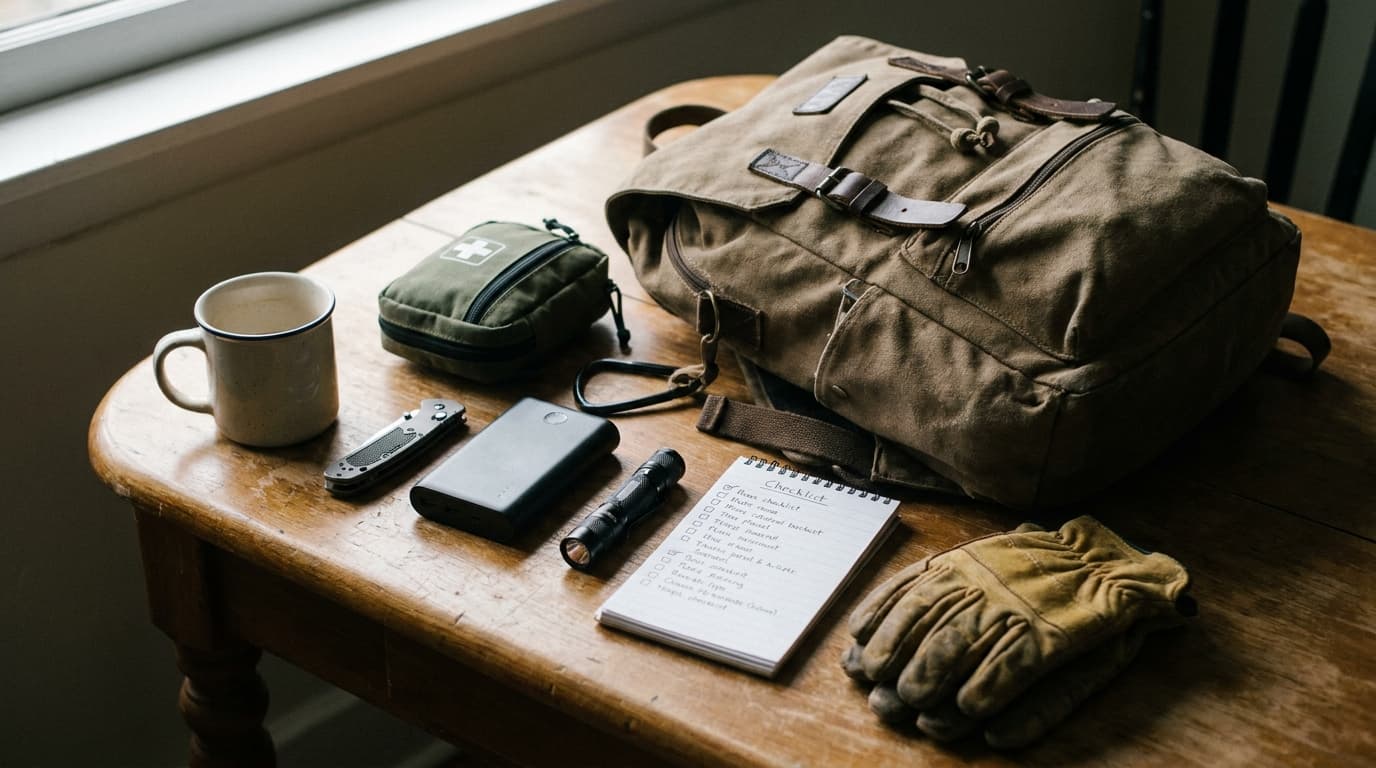
Once your base is set, you can layer on sustainable warmth. Brands like Patagonia are leading the way right now, often pairing their designs with eco-friendly insulation like PrimaLoft Bio. But before you head for the trailhead, do a quick backyard test. Wear your full system during a low-effort activity on a cold evening. If you are shivering while standing still, you might need a slightly heavier mid-layer. The goal is to feel just a bit cool while moving and perfectly warm when you stop to take in the view.
Key insights:
A proper 3-season system should reliably handle temperatures dropping into the mid-20s.
Nuyarn technology offers better durability and warmth-to-weight ratios than traditional 100 percent merino wool.
The moisture-wicking base layer remains the most critical component for heat management.
Testing your full layering system at home helps you identify gaps in your insulation before you hit the trail.
Frequently Asked Questions
You will want to look for a hybrid material like Nuyarn if you tend to sweat through your gear. It uses a clever design where merino wool is wrapped around a nylon core. This setup is a big win because it wicks moisture away from your skin much faster than traditional 100 percent wool.
Because the base layer is the most important part of your system, getting this right is key. Brands like Ibex use a 125 gsm fabric which is super light but still keeps you warm without that soggy feeling. It gives you the best of both worlds by being durable and breathable at the same time.
Generally, a 3-season system is designed to handle temperatures down to the mid-20s. For many people, that covers a lot of ground, but it might not be enough for a deep winter trek. If the forecast is dipping below 20 degrees, you will definitely need to add more insulation to your kit.
Remember that your layering system is the total of everything you are wearing. You can often stretch a 3-season setup into winter by swapping in a heavier mid-layer or using newer tech like battery-powered gloves. Just keep an eye on the temp and do not be afraid to add a beefier outer shell if things get icy.
You will want to be pretty careful here because high heat is basically the enemy of natural fibers. For Nuyarn, which is that clever mix of 85 percent merino wool and a nylon core, a cold or lukewarm machine wash on a gentle cycle is usually the way to go. Just remember to use a mild detergent and stay far away from fabric softeners because they can gunk up the fibers and stop them from wicking away sweat properly.
Here is the thing about drying: skip the dryer if you can. Laying your gear flat to air dry is much better for keeping the shape of the garment. Since fabrics like the Ibex Woolies use a light 125 gsm weight, they can sometimes stretch if you hang them while they are heavy with water. Treating them gently means they will keep you warm and dry for way more seasons.
It really comes down to the fact that Patagonia has spent years building a reputation for gear that actually lasts. While newer brands are still trying to find their footing, Patagonia is already leading the charge with eco-friendly tech like Polartec Power Fill and recycled insulation. They are not just making clothes, they are focusing on the whole lifecycle of the product, including how easy it is to fix if it rips.
Also, as we move into 2026, sustainability is a huge deal for hikers. Patagonia is often seen as the gold standard because they have been using recycled materials and fair labor practices long before it was a trend. When you buy from them, you are getting a proven track record of quality that newer companies just have not had the time to build yet.
Conclusion
So where does this leave us? The bottom line is that a great day on the trail starts against your skin, not with the heavy shell you carry in your pack. By focusing on a smart hiking layer system, you are building a kit that manages sweat and heat before they turn into a chill. Whether you go with merino wool or a fast-drying synthetic, the goal is the same: staying dry and steady regardless of the weather.
Looking ahead, the best outdoor clothing brands 2026 are proving we do not have to choose between performance and the planet. From Nuyarn tech to recycled waterproof breathable jackets, gear is getting smarter and greener. If you are looking to upgrade, start with your moisture-wicking base layers. It is the single best way to stay comfortable from the trailhead to the peak.
High-tech gadgets are fun, but the real win is a system that works so well you forget it is there. Test your layers on a local trail and see how they handle your pace. The mountains are waiting, and you are finally ready to enjoy the view without the shivers.
Every WilderReady guide is researched, written, and fact-checked in-house against trusted references such as the American Red Cross, the National Park Service, and the CDC before it goes live. We publish under this shared byline instead of invented personas, so you always know who stands behind the guidance you are reading.