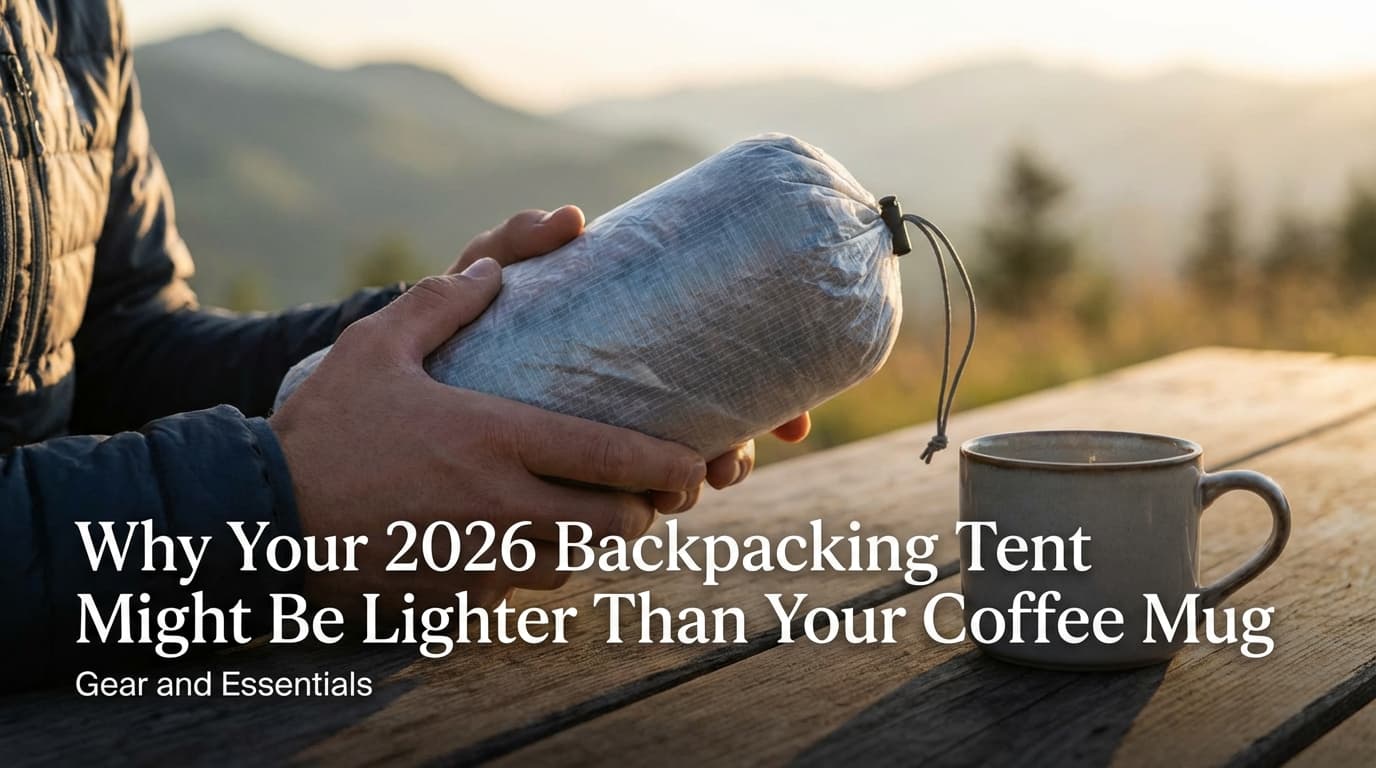
Why Your 2026 Backpacking Tent Might Be Lighter Than Your Coffee Mug
Imagine reaching into your pack and pulling out a shelter that weighs less than your morning latte. It sounds like science fiction, but the gear landscape is shifting so fast...
Why Your 2026 Backpacking Tent Might Be Lighter Than Your Coffee Mug
Imagine reaching into your pack and pulling out a shelter that weighs less than your morning latte. It sounds like science fiction, but the gear landscape is shifting so fast that your 2026 backpacking tent might actually be lighter than your favorite coffee mug. Finding the best backpacking tents 2026 has to offer means looking at space-age fabrics and clever designs that shave ounces without sacrificing your sanity during a downpour.
Your tent is the most important upgrade you can make to your kit because it is your only sanctuary when the sky opens up. We are looking at everything from an ultralight shelter guide to rugged 4-season tent reviews to see what actually holds up when the wind starts howling.
This guide breaks down the latest waterproof tent ratings and compares extreme weather camping gear to help you find your perfect trail home. You will learn about the new weight-to-space kings, which budget picks punch above their weight, and how to pick a setup that makes you smile every time you pitch it. Let us get into the gear that will define your next big adventure.
Ever feel like your tent weighs more than your actual backpack? That is changing fast. In 2026, the Big 3 gear items are getting a serious makeover, and the tent is the most impactful upgrade you can make. Carrying a shelter that weighs less than a full coffee mug is no longer a pipe dream. It is the new reality for hikers who want to stay dry without the heavy lifting.
The numbers are honestly wild. The Zpacks Duplex Lite weighs just 14.9 ounces but still offers 25 square feet of floor space. If you need more room for your gear and a bit of extra breathing space, the MLD DuoMid XL provides a massive 65 square feet at only 16 ounces. Even freestanding classics like the Big Agnes Copper Spur UL2 are staying competitive, balancing a 3-pound total weight with a comfortable 29-square-foot interior.
We are seeing a big shift toward Lite versions of flagship models and smarter shapes that ditch cramped corners for vertical walls. These new designs give you more headroom without adding bulk to your pack. Just keep in mind that shaving ounces often means using thinner fabrics that need a little extra care. But for most of us, the trade-off is worth it for a kit that feels light and easy on the trail.
Key insights:
Upgrading your shelter is the fastest way to significantly reduce your total pack weight.
Modern offset pole designs provide much more vertical headroom for the same weight as older pyramid styles.
Premium ultralight materials like Dyneema offer high strength but require more careful handling than traditional nylon.
The Ultralight Weight Loss Plan: Is Under One Pound the New Normal?
Have you ever wondered if your backpacking tent could actually be lighter than your favorite coffee mug? In 2026, that is becoming the reality for many hikers. Ultralight tents are no longer just for the hardcore travelers who cut the handles off their toothbrushes to save weight. They are becoming the new standard for anyone who wants to enjoy the woods without feeling like a pack mule. Experts like Adventure Alan say the tent is the very first item you should upgrade in your kit. It is a splurge, but the relief your knees and back feel after a long day on the trail is worth every penny. Carrying less weight means you have more energy to actually enjoy the sunset instead of just collapsing in your camp chair.
The Zpacks Duplex Lite is a perfect example of this weight loss trend. It is hard to believe something so light can offer 25 square feet of floor space, but it feels surprisingly roomy once you are tucked inside for the night. The secret is the Dyneema Composite Fabric, which is incredibly strong for its weight. However, there is a small catch you should know about before you buy. Because the fabric is so thin, it needs a gentle touch. You cannot just toss it around like a heavy canvas tent or drag it across sharp rocks. For most hikers, that extra bit of care is a small price to pay for such a light pack.
If you are the type of person who needs a bit more wiggle room, the MLD DuoMid XL is the current king of the mountain. It is the lightest option we have seen in our 2026 comparisons, weighing in at only 16 ounces. Despite that low number, it gives you a massive 65 square foot interior. That is an incredible amount of protected space for such a light package. There is plenty of room for you and all your gear. Pyramid shapes are making a big comeback lately because they handle high winds well and offer great headroom. It proves that you can have a palace in the woods without the heavy lifting that usually comes with it.
Key insights:
Ultralight tents have shifted from niche gear to the industry standard for 2026.
Upgrading your shelter is the most effective way to reduce physical strain on the trail.
The Zpacks Duplex Lite offers a sub-15 ounce weight but requires careful handling of its thin fabric.
Pyramid designs like the MLD DuoMid XL provide superior space-to-weight ratios for hikers who want more room.
Shaving Ounces with the Zpacks Duplex Lite
The Zpacks Duplex Lite weighs about the same - just 14.9 ounces. It sounds almost impossible for a full shelter, but that is the magic of Dyneema Composite Fabric. While a popular choice like the Big Agnes Copper Spur UL2 weighs in at 3 pounds, this Lite version cuts that weight by more than half. It is easily the most impactful upgrade you can make if you want to stop feeling like a pack mule on the trail.
You might worry that 25 square feet of floor space would feel cramped, but the design is surprisingly roomy. It manages to stay airy without the extra bulk. There is a small catch, though. To hit that tiny weight, the tent uses a 0.55 oz/sq. yd. canopy. It is strong, but it is not a tank. You will need to use a gentle touch and pick your campsites carefully to avoid snags. Is the massive weight savings worth being a bit more careful? For most hikers, the answer is a big yes.
Key insights:
The 14.9-ounce weight makes it one of the lightest two-person shelters available.
Using 0.55 oz/sq. yd. DCF saves weight but requires more careful handling than heavier fabrics.
At 25 square feet, the interior remains functional despite the extreme weight reduction.
The Space-to-Weight King: MLD DuoMid XL
Imagine walking into a tent that feels like a palace but weighs less than a bag of coffee. The MLD DuoMid XL hits that sweet spot perfectly. At just 16 ounces, it stands as the lightest option in our 2026 comparison, yet it offers a huge 65 square feet of interior space. To put that in perspective, the popular Big Agnes Copper Spur UL2 weighs 3 pounds and gives you only 29 square feet. Why carry three times the weight for less than half the room?
The secret behind these numbers is the pyramid shape. These designs are making a big comeback because they are simple, shed wind easily, and use trekking poles for support. While other ultralight models like the Zpacks Duplex Lite are also very light, they offer much less floor space. The DuoMid XL gives you enough room to spread out all your gear and still feel like you have a living room in the backcountry.
Upgrading your shelter is often the most impactful change you can make to your pack weight. This tent proves you do not have to feel cramped to be an ultralight hiker. Just keep in mind that high-end gear like this often uses thinner materials to save weight, so you will need to handle it with a bit more care than a heavy tent. It is a smart choice for anyone who wants to move fast without the heavy pack.
Key insights:
The MLD DuoMid XL provides more than double the floor space of the Big Agnes Copper Spur UL2 while weighing only a third as much.
Pyramid shelters offer the best weight-to-space ratio because they use efficient geometry and existing trekking poles for support.
Tough Choices: Does Your Tent Need to Survive a Hurricane or Just a Rainy Tuesday?
You are standing at the trailhead and the sky looks a bit too gray for comfort. Is your shelter ready for a surprise storm or just a light drizzle? The truth is that the right tent depends entirely on where you plan to close your eyes. If you want to cut weight, you might pick up a Big Agnes Copper Spur UL2. It weighs 3 pounds and gives you 29 square feet of floor space, which is great for most hikers. But there is a trade-off. High-end ultralight tents often use 15 to 20 denier fabrics to keep things light. These materials are tough, but they are not bulletproof and require more care than the heavy gear of the past.
When the weather gets truly nasty, you might need to look at 4-season options. These shelters are usually built for three specific scenarios: mountaineering, basecamp, or staying below the treeline in winter. Models like the Mountain Hardwear Trango 2 are famous for a reason. They are the gold standard for extreme weather because they use less mesh and much stronger pole structures. This design keeps the heat in and prevents the tent from collapsing under a heavy snow load. It is a specialized tool for people who know they will be facing more than just a rainy Tuesday. The secret to that winter warmth is simply having more substantial materials between you and the wind.
Not everyone wants to carry a heavy mountaineering tent, but many still want something that can handle a beating. This is where a stormproof specialist like the SlingFin Portal 2 shines. It is the go-to choice for bad weather when you want to stay light but do not trust a standard ultralight tent. It uses internal guy lines and smart structural tricks to stay upright in high winds. It bridges the gap between a summer shelter and a winter fortress, giving you peace of mind without the extra bulk in your pack. It is perfect for those high-altitude trips where the wind can pick up at any moment.
Think of it this way: your tent is likely the most important piece of gear you own. Experts like Adventure Alan suggest it should be the first thing you upgrade because it has the biggest impact on your comfort. Whether you choose a budget pick like the Gossamer Gear The One for around $255 or a featherweight Zpacks Duplex Lite at just 14.9 ounces, you are making a choice between weight and protection. The goal is to find that sweet spot where you stay comfortable without carrying more than you need. Recent testing from groups like OutdoorGearLab shows that even after thousands of nights in the wild, the best tent is always the one that matches your specific destination.
Key insights:
Ultralight tents are the most impactful gear upgrade but often require careful handling of 15-20 denier fabrics.
4-season tents are categorized by use cases like mountaineering and basecamp, focusing on pole strength over weight.
The SlingFin Portal 2 offers a middle ground for high winds using internal guy lines without the weight of a winter tent.
Weight-to-space ratios vary wildly, from the 14.9 ounce Zpacks Duplex Lite to the 3 pound Big Agnes Copper Spur.
When to Go 4-Season: Mountaineering, Basecamp, and Treeline
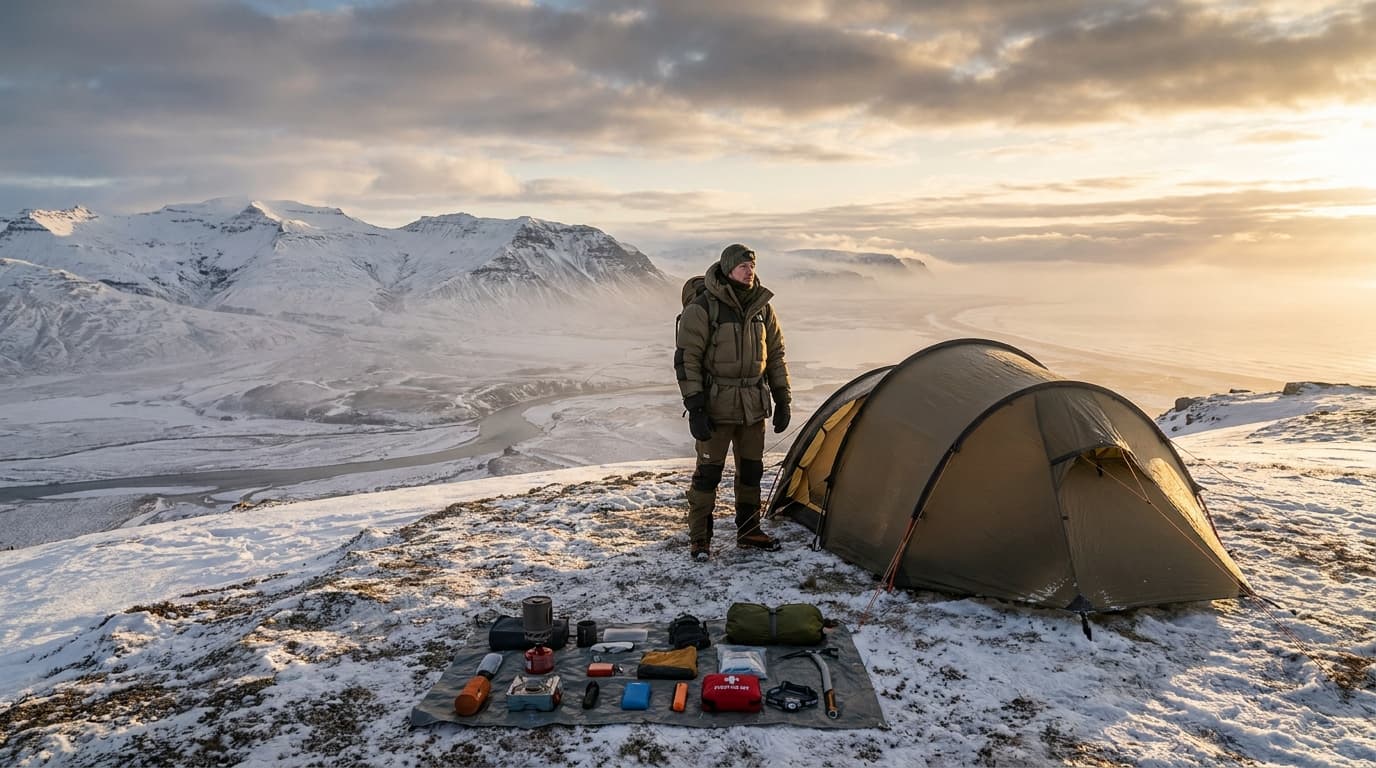
Most people think a tent is just a tent until the first winter blizzard hits. When you move beyond fair-weather hiking, you need a specialized 4-season shelter. These are generally split into three use cases: mountaineering, basecamp, and treeline. While your summer tent uses mesh to breathe, these winter versions swap it for solid fabric and substantial pole structures to trap heat and withstand heavy snow loads.
Think of these tents as portable fortresses rather than just nylon bags. Models like the Mountain Hardwear Trango 2 are the gold standard because they prioritize survival over weight. While a 14.9-ounce Zpacks Duplex Lite is a dream for summer miles, it would likely fail under a mountain snow dump. Since 2012, testers at OutdoorGearLab have logged thousands of nights to prove that 4-season designs are a completely different breed.
The secret to staying warm when the mercury drops is that reduced mesh and reinforced frame. It’s a trade-off where you carry more weight to ensure your shelter doesn't collapse at 2 AM. If you're heading above the treeline, that extra pound or two is the best insurance policy you can buy. What does this mean for you? It means choosing safety when the environment gets unpredictable.
Key insights:
4-season tents are categorized by three primary uses: mountaineering, basecamp, and treeline.
Structural warmth comes from using less mesh and more substantial pole designs than 3-season models.
Heavy-duty models like the Trango 2 remain the industry benchmark for extreme weather survival.
The Stormproof Specialist: SlingFin Portal 2
Ever been stuck in a tent that feels like it’s about to collapse during a midnight gale? It’s a helpless feeling. While many hikers in 2026 are obsessed with shaving every possible ounce, the SlingFin Portal 2 focuses on actually staying upright when the weather turns ugly. It occupies a unique middle ground, offering the ruggedness of a mountaineering shelter without the massive weight penalty of a traditional winter tent.
The secret sauce here isn't just thicker poles; it’s the clever internal guy line system. These lines act like structural trusses, reinforcing the frame from the inside so it won't buckle under high winds or light snow loads. It’s a brilliant workaround for the bad weather dilemma identified by gear experts. You get a light, packable home that handles treeline storms with ease, making it the perfect choice for those just in case mountain trips where a flimsy ultralight setup might fail.
Key insights:
Internal guy lines provide bomber stability without adding the bulk of 4-season materials.
Ideal for high-alpine treeline camping where wind is a bigger threat than heavy snow.
Bridges the gap between ultralight and expedition grades for unpredictable mountain weather.
Setup Styles: Why Your Trekking Poles Might Be Doing Double Duty
Have you noticed how trekking poles are doing double duty these days? They are not just for saving your knees on the downhill anymore because they have become the literal backbone of your home for the night. This shift has sparked a big debate among hikers about whether to go with a freestanding tent or a trekking pole shelter. It is a choice between the easy setup of a dome and the goal of shaving every possible ounce from your pack.
One of the biggest changes we are seeing is the rise of the X-Mid geometry. If you have ever felt cramped in a traditional pyramid tent, this design is for you. By using offset poles, designers figured out how to create vertical walls and massive headroom without adding heavy aluminum poles. It is a clever bit of architecture that makes a small tent feel like a palace because you can actually sit up without your head touching the mesh.
But weight is still the king of the trail for most people. Consider the Zpacks Duplex Lite which weighs a tiny 14.9 ounces. When you compare that to a traditional setup, the weight savings are huge. However, those savings come with a trade-off in how you set it up. You need a good spot for stakes and a bit of practice to get a tight pitch that keeps the wind at bay. For many, the learning curve is worth the lighter load.
Is the Big Agnes Copper Spur UL2 still the freestanding champ in 2026? It is a fair question. While newer lite versions of flagship tents are trimming every margin, the Copper Spur remains a favorite. It bridges the gap between the ultralight world and the world of hikers who just want to go to sleep quickly after a long day. It might not be the lightest, but it is incredibly reliable.
At 3 pounds, the Copper Spur is definitely a heavyweight in this comparison, especially next to something like the 16-ounce MLD DuoMid XL. But those three pounds buy you a luxury hotel experience in the woods. With 29 square feet of floor space, you are not just sleeping, you are living. You have room to spread out your gear and change your clothes without performing a wrestling move.
The real magic happens when you hit rocky ground. Imagine you are high in the mountains and the only flat spot you can find is a slab of granite. You cannot drive a stake into solid rock. This is where the freestanding design is perfect. You just pop the poles in and the tent stays upright while you look for heavy rocks to secure the corners. It gives you peace of mind when the terrain gets tough and the sun is going down.
Key insights:
X-Mid geometry uses offset poles to provide vertical walls and more headroom for the same weight as older designs.
Non-freestanding tents like the Zpacks Duplex Lite save over a pound of weight but require more skill to pitch correctly.
Freestanding tents remain the best choice for rocky or high-altitude terrain where driving stakes into the ground is impossible.
The Big Agnes Copper Spur UL2 offers a 29 square foot floor area which provides a luxury feel compared to tighter ultralight models.
The Comfort of the Big Agnes Copper Spur
Ever found yourself staring at a pile of rocks, wondering how on earth you are supposed to pitch your tent? That is where the Big Agnes Copper Spur UL2 becomes your best friend. While ultralight purists might look twice at its 3-pound packaged weight, this tent feels more like a luxury hotel than a nylon bag. With 29 square feet of floor space, you actually have room to move around without bumping into your gear every five minutes.
The freestanding design is a total lifesaver on rocky ground where you simply cannot drive a stake. It is perfect for those high-altitude sites or wooden platforms where trekking pole tents usually struggle. You are not fiddling with complex guy lines like you would with a 14.9-ounce Zpacks Duplex. Instead, you just snap the poles together and your home for the night is ready.
There is a small trade-off for all that comfort, though. To keep the weight manageable, Big Agnes uses thinner 15 to 20 denier fabrics. It is not as rugged as a heavy-duty basecamp tent, so you have to be a little careful with where you set it down. But when the rain starts pouring, having a reliable, spacious shelter makes every extra ounce feel like a very smart investment.
Key insights:
The 3-pound weight offers a luxury experience compared to minimalist 15-ounce shelters.
Freestanding poles make setup easy on rocky terrain where stakes won't work.
A 29-square-foot floor area provides significantly more livable space than budget ultralight picks.
Smart Spending: High Performance on a Budget
Let’s be real: you do not have to drop $800 to get a great night’s sleep in the backcountry. While high-end boutique brands get all the buzz, 2026 is proving that budget-friendly does not mean heavy or low-quality. Take the Gossamer Gear The One, for example. It delivers serious ultralight performance for around $255. That is a fraction of the cost of some premium shelters, yet it still gives you a streamlined kit that won't wreck your back or your bank account.
When you look at the data, the gap between mid-range and top-tier gear is shrinking. A premium pick like the Zpacks Duplex Lite is incredibly light at 14.9 ounces, but it uses expensive materials that drive the price way up. Meanwhile, a classic like the Big Agnes Copper Spur UL2 offers 29 square feet of space at a 3-pound packaged weight. The choice often comes down to how much you value those few extra ounces versus your actual cash. For many hikers, the mid-range sweet spot is becoming much more attractive than the ultra-expensive alternatives.
The most interesting shift right now is happening in winter gear. Usually, 4-season tents for mountaineering or treeline camping are priced like luxury items. But this year, we are seeing specialized winter features trickling down into budget models. The Alps Mountaineering Tasmanian is a great example of this trend, bringing 4-season capabilities to a much lower price point. It shows that high performance is finally becoming accessible. Whether you are chasing a lighter pack or a warm night in the snow, you can find gear that works without overspending.
Key insights:
The Gossamer Gear The One offers a top-tier weight-to-price ratio at approximately $255.
2026 trends show 4-season features becoming more common in affordable tents like the Alps Mountaineering Tasmanian.
Choosing between a 15-ounce DCF tent and a 3-pound silnylon tent is often a matter of budget rather than just performance.
Frequently Asked Questions
Honestly, it's usually way too much for a summer trip. While 4-season tents are great for heavy snow and mountain winds, they're often quite stuffy when it's warm outside. They use less mesh to keep heat inside, so you'll likely wake up feeling damp from your own breath because there isn't enough airflow. It's like wearing a heavy winter parka in a rainstorm when a light jacket would do the trick.
Here's the thing: a solid 3-season tent like the Big Agnes Copper Spur UL2 handles rain perfectly fine without the extra weight. You really only need those heavy-duty models for mountaineering or winter camping where snow loads are a real concern. Stick to a lighter setup so you can enjoy the trail without carrying extra pounds you don't actually need.
It really boils down to weight and how much you hate sagging fabric. DCF is the gold standard for ultralight gear because it's incredibly light and stays tight even in a downpour. On the flip side, silnylon is much more affordable and packs down small, but it naturally stretches when it gets wet.
If you go with silnylon, you'll probably have to hop out of your sleeping bag to tighten your tent stakes if it starts raining during the night. DCF tents like the Zpacks Duplex Lite are amazing for saving weight, but they're also pricier and can be a bit bulkier in your pack. Both work well, but your choice depends on whether you want a lower price or a lighter, more stable setup that won't sag.
For a solid 2-person backpacking tent, you should generally aim for a total weight under 3 pounds. This is the sweet spot where you get enough space to actually move around without feeling like you are hauling a lead brick up the mountain. A great example is the Big Agnes Copper Spur UL2, which hits that 3-pound mark exactly and gives you about 29 square feet of floor space.
If you really want to cut weight, you can find ultralight options like the Zpacks Duplex Lite that weigh as little as 15 ounces. But here is the thing: those super light tents often use thinner materials that require more care. For most hikers, staying around that 2 to 3 pound range is the best way to keep your pack light while still having a shelter that can handle some wind and rain.
Conclusion
So, what is the bottom line for your 2026 gear list? We are seeing a shift where you no longer have to choose between a heavy shelter and a flimsy tarp. Whether you want an ultralight Zpacks or a sturdy fortress, the best backpacking tents 2026 offers are about making the trail easier on your body without sacrificing sleep.
Your next move is to look at your typical trail conditions rather than just the spec sheet. If you hike in fair weather, an ultralight shelter guide will help you save your knees. But for tough spots, check 4-season tent reviews and waterproof tent ratings to find your match. It is all about the sweet spot between weight and the extreme weather camping gear you actually need.
At the end of the day, your tent is your tiny home away from home. Pick the one that makes you feel safe and gets you excited to pack your bags. The woods are waiting, so find your perfect match and get out there.
Every WilderReady guide is researched, written, and fact-checked in-house against trusted references such as the American Red Cross, the National Park Service, and the CDC before it goes live. We publish under this shared byline instead of invented personas, so you always know who stands behind the guidance you are reading.