Why Solo Hiking is Actually Safer (and More Fun) Than You Think
Have you ever cancelled a trip because no one else could go? Waiting for a group often means you're stuck on the couch while the trail stays empty. Many people...
Why Solo Hiking is Actually Safer (and More Fun) Than You Think
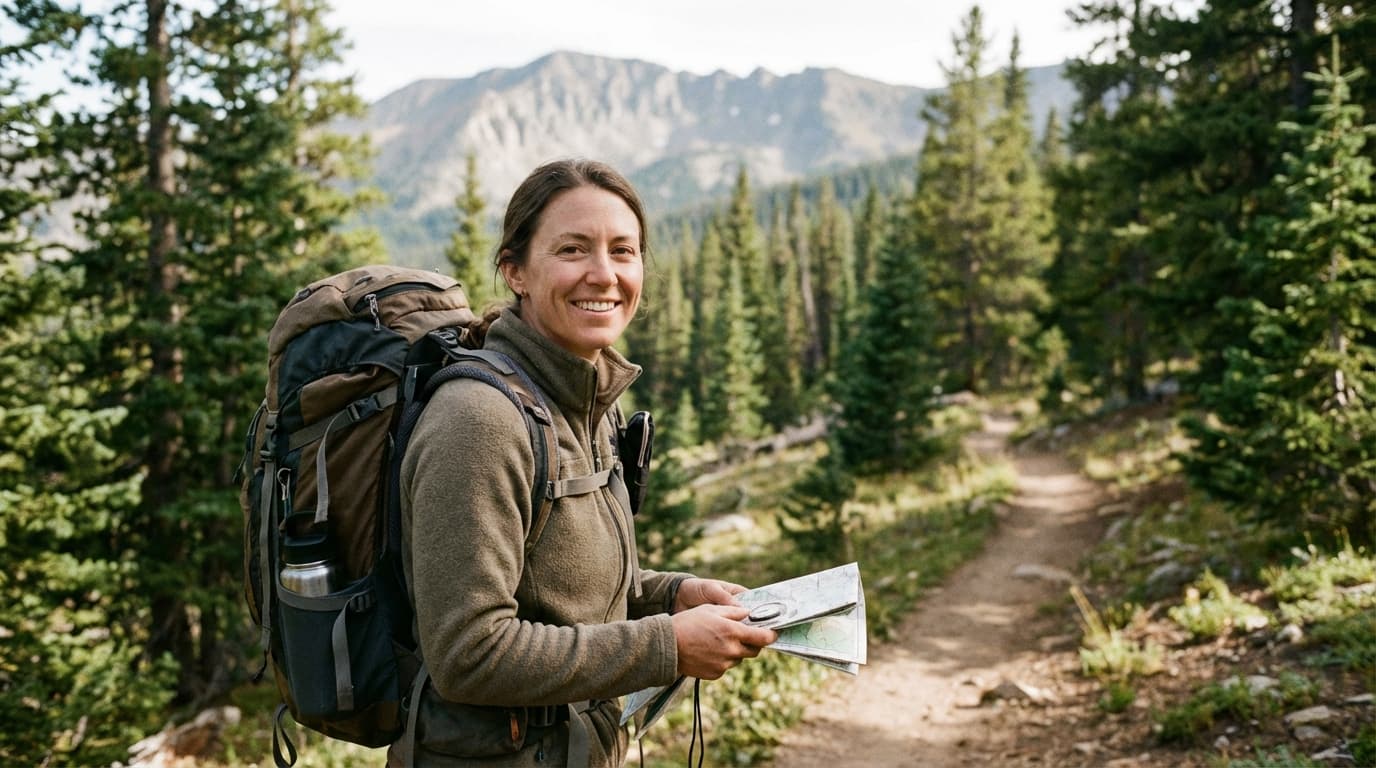
Have you ever cancelled a trip because no one else could go? Waiting for a group often means you're stuck on the couch while the trail stays empty. Many people think heading out alone is reckless, but building a solid solo hiking mindset actually makes you a more capable and aware adventurer. Instead of fearing the 'big bad wolf' in the woods, you learn to focus on real risks and enjoy the quiet clarity of being on your own.
Solo wilderness safety isn't about being fearless. It is about being prepared. When you're the only one making decisions, you build a level of self-reliance in the wild that most group hikers never experience. We'll look at why our brains worry about the wrong things and how mental preparation for solo adventures turns anxiety into sharp awareness.
We'll cover how to assess risks accurately and why having no one else to blame makes you a better hiker. From gear tips to the unique confidence found in solitude, you'll see why going solo is such a great move. Let's get you ready for your next big walk.
Why Going Solo Might Be Your Best Move Yet
Ever canceled a trip because your friends bailed? We’ve all been there, waiting for schedules to align while the best weather passes us by. The hiking community is seeing a big shift in 2024. Solo adventuring isn't considered reckless anymore; it’s an empowering path to self-reliance. Often, it’s just practical. If you wait for a group to be ready, you might never leave the house.
Much of our fear comes from availability bias. We overestimate dramatic threats like wildlife attacks but underestimate quiet risks like dehydration or hypothermia. Jason Marsteiner points out that going solo concentrates 100% of the responsibility on you. That accountability actually sharpens your solo hiking mindset. Without trail chatter, you find a unique mental clarity, noticing landscape details you’d otherwise miss.
Modern guides now highlight that solo trekking is safe for everyone, regardless of gender or age. It’s about managing real risks of solo trekking through deliberate preparation rather than fear. When you’re the one making every call, you gain a deep sense of empowerment and improved solo wilderness safety. It turns out, the quiet of the woods is exactly where you find your best self.
Key insights:
Availability bias causes hikers to fear rare events while ignoring common dangers like dehydration.
Solo hiking is often a practical choice driven by conflicting schedules rather than a search for risk.
Concentrated responsibility forces better decision-making and heightens environmental awareness.
Current trends show solo trekking is increasingly recognized as safe for all genders and ages.
The 'Big Bad Wolf' Problem: Why We Fear the Wrong Things
Think about the last time you mentioned a solo trip to a friend. Did they immediately ask about bears or some mysterious stranger in the woods? Most of us have a Big Bad Wolf image of the wilderness, shaped by horror movies and viral news. But here is the reality: we often fear the wrong things. Experts call this availability bias. It is a mental shortcut where our brains overestimate dangers that come with vivid, memorable stories and underestimate the quiet ones that happen every day. You worry about a mountain lion because it makes for a scary story, but you might forget to double check your water filter or your map.
The media plays a huge role in this distortion. Sensational stories of rare attacks go viral, while common issues like hypothermia or getting lost rarely make the news feed. This makes solo trekking look like a horror movie, but the mundane reality is much safer. In 2024, solo hiking has seen a huge surge in popularity because people are realizing it is not a reckless gamble. It is often just a practical choice when schedules do not align. A guide from Treeline Review recently emphasized that solo backpacking is safe for everyone, regardless of gender or age. It is about a shift in how you handle responsibility. As Jason Marsteiner says, solo adventuring concentrates that responsibility by design, making you the sole architect of your safety.
To hike safely, you have to understand how your own brain assesses risk. Your mind naturally prioritizes drama over data because it is easier to visualize a wolf than a slow moving cold front. To stay safe, you need to recalibrate your internal alarm. Instead of letting fear run the show, use that energy to focus on weather patterns and hydration. These mundane factors are the real risks on the trail. Managing them through deliberate preparation rather than fear based logic is what keeps you moving. This matters because a hiker who is worried about a bear might rush a creek crossing and slip, which is a much more likely way to get hurt.
This mental shift is especially important for women and marginalized groups who are often told the world is too dangerous to explore alone. Using outdoor defense strategies is about managing actual uncomfortable situations rather than ghosts. When you are alone, you notice the landscape more because there is no conversation to distract you. You become more self reliant because there is no one else to lean on. That clarity is why solo hiking is not just safe, it is often a more rewarding way to experience the wild. By acknowledging real risks and using gear redundancy, you turn fear into a solid plan.
Key insights:
Availability bias makes us focus on dramatic but rare threats like animal attacks instead of common risks like dehydration.
The media sensationalizes solo hiking dangers, while data suggests it is a safe and empowering activity for all ages and genders.
Solo hiking concentrates 100 percent of the responsibility on the individual, which often leads to better decision making and increased environmental awareness.
Recalibrating your brain to focus on weather and gear redundancy is more effective than worrying about low probability scary scenarios.
Understanding Your Own Brain's Risk Assessment
Ever wonder why you’re terrified of a mountain lion but barely think twice about your water intake? Our brains are wired to prioritize vivid, scary stories over boring statistics. This mental shortcut, known as availability bias, makes us overestimate dramatic threats while ignoring the mundane risks that happen every day. A viral story about a wildlife encounter sticks in your head, but a hiker getting hypothermia or running out of water rarely makes the news.
When you’re solo, you carry 100% of the responsibility for every decision. That can feel heavy, but it also means you get to choose what to focus on. Instead of letting your imagination run wild with movie-style disasters, try to recalibrate your fear. Focus on the quiet threats: weather changes, route finding, and hydration. Real safety isn't about avoiding the woods; it's about managing the actual environment around you with a clear head.
Key insights:
Availability bias causes us to fear rare, dramatic events while ignoring common dangers like dehydration.
Recalibrating your mindset means focusing on weather and hydration rather than sensationalized risks.
Solo hiking places all responsibility on you, which actually helps sharpen your environmental awareness.
It’s All on You: The Reality of 100% Responsibility
Ever stood at a trail fork and realized there is nobody to argue with about which way to go? It is a bit of a shock at first. When you are out there solo, you are the captain and the safety officer all rolled into one. There is no group vote on when to take a snack break or which path looks less muddy. You own the outcome. While that sounds like a lot of pressure, it is actually a huge relief. You get to move at your own pace and make your own choices without feeling like you are holding anyone up or being rushed along.
The reality is that solo hiking concentrates 100% of the responsibility for route decisions and emergency response on you. Here is a weird thing about how our brains work: we often worry about the wrong stuff. Experts call this availability bias. We see a scary news story about a wildlife attack and suddenly that is all we can think about. In reality, quiet risks like hypothermia or running out of water are the real dangers. When you take full responsibility, you start focusing on these mundane risks. You become your own rescue team. It is not about being scared; it is about being smart and prepared.
Jason Marsteiner often says that solo adventuring concentrates responsibility by design. He is right. When there is no one else to blame for a wrong turn or a forgotten piece of gear, you naturally become a better hiker. If you forget your rain jacket, you cannot just borrow one from a buddy. This lack of a safety net makes you more observant and careful with your planning. Think of self-reliance as a muscle. You do not just wake up with it; you build it every time you check your map or pack your gear redundancy properly because you know you are the only one you can count on.
We are seeing a massive surge in solo hiking in 2024. It is no longer seen as something reckless for loners. Instead, it is becoming a way for people to stop waiting for schedules to align and just get outside. Recent guides emphasize that solo backpacking is safe for everyone, regardless of age or gender. Whether you are a seasoned trekker or a retired adventurer, the feeling of empowerment is the same. You learn that you are enough. You do not need a crowd to be safe or to have a truly rewarding time in the wild.
Key insights:
Solo hiking shifts the focus from dramatic, unlikely fears to manageable, real-world safety risks.
Being your own rescue team builds a level of confidence that carries over into your daily life.
Self-sufficiency is a skill you develop through practice and gear redundancy, not something you are born with.
The Accountability of Design
When you step onto a trail alone, the air feels different because the safety net is gone. Jason Marsteiner points out that solo adventuring concentrates 100% of the responsibility on you by design. There is no partner to double-check the map or friend to blame if you take a wrong turn. While that sounds heavy, it is actually your greatest asset.
This total accountability forces a mental shift. You start paying closer attention to the small things that actually matter. Most of us fall for availability bias, where we obsess over rare wildlife attacks but ignore the real killers like dehydration or cold rain. When you are the only one making decisions, you stop performing for an audience and start focusing on the actual environment.
Think of it this way: having no one to blame makes you a sharper hiker. You check your water levels more often and watch the clouds with more intent because you know help is not just a shoulder tap away. This spike in self-reliance is why solo trekking is surging in 2024. It turns out that being fully responsible for your own skin is the best way to keep it safe.
Key insights:
Solo responsibility eliminates the 'blame game' and forces better decision-making.
Availability bias often leads hikers to fear the wrong things.
Self-reliance acts as a natural safety mechanism by increasing environmental awareness.
Getting Your Head in the Game Before You Hit the Trail
Ever felt that sudden spike of nerves the moment you realize you're truly alone in the woods? It's common. We often call it the first night jitters, and it usually comes from something called availability bias. This is just a way of saying your brain is playing tricks on you. It makes you worry about dramatic, movie-style wildlife attacks while you completely ignore the actual risks like getting too cold or running out of water. Recognizing this mental trap is the first step toward a solid solo hiking mindset.
When you're out there, you are the leader, the map-reader, and the first responder all at once. Jason Marsteiner once said that solo adventuring concentrates responsibility by design. This might sound a bit heavy, but it's actually where the magic happens. Here's the thing. Without a partner to chat with, your brain stops performing for an audience and starts paying attention to the trail. You'll notice the way the light hits the moss or the subtle change in wind direction. That nervous energy doesn't have to stay as anxiety. You can flip it into a state of heightened awareness that keeps you safer than any group could.
Think about why you're even doing this. For many of us in 2024, solo trekking isn't some extreme quest for isolation. It's just practical. If we waited for our friends' schedules to align, we'd never leave the house. Recent guides from Treeline Review remind us that solo backpacking is safe and empowering for everyone, regardless of age or gender. The key is mental preparation. By carrying redundant gear and practicing outdoor defense strategies, you turn fear into a plan. You aren't just wandering. You're taking ownership of your own adventure.
Key insights:
Availability bias makes us fear rare wildlife encounters more than common risks like hypothermia.
Solitude naturally increases environmental awareness because you aren't distracted by social performance.
Solo hiking is often a practical solution for modern schedules and empowers individuals through total self-reliance.
Staying Safe Without the Stress
Why do we worry about the wrong things when we head out alone? It usually comes down to availability bias. We fixate on rare, scary stories about wildlife or strangers because those vivid memories stick in our minds, but we often ignore the quiet risks like getting too cold or running out of water. The truth is that solo adventuring is safe if you prepare for reality rather than the headlines. For women and marginalized hikers, the Outdoor Defense approach isn't about living in fear. It is about building a toolkit of habits that let you manage uncomfortable situations and environmental risks with total confidence.
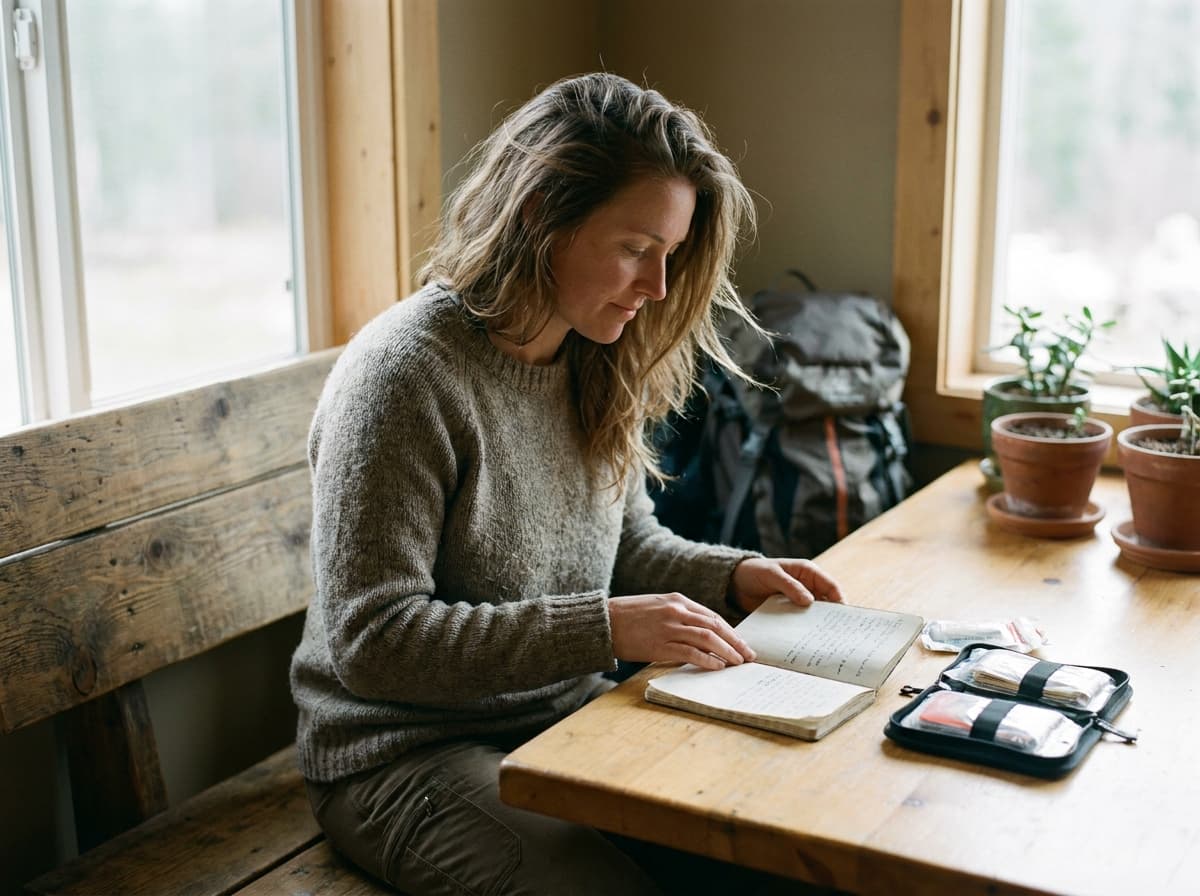
When you are with a group, you can usually borrow a spare lighter or double-check a map with a friend. When you are alone, that safety net is gone. This is where the Gear Redundancy Rule becomes your best friend. You need a backup for every critical system, specifically light, fire, and navigation. If your headlamp fails after sunset, a small emergency light saves your night. If your GPS loses signal or your phone dies, a physical map and compass keep you moving. It is not just about carrying extra weight. It is about ensuring a single equipment failure does not turn a fun day into a rescue mission.
Most trail emergencies do not happen because of a sudden catastrophe. They happen because of small, ignored details that snowball. Simple habits, like checking the horizon for clouds every hour or sticking to your planned turnaround time, prevent about 90% of potential disasters. Expert Jason Marsteiner notes that solo adventuring concentrates all the responsibility on your shoulders. While that sounds intense, it is actually where the magic happens. You are not just following a leader; you are the leader. By taking charge of your own safety through deliberate preparation, you turn a walk in the woods into a masterclass in self-reliance.
Key insights:
Availability bias causes us to fear rare events while ignoring common risks like dehydration.
The Outdoor Defense strategy focuses on empowerment and proactive boundary setting.
Gear redundancy ensures that one broken tool does not end your trip.
Self-reliance is a skill built through small, consistent safety habits.
Packing for One: The Gear Redundancy Rule
When you're out there alone, you are the entire team. Jason Marsteiner says solo adventuring concentrates 100% of the responsibility on your shoulders. The old habit of "I'll just borrow it" is gone. If your headlamp flickers out, there isn't a buddy to hand you a spare. You are your own backup plan.
Use the Gear Redundancy Rule: carry doubles of the essentials like light, fire, and navigation. While we fixate on dramatic wildlife stories - a classic case of "availability bias" - the real trouble usually comes from mundane gear failures. A second tiny flashlight and a paper map weigh almost nothing but offer peace of mind.
So, what's in your pack? Instead of just a phone, bring a paper map. Instead of one lighter, pack waterproof matches. It’s not about being paranoid; it’s about being empowered. These backups ensure that when things go sideways, you stay in total control.
Key insights:
Solo hiking shifts 100% of the responsibility for gear and decisions onto you.
Availability bias makes us fear bears more than a dead flashlight battery.
Redundancy for light, fire, and navigation is the gold standard for safety.
The Rise of the Solo Adventurer
Think about the last time you hit a trailhead. You probably noticed something different. The old image of the lone wolf survivalist is fading fast. In 2024, solo hiking has seen a massive surge in popularity. It is no longer just for the extreme elite. Instead, you will find digital nomads taking a break from their screens and retired women proving that age is not a barrier to the backcountry. Recent guides even highlight that solo trekking is safe for everyone, regardless of who you are. It is a major shift in how we see the outdoors.
Why is this happening now? Often, it is just practical. We all have busy schedules, and waiting for a group to sync up can mean the trip never happens. But there is also a deeper cultural change at play. In places like the UK, walking is a national pastime where hiking gear shops are a common sight. This visibility makes the activity feel safer and more accessible. When you go alone, you take on all the responsibility for your route and safety. As expert Jason Marsteiner points out, this concentration of responsibility is by design. It turns a simple walk into an empowering exercise in self-reliance.
The interesting part is how our brains handle the risk. We tend to worry about rare, dramatic stories like wildlife attacks while ignoring mundane risks like getting too cold or thirsty. This is known as availability bias. But once you move past those loud fears, you find a unique kind of clarity. Without a group to talk to, you start to notice the small details of the landscape. You stop performing for an audience and start connecting with the trail. Solo adventuring is not about being a loner. It is about realizing you are more than capable of handling the wild on your own.
Key insights:
Solo hiking is often a practical choice to avoid the logistical headache of coordinating group schedules.
The concentration of responsibility on one person builds confidence and improves decision-making skills.
Availability bias causes many hikers to fear rare events while neglecting basic safety like hydration and warmth.
Common Questions About Going It Alone
Have you ever told a friend you are planning a solo trip only to see their face drop? People often ask if it is safe with a tone that suggests you are walking into a horror movie. But here is the reality. Solo trekking is seeing a huge surge in 2024 because people are realizing it is a practical way to live. Often, we go alone because our friends’ schedules simply do not match ours. If we waited for the perfect group every time, the trip would never happen.
The fear usually comes from something called availability bias. This happens when we worry about scary, rare stories we see on the news, like wildlife attacks, while ignoring quiet risks like dehydration. Media stories make us think the woods are dangerous, but the real challenge is usually just managing your own pace. Jason Marsteiner notes that solo adventuring concentrates all the responsibility on you by design. While that sounds intense, it actually makes you more focused and aware of every detail around you.
For first timers, being alone might feel like a big risk, but experts emphasize that solo trekking is safe for everyone regardless of gender. You might wonder why people love it. The truth is that solitude gives you a mental clarity that groups cannot provide. Without a group to borrow from, you have to be self-sufficient with your gear, which leads to a deep sense of empowerment. It is not about being extreme. It is about realizing you are capable of handling the wild on your own terms.
Key insights:
Availability bias causes us to fear rare threats like animal attacks while ignoring common risks like hypothermia.
Solo hiking is often a practical choice made when personal schedules do not align with friends or groups.
Carrying 100% of the responsibility for decisions leads to better environmental awareness and mental clarity.
Current trends show that solo trekking is safe and empowering for all ages and genders when paired with proper gear redundancy.
The Trail Is Waiting: Your Next Steps
You have seen the photos, and now it is your turn to hit the dirt. Solo hiking is having a huge moment in 2024 because we are finally realizing we do not need a plus-one to have a real adventure. Many people stay home because they worry about scary wildlife or strangers, but that is usually just availability bias at work. As Jason Marsteiner points out, solo adventuring concentrates responsibility by design. In reality, managing mundane things like your water and map is the real work that keeps you safe while you enjoy the solitude.
You do not need to plan a massive expedition right out of the gate. Start small with a local day hike on a trail you already know. It is a low-pressure way to practice finding your way and making your own choices without the stress of an overnight stay. You will quickly see that picking your own pace and stopping for every single snack break is pretty great. Treeline Review notes that solo trekking is safe for everyone who prepares. It is not about being a loner; it is about trusting your own judgment.
The truth is that you are likely much more capable than you think. Those first few quiet miles are the gateway to a kind of freedom that feels like a genuine superpower. Whether you are looking for mental clarity or just a break from the noise, the independence of the trail is waiting for you. Pack your gear, trust your prep, and go find out what you can do on your own.
Key insights:
Build your confidence by starting with familiar local day hikes before heading into the backcountry.
Understand that mundane risks like hydration are more likely to affect your trip than dramatic wildlife encounters.
Accepting total responsibility for your decisions leads to a deep sense of empowerment and self-reliance.
Frequently Asked Questions
Yes, it really is. While you might hear people worrying about it, solo hiking is more popular than ever in 2024 and is widely recognized as a safe, empowering activity. Experts agree that trekking alone is a practical way to get outdoors without waiting for a group that might never get their schedules together.
The truth is that the media often hypes up rare dangers, which can make things feel scarier than they are. In reality, being alone often makes you more aware of your environment. As long as you have the right mindset and prepare well, you can enjoy the trails with total confidence.
The biggest risk isn't usually a wild animal or a scary stranger. It is actually the mundane stuff like getting dehydrated, catching a chill, or losing your way. We tend to focus on dramatic stories we see on social media, but things like hypothermia are much more likely to cause trouble.
When you are on your own, you are responsible for every single decision. Because there is no one to borrow gear from or help with a map, the real danger is being underprepared for basic environmental changes. Managing these risks comes down to having backup plans and staying focused on the task at hand rather than letting fear take over.
It is completely normal to feel a bit jumpy when the sun goes down. Most of the time, that fear comes from something called availability bias. This is just a fancy way of saying our brains focus on scary, dramatic stories we have heard about wildlife or strangers, even though those things are incredibly rare.
In reality, you are much more likely to deal with a cold night or a blister than a bear. Here is the thing: once you realize your brain is just overreacting to the quiet and the dark, it gets much easier to manage. Try to focus on your preparation and remember that the woods are the same place they were during the day, just with the lights turned off.
You definitely do. When you are with a group, you can share the load and rely on others if your stove breaks or you forget your map. But when you are solo, you carry 100% of the responsibility for your safety and comfort. There is no one else to borrow from if things go wrong.
This means gear redundancy is your best friend. You should have backups for your most essential items, like a secondary navigation tool or an extra way to light a fire. It might add a little weight to your pack, but that self-sufficiency is what keeps a solo trip safe and fun because you know you can handle whatever happens.
Conclusion
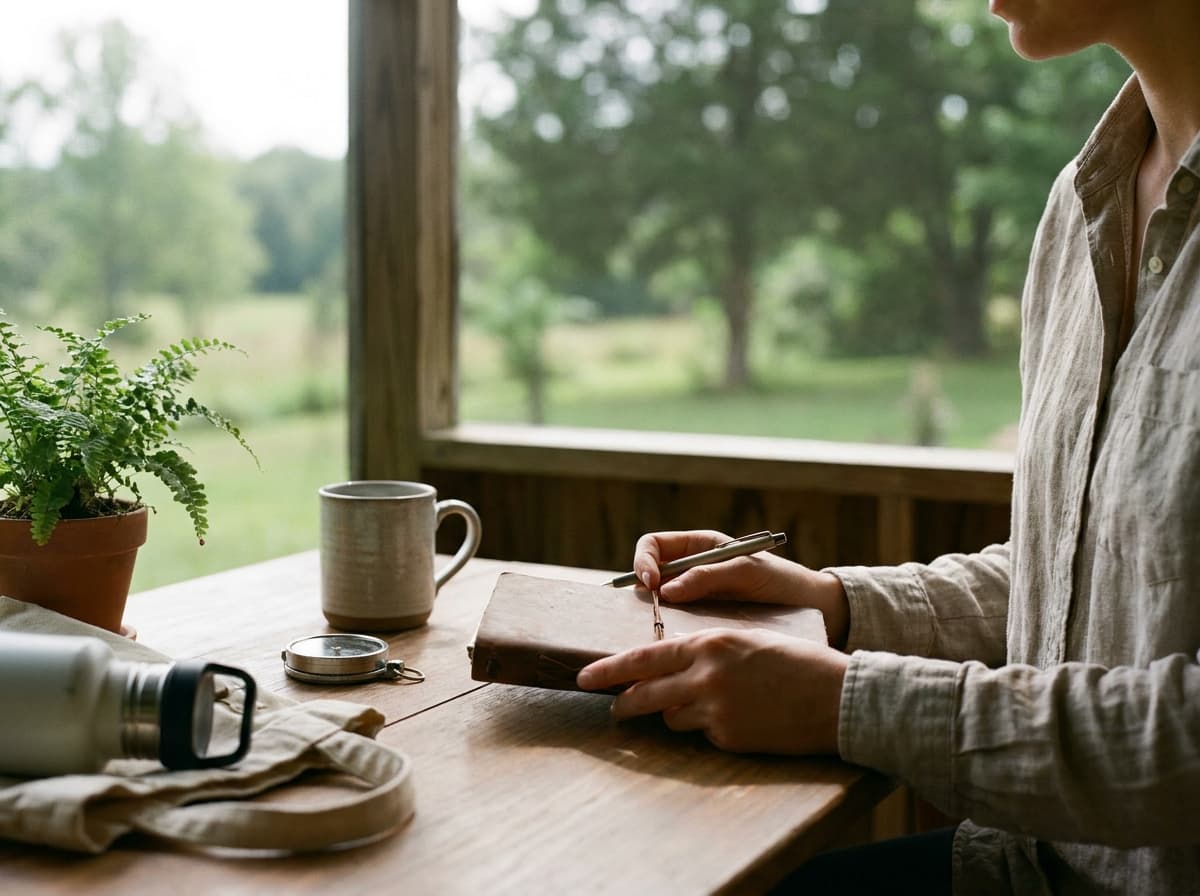
So where does this leave us? Developing a solid solo hiking mindset means trading dramatic stories for real solo wilderness safety skills. When you realize you are your own best backup, the trail stops being a place of worry and starts being a place of pure freedom. Self-reliance in the wild is just a muscle that gets stronger every time you trust your own feet and your own gut.
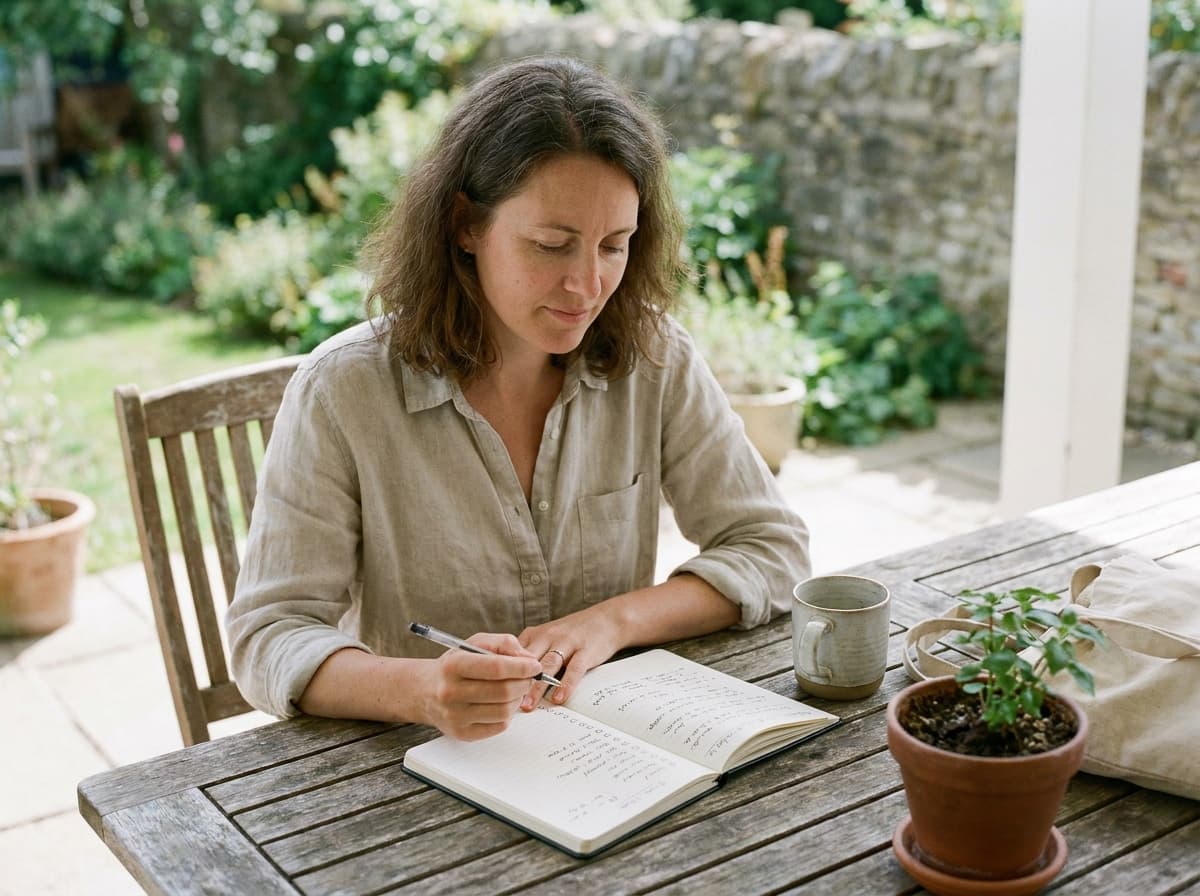
If you still have the jitters, your next move is a small one. You do not need to disappear into the deep woods for a month. Just try a local trail alone on a sunny Saturday. This easy mental preparation for solo adventures helps you see that the actual risks of solo trekking are manageable with a little bit of planning and the right gear.
The woods are not nearly as spooky as your brain likes to pretend they are. You are way more capable than you give yourself credit for, so go out there and find your own pace. The trail is waiting and you are ready.
Every WilderReady guide is researched, written, and fact-checked in-house against trusted references such as the American Red Cross, the National Park Service, and the CDC before it goes live. We publish under this shared byline instead of invented personas, so you always know who stands behind the guidance you are reading.