Why Your Brain Is Your Best Survival Tool (and How to Use It)
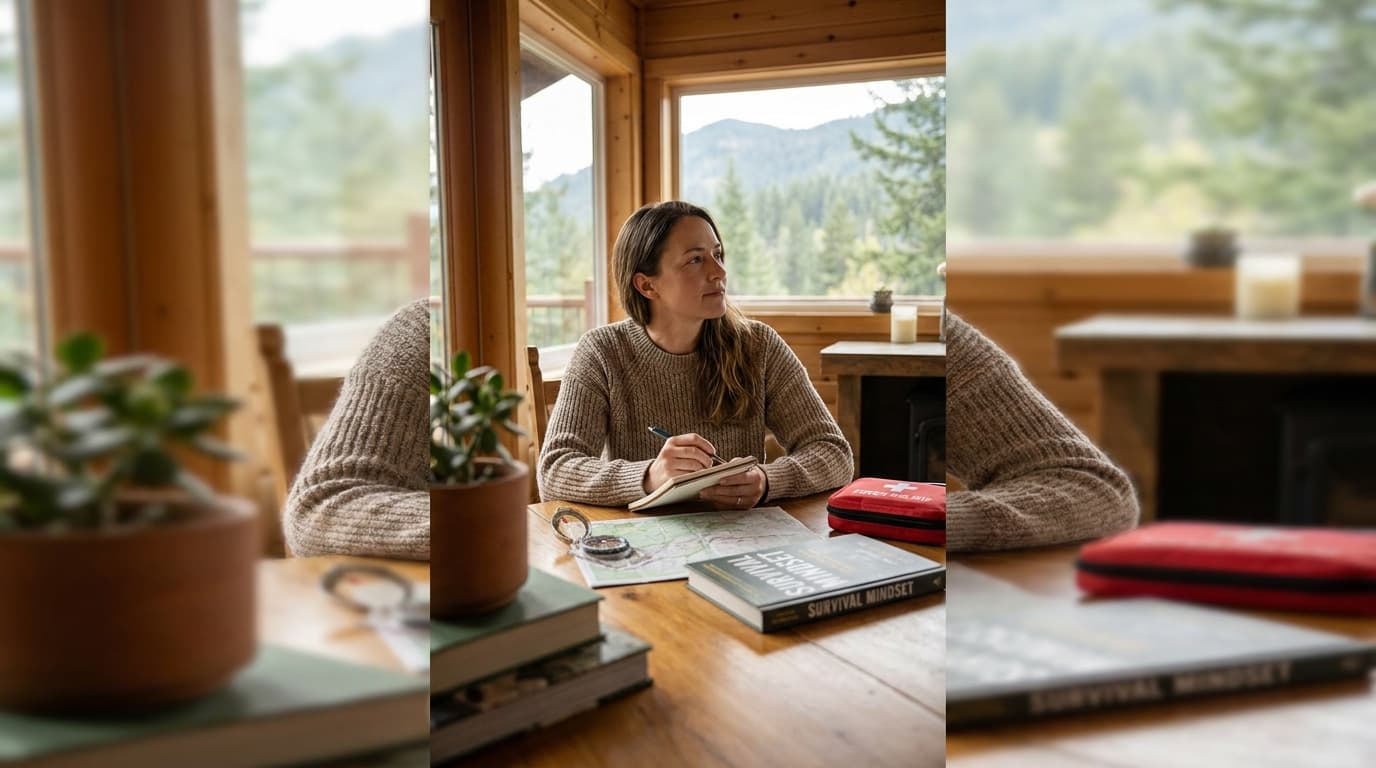
Survival is 90% mental and 10% gear because your tools only work if you're calm enough to use them. Building a strong Mindset & Preparedness habit means training your brain...

Rowan Hale
Bushcraft Instructor & Backcountry Skills Writer
Why Your Brain Is Your Best Survival Tool (and How to Use It)
Survival is 90% mental and 10% gear because your tools only work if you're calm enough to use them. Building a strong Mindset & Preparedness habit means training your brain to recognize threats before they escalate into disasters.
Whether you're facing a wilderness emergency or a sudden power outage, panic is your biggest enemy. Learning to manage that stress ensures you can make fast, smart decisions when every second counts.
You'll learn how to use the OODA loop and practice high-pressure skills so you're always ready for the real world.
The Power of Living in Condition Yellow
Condition Yellow is the sweet spot where safety lives. It is a state of relaxed alertness where you are not paranoid, but you are also not oblivious. Most people spend their lives in Condition White, totally absorbed in their phones or lost in thought. Living in Yellow simply means your head is up and your eyes are moving, allowing you to spot what does not belong before things get out of hand. Think of a cat lounging by a window; they look relaxed, but their ears twitch at every sound. That is the mindset you want.
This mindset serves as your primary line of defense against both natural and human-made threats. As Creek Stewart points out in his guide, Disaster Survival 101 (ISBN 978-1507223079), mental preparedness is often more important than the gear you carry. When you are in Yellow, you are observant enough to notice a threat early, which allows you to transition into Condition Orange - the identification of a specific problem - without panicking. You are not looking for trouble, you are just acknowledging your environment.
Imagine you are walking through a busy parking lot. Instead of checking your email, you are scanning the rows and noticing a person leaning against a car three spaces down. You have already identified your exit. If that person starts moving toward you quickly, you shift to Condition Orange and then to Condition Red, which is the action phase. In a theater, this might look like smelling smoke and immediately locating the nearest door instead of waiting for an announcement. It is about moving from noticing to responding before the crowd reacts.
Making this a habit turns situational awareness into a survival tool rather than a chore. It is about staying off autopilot and being ready to act if the situation changes. Even small shifts, like watching how livestock or pets behave, can give you a head start on a predator or a storm. By staying aware, you avoid becoming a soft target and keep yourself in a position of strength.
Key insights:
- Identify three exits every time you enter a new building to make active observation a natural habit.
- Commit to a pre-planned response for common environments like your office, the grocery store, or your commute.
- Change up your daily routines frequently to avoid being a predictable target for threats.
- Monitor your environment for changes in ambient sound or animal behavior as these are natural early warning systems.
- Keep nutrient-dense rations like Survival Tabs nearby to ensure you have the energy to make clear decisions during a 72-hour emergency.
Moving from Alert to Action
Moving from noticing a problem to actually doing something is where most people hesitate. In the color-coded system of situational awareness, this is the shift from Condition Orange, where you spot a specific threat, to Condition Red, where you act. The goal is to skip the phase where you wonder if you are overreacting and jump straight into a survival plan.
Imagine you are sitting in a crowded movie theater and catch the faint scent of wood smoke. While others might wait for an announcement or look around for social cues, you immediately enter Condition Orange. You locate the nearest emergency exit and visualize your path through the rows. This mental shift turns a potential panic into a calculated exit strategy before the crowd even reacts.
Key insights:
- Commit to a pre-planned response for every building you enter.
- Identify at least two exits whenever you sit down in a public space.
- Watch for changes in your environment like sudden silence or unusual smells.
- Practice moving from observation to action during low-stress daily routines.
Using the OODA Loop to Make Fast Decisions
How do you make a smart choice when you only have seconds to spare? Most people freeze because their brain gets overwhelmed, but you can avoid that by using the OODA loop. This framework - Observe, Orient, Decide, and Act - helps you process chaos and turn it into a plan. It is the best way to shorten the gap between seeing a problem and actually solving it.
Think about a pilot in a dogfight. They are not guessing; they are constantly observing the enemy and orienting their plane to the best possible position. You can use this same mindset during a sudden disaster like a flash flood. Instead of letting panic take over, you look for the high ground, size up the water speed, and move. As Creek Stewart notes in Disaster Survival 101, your mental preparedness is the most essential tool you own.
Staying alert does not mean being paranoid. It means living in Condition Yellow, which is a state of relaxed awareness where you are observant but calm. By staying off autopilot and changing up your daily routines, you stop being a soft target. This matters because awareness is your primary line of defense against both natural disasters and human-made threats.
Key insights:
- Play the If-Then game daily by asking yourself what you would do if the power went out or the fire alarm rang right this second.
- Scan every room you enter for at least two ways out so you never feel trapped during an emergency.
- Watch your pets or local livestock for odd behavior since animals often sense environmental shifts or predators before humans do.
- Keep nutrient-dense rations like Survival Tabs in your bag to keep your brain fueled when you need to make fast decisions.
- Practice shifting from Condition Yellow to Condition Orange by identifying one specific thing that looks out of place in your current environment.
How to Stop the Freeze During Medical Emergencies
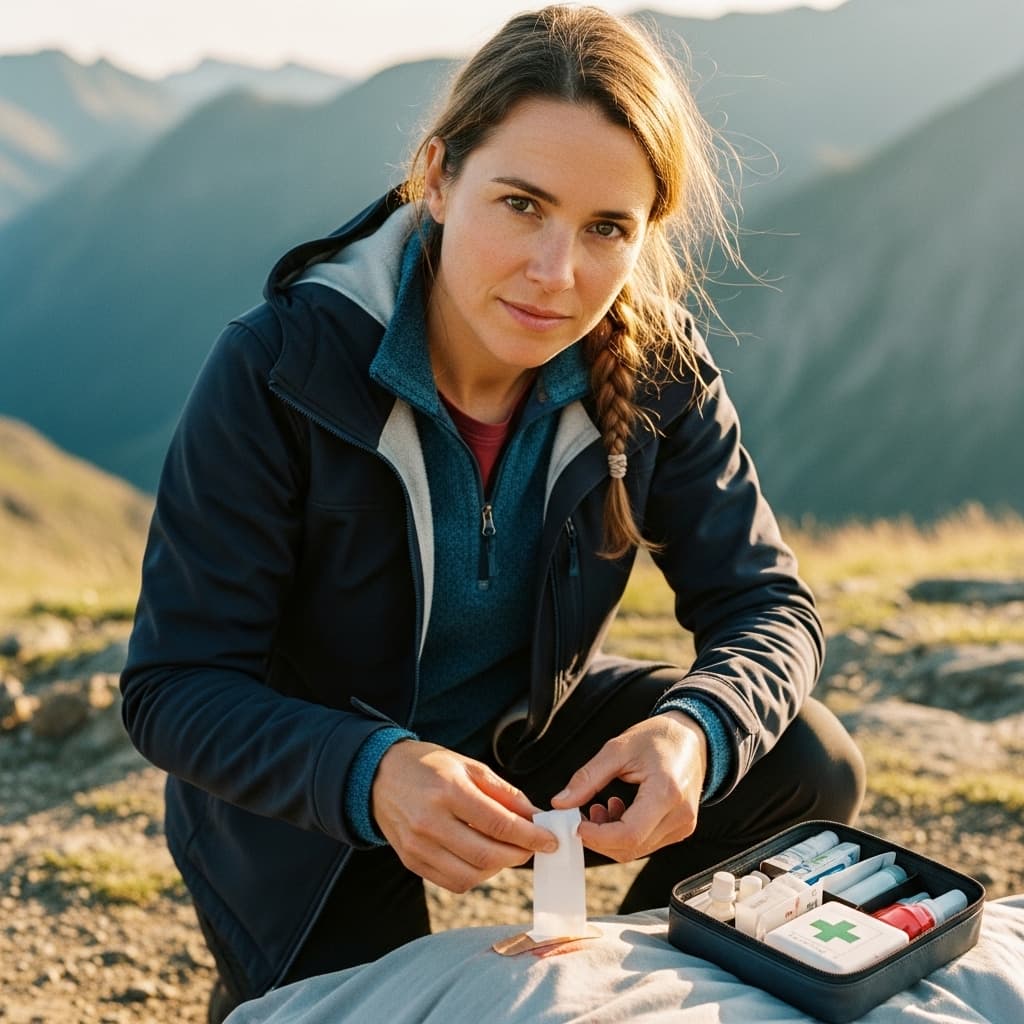
When a medical emergency hits in a remote area, your brain often hits a wall. This freeze response happens because your heart rate spikes and your body enters what experts call Condition Red. You cannot think clearly or move effectively when your nervous system is in total shock. To stop the freeze, you have to force your body to calm down before you try to help the patient.
It sounds backwards to slow down when every second counts, but a few seconds of mental resetting will make you much faster in the long run. If you try to work while your hands are shaking and your mind is racing, you are more likely to make a mistake that could make the situation worse.
Imagine you are deep in the woods and your hiking partner takes a bad fall. Your heart starts racing and your hands shake so much that you cannot even get your first aid kit open. You want to help, but you feel paralyzed by the pressure of the moment. This is a classic survival hurdle where your brain alarm system has taken over your motor skills.
Survival is not just about the gear you carry in your pack. As Creek Stewart highlights in his disaster survival guide, mental preparedness is the foundation of staying alive. By practicing situational awareness and keeping yourself in Condition Yellow, which is a state of relaxed alert, you are less likely to be blindsided by a crisis. This mindset helps you spot problems before they turn into full blown disasters.
Key insights:
- Use Box Breathing by inhaling for four seconds, holding for four, exhaling for four, and holding for four again to manually lower your heart rate.
- Stay in Condition Yellow while outdoors by scanning your surroundings and listening for changes in the environment instead of looking at your phone.
- Watch the behavior of local animals or livestock because they often sense danger or weather shifts before humans do.
- Keep nutrient-dense emergency rations like Survival Tabs nearby to maintain your energy and focus during high-stress moments.
Why You Should Practice Fire Making When You're Stressed
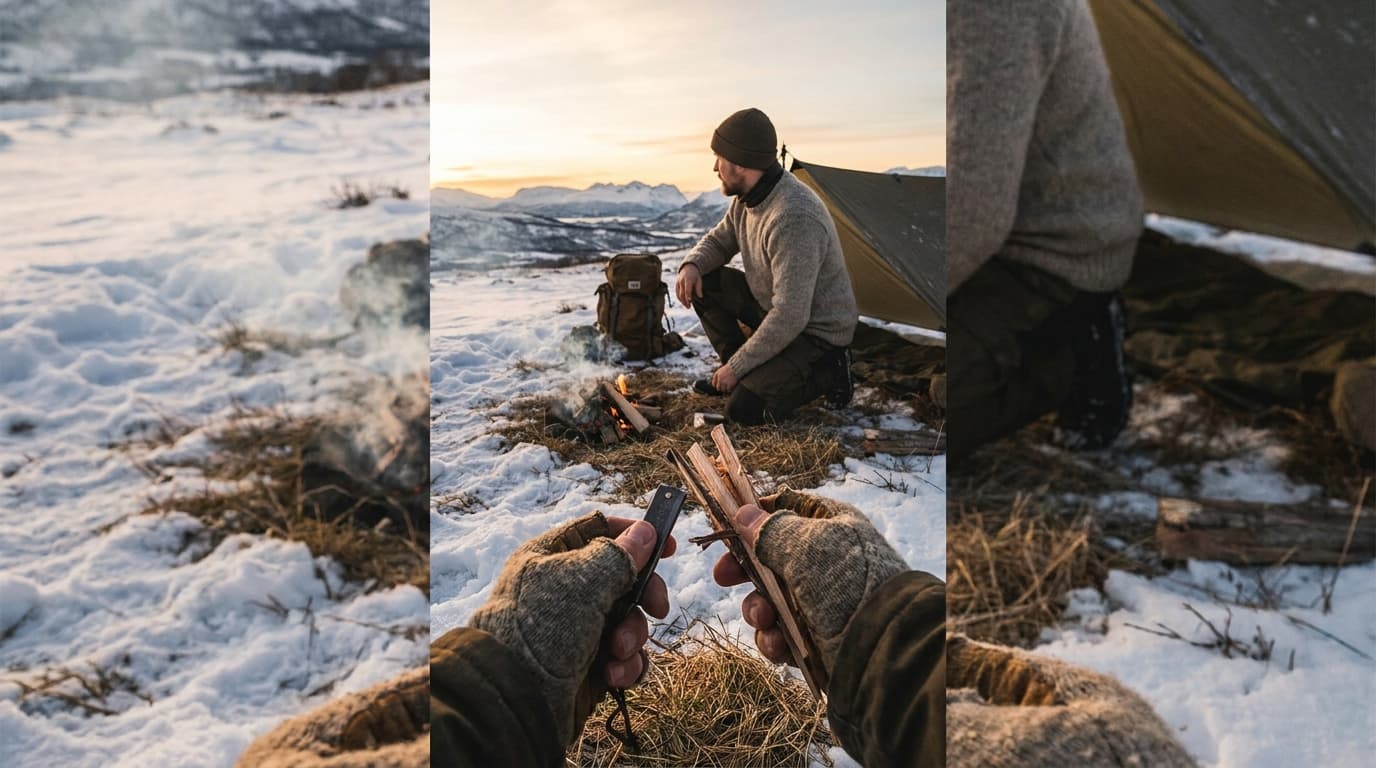
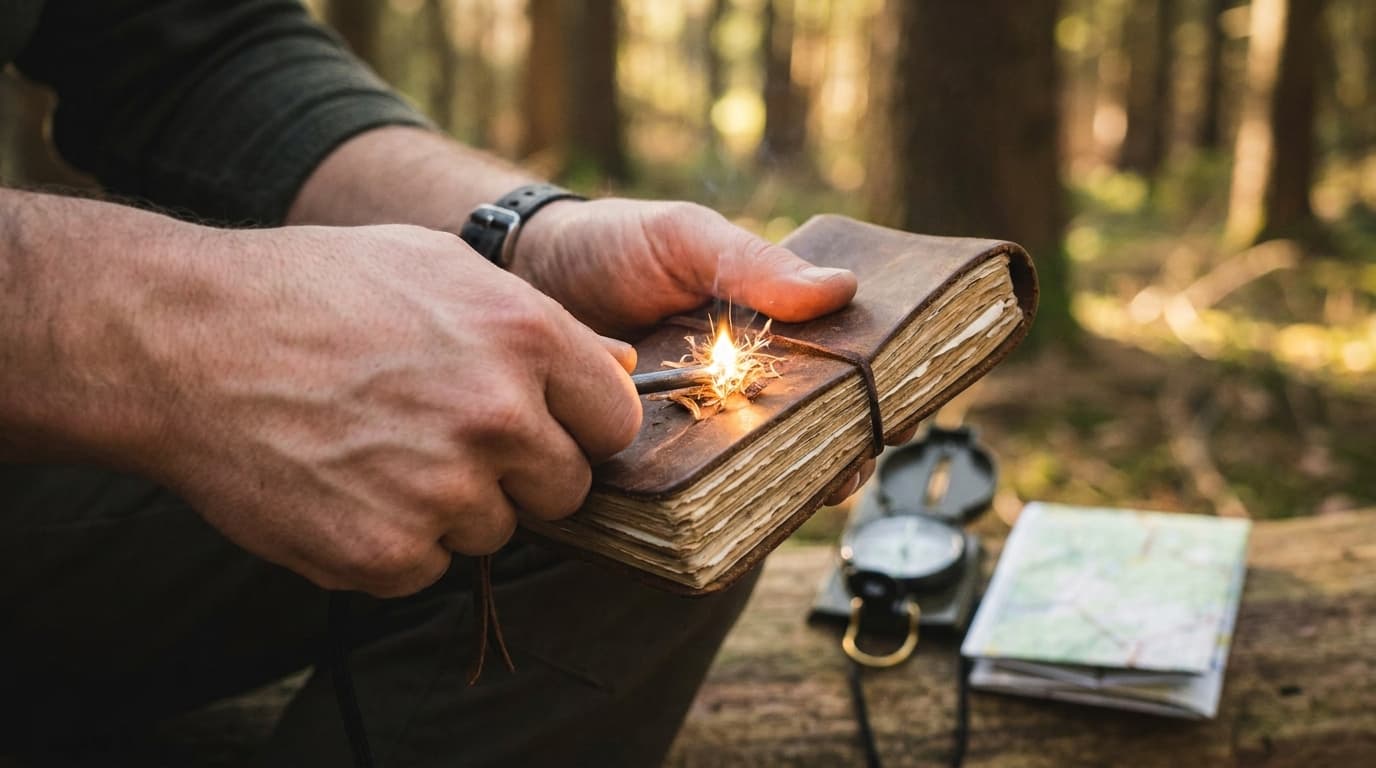
Fire making is a perishable skill that often falls apart the moment you get cold, tired, or scared. It is easy to feel confident in your backyard on a sunny afternoon, but real emergencies do not happen in perfect conditions. When your body enters a high-stress state, your fine motor skills suffer and your brain struggles to process simple steps that seemed easy an hour ago.
Practicing under pressure bridges the gap between knowing how to do something and actually being able to do it when it counts. By intentionally adding stress to your training, you move out of Condition White - that state of being oblivious - and train your brain to stay effective in Condition Yellow or Orange. This mental shift is what separates a lucky survivor from someone who is truly prepared for any scenario.
Imagine you just finished a grueling five-mile hike and the temperature is dropping fast. Your hands are chilly and you are physically exhausted. Instead of reaching for a blowtorch or a pile of pre-cut logs, you try to get a flame going using only the items in your pockets. The wind is picking up and your fingers feel like lead. This scenario simulates the emergency pressure that reveals whether your skills are functional or just theoretical.
Key insights:
- Set a 2-minute timer to simulate the urgency and adrenaline of a real survival situation.
- Try starting a fire using only what you carry in your pockets to test your everyday carry gear.
- Practice your skills at the end of a long day when you are already tired or hungry.
- Look for natural tinder in damp conditions to see what actually catches fire when things are wet.
- Avoid relying on complex tools that require steady hands or perfect weather to operate.
The Truth About Survival Gear vs. Survival Skills
A backpack full of expensive gear doesn't make you a survivalist any more than owning a piano makes you a musician. Tools are helpful, but they are just dead weight if you lack the mental skills to use them when things get ugly. In his book, Disaster Survival 101, Creek Stewart argues that a kit is really just a box of items unless you have the mental fortitude to stay calm and act.
Think about a typical afternoon on a small homestead. If you are stuck in Condition White - totally oblivious and staring at your phone - you might miss the fact that your livestock have gone silent and are staring toward the trees. Someone practicing situational awareness stays in Condition Yellow, a state of relaxed alert. This simple mental shift lets you spot a predator or a brush fire minutes before it becomes a life-threatening emergency.
Survival is about being proactive rather than reactive. It is better to have a few basic skills and no gear than a mountain of gear and no clue how to handle a crisis. Integrating your mental state with your physical tools is what actually keeps you safe.
Key insights:
- Audit your everyday carry habits to ensure you have at least one tool for fire, one for light, and one for communication on you at all times.
- Practice moving from Condition White to Condition Yellow by scanning every new environment for exits and listening for changes in background noise.
- Watch your animals closely because livestock often sense predators or approaching storms much faster than people do.
- Build your mental resilience by practicing basic skills like fire-making or navigation under stressful conditions to see how your brain handles the pressure.
Common Questions About Survival Mindset
Many people worry that mental preparedness means living in a state of constant fear. It is actually the opposite. By moving out of Condition White - where you are oblivious to your surroundings - and into Condition Yellow, you gain a sense of calm control. You are just being observant, not paranoid. This shift helps you spot trouble early so you have more time to react and keep your family safe.
Imagine you are out for a walk with your kids. Instead of everyone looking at their phones, you make it a habit to scan the area for exits or odd sounds. You might notice the neighbor's cows acting restless or the sky turning an odd shade of gray. Because you are paying attention, you can lead your family to safety without ever raising your voice or causing a panic. It feels like a natural part of your day rather than an emergency drill.
Staying sharp also requires physical support because stress drains your energy fast. When your blood sugar drops, your decision-making skills go with it. Keeping your body fueled with nutrient-dense rations ensures your brain stays focused when you need it most.
Key insights:
- Stay in Condition Yellow by keeping a relaxed alert status during your daily routine to avoid being a soft target.
- Use resources like Disaster Survival 101 by Creek Stewart to teach family members preparedness skills without the fluff.
- Monitor livestock behavior on your homestead as an early warning system for predators or weather shifts.
- Pack nutrient-dense rations like Survival Tabs to maintain cognitive function and energy during a 72-hour crisis.
- Avoid predictable routines by changing your travel paths to stay alert and less vulnerable.
Frequently Asked Questions
Conclusion
So where does this leave us? Real survival isn't just about having a backpack full of gadgets. It is about how you think when things go sideways. By staying alert and using a solid decision making framework for wilderness emergencies or city disasters, you turn your brain into your most reliable tool. Whether you are managing panic during remote first aid scenarios or just noticing the exits at the grocery store, your mindset and preparedness are what keep you moving forward.
It is easy to feel ready when you are comfortable at home, but the real test comes when you are tired or stressed. That is why practicing fire making skills under pressure or testing your everyday carry habits for situational awareness matters so much. You want these habits to be automatic so you don't have to guess what to do when every second counts.
Your next move is simple: pick one small thing to work on today. Maybe try box breathing while you are stuck in traffic or play the If-Then game on your way to lunch. Disaster survival 101 mental preparedness doesn't have to be scary. It is just about being a little more present and a lot more capable. Stay sharp, stay calm, and remember that you are your own best resource.
Send it to someone who should read it next.
About the author

Rowan Hale
Bushcraft Instructor & Backcountry Skills Writer
Teaches fieldcraft, shelter systems, fire craft, and practical survival routines for readers who want usable skills, not theory.
View all articles