Why Your Mindset Matters More Than Your Gear in the Wild
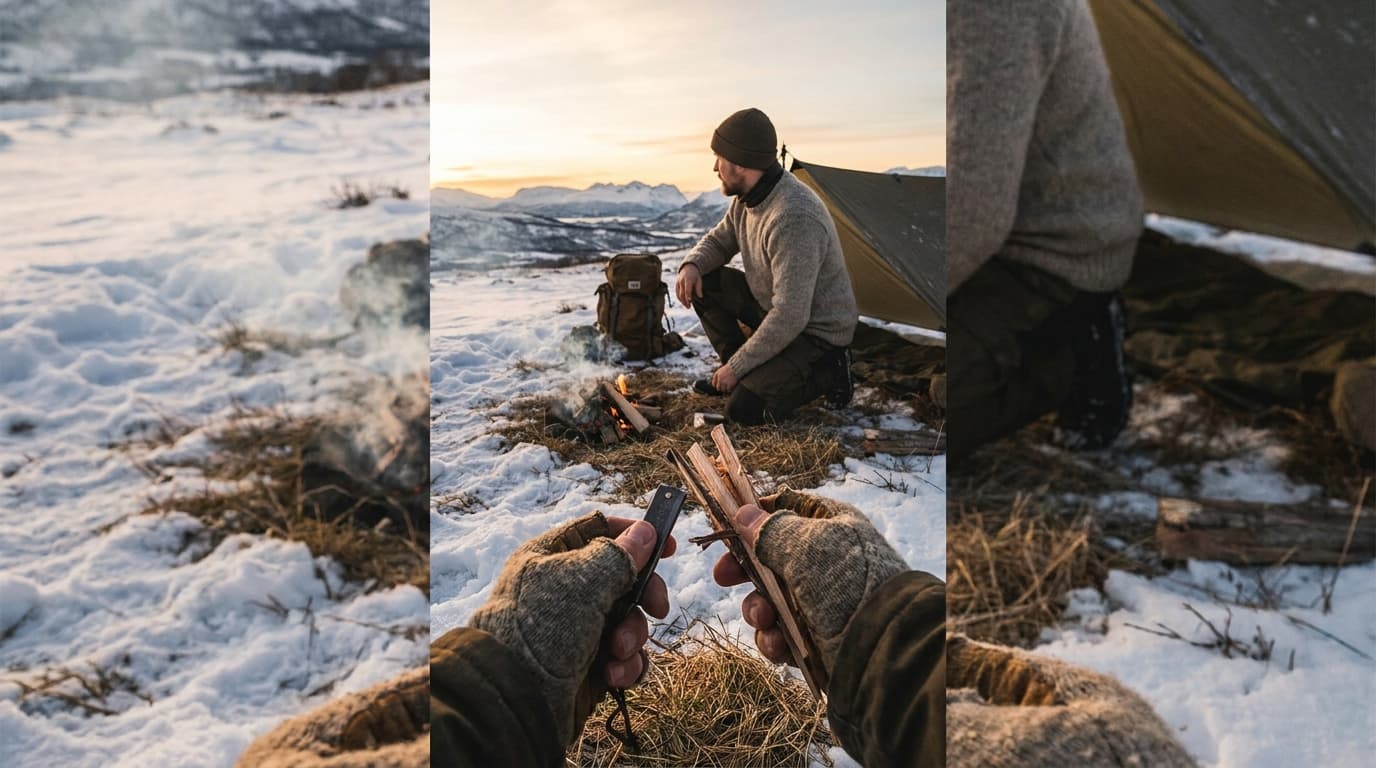
You have the expensive knife and the fancy fire starter, but if your hands are shaking from panic, that gear is just dead weight. It is a tough truth to...
Why Your Mindset Matters More Than Your Gear in the Wild
You have the expensive knife and the fancy fire starter, but if your hands are shaking from panic, that gear is just dead weight. It is a tough truth to swallow, but your brain is actually the most important tool in your pack. When things go wrong in the woods, your Mindset & Preparedness will determine if you stay safe or get into real trouble.
This article looks at why mental toughness beats physical supplies every single time. We will talk about building daily bushcraft habits that keep you sharp and how to handle the mental preparedness for solo camping if you are just starting out. It is not just about survival kits; it is about training your mind to stay calm when the temperature drops or an injury happens.
We are going to cover the S.T.O.P. protocol, situational awareness, and even psychological first aid for wilderness emergencies. By the end, you will know how to turn survival thinking into a natural part of your outdoor life so you can head out with genuine confidence.
Why Your Brain is the Most Important Tool in Your Pack
You can buy the most expensive knife or the lightest tent, but they won't do much if your head isn't in the game. In a crisis, your mindset is actually more important than any gear you carry. Think about it. When things go wrong, the first instinct is usually to rush. But experts suggest a different approach called the S.T.O.P. protocol. It stands for Stop, Think, Observe, and Plan. By just sitting down and taking a breath, you switch from panic to problem-solving. This isn't just about staying calm. It is about making sure you can actually use the tools you brought with you.
Fear is like a physical weight. If you let it take over, your body starts to shut down in ways you might not expect. Research shows that extreme anxiety messes with your judgment and even your basic motor skills. You might find yourself unable to light a fire in the cold or tie a simple knot because your brain is stuck in a loop of fear. It is a strange but true fact that your belief system can even influence how your immune system works. A positive attitude keeps your body running better when you need it most.
Building this mental strength doesn't happen overnight. It starts with small, daily habits that sharpen your awareness. Instead of just looking at the ground while you walk, try to notice the terrain and the weather. Look for dry wood or see which way the wind is blowing. This kind of situational awareness turns emergency prep into a natural part of your day. Whether you are new to camping or a pro, focusing on these habits ensures you are ready for anything, even if your GPS dies and you have to find the North Star.
Key insights:
The S.T.O.P. protocol is a simple way to reset your brain and avoid panic during an emergency.
Mental stress has a direct physical impact on your ability to perform basic survival tasks like fire making.
Daily awareness habits are more effective than just buying supplies for modern preparedness.
The Science of Fear and How to Control It
Imagine you are deep in the woods and suddenly realize the trail has vanished. Your heart starts pounding and your palms get sweaty. This is the moment fear takes the wheel, and it can be more dangerous than any lack of gear. When panic takes over, your brain shifts into a survival mode that actually makes surviving harder. Your fine motor skills, the ones you need to strike a match or tie a knot, start to fail. Research shows that extreme anxiety messes with your judgment and even your body's metabolism. You aren't just scared, your body is shutting down the very tools you need to get home safely.
A lot of this pressure comes from what experts call the echo chamber of fear. We are constantly fed stories of worst-case scenarios through social media and the news, which changes how we see risk. We start imagining every rustle in the bushes is a predator or every gray cloud is a life-threatening storm. To fight this, you have to use breathwork and mindfulness. By slowing your breathing, you send a physical signal to your nervous system that the immediate danger has passed. It is about moving from a reactive state where you are jumping at shadows to a proactive one where you can actually think.
This is where the S.T.O.P. protocol becomes your mental reset button. It stands for Stop, Think, Observe, and Plan. It sounds simple, but it is a powerful way to break a panic cycle. The first step is the most important: just sit down. Some survival instructors even suggest eating a small snack. Why? Because your body knows you wouldn't be eating if you were about to be eaten by a bear. Eating tells your brain that you are safe enough to chew, which helps lower your stress levels and brings your logical mind back online.
Once you are sitting and calm, you can Think and Observe. Look at your surroundings and check your resources. Is there water nearby? What is the weather doing? Only after you have gathered these facts do you move to the Plan phase. This moves you away from 'what if' thinking and toward 'what now' actions. Interestingly, your belief in your ability to survive actually helps your body stay healthy. There is a real connection between your mindset and your immune system, meaning a calm head might literally help your body fight off the effects of cold or exhaustion while you work your plan.
Key insights:
Fear causes a physical breakdown of fine motor skills and logical judgment.
The 'echo chamber of fear' from media can distort your perception of real wilderness risks.
The S.T.O.P. protocol (Stop, Think, Observe, Plan) acts as a manual override for panic.
Eating a snack during a crisis is a biological hack to signal safety to your nervous system.
A positive survival mindset is scientifically linked to better immune and metabolic function.
The S.T.O.P. Protocol: Your Mental Reset Button
Imagine you are deep in the woods and suddenly realize the trail markers have vanished. Your heart starts pounding and your mind begins to race with every worst case scenario. This is the exact moment fear can start to mess with your body and your ability to make good choices. Research shows that extreme anxiety actually degrades your judgment and your motor skills. Instead of rushing forward, you need to hit your mental reset button using the S.T.O.P. protocol. It stands for Stop, Think, Observe, and Plan.
The first thing you should do is just sit down. Seriously, just sit. This is the perfect time to have a snack or a drink of water. It might feel strange to eat when you are worried, but it actually signals to your brain that you are safe. This simple act helps shift you out of reactive panic and back into a state where you can think. When you calm your breathing and fuel your body, you can assess your risks and goals without the fog of anxiety clouding your vision.
Once you have settled, start looking around to really see what is happening. Notice the terrain, the weather, and any resources like dry wood or a clear spot for a shelter. Awareness is your best friend when it comes to staying safe. Use these observations to build a solid plan that prioritizes what you need most. This process moves you from feeling like a victim of the situation to being the person in charge of your next move. It is about moving from a state of fear to one of proactive planning.
Key insights:
Sitting down to eat a snack can physically calm your nervous system during a crisis.
The S.T.O.P. method prevents the physiological decline caused by unchecked fear.
Observation turns environmental awareness into a practical survival plan.
Building Situational Awareness into Your Daily Life
Most people think survival starts when the gear comes out, but JD Alewine from Southeast Wilderness Medicine says awareness is actually the first step in staying safe. It is not a skill you suddenly turn on once you hit the trail. Instead, it is a mindset you carry from the grocery store to the deep woods. Think of it as a three-layered shield. First, you have environmental awareness, which means knowing the weather and the ground under your feet. Then there is tracking, or noticing how things move around you. Finally, you have situational awareness, where you piece together what those movements mean for your safety.
You can build these habits anywhere. When you are walking through the city, try to notice things most people miss. Where are the exits? Who seems out of place? How is the wind changing between the buildings? This is not about being worried; it is about being tuned in. When we get scared, our bodies react physically. If fear takes over, it can actually mess with your judgment and motor skills. This is why experts suggest the S.T.O.P. protocol. You literally Stop, Think, Observe, and Plan. It forces you to sit down and breathe so your brain can stay in charge of your muscles.
Interestingly, your mindset does more than just help you think clearly. Some research suggests a deep link between your belief system and your immune system. When you stay calm and focused, your body is better at producing what it needs to stay healthy and resilient. By practicing awareness daily, you are not just learning to find your way. You are training your body to stay strong under pressure. Mindset always matters more than physical supplies in a crisis.
Reading the landscape like a pro means looking past the scenery to see the story the land is telling. You have to learn to spot local hazards like flash flood zones or toxic plants before you are standing in the middle of them. This is where terrain association comes in. Instead of staring at a screen, you look at the ridgelines and valleys to figure out where you are. It is about matching the shapes on a map to the shapes in front of your eyes. Think of it like recognizing a friend's face in a crowd. You are looking for familiar features in the earth to guide you home.
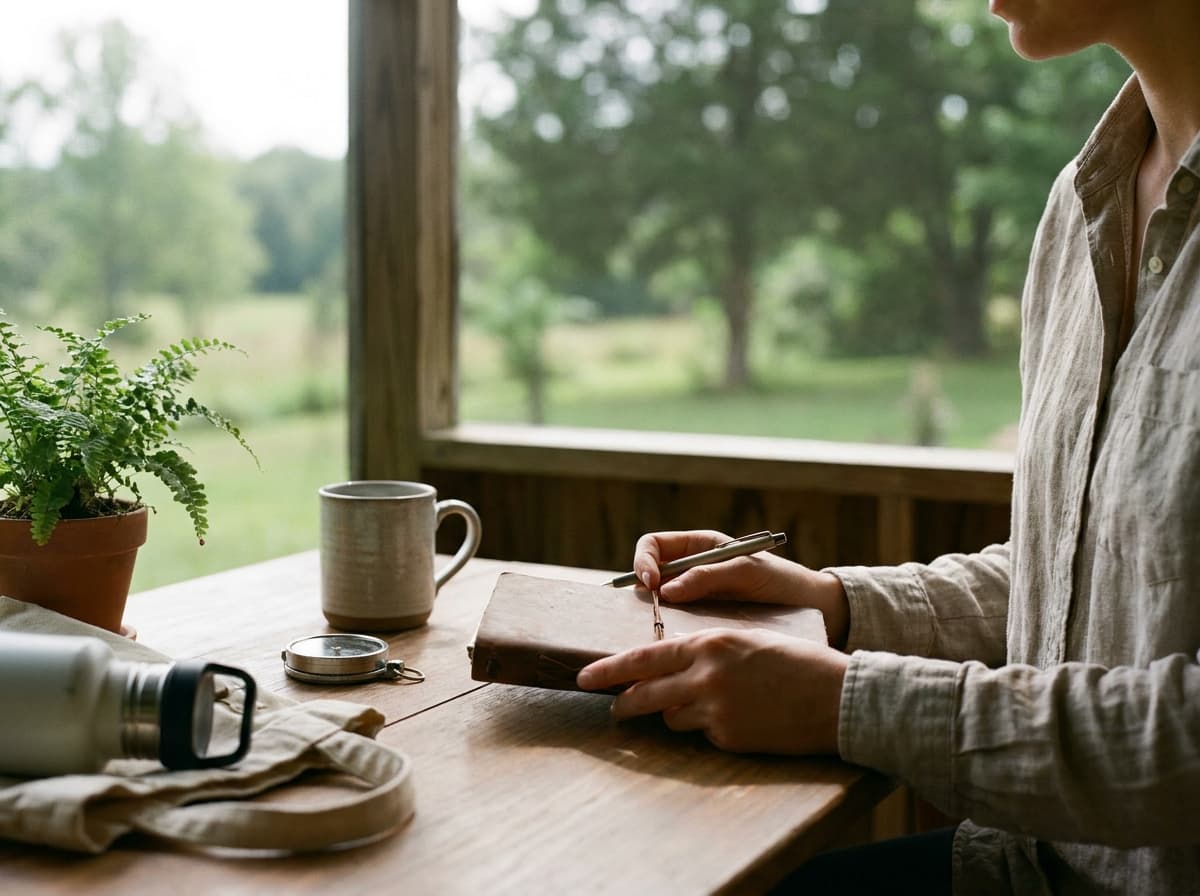
While your phone is a great tool, it should not be your only one. Batteries die and screens break. Traditional navigation, like using a compass or reading a topographic map, is a mandatory backup for anyone heading outdoors. Even if you lose everything, the North Star is still there in the northern hemisphere to show you the direction. Using Polaris to find north is a skill that has worked for thousands of years, and it still works today when the satellites will not connect. It is the one constant in a changing sky.
Key insights:
Mindset is prioritized over physical supplies because it directly affects your metabolic function and decision-making.
The S.T.O.P. protocol (Stop, Think, Observe, Plan) is the best way to prevent fear from hijacking your motor skills.
Traditional navigation skills like map reading and finding the North Star are mandatory backups to modern GPS devices.
Situational awareness is a muscle you can train in the city by observing your environment and tracking movement in daily life.
Reading the Landscape Like a Pro
Have you ever stood in the woods and felt like you were looking at a wall of green? Most people see a backdrop, but a seasoned hiker sees a map. This is situational awareness. It involves spotting a dry creek bed that could become a flash flood zone in minutes or recognizing the waxy leaves of a plant that might ruin your week. If you ever feel turned around, use the S.T.O.P. method. Just sit down, breathe, and think before you take another step.
Terrain association is your secret weapon for staying found. Instead of staring at a screen, look at the land. Can you see how the ridgelines connect or where the valleys dip? These are permanent features that do not need a battery to exist. While modern GPS is great, it can fail. That is why traditional skills like finding the North Star are still vital. Polaris has guided people for centuries and it will still be there when your phone dies.
Awareness also keeps your mind sharp. When you understand your environment, you feel less fear. High anxiety can actually mess with your judgment and even how your body functions. By staying observant, you keep your brain in charge instead of your panic. Think of the landscape as a conversation. The more you listen, the safer you stay. What does this mean for you? It means your brain is your best piece of gear.
Key insights:
The S.T.O.P. acronym helps you reset your brain by forcing you to stop and plan before acting.
Using ridgelines and valleys for navigation is more reliable than relying on a GPS battery.
The North Star is a permanent backup for finding your direction in the northern hemisphere.
Staying Focused When the Temperature Drops
Imagine the sun dipping below the treeline and the air suddenly turning sharp. When the temperature drops, the cold doesn't just bite your skin; it starts to cloud your thinking. This is the mental wall every survivalist faces. You might have the best gear in your pack, but if your brain isn't dialed in, those tools won't save you. Staying focused when you are shivering is a genuine psychological battle because your body is screaming at you to hurry up, and hurry is exactly what leads to mistakes.
The reality is that extreme cold degrades your fine motor skills and your judgment simultaneously. Think of it this way: as your hands lose dexterity, making it harder to strike a ferro rod, your brain is also losing its ability to process complex tasks. If you let anxiety take over, you enter an echo chamber of fear that actually hurts your metabolic function. Scientific research even suggests a deep link between your belief system and your immune system. If you believe you can handle the situation, your body stays more resilient. But if you panic, your judgment and motor skills fall apart right when you need them most.
So, how do you keep your head when your fingers are numb? You need a circuit breaker for your stress. The S.T.O.P. protocol is a classic for a reason: Stop, Think, Observe, and Plan. When you feel the pressure building while maintaining focus for fire making in extreme cold, you have to literally sit down and breathe. This pause allows you to assess the terrain and wind patterns instead of just frantically striking sparks into damp tinder. Awareness is your first step to safety, and it starts with a calm mind.
Building these habits now makes them second nature later. Whether you are practicing daily situational awareness or learning to read a topographic map as a backup to your GPS, the goal is to reduce the mental load. By understanding the local flora and weather patterns ahead of time, you give your brain fewer things to worry about in a crisis. In the end, your mindset is your most important asset. If you can control your fear, you can control the fire.
Key insights:
Fear has a direct physiological impact that slows down your metabolism and clouds judgment.
The S.T.O.P. acronym (Stop, Think, Observe, Plan) acts as a mental reset during high-stress tasks.
Willpower and a positive belief system are linked to better immune response and physical resilience.
Situational awareness involves understanding terrain and resources before an emergency happens.
Going Solo: Mental Prep for Your First Wilderness Trip
Imagine you just parked your car at the trailhead and the engine clicks off. Suddenly, the silence of the woods feels heavy. That psychological weight is real. It is the realization that if something goes wrong, you are the only one there to fix it. This is where mental preparedness for solo wilderness camping beginners starts. It is not about having the most expensive knife but about knowing how to talk to yourself when the shadows get long and the wind picks up.
If you feel that spike of anxiety, remember the S.T.O.P. protocol. It stands for Stop, Think, Observe, and Plan. It sounds simple, but sitting down to breathe can save your life. The reality is that mindset is actually more important than your physical gear when things go wrong. Why? Because fear has a literal physiological impact. If you are overwhelmed by fear in an emergency, everything from your metabolic processes to your judgment will be negatively affected. If you let your imagination run wild, you stop making good choices.
You can build a resilient habit loop before you even leave your driveway. Practice situational awareness by noticing the weather or local plants in your neighborhood. When you are out there, use traditional navigation skills like map reading and terrain association. Relying on a compass instead of just a GPS screen builds a different kind of confidence. It tethers you to the land. You start to see ridgelines and valleys as landmarks rather than just shapes on a screen. As JD Alewine from Southeast Wilderness Medicine says, awareness is the first step in ensuring your safety.
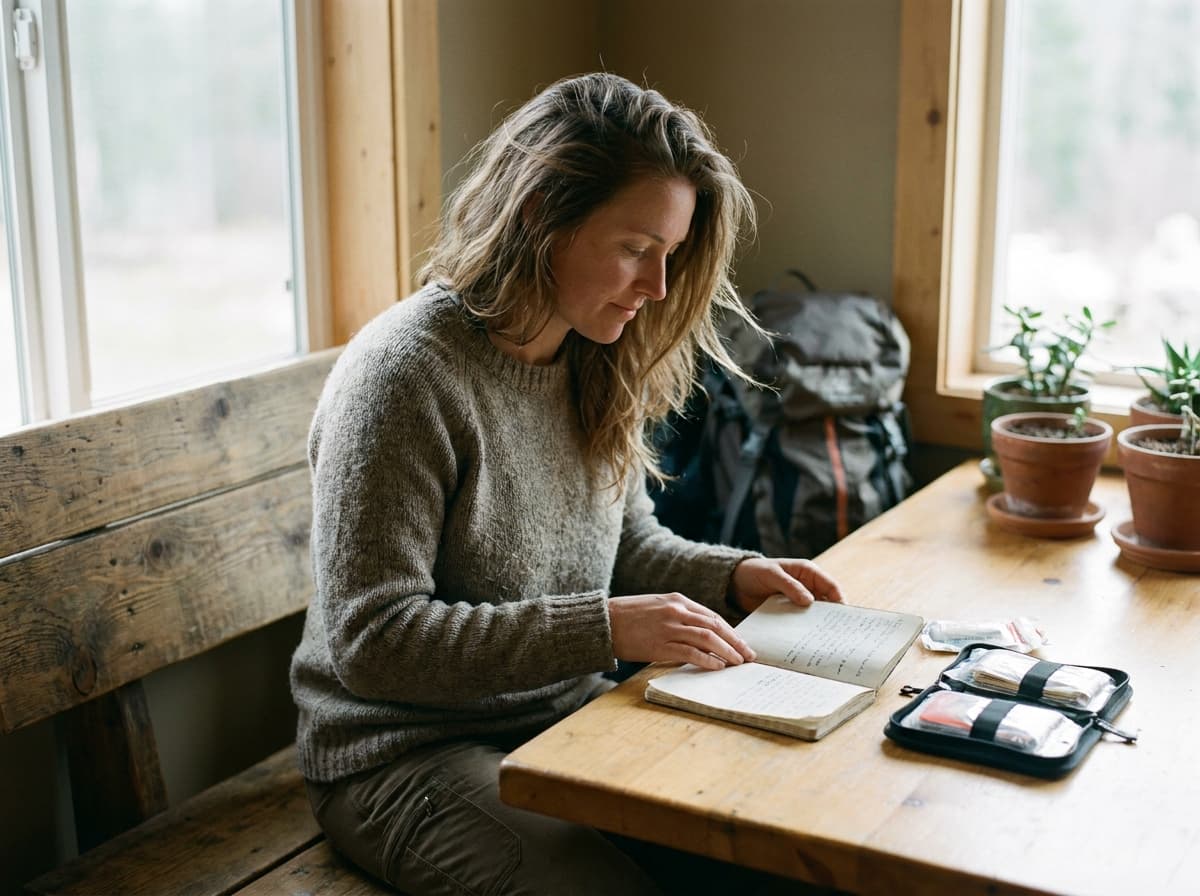
But what happens when things go physically wrong? Psychological first aid is about managing the panic that follows an injury. When you see blood or feel a sharp snap, your brain wants to shut down or run. To keep your head in the game, you have to treat the fear as much as the wound. This matters because your mental state determines how well you can execute the physical steps needed to stop bleeding or build a shelter.
There is actually a scientific link between your belief system and how your immune system works. Research suggests that your willpower can help your body produce the internal medicine it needs to overcome illness or injury. If you can stay calm and maintain a positive attitude, you are literally helping your body recover faster. Modern survival schools are even looking at stress management techniques from leaders like Wim Hof to show how mindset impacts physical health.
Managing pain is partly about distraction and partly about focus. Think of it this way: if you let the pain become your whole world, you lose the ability to plan your next move. By focusing on small, manageable tasks, you keep your motor skills sharp and your judgment clear. It is about proving to yourself that while the injury is real, your mind is still the one in charge. Keeping your head in the game is the best tool you have for staying alive until help arrives or you can walk yourself out.
Key insights:
Mindset is the most important factor in survival, far outweighing physical gear.
Fear triggers a physiological response that can degrade motor skills and decision-making.
Traditional skills like map reading create a deeper sense of confidence and environmental connection.
Positive willpower is scientifically linked to better immune system function and recovery.
The S.T.O.P. acronym provides a simple framework to regain mental control during a crisis.
Psychological First Aid for Injuries
Imagine you just took a bad fall and your leg is twisted. It is scary. Your heart is racing and your mind starts to spiral. This is exactly where psychological first aid starts. Before you even touch a bandage, you need to use the S.T.O.P. method. Just sit down and breathe. Think about what just happened. Observe your surroundings and then make a plan. If you let fear take over, your judgment and even your motor skills will fall apart because of how your body reacts to stress.
There is a deep connection between your mind and your physical recovery. Research shows that your willpower and beliefs actually influence your immune system. When you keep a positive attitude, your body is better at fighting off illness and healing wounds. But if you are overwhelmed by fear, it can negatively affect your metabolic processes. Staying calm is not just a mental trick. It is a biological necessity for survival.
So how do you keep focus when it hurts? You have to stay grounded in the present moment. Instead of worrying about the next three days, focus on the next ten minutes. Can you find a better place to sit? Can you drink some water? By taking small actions, you stop your imagination from creating a cycle of panic. Keeping your head in the game ensures that your body can follow your lead.
Modern Habits for a More Resilient Future
Resilience isn't a gear bag you pull out of the closet only when things go wrong. It is more like a muscle you build during your morning commute or a casual walk through the local park. Think of it as integrating survival thinking into your normal routine so it becomes second nature. When you feel overwhelmed by a deadline or a flat tire, try using the S.T.O.P. protocol: Stop, Think, Observe, and Plan. It is a simple way to keep your head clear and your heart rate down. Experts at Earthwork Programs note that if fear takes over, your judgment and even your motor skills start to fail. By practicing this mental reset now, you are training your brain to stay sharp when the stakes are much higher.
You can also turn resource identification into a hobby rather than a chore. Next time you are outside, take a second to look around with a bit more curiosity. Where is the nearest water source? Which trees nearby would make the best firewood? This kind of wilderness awareness helps you understand the terrain and local hazards like flash floods or poisonous plants long before you actually need that information. It is about building a lifestyle of preparedness where you are always 'on' but never stressed. Even small habits, like spotting the North Star at night or practicing map reading as a backup to your phone, keep your skills fresh. This isn't just about bushcraft situational awareness; it is about staying deeply connected to the world around you.
The most interesting part is how much your mindset affects your physical health. Research suggests a real connection between your belief system and your immune system's ability to keep you well. Staying calm and focused actually helps your body produce what it needs to overcome illness or injury. JD Alewine from Southeast Wilderness Medicine says awareness is the first step in staying safe, and that applies to your mental state as much as your surroundings. Whether you are maintaining focus for fire making in extreme cold or providing psychological first aid after a minor injury, these resilient habits make you harder to rattle. Think of it this way: the best tool you own is the one between your ears, and it works better when you use it every day.
Key insights:
The S.T.O.P. protocol (Stop, Think, Observe, Plan) is as useful for daily stress as it is for wilderness emergencies.
Resource spotting, like identifying firewood or water, should be a casual habit that builds environmental awareness over time.
Mental resilience has a physiological benefit, helping the immune system and motor skills stay functional under pressure.
Frequently Asked Questions
In the world of emergency preparedness, S.T.O.P. stands for Stop, Think, Observe, and Plan. It sounds simple, but it is a total lifesaver when things go sideways. The first step is to literally sit down and take a breath so you do not make a panicked decision that makes things worse.
Once you have calmed down, you can start thinking about your goals and observing what is around you. Maybe you will spot a good place for shelter or find some dry wood you missed earlier. Planning your next move while you are calm helps you save energy and stay safe.
It might sound like a bit of a stretch, but a positive attitude is a huge deal for survival. Research suggests there is a real link between your willpower and how your immune system handles an injury or illness. Basically, your brain can help your body produce the internal medicine it needs to get through a rough spot.
Here is the thing to remember. Fear has a direct physical impact on you. If you get overwhelmed by anxiety, it can mess with your motor skills and your ability to think clearly. By keeping your spirits up, you ensure your body and mind stay in the game instead of shutting down when you need them most.
The best way to start is by putting your phone in your pocket and actually looking at what is happening around you. You want to get a feel for the normal flow of the street so you can easily spot when something or someone breaks that pattern.
It is also helpful to practice noticing small details like where the nearest exits are or how the wind feels between buildings. This keeps your brain active and ready. Just remember that being aware is not the same as being scared, it is just about being present in the moment so you can make better choices.
Most people focus way too much on their physical gear and forget to bring a solid mindset. The biggest mistake is letting your imagination run wild when you hear a strange noise at night, which can lead to a loop of fear that is hard to break.
When fear takes over, it actually messes with your ability to think clearly and can even slow down your physical skills. Here is the thing, your attitude is your most important tool. If you can stay calm and follow a basic plan like the S.T.O.P. method, you will find that you can handle almost anything the woods throw at you.
Conclusion
So, what is the real takeaway here? While a high-end survival kit is great to have, your ability to stay calm and think clearly is what actually keeps you safe. We have looked at how fear can cloud your judgment and why simple tools like the S.T.O.P. protocol are more valuable than any gadget in your pack. When you realize that your brain is your primary tool, the wilderness feels less like a threat and more like a place where you belong.
Your next move is to start building these habits before you even hit the trail. You can practice situational awareness on your walk to work or rehearse psychological first aid while you are at home. Mental preparedness for solo wilderness camping beginners starts with these small, daily wins that build real confidence. It is about making resilience a part of your routine rather than a panic response.
Survival is not about fighting against nature but about working with it by keeping your head in the game. Gear can fail, but a sharp, resilient mindset is something you carry with you forever. Stay safe and enjoy the quiet out there.
Every WilderReady guide is researched, written, and fact-checked in-house against trusted references such as the American Red Cross, the National Park Service, and the CDC before it goes live. We publish under this shared byline instead of invented personas, so you always know who stands behind the guidance you are reading.