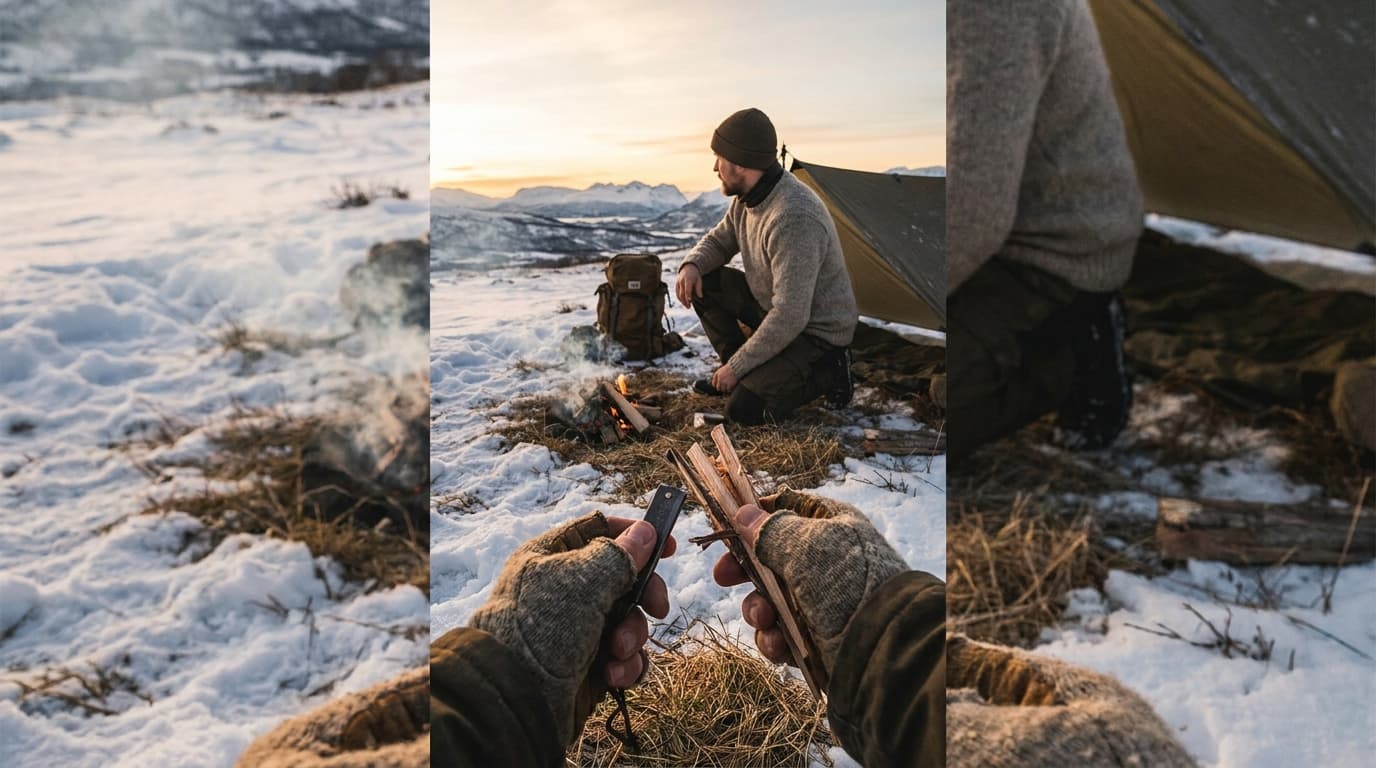
Beyond the Backpack: Why Your Mindset is Your Best Survival Tool
Have you ever been deep in the woods when a sudden storm rolls in and everything goes sideways? Your heart starts thumping against your ribs and your hands get all...

Maya Bennett
Preparedness Coach & Survival Systems Editor
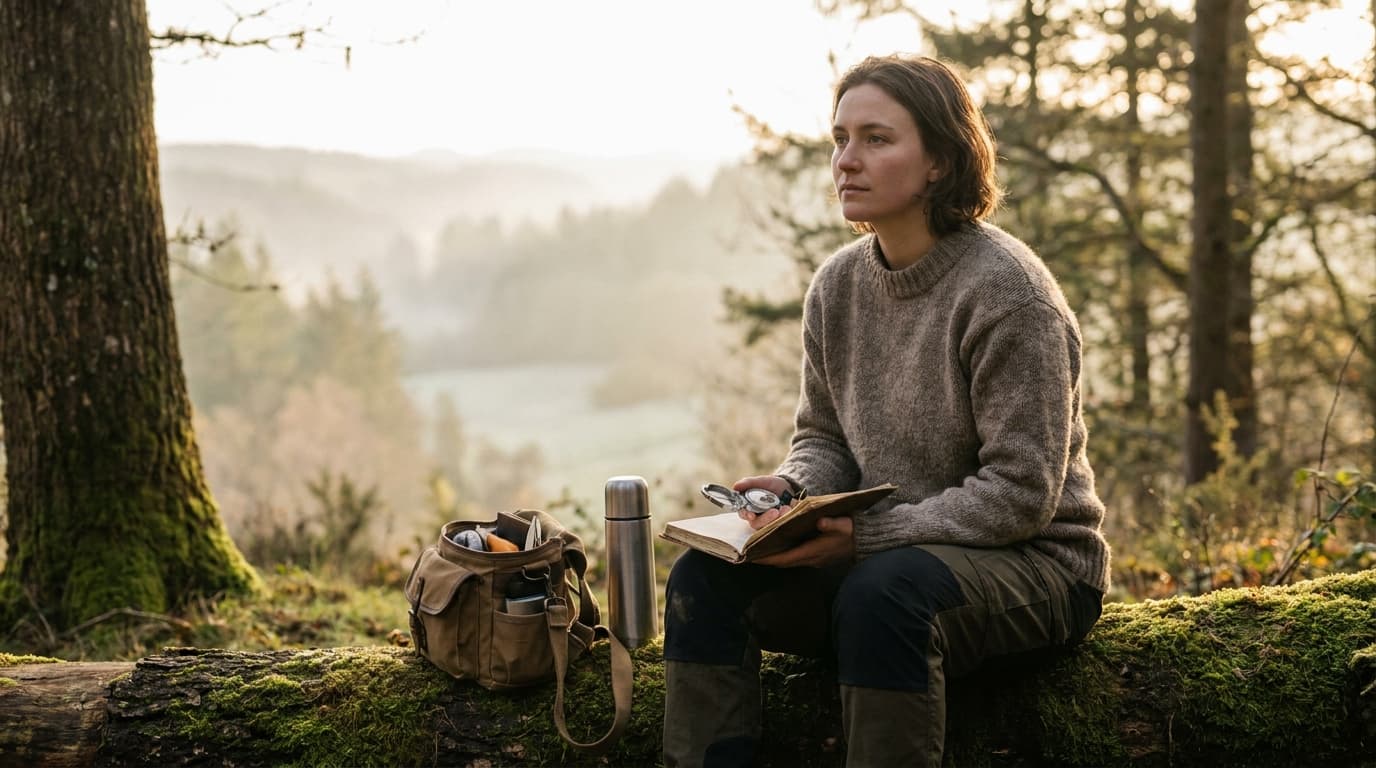
Beyond the Backpack: Why Your Mindset is Your Best Survival Tool
Have you ever been deep in the woods when a sudden storm rolls in and everything goes sideways? Your heart starts thumping against your ribs and your hands get all shaky. In that moment, even the fanciest carbon steel knife or high-tech tent won't do much if you can't think straight.
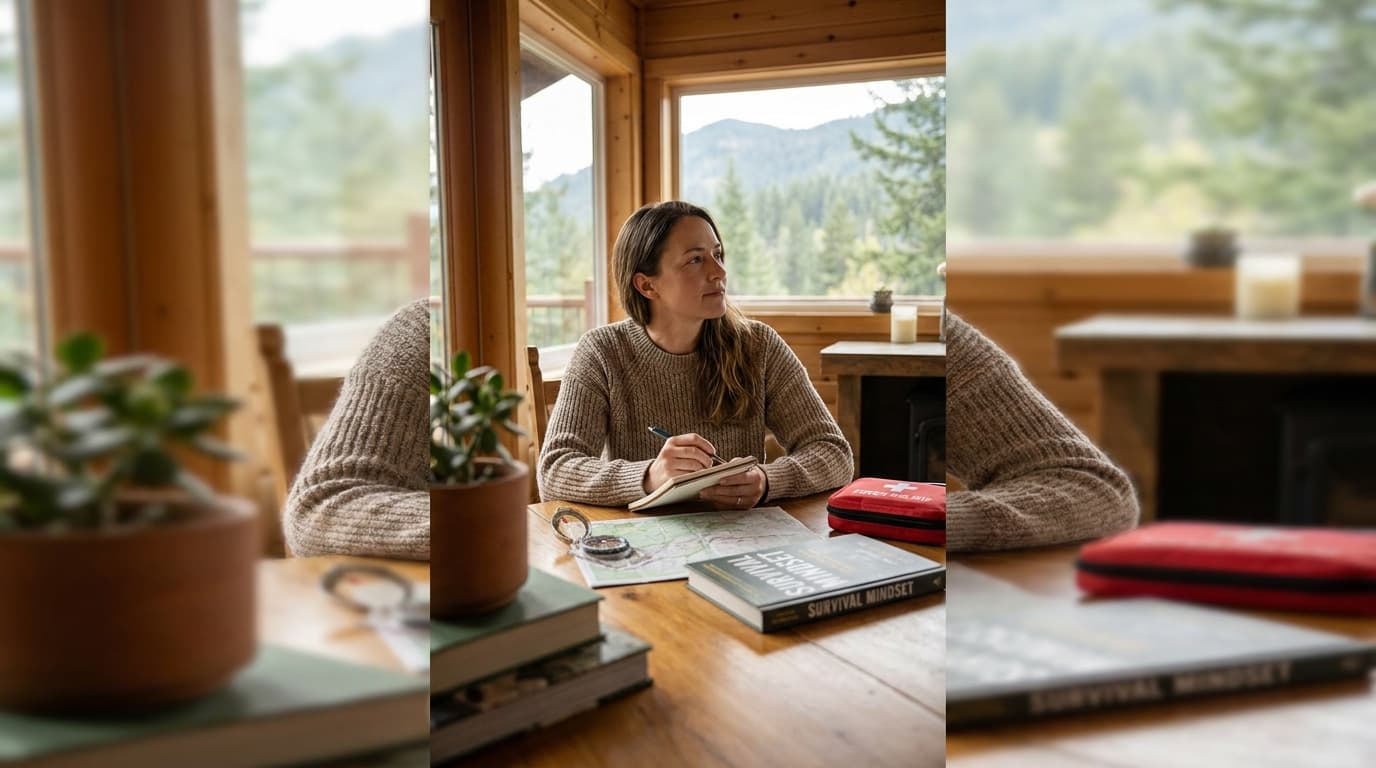
A lot of people think being ready for the wild is just about buying the right gear, but your brain is actually your most vital tool. Building a solid Mindset & Preparedness habit is what keeps you cool and collected when things get scary. It's about more than just what's in your bag. It's about how you react when nature gets loud.
We'll look at survival mindset training for beginners and how to control panic during extreme weather camping. You'll also learn the S.T.O.P. method to help with wilderness first aid decision making and how to start a daily edc preparedness habit. We're going to build that mental resilience for off grid living so you can stay safe and actually enjoy the adventure.
Introduction: Why Your Brain is Your Most Important Piece of Gear
Imagine taking a wrong turn on a trail as the sun starts to dip. In that moment, does it matter if you have a high-end backpack? Not as much as you think. Your gear is really just a backup for your brain. If you let fear take over, your body actually starts to work against you. Your judgment slips and your motor skills get shaky because fear negatively impacts your metabolic processes. It is a biological reality that your mental state dictates your physical survival.
This is why a survival mindset acts like an invisible safety net for solo adventurers. It is the difference between freezing up and staying focused. We are going to look at the S.T.O.P. method: Stop, Think, Observe, and Plan. By practicing these skills daily, you build the mental resilience needed for off grid living. Scientists have even linked willpower to the immune system, proving that your head is just as vital as your cordage or carving knives.
Key insights:
- Mindset is more critical than physical supplies in a crisis.
- Fear physically impairs your ability to make good decisions.
- The S.T.O.P. method provides a clear framework for managing panic.
The Daily EDC Habit: Making Preparedness as Easy as Brushing Your Teeth
Most people think Everyday Carry or EDC is just about buying a fancy pocket knife or a tactical flashlight. But here is the secret. Your gear is useless if your head isn't in the game. Real preparedness is a mental exercise you practice every single morning, just like brushing your teeth. It is about shifting your focus from simply carrying stuff to actually knowing how to use it when things go sideways. If you are overwhelmed by fear in an emergency, your body basically betrays you. Your judgment slips, your motor skills get shaky, and even your metabolism takes a hit. By making preparedness a daily habit, you train your brain to stay cool so your hands can do their job.
When you feel that spike of panic, like if your car breaks down in a storm or you lose the trail while hiking, remember to S.T.O.P. This stands for Stop, Think, Observe, and Plan. It sounds simple. But sitting down and taking a few deep breaths can literally save your life. This isn't just survivalist talk. Scientists like Wim Hof have shown there is a real link between your willpower and your immune system. When you stay calm, you keep your body's systems running right. You start seeing opportunities instead of just threats. Think of it as building situational awareness without the constant stress.
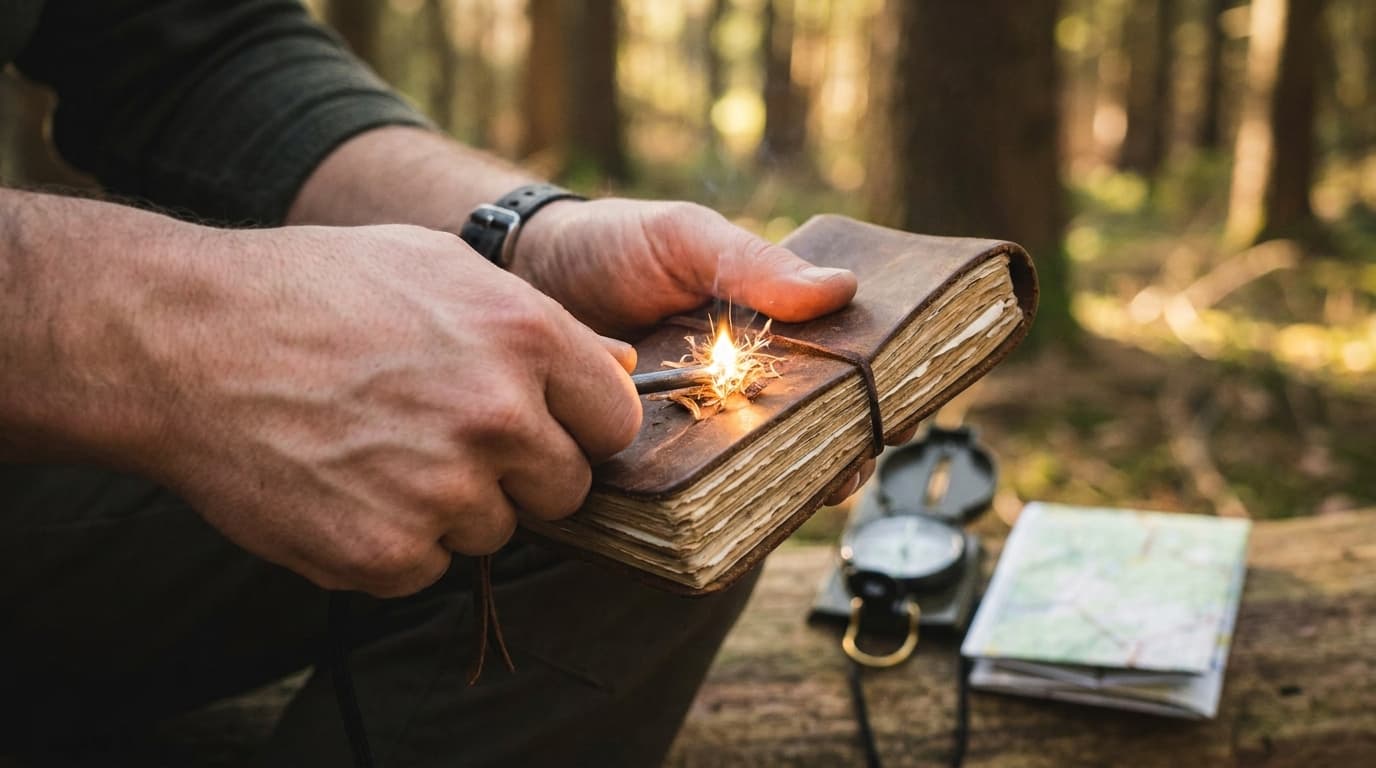
You don't need a mountain of gear to start. Focus on the Five Cs of bushcraft: cordage, navigation tools, carving knives, containers, and combustion. But don't just toss them in a bag and forget them. Spend ten minutes in your backyard practicing with some paracord or checking your compass. The goal is to become intimately familiar with every tool you own. When you know exactly how your knife feels in your hand or how to tie a knot without looking, you build a level of confidence that gear alone cannot buy. This small daily ritual turns stuff into an extension of yourself.
Finally, consider your information hygiene. One of the best things you can do for your survival mindset is to turn off the 24-hour news cycle. It creates an echo chamber of fear that drains your mental energy and clouds your judgment. It is hard to stay sharp when you are constantly reacting to imagined threats on a screen. Instead, focus on what you can actually control in your immediate environment. Can you fix a leak? Do you have a first aid kit ready? Separating real risks from the noise keeps your mind clear for the things that truly matter.
Transitioning from a beginner to a prepared individual isn't about how much you spend. It is about how you think. When you practice these small rituals, you stop being a passenger in your own life and start being a participant. Whether it is checking your gear or just taking a moment to breathe, these habits build the resilience needed for off-grid living or even just a bad day at the office. Preparedness isn't a destination you reach. It is a way of walking through the world with your eyes wide open.
Key insights:
- Mindset matters more than gear because fear physically impairs your motor skills and judgment.
- The S.T.O.P. method provides a clear framework to reset your brain and assess resources during a crisis.
- Regularly practicing with the Five Cs builds the muscle memory needed for high-stress performance.
- Limiting news consumption preserves the mental energy required for real-world problem solving and resilience.
Starting Small: The Beginner's Daily Checklist
You don't need to trek into a deep forest to start your journey. Your own backyard is actually the perfect spot for survival mindset training for solo bushcraft beginners. If you can't tie a sturdy knot or read a compass in your garden, you definitely won't want to learn while shivering in a sudden storm. Developing a daily edc preparedness habit starts with the 'Five Cs' - cutting tools, cordage, cover, containers, and combustion. Using these basics at home builds the muscle memory you need for when things get real.
Why practice so much? Because fear is a physical drain. When you are overwhelmed by anxiety, your metabolism slows down and your motor skills start to fail. By becoming intimately familiar with your carving knives and navigation tools, you replace that panic with confidence. It is about more than just having fancy gear; it is about what is happening in your head. Even experts like Wim Hof have shown how willpower can actually boost your immune system against the elements.
If you ever feel panic rising, just remember to S.T.O.P. This stands for Stop, Think, Observe, and Plan. This decision making skill for wilderness first aid keeps you grounded when your heart starts racing. Instead of letting an echo chamber of fear take over, you focus on the real facts in front of you. By practicing small every day, you are training your brain to stay calm, no matter what the weather does. Think of your gear as an extension of yourself, not just items in a bag.
Key insights:
- Familiarity with your equipment reduces the metabolic toll of fear during a crisis.
- The S.T.O.P. framework is a mental tool that is just as vital as a physical blade.
- Daily practice in a safe environment builds the mental resilience needed for off-grid living.
Information Hygiene: Why You Should Turn Off the News
Think about the last time you spent an hour scrolling through breaking news. Did you feel ready for anything, or just exhausted? This echo chamber of fear isn't just annoying. It is a massive drain on the mental energy you need for survival mindset training. When we constantly feed on panic, we lose the ability to separate real, immediate threats from imagined ones.
The reality is that fear has a physical cost. If you are overwhelmed by anxiety, your body reacts by slowing down metabolic processes and clouding your judgment. It is hard to maintain a daily edc preparedness habit when your brain is stuck in a loop of disasters you can't influence. Information hygiene is actually a survival skill because it keeps your mind clear for when things actually go wrong.
So, what can you do? Start by focusing on what you can control. Use the S.T.O.P. framework of Stop, Think, Observe, and Plan to ground yourself in the present. By turning off the noise, you protect your motor skills and keep your judgment sharp. Building mental resilience for off grid living starts with deciding what information gets to live in your head.
Key insights:
- Constant news consumption creates a cycle of fear that physically degrades your ability to react in an emergency.
- Practicing information hygiene allows you to focus on actionable tasks rather than global events outside your control.
- Using the S.T.O.P. method helps transition from a state of panic to a state of effective planning.
The S.T.O.P. Method: Your Four-Step Plan for Staying Calm
Imagine you are deep in the woods and realize you have lost the trail. Your heart starts pounding and your hands get shaky. This is your body reacting to fear, and it is actually quite dangerous. Research shows that when you are overwhelmed by fear, your judgment and motor skills take a major hit. This is why the S.T.O.P. method is so important. The first step is literally to stop. Sit down on a rock, take a few deep breaths, and just be still. This simple act keeps your metabolism from spiraling and helps you get your head back in the game.
Once you have calmed down, you can move on to the Think, Observe, and Plan phases. You need to look at your situation objectively without letting an echo chamber of fear take over. What are the real risks right now? Is it the cold, or is it just the fact that you are feeling lost? Take a look at what you actually have in your pack, like your cordage or your carving knife. When you observe your surroundings, you might find resources you missed while you were panicking. Making a plan only works if you have cleared the mental fog first. It is about separating what is real from what you are just imagining in a moment of stress.
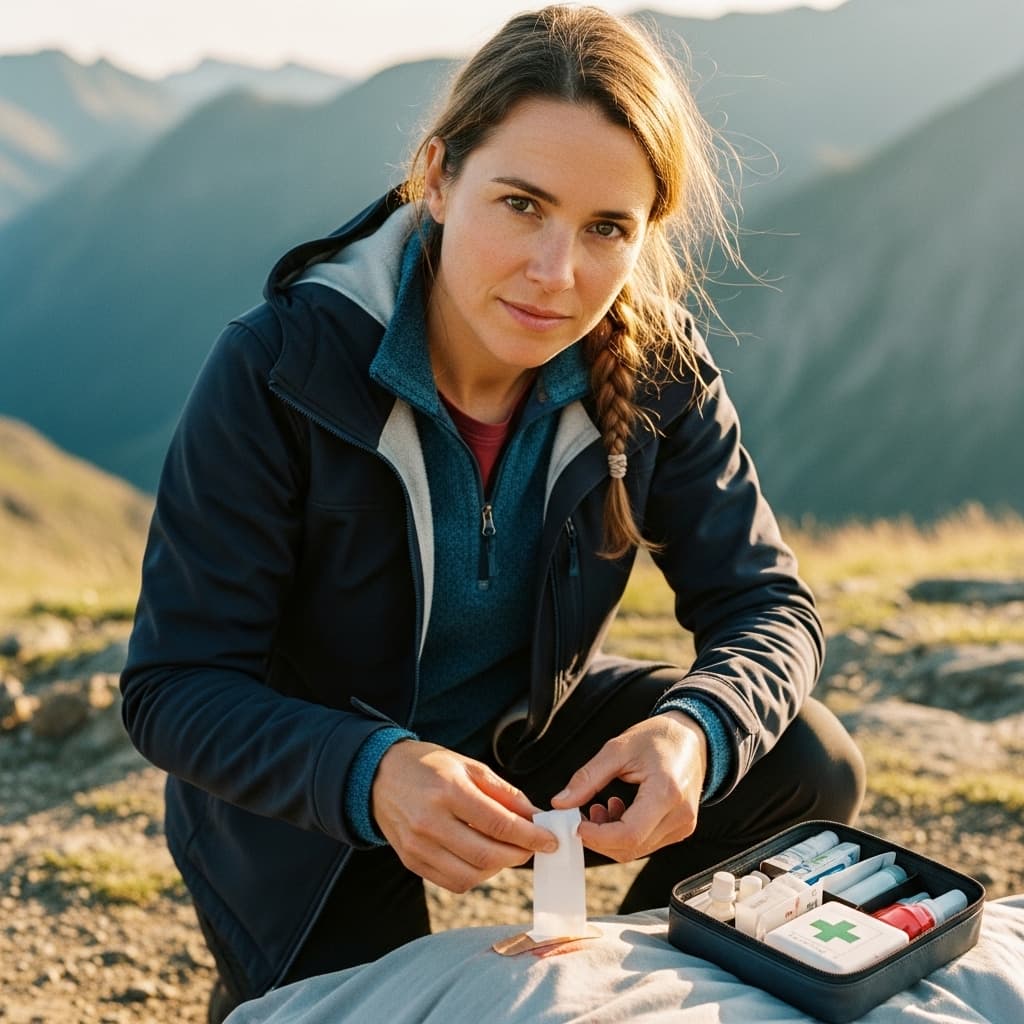
If you are solo and dealing with an injury, this decision-making process becomes your lifeline. You have to prioritize your care with a clear head. For example, if you have a bad cut, you need to stop the bleeding before you even think about where you are going to sleep. You have to weigh the risk of moving against the chance of getting help. During that Observe phase, check for immediate threats like a sudden drop in temperature or a lack of water. Survival in these moments is as much about managing your mind as it is about using your first aid kit.
Building this kind of mental resilience does not happen by accident. Some experts even point to the connection between willpower and how our immune systems function, suggesting that a strong mind actually keeps your body stronger. If you practice these steps during your regular camping trips, they become a habit. You want to be so familiar with your gear and your own reactions that you do not have to think twice when things go wrong. It is about building a daily habit of preparedness so that when the pressure is on, you can stay calm and make the smart choice.
Key insights:
- Your mindset is more important than the physical tools in your backpack.
- Stopping to breathe is a biological necessity to keep your brain functioning during a crisis.
- Practicing survival skills in low-stress environments ensures you can use them when it actually matters.
- The S.T.O.P. framework helps separate real environmental threats from imagined fears.
Decision Making for Wilderness First Aid
Imagine you are miles from the nearest trailhead and take a nasty fall while solo. Your first instinct is likely to scramble up and keep moving, but that is exactly when dangerous mistakes happen. Before reaching for your first aid kit, you need to use the S.T.O.P. framework: Stop, Think, Observe, and Plan. This is not just a catchy checklist; it is a vital way to override the panic that naturally sets in. When fear takes over, your judgment and motor skills actually start to fail because your metabolic processes are under fire. Taking a few deep breaths keeps your brain online so you can make the right calls.
During the 'Observe' phase, your job is to separate real threats from imagined ones. Look for immediate dangers like incoming weather or unstable ground, then inventory your resources. While your gear - like cordage or a carving knife - is helpful, your mindset is actually your most valuable tool. Research even suggests a link between willpower and immune system resilience, meaning your mental state helps your body endure. By weighing risks against opportunities before you take action, you turn a potential disaster into a series of manageable steps.
The real secret to making good decisions in the wild is practicing these mental drills before you ever need them. When you are intimately familiar with your supplies and the S.T.O.P. method, you will not have to fight as hard against the fear that a crisis creates. It is about building a habit of calm performance. Next time you are out, practice these steps even if nothing is wrong. That way, if you ever face an injury alone, your brain will know exactly how to prioritize your care without skipping a beat.
Key insights:
- Fear and anxiety directly impair the metabolic processes and judgment needed for survival.
- The S.T.O.P. method (Stop, Think, Observe, Plan) acts as a manual override for the brain's panic response.
- Mindset and willpower are scientifically linked to physical resilience and immune function during a crisis.
Taming the Beast: How to Control Panic When the Weather Turns
Imagine you are deep in the woods when the sky suddenly turns an angry shade of charcoal. The wind picks up and your tent starts to strain against its stakes. In that moment, your body is not thinking about your high end carving knife or your expensive navigation tools. Instead, it is flooding you with adrenaline. This is where most people lose the battle before it even starts. Recent findings show that if you let fear take over, everything from your metabolism to your motor skills starts to fail. You become clumsy and your judgment gets cloudy, which is the last thing you need when the temperature is dropping.
To keep your head, you need a simple framework to fall back on. Many experts suggest the S.T.O.P. method: Stop, Think, Observe, and Plan. It sounds basic, but physically sitting down and taking a breath forces your brain to switch from panic mode to problem solving mode. Think of a storm not as a threat, but as a series of small problems to solve. Need to tighten a guy line? That is one task. Need to keep your sleeping bag dry? That is another. By breaking the beast down into manageable bites, you lower your heart rate and regain control over your surroundings.
This mental shift is actually more important than any piece of gear in your pack. While having cordage and a good hatchet helps, they are useless if your hands are shaking too hard to use them. Real preparedness is about information hygiene and practicing your skills until they become second nature. When you know exactly how your gear works because you have used it a dozen times in your backyard, you will not feel that spike of what do I do now when things get real. It is about building a habit of confidence that overrides the instinct to freeze.
The link between your mind and your body goes even deeper than just staying calm. This is where the work of people like Wim Hof comes into play. He has shown that our minds have a direct line to our immune systems and our ability to handle extreme stress. It is not just about thinking positive in a wet tent, it is about using your will to regulate how your body reacts to the cold. By practicing simple breathing exercises like deep, rhythmic inhales followed by relaxed exhales, you can actually signal to your nervous system that you are safe.
Believing you can endure the conditions is half the fight. When you combine that mental will with physical techniques, you create a shield against the elements. This connection between a strong mind and a healthy body helps you stay warm and focused even when you are soaked to the bone. Instead of feeling like a victim of the weather, you start to see yourself as a capable part of the environment, ready to handle whatever comes next.
Key insights:
- Fear and anxiety can physically impair your motor skills and judgment during a storm.
- The S.T.O.P. method (Stop, Think, Observe, Plan) is a vital tool for resetting your brain during a crisis.
- Mindset and belief are more critical for survival than the physical gear you carry.
- Breathing exercises can help you regulate your nervous system and immune response in cold or wet conditions.
The Willpower Connection: Lessons from Wim Hof
Have you ever wondered why some people stay calm while others fall apart? It is not just about having a better bag. Scientists like Wim Hof and Bruce Lipton have shown that your willpower actually talks to your immune system. If you believe you can handle the cold, your body starts to listen. This is huge because fear is a physical drain. When you are scared, your metabolism slows down and your motor skills get shaky. You literally lose the ability to move well.
To fight this, try simple breathing exercises. By slowing down your breath, you take back the steering wheel from your panic. It is about proving to yourself that you are in control before things get wet or freezing. This kind of mental training is just as important as packing a knife. It is the difference between surviving a storm and being overwhelmed by it. What happens when you realize your mind is your best gear?
Think of it this way: your brain is the software that runs your physical hardware. If the software crashes because of fear, the hardware does not matter. Practicing these mental shifts helps you stay sharp when judgment counts most. It turns out that a strong will is just as practical as a compass.
Key insights:
- Your belief system can directly regulate your immune response and physical endurance.
- Fear triggers metabolic changes that impair your motor skills and decision making.
- Breathing exercises act as a manual override for the body's panic response.
Building Long-Term Resilience for the Off-Grid Life
Most of us think going off-grid is all about having the perfect solar setup or a mountain of canned beans. But here is the truth: living this way is mostly a head game. About 90% of it is mental, and the other 10% is just the physical stuff. You can have every fancy tool in the box, but if you panic when the well pump stops working in the middle of winter, those tools aren't going to help much. That is why we talk about the pioneer spirit. It is really just a way of saying you have the deep patience to keep going when things get messy.
When a crisis hits, your body can actually work against you. High levels of fear and anxiety can mess with your metabolism and cloud your judgment. This is why the S.T.O.P. method (Stop, Think, Observe, and Plan) is so important. It forces you to sit down and breathe before you make a mistake. Also, think about your information hygiene. Limiting your news intake prevents you from creating an echo chamber of fear that makes real problems feel much heavier than they actually are.
Building resilience should be a family project. Instead of just talking about what to do, try running confidence drills together. It makes the unknown feel familiar and less threatening for everyone. This goes for your gear too. If you are comfortable with your cordage and tools before you actually need them, you will stay calm when it counts. Practical skill practice is the best way to ensure you can tap into your full potential instead of letting panic take the wheel.
Staying positive is more than just a nice idea. It is a tactical advantage. Humor acts as a pressure valve in high-stakes moments, keeping your mind sharp when things get tense. Some experts like Wim Hof have even found that our willpower can directly influence our immune systems. You can build this mental strength by practicing micro-hardships. By choosing to face small, controlled discomforts now, you build the mental calluses needed to handle the big stuff later without losing your cool.
Key insights:
- Your brain is a better survival tool than a full pantry.
- The S.T.O.P. method keeps your body from panicking and losing motor skills.
- Small daily challenges build the mental strength you need for big emergencies.
The Skill of Staying Positive
Ever notice how some people crack a joke when everything goes wrong? It isn’t just a quirk; it’s a survival strategy. While a full pantry is great, your attitude is actually more critical. If fear takes over, your body physically reacts. Your judgment slips and even your metabolism takes a hit. Staying positive keeps your brain sharp so you can actually use the gear you packed.
You can build resilience through micro-hardships. Think of it as building a mental callus. Try taking a cold shower or hiking in the rain. Scientists like Wim Hof found that willpower even helps your immune system. It teaches your brain to be uncomfortable without panicking. You are proving to yourself that you are tougher than your circumstances.
When things get intense, remember S.T.O.P. for Stop, Think, Observe, and Plan. This framework breaks the cycle of anxiety. By focusing on a plan, you stay in control. This discipline separates those who make it through from those who get overwhelmed by the stress.
Key insights:
- Fear physically slows down your body and clouds your judgment.
- Practicing small discomforts now builds the mental strength needed for real crises.
- A positive attitude keeps your brain functioning at its full potential.
Frequently Asked Questions
Conclusion
So what does this all mean for your next trip? It means that while a sharp knife and a warm sleeping bag are nice to have, your ability to stay calm is what actually keeps you safe. When you connect your daily edc preparedness habit with a solid framework like the S.T.O.P. method, you stop being someone who just carries gear and start being someone who knows how to handle a crisis.
Building mental resilience for off grid living or solo bushcraft isn't about ignoring fear. It is about training your brain to see a sudden storm or a wrong turn as a problem to solve rather than a reason to panic. Survival mindset training is really just the art of keeping your head when everything else feels like it is falling apart.
Your next move is simple: start practicing these skills in low-stakes situations like your own backyard or a local trail. You can lose your pack or break your stove, but you can't lose the training you have locked inside your head. Treat your mind like your most valuable piece of equipment and it will always have your back.
Send it to someone who should read it next.
About the author

Maya Bennett
Preparedness Coach & Survival Systems Editor
Builds practical checklists, kits, and preparedness routines that help beginners turn emergency planning into repeatable action.
View all articles