Why Getting Ready for the Worst is Actually Great for Your Mental Health
What if the secret to a calm mind isn't a silent meditation retreat but a well-stocked pantry? It sounds strange, but getting ready for the worst is actually one of...
Why Getting Ready for the Worst is Actually Great for Your Mental Health
What if the secret to a calm mind isn't a silent meditation retreat but a well-stocked pantry? It sounds strange, but getting ready for the worst is actually one of the best things you can do for your brain. Developing a proactive Mindset and Preparedness strategy helps you turn those scary what-if thoughts into small, manageable tasks that quiet your background anxiety.
The latest trends for 2026 show that disaster preparedness as wellness is moving from the bunker to the yoga studio. This shift is all about moving away from reactive stress and toward proactive mental training. When you combine anxiety and emergency planning with new tools like neurowellness, you can actually retrain your nervous system to stay steady even when things get chaotic.
This article breaks down how tangible security builds mental resilience and why community matters more than gear. You will learn how to start your own emergency plan without losing your mind and why resilient people often live longer, healthier lives. Let's look at how to turn your home into a recovery sanctuary.
Why Being Prepared is the Best Thing You Can Do for Your Brain
Ever feel like the world is a bit much lately? You are not alone. In fact, the Global Wellness Summit recently released their 2026 report, and it highlights something pretty unexpected. Disaster preparedness is no longer just for people building underground bunkers in the woods. It has officially moved into the wellness space, sitting right next to your morning yoga and meditation practice. This shift matters because it turns those scary what-if scenarios into a simple set of tasks you can actually handle.
When you have a plan, your brain stops spiraling. This is part of a bigger trend called neurowellness, which is all about using proactive tools to keep your nervous system from hitting the panic button. Instead of just reacting to stress when it happens, people are training their minds to stay steady through preparation. It is about trading that constant, low-level anxiety for a sense of quiet confidence. After all, knowing exactly where your emergency kit is does more for your heart rate than a dozen deep breaths ever could.
Key insights:
The 2026 Global Wellness Summit report identifies disaster preparedness as a key pillar for mental resilience.
Wellness is shifting from reactive symptom management to proactive nervous system training.
Preparation helps regulate the nervous system by replacing fear of the unknown with a concrete action plan.
The Surprise Shift: Why Prepping is the New Self-Care
Have you noticed how being prepared for a rainy day suddenly feels more like a spa day for your brain? It sounds strange, but disaster readiness is officially moving from the fringe into the mainstream wellness world. In early 2026, the Global Wellness Summit released a massive report identifying disaster preparedness as a major crisis that wellness needs to fix. Instead of just reacting to stress when things go wrong, people are now looking at readiness as a core pillar of a healthy life. It is a shift from reactive stress to proactive mental training. When you know you can handle a curveball, your baseline stress level naturally drops. Think of it as the new standard for mental fitness, minus the heavy lifting.
This shift is part of a bigger movement called neurowellness, which claimed the top spot for wellness trends in 2026. It is all about using technology to manually regulate your nervous system. Experts like Dr. Desiree R. Eakin point out that we can now objectively measure and retrain how we respond to stress in real time. Staying calm is not just a personality trait anymore. It is a skill you can practice with the help of tech like personalized neurostimulation. By training your body to recover quickly from small daily stresses, you are building the foundation needed for bigger survival challenges. It is about being the calmest person in the room because your nervous system knows exactly what to do. This kind of precision optimization is changing how we view resilience.
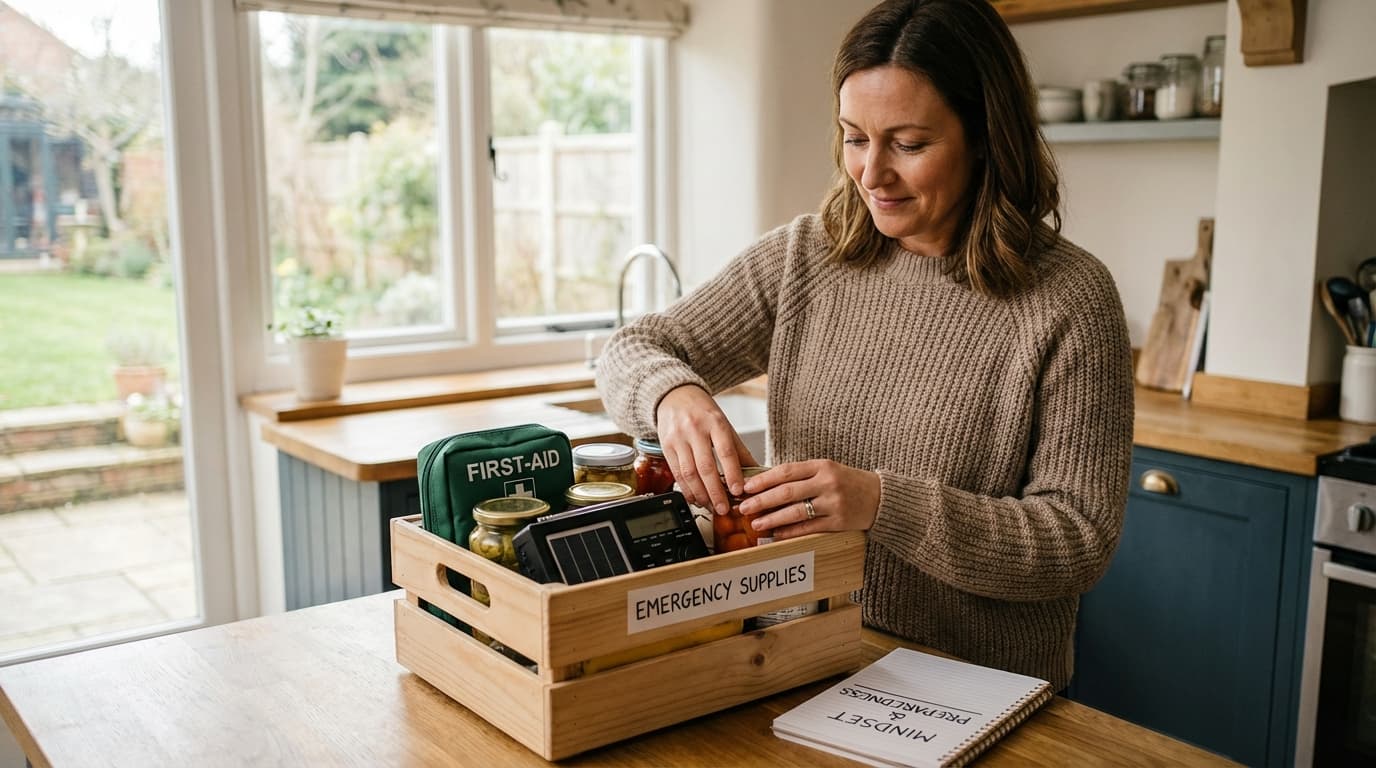
There is also something deeply grounding about having a full pantry. Psychologists call this tangible security. When you have the basics covered, it shuts off that low grade background anxiety that hums in the back of your mind. It is the difference between worrying about what might happen and knowing you have it handled. This isn't about living in fear, it is about finding agency. By taking small, physical steps to prepare, you replace a sense of helplessness with a sense of control. A quiet mind often starts with a stable environment, and knowing you are ready for the unexpected is one of the best ways to find that peace. It is not just about the food, it is about the mental space that food provides.
Key insights:
The 2026 Global Wellness Summit report identifies disaster readiness as a core pillar of modern health.
Neurowellness technology allows people to measure and retrain their physiological stress responses in real time.
Physical preparedness like a stocked pantry provides tangible security that reduces background anxiety.
Wellness is shifting from reactive symptom management to proactive mental and physiological training.
How Nervous System Regulation Changes the Game
Ever feel like your brain is stuck in emergency mode even when you are just relaxing at home? That constant buzz is what experts call nervous system exhaustion. The 2026 Future of Wellness report identifies neurowellness as the year's top trend because it allows us to manually regulate our survival response. Instead of just hoping stress fades, we are learning to flip the switch from panic back to peace ourselves through intentional practice.
This changes everything about resilience. Dr. Desiree Eakin explains that we can now objectively measure and retrain our stress patterns in real time. It is not just about thinking happy thoughts anymore. By using tools like neurostimulation, you can see your physiological cycles and teach your body how to recover. It turns staying calm into a literal skill, much like training a stubborn pet or learning a new language. The focus is on precision rather than guesswork.
A regulated nervous system is the most important piece of gear you own. When you are not drowning in anxiety, you make better decisions for your entire household. This shift makes disaster preparedness less about fear and more about proactive mental fitness. You are training your brain to stay steady so that if a real crisis hits, you have already done the hard work of practicing your response. It is about being ready for anything while staying cool, calm, and collected.
Key insights:
Neurowellness moves us from reacting to stress to actively training the brain's recovery response.
Technology now allows for precision optimization by measuring physiological data in real time.
Staying calm is a practiced skill that significantly improves decision-making during emergencies.
The Link Between a Full Pantry and a Quiet Mind
Ever walk into your kitchen and feel a strange sense of peace just looking at a stocked shelf? It is not just about having enough pasta for the week. This is what psychologists call tangible security. When you can see and touch your resources, your brain stops scanning for threats in the background. It is like a physical weight lifting off your shoulders because you know your basic needs are met.
The Global Wellness Summit recently highlighted this shift in their 2026 report. They found that disaster preparedness is no longer just for survivalists but is actually a core pillar of mental wellness. Instead of reacting to a crisis only when it hits, people are using physical readiness to manage nervous system exhaustion. It turns out that having a plan and a few extra supplies acts as a manual override for anxiety.
This transition replaces a vague sense of dread with a clear sense of agency. You are no longer a passive observer waiting for something bad to happen. Instead, you are taking an active role in your own safety. This proactive training is part of a bigger trend called neurowellness, where we focus on regulating our stress levels before they boil over. So, that extra bag of rice is not just food. It is a tool for a quieter mind.
Key insights:
Visible resources provide a psychological anchor that reduces background stress.
Preparedness is shifting from a survival tactic to a mainstream mental health practice.
Taking proactive steps builds a sense of agency that counters feelings of helplessness.
Avoiding the Over-Optimization Trap
Have you ever felt like your fitness tracker is judging you? By 2026, many of us are hitting a wall with the constant stream of data and metrics. The Global Wellness Summit recently pointed out a major shift away from tracking every single heartbeat and calorie. It turns out that obsessing over your heart rate variability while worrying about a power outage actually makes you more stressed, not less. You don't need a professional-grade bunker to feel safe. In fact, true preparedness is about finding a balance between high-tech recovery tools and the simple, messy joy of being alive.
In its 2026 Future of Wellness report, the GWS highlighted a bold return to pleasure as a reaction against over-optimization. While we have more tools than ever to measure our metabolic health or track our sleep cycles with EEG headbands, the data can become a burden. The shift is moving toward meaning over measurement. It is about emotional repair and sensory experiences rather than just staring at a spreadsheet of your biomarkers. Think of it as moving from reactive care to proactive training for your mind.
This is where neurowellness comes in. It is one of the top trends for 2026, focusing on manually regulating the nervous system to handle stress. But the real magic happens when you stop trying to fix yourself and start preparing for the world around you. Disaster preparedness is no longer a niche for survivalists; it is a mainstream wellness pillar centered on mental resilience. Instead of just buying gear, people are learning to objectively measure and retrain their stress patterns. This proactive mindset is what keeps you steady when life feels unpredictable.
But no matter how much tech you have, connection remains your best survival tool. We are seeing a trend called the 'Festivalization of Wellness' where people seek out large-scale social gatherings and collective emotional release. It is a shift from solo survival to community strength. Finding comfort in other people provides a layer of security that no piece of gear can match. Collective resilience means knowing that you are not facing the future alone. When things get difficult, it is the shared human bond, not just the solar battery, that really keeps the lights on.
Key insights:
Wellness is shifting from reactive symptom management to proactive mental and physiological training.
There is a growing polarity between high-tech medical optimization and a desire for 'no-tech' human connection.
Disaster preparedness is evolving from a survivalist niche into a mainstream wellness pillar centered on mental resilience.
Keeping it Human: The Need for Connection
When things get tough, your most valuable asset isn't a fancy solar generator or a basement full of canned beans. It is the person living next door. We often think of survival as a solo mission, but the latest research shows a massive shift toward collective resilience. The Global Wellness Summit recently noted a rise in the "Festivalization of Wellness," where people are swapping isolated data tracking for "wellness raves" and large-scale social gatherings to find emotional release together.
This change shows that disaster preparedness is now a mainstream wellness pillar. It is about more than just gear; it is about building a network. While we see a lot of high-tech tools for nervous system regulation today, there is a growing backlash against over-optimization. People are starting to prefer meaning over measurement and sensory experiences over clinical data. True safety comes from these human bonds.
Resilience is a team sport. Finding comfort in others helps manage the deep nervous system exhaustion that many of us feel. So, think about your own circle. Who would you call if the power went out tomorrow? In 2026, staying prepared means staying connected. By prioritizing your community, you turn a scary concept like emergency planning into a way to feel more grounded and supported every single day.
Key insights:
Wellness is moving away from solo data tracking toward collective emotional experiences.
Community bonds are being recognized as a primary tool for disaster resilience.
There is a growing demand for human connection as a remedy for nervous system burnout.
How to Build an Emergency Plan Without Losing Your Mind
Does the idea of an emergency kit make you want to hide under the covers? Most of us feel that way. But the Global Wellness Summit recently pointed out something fascinating in their 150-page annual report for 2026: disaster preparedness is actually becoming a core part of wellness. It is no longer just for survivalists. It is about calming your nervous system so you can handle whatever life throws at you without a total meltdown. Think of it as a proactive mental workout rather than a list of chores.
The secret to doing this without losing your mind is to start small. Think of it as 'micro-preparedness.' You do not need to build a bunker in the backyard. You just need to focus on what you can control right now. Maybe that is making sure you have enough groceries for a week or keeping a portable charger in your bag. When you turn these small tasks into a simple routine, they stop being scary and start feeling like a safety net. It is about proactive training rather than reactive panic, which is a major shift in how we approach health today.
But what about your head? Your home is evolving into a recovery sanctuary, a place where you can reset after a long day. Part of your plan should include a mental resilience checklist. This means identifying what specifically triggers your stress. Is it the news? The dark? Once you know, you can use 'neurowellness' tools - like simple tech to manually regulate your nervous system - to stay calm. Dr. Desiree Eakin notes that this precision optimization allows us to retrain our resilience in real time.
Think of it this way: prepping is a form of self-care for your future self. By taking these tiny steps today, you are telling your brain that you are safe and capable. It is about choosing meaning over measurement and finding joy in the fact that you are ready for anything. That is a lot better for your mental health than just worrying, right?
Key insights:
Preparedness is shifting from a survivalist niche to a mainstream wellness pillar.
Neurowellness technology helps you manually regulate your stress response.
Starting with small, daily routines prevents the 'over-optimization' burnout.
Your home is becoming a professional-grade recovery space for both physical and mental health.
Your Mental Resilience Checklist
What if the best way to calm your nerves isn't a spa day, but a solid plan for when things go wrong? Recent findings show that wellness is moving away from just fixing symptoms. By 2026, experts expect disaster preparedness to be a major part of how we stay healthy. It is not about fear; it is about the mental peace that comes from being ready. This shift means that staying prepared is now seen as a mindset rather than just a survival tactic.
Think of it as micro-preparedness. Instead of worrying about a massive crisis, you build small habits every day. This starts with knowing what actually stresses you out. When you identify your personal triggers, you can stop a mental spiral before it starts. It is like training your brain to stay steady when the world feels shaky. This proactive training is exactly what doctors are calling the future of neurowellness.
Your home also plays a huge role in this. The latest trends suggest turning your living space into a recovery sanctuary. This means setting up an environment where you can reset your nervous system after a long day. Whether you use high-tech sensors to track your sleep or just create a quiet corner to unplug, having a home that supports your recovery makes you much more resilient when life gets messy.
Key insights:
Mental resilience is shifting from reactive care to proactive daily training.
Disaster preparedness is becoming a mainstream wellness pillar for 2026.
Turning your home into a recovery sanctuary helps regulate your nervous system and manage daily stress.
The Longevity Connection: Why Resilient People Live Longer
Ever feel like a week of bad news makes you look a year older? It is not just in your head. When we are constantly worried about what might go wrong, our bodies stay in a state of high alert that wears us down. The 2026 Future of Wellness report points to nervous system exhaustion as a major crisis we are facing right now. By treating disaster preparedness as a form of wellness rather than just a scary chore, we can actually lower that chronic stress. This shift helps protect our cells from the kind of rapid aging that comes from living in a permanent state of fight or flight.
It is also about how your body handles energy. We are seeing a big move toward metabolic health and what experts call metabolic flexibility. This is basically your body ability to switch between burning carbs and fats efficiently. In the next year or so, expect to see more people using tools to track their glucose and muscle health as part of their daily routine. It is not just about weight anymore. It is about keeping your internal engine running smoothly so you have the resilience to handle whatever life throws at you. Proactive training is replacing reactive care.
There is also some exciting news specifically for women. For a long time, longevity research mostly looked at men, but that is finally changing. The latest trends show a new focus on how the female body ages, particularly when it comes to the ovaries. Since these organs affect everything from heart health to brain function, focusing on them is a huge part of the longevity puzzle. When women have health plans tailored to their own biology and hormonal cycles, they are not just living longer. They are staying stronger and more resilient as they age.
Think of it this way: being prepared is about more than just having a backup plan. It is a way to tell your body that you are safe and in control. When you lower your anxiety through proactive planning and take care of your metabolic health, you are essentially giving yourself the gift of more time. Resilience is not just about surviving a bad day. It is about building a body and mind that can bounce back and keep going for the long haul.
Key insights:
Chronic stress from uncertainty is now recognized as a primary driver of biological aging.
Metabolic flexibility is becoming a core pillar of longevity, moving beyond simple weight management.
Women's longevity is a breakout trend for 2026, focusing on ovary health as a key to overall aging.
Neurowellness tools are helping people manually regulate their nervous systems to prevent burnout.
Looking Ahead: What Wellness Looks Like in 2026
By the start of 2026, wellness has moved far beyond green juice and expensive gym memberships. The Global Wellness Summit recently released its latest findings, and the big takeaway is that we are moving toward a world where disaster preparedness is a core part of staying healthy. It sounds intense, but think about it as mental insurance. Instead of just reacting to stress, we are training our nervous systems to handle whatever the world throws at us next, from environmental crises to simple daily burnout.
This future is a mix of high-tech tools and a return to nature. We are seeing a massive rise in what experts call neurowellness, which is essentially using technology to manually regulate your nervous system. At the same time, our homes are turning into professional-grade recovery zones. You might have a sleep sensor or a portable EEG headband right next to your bed to track your circadian rhythms, but the goal is changing. We are finally seeing a shift in longevity research that actually accounts for how women age differently, specifically focusing on metabolic health and hormonal cycles.
But here is the most interesting part: there is a major backlash brewing against over-optimization. While we have the tools to measure every heartbeat and glucose spike, many people are choosing meaning over measurement. In 2026, wellness is about finding joy and collective connection again. What does this mean for you? It means being prepared is no longer about fear or survivalism. It is about building a proactive mindset so you can stop worrying about the 'what ifs' and actually start enjoying the life you are living right now.
Key insights:
Wellness is shifting from reactive symptom management to proactive mental and physiological training.
The home is becoming a professional recovery sanctuary, integrating high-tech tools with daily living.
A growing backlash against data-heavy optimization is bringing a return to pleasure, joy, and human connection.
Frequently Asked Questions
Surprisingly, yes. While it might seem like focusing on disasters would make you more stressed, the opposite is often true because it gives you a sense of agency. When you have a plan, you move from a state of constant worry to a state of readiness. It is all about shifting your focus from things you cannot control to the actions you can take right now. Even making a small go-bag for yourself and your pets can make a huge difference in how calm you feel.
Here is the thing: wellness is shifting away from just managing symptoms to actually training your brain for resilience. In fact, the 2026 Future of Wellness report identifies disaster preparedness as a key way to tackle nervous system exhaustion. By preparing, you are essentially giving your mind a roadmap to follow, which keeps your stress levels from spiking when life gets unpredictable. It turns a scary unknown into a manageable project.
The first step is really about moving from reactive care to proactive training. You do not need a bunker to start. You just need to begin observing how you respond to stress and daily challenges. It is more like mental fitness than a one-time task. Think of it as training for a marathon rather than just reacting when you have to run for the bus.
Experts like Dr. Desiree Eakin suggest that the best way to start is through precision nervous system optimization. This just means learning to measure and retrain your stress patterns in real time. You could start by tracking your sleep or even your metabolic health to understand your baseline. Once you know how your body works, you can make better decisions when things get hectic. It is about building a foundation of health that supports you when you need it most.
You can definitely get ready for emergencies without spending a fortune. It is a bit like making sure you always have enough snacks in the cupboard just in case you run out. Most of the shift we are seeing in 2026 is moving away from buying expensive gear and toward building a resilient mindset. It starts with small steps that fit your current budget.
Try grabbing one extra item during your weekly grocery run, like a gallon of water or a tin of beans. Over a few months, you will have a solid backup. Being prepared is really about mental fitness and staying calm, which does not cost a thing. It is more about the habit than the price tag.
Neurowellness is basically using technology to help your nervous system stay balanced. Instead of just feeling stressed and trying to deal with it later, you use tools to measure and retrain how your body reacts to pressure in real time. It is a big trend because people want to manage exhaustion before it happens.
There are some high tech options like portable EEG headbands or sensors that track your sleep and heart rate. But you do not always need the fanciest equipment to start. The main point is to move from guessing how you feel to using data to stay calm and focused. While the gadgets help you see what is happening inside your body, the real goal is to get better at regulating your own stress levels.
Conclusion
So, what does all this mean for your daily life? It turns out that disaster preparedness as wellness is more than just a trend for 2026. It is a way to stop your brain from spinning out on what if scenarios by giving it something real to do. When you trade vague worry for a solid plan, you are not just stocking a shelf; you are training your nervous system to stay steady.
Looking ahead, the best kind of readiness is not about owning the most expensive gear or tracking every single metric. It is about building a proactive survival mindset that values community and simple human joy. Real resilience comes from knowing you can handle a bump in the road because you have already done the mental heavy lifting.
Your next move does not have to be building a bunker in the backyard. Maybe just check your flashlight batteries or make sure there are extra supplies on hand. The goal is a quiet mind and a sense of agency that carries you through whatever comes next. You have got this.
Every WilderReady guide is researched, written, and fact-checked in-house against trusted references such as the American Red Cross, the National Park Service, and the CDC before it goes live. We publish under this shared byline instead of invented personas, so you always know who stands behind the guidance you are reading.