What to Do When the Trail Vanishes: Survival Skills That Actually Work
You are hiking along and enjoying the view when you suddenly realize the trail markers have vanished. Your heart drops as you look around and see nothing but thick trees...
What to Do When the Trail Vanishes: Survival Skills That Actually Work
You are hiking along and enjoying the view when you suddenly realize the trail markers have vanished. Your heart drops as you look around and see nothing but thick trees and growing shadows. It is a moment every hiker hopes to avoid, but being ready for these survival scenarios is what separates a scary situation from a successful rescue. Most of the time, staying safe is more about your mindset than the fancy tools in your pack.
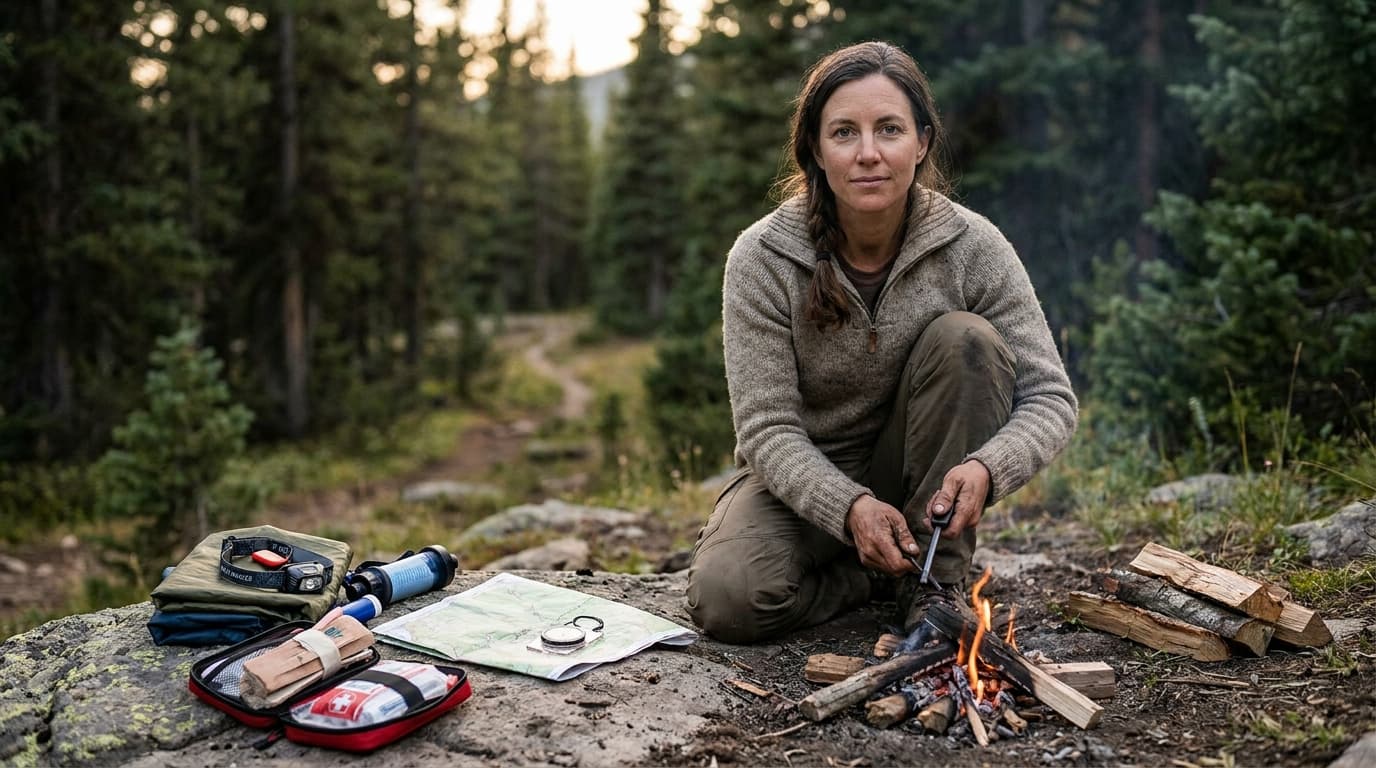
We are going to look at practical navigation techniques for hikers when the path is gone and how to handle emergencies like treating a wound with improvised first aid supplies. You will also learn how to start a fire with wet wood if the weather turns on you and you need to stay warm. These are the skills that turn a panic-filled night into a story you will tell for years to come.
This guide covers everything from finding north using the stars to the must-have items for your overnight survival gear list. Whether you are planning for a long trek on the Appalachian Trail or just heading out for a quick Saturday hike, these tips will give you the confidence to handle the unexpected. Let's get into the skills that actually work when the trail disappears.
Lost Your Way? How to Find the Trail Again Without Panicking
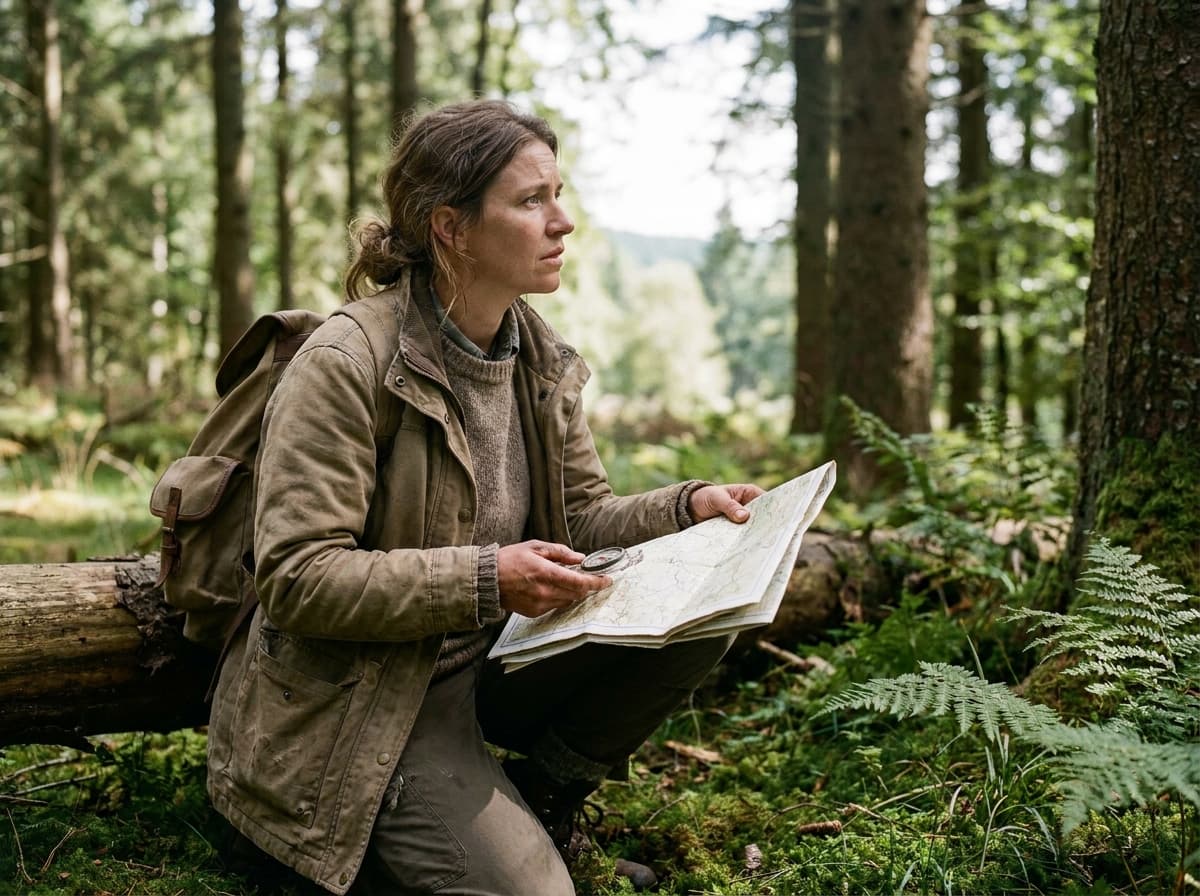
The moment you realize the trail has vanished is a total gut-punch. One minute you're admiring the canopy, and the next, the path is just gone. It happens to everyone, even those planning their 2026-2027 Appalachian Trail thru-hikes years ahead of time. The first thing you need to do isn't move; it's to use the S.T.O.P. rule. Sit down. Think. Observe. Plan. Panic is your biggest enemy when you're trying to figure out navigation techniques for hikers when the trail is lost.
Sitting down forces your heart rate to drop and lets your brain take over. Look around for natural landmarks - a weirdly shaped boulder or a lightning-scarred tree - to create a "home base." This gives you a mental anchor so you don't just wander in circles. While you're at it, check your gear. Do you have what you need if the sun goes down? If you're stuck until dark, you'll need to know how to find direction at night without a compass, perhaps by spotting the Big Dipper to find Polaris.
Survival is as much about mindset as it is about gear. In the thru-hiking community, there’s a big push for staying positive and avoiding negativity because a bad attitude leads to mistakes. For example, if it starts raining, don't give up. You can still start a fire with wet wood and no matches if you find some birch bark. Its high oil content means it catches fire even when it's dripping wet. It's a small detail that makes a huge difference when you're cold and lost.
If you're fairly sure you only strayed a few minutes ago, you might try to retrace your steps. But you have to do it carefully. This is the art of backtracking without getting double lost. Before you take a single step away from your home base, mark it clearly. Use a pile of stones or a piece of bright gear. As you move back toward where you last saw the trail, look for subtle signs like bent branches or scuff marks in the dirt.
Watch the ground closely for any sign of human passage. Sometimes a trail isn't a clear path but just a slight change in the dirt. But here's the thing: if you've walked for ten minutes and nothing looks familiar, stop. Admit the trail is gone. Pushing further usually makes things worse. At that point, your job shifts from finding the path to staying found so search teams can find you easily. If you have a severe wound, treat it with improvised supplies now while you still have the light.
Key insights:
Birch bark is a top-tier survival resource because its natural oils allow it to ignite even in soaking wet conditions.
Successful thru-hiking communities prioritize a no-politics and no-negativity rule to keep hikers focused on technical safety and mutual support.
The S.T.O.P. rule is the most effective way to prevent the psychological spiral that leads to getting deeper into the woods.
The Art of Backtracking Safely
You realize the trail is gone. It happens. Before you panic, stay put. Mark your current spot with a stack of rocks so you don't get "double lost." This is your anchor.
Now, look back. Do you see bent branches or scuff marks? These tiny clues are your breadcrumbs. If you can’t find a familiar mark quickly, stop. It’s better to admit the trail is gone than to wander deeper into the brush.
Think of it like the hikers planning their 2026-2027 Appalachian Trail trips years early. They focus on prep and keeping a level head. If you have to hunker down, look for birch bark. Its natural oils help it catch fire even when wet. Staying calm keeps a small mistake from becoming a real emergency.
Key insights:
Birch bark is a top-tier tinder because its oils allow it to ignite even when soaked.
Admitting you are lost early prevents the situation from escalating into a dangerous survival scenario.
Fire in the Rain: The Secret Power of Birch Bark
It is a miserable feeling when the sky opens up and your matches feel like soggy toothpicks. In a downpour, most wood just sits there and hisses at you. But there is a secret weapon in the woods that does not care about the rain: birch bark. While other trees soak up water like a sponge, birch is packed with flammable oils that act as a natural waterproof barrier. You can literally pull bark off a tree in a thunderstorm and it will still take a spark. It is a specific survival lifehack for forest environments, and knowing how to use it can be the difference between a cold night and a warm one.
Finding the right wood is only half the battle. If everything looks drenched, look closer at fallen logs. The outside might be a mess, but if you can crack that log open, you will find dry heartwood inside. This inner core is often protected from the elements by the outer layers. Combine those dry splinters with the oil-rich birch bark, and you have a real chance. It is about working with what the forest gives you, even when the weather is against you.
You do not even need a knife to get started. Look for the white, papery birch or the bronzy curls of yellow birch. Instead of cutting into the tree, which can hurt it, just look for the loose bits that are already shedding naturally. You can peel these away with your fingers. Once you have a handful, rub the bark between your palms until it shreds into a fine, fluffy pile. This increased surface area makes it much easier for a tiny spark to turn into a real flame.
Do not just throw that flame on the mud. Wet ground will kill a fire before it even starts. Build a platform first using rocks or green logs to keep your tinder off the damp earth. Try stacking your fuel from largest to smallest, with the big logs on the bottom. Lighting the fire at the very top allows the heat to move downward, drying the larger logs as the fire burns. It sounds a bit backwards, but it keeps the airflow moving and stops the fire from choking on moisture.
This kind of technical preparation is exactly what hikers are talking about right now. In communities like the Appalachian Trail thru-hiker groups for 2026-2027, people are starting their prep years in advance. These spaces are staying focused on skills and support by keeping things positive and avoiding negativity. As one group admin said, the goal is not to make anyone feel bad for asking questions, but to make sure everyone is ready for the trail. Whether you are planning a years-long trip or just a day hike, these small skills matter when things go wrong.
Key insights:
Birch bark contains high oil content that allows it to ignite even when soaking wet.
The 'upside down' fire method is more effective on wet ground because it uses heat to dry larger fuel from the top down.
Responsible harvesting involves taking only the shedding, papery layers of birch bark to avoid damaging the living tree.
Long-term hiking communities are prioritizing technical skills and respectful communication to prepare for upcoming trail seasons.
How to Harvest Tinder Without a Knife
Imagine you’re stuck in the woods and the sky opens up. Everything is soaked. You need a fire, but you don't have a knife to shave dry wood. This is where the birch tree becomes your best friend. Look for the white, papery bark of a paper birch or the shiny, bronze curls of a yellow birch.
Here is the secret: birch bark is packed with natural oils. Because of this, it stays flammable even when it is dripping wet. You can just pull off the loose, hanging pieces with your fingers. Just be careful to only take what is already peeling. Peeling too deep can kill the tree, so keep it sustainable.
Once you have a handful of bark, rub the pieces between your hands. This shreds the fibers into a fluffy bird’s nest. This texture is perfect for catching a spark. It’s a reliable trick that turns a rainy survival situation into a warm night.
Key insights:
Birch bark contains high oil content, making it a primary choice for starting fires in wet conditions.
Responsible harvesting means only taking loose, hanging bark to avoid damaging the living tree.
Processing bark into a bird's nest texture increases surface area for easier ignition.
Building the 'Upside Down' Fire for Wet Ground
When the ground is soaked, your fire has a natural enemy: moisture. If you build directly on the mud, the earth sucks the heat right out of your kindling before it can even catch. You need a foundation first. Think of it as building a floor before you build the walls. Use a layer of rocks or green wood to create a dry platform. This keeps your fuel away from the damp soil and gives the flames a fighting chance.
For the upside down method, stack your thickest logs on the bottom and place smaller sticks on top, finishing with tiny tinder at the peak. Heat rises, so the top layer dries out the wood below as it burns. If you can find birch bark, use it. Even when soaking wet, its high oil content allows it to ignite quickly. It is a genuine lifesaver in the woods and a favorite trick among experienced bushcrafters.
Remember that fire needs to breathe. While you want to keep the heat packed in, airflow is your best friend when things are damp. Leave space between layers so oxygen can circulate. This setup creates its own dry micro-climate, making it a go-to move for hikers facing unpredictable weather. It takes a bit more planning, but the reliability is worth the extra effort.
Key insights:
Birch bark remains flammable when wet due to its high internal oil content.
A raised platform prevents the ground from acting as a heat sink.
Stacking fuel from largest to smallest allows the fire to self-feed as it burns downward.
Patching It Up: Improvised First Aid for Serious Wounds
Imagine you are miles from the nearest road and someone takes a nasty fall. You reach for your medical kit only to realize it is gone. Treating a severe wound with improvised first aid supplies isn't just a skill. It is your only option. Your first goal is simple: stop the bleed. Grab the cleanest clothing you have, like a cotton shirt, and apply firm pressure. Do not lift the cloth to check the progress. Just keep pressing.
People often fear tourniquets, but they save lives. If a limb is bleeding heavily and pressure fails, you need one. You can make a makeshift version with a strip of cloth and a sturdy stick to twist it tight. This changes everything. For other wounds, duct tape is a survival secret. Use it to secure a cloth bandage or even to hold skin edges together. It is not pretty, but it works.
When water is low, do you drink it or wash the wound? Prioritize drinking unless the cut is filthy. If you must clean it, use a plastic bag as a pressure syringe. Poke a tiny hole in the corner and squeeze the bag hard to blast dirt out. This is much better than a simple rinse. Be careful with natural antiseptics. While birch bark is great for starting fires due to its oils, most plants won't safely clean a wound.
The hiking community, especially those prepping for the 2026 Appalachian Trail season, is focusing more on these technical lifehacks. They promote a supportive environment where people can ask questions without feeling bad. This matters because clear knowledge replaces panic. The more you understand the forest today, the better you will handle a crisis tomorrow.
Key insights:
Direct pressure with any available clean cloth is the first line of defense for heavy bleeding.
A plastic bag with a pinhole creates a high-pressure stream that cleans wounds more effectively than pouring water.
Modern survival communities are prioritizing technical skills like firecraft and first aid to prepare years in advance for long-distance treks.
Cleaning a Wound with Limited Water
You’re miles from the trailhead with a nasty gash and only one liter of water left. Should you drink it or wash the cut? It’s a tough call. You need to stay hydrated to think straight, but infection is a real threat. If you're low on supplies, you have to be tactical.
Don't just pour the water over the injury. Instead, fill a small plastic bag and poke a tiny hole in the corner. Squeeze it hard to create a pressure syringe. This blasts dirt out of the wound using very little liquid. It’s way more effective than a simple splash.
Avoid forest 'antiseptics' like moss; they usually just introduce bacteria. Stick to clean water. Just like birch bark works for fire because its oils fight moisture, your plastic bag is your best tool here. Be efficient and save the rest for drinking.
Finding North When the Lights Go Out
Imagine the sun has dipped below the trees and your phone battery finally gave up. The trail is gone, and the woods feel a lot bigger than they did an hour ago. When the lights go out, the sky becomes your only reliable map. Finding your way at night is not about guessing; it is about looking for the few things that do not change. While it feels like the world is spinning, there are constants above you that can lead you home.
If there is a bit of moonlight, you can use the moon shadow trick to get a rough sense of direction. Stick a branch in the ground and mark where the shadow ends. Wait about fifteen minutes and mark the new spot where the shadow moved. The line between those two points runs east to west. It is not as precise as a GPS, but it stops you from walking in circles. This kind of technical preparation is becoming a huge focus in hiking circles. For instance, folks planning for the 2026 Appalachian Trail season are already building communities centered on these survival basics. They are intentionally keeping these groups focused on technical skills and support, avoiding the usual online negativity to ensure everyone is ready for the long haul.
The real star of the show, literally, is Polaris. To find it, look for the Big Dipper. The two stars at the end of the cup are your pointers. If you follow the line they create across the sky and extend it about five times the distance between them, they point directly to the North Star. This star stays fixed while the rest of the sky appears to rotate. Once you lock onto it, you have a permanent compass that never needs a battery.
Keeping that star in your sights helps you maintain a straight line through the dark, which is much harder than it sounds. While you move, keep an eye out for birch trees. Their bark is a lifesaver because the high oil content lets it catch fire even when it is soaking wet. Between the stars above and the tinder on the ground, you have the tools to stay on track and stay warm until morning. Think of it as a layered system: the stars give you direction, and the forest floor gives you the heat you need to survive the night.
Key insights:
Polaris is the only star in the northern sky that does not move, making it the most reliable guide.
Birch bark is a priority tinder source in wet conditions due to its high natural oil content.
Serious hikers are beginning their expedition planning up to three years in advance to master these technical skills.
The Big Dipper Trick
When the sun drops and the trail disappears, don't panic. Just look up. The Big Dipper is more than just a pretty shape; it is your most reliable night compass. Find the two stars on the outer edge of the 'cup' known as the pointer stars. If you draw an imaginary line through them and extend it about five times their distance, you will hit Polaris. This is the North Star. Because it stays fixed while other stars move, it gives you a permanent anchor to find your way home.
This kind of deep preparation is why hiking communities, like those planning for the 2026-27 Appalachian Trail season, are already sharing tips years in advance. They know that survival is about these small lifehacks, like using the stars or knowing that oily birch bark will catch fire even when it is soaking wet. Once you have located Polaris, pick a distant silhouette - like a specific tree or a gap in the ridge - to walk toward. It is the best way to keep moving in a straight line instead of wandering in circles.
Key insights:
Use the Big Dipper's pointer stars to find Polaris for a fixed northern reference point.
Pick a distant landmark in line with the North Star to maintain a straight path in the dark.
Long-term planning, like the 2026-27 thru-hiking groups, emphasizes mastering navigation and fire-starting before hitting the trail.
The 'Just in Case' Pack: Essential Gear for Every Day Hiker
Most people head out for a quick afternoon hike with nothing but a water bottle and a phone. But what happens when a wrong turn turns a sunset stroll into a cold night under the stars? This is where your 'just in case' pack comes in. Carrying an extra two pounds might feel like a chore on the uphill, but it is the literal weight of your safety. When the trail vanishes, you need the 'Big Three' for unplanned overnights: shelter, fire, and signaling. These tools bridge the gap between a scary story and a survival success.
Take the space blanket as an example. Most hikers just wrap it around their shoulders like a cape and then wonder why they are still shivering. To actually stay warm, you have to minimize the air space inside. Wrap it tight around your body, sit on your pack to get off the frozen ground, and let the material reflect your heat back at you. It is not about looking stylish. It is about trapping every bit of warmth your body has left before the environment takes it away.
Fire is your next priority, especially when conditions are damp and wood seems impossible to light. Here is a survival lifehack: look for birch bark. Even if it is soaking wet, the high oil content allows it to ignite and burn long enough to dry out your smaller twigs. This kind of specific bushcraft knowledge is why hikers planning for long expeditions, like the 2026 Appalachian Trail season, start their preparation years in advance. They focus on technical skills and support rather than distractions, knowing that the right tinder can be a literal lifesaver when things go wrong.
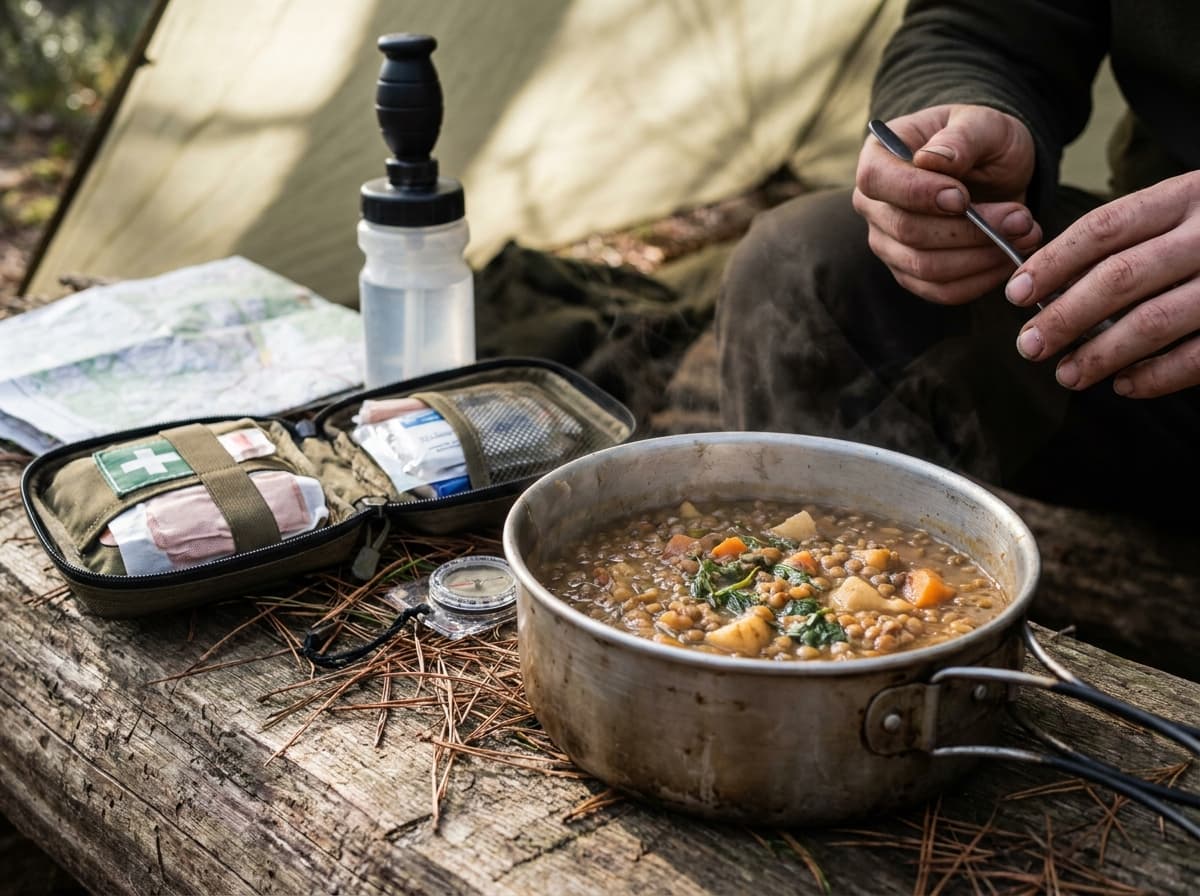
Your survival checklist should be lean and functional. A high-decibel whistle is mandatory because it outlasts your voice and carries much further in the wind. For fire, carry a backup like a ferro rod. Unlike a lighter that can fail or run out of fluid, a ferro rod works in any weather and produces hot sparks even if it gets dropped in a stream. Finally, pack high-calorie emergency snacks. These are not for a casual lunch. They are the fuel your body needs to keep its internal furnace running when you are stuck outside and the temperature starts to drop.
Key insights:
Birch bark is a priority tinder source because its natural oils allow it to ignite even when the surface is wet.
Space blankets only work effectively if you minimize air gaps and insulate yourself from the cold ground.
A whistle is more effective than shouting because the high-pitched sound travels further and requires less physical energy.
Long-term preparation is becoming a trend in hiking communities to ensure technical skills are mastered long before the hike begins.
Your 5-Item Survival Checklist
If the trail vanishes, your voice will give out long before a high-decibel whistle does. This tool is your loudest advocate. You also need backup fire starters. Lighters are easy, but ferro rods work better when things get messy.
Here is a tip. Birch bark is packed with natural oils, so it catches fire even when it is soaking wet. It is a reliable forest lifehack for starting fires with wet wood. Round out your kit with high-calorie snacks. Preparation matters. Some hiking groups plan their trips two years early to keep the community helpful and positive.
Key insights:
Birch bark contains natural oils that allow it to ignite even when the exterior is wet.
Successful thru-hikers often begin their technical preparation and community networking years in advance.
Why the Hiking Community is Getting Serious About Prep
Have you noticed how early people are starting their prep these days? It is not just about a quick weekend trip anymore. Right now, a whole community is already deep into planning for Appalachian Trail thru-hiking in 2026 and 2027. That is a two-year lead time. People are realizing that rushing into the woods is a recipe for trouble, so they are taking the long view to get their skills right.
This shift is happening in a very specific way. Niche hiking forums are moving away from the old-school attitude where beginners were teased for asking simple questions. Instead, groups are adopting rules against negativity to focus on technical support. One group leader mentioned the goal is not to make anyone feel bad or discount their attempts to learn. This creates a safe space to share those small, practical lifehacks that actually save your skin.
For instance, consider birch bark. While most think you need dry wood to stay warm, experts are now sharing tips on using wet bark to start a fire. Because of its high oil content, it can ignite even when soaked. These specific survival tricks are becoming the main focus of these new, supportive communities. It is less about being a tough guy and more about being a smart, prepared hiker.
Key insights:
Hikers are now planning major expeditions at least two years in advance to ensure total readiness.
Community rules are shifting to ban negativity and focus on technical gear secrets and support.
Practical survival hacks, like using wet birch bark for fire, are prioritized over general advice.
Frequently Asked Questions
You absolutely can, though it feels a bit like a magic trick the first time you pull it off. The secret is finding the right tinder, and in many forests, birch bark is your best friend. Because it is packed with natural oils, it stays flammable even when the outside is soaking wet.
But here is the thing: once you get that birch bark going, you can't just throw big wet logs on top and hope for the best. You will need to use a knife to shave away the damp outer layers of other branches to reach the dry wood inside. It takes more patience than a sunny day fire, but it is a reliable survival hack that works when you need it most.
The very first thing you should do is stop moving. It sounds almost too simple, but your brain's natural reaction to being lost is often to speed up and keep walking to find a landmark. That usually just gets you deeper into the woods and further from help.
Take a second to breathe and let the initial panic pass so you can think clearly. Once you are calm, look around for your own footprints or broken twigs to see if you can safely backtrack. If the trail doesn't appear quickly, staying in one spot is the smartest move because it makes it much easier for search teams to find you.
If the clouds are hiding the North Star, you'll have to rely on what is right in front of you. It's a bit of a bummer, but you can still find your way by looking at the land and the trees around you.
Here's the thing: you can look for moss on the cooler, shadier sides of trunks or see if the local trees lean in a certain direction because of the wind. It's not as easy as spotting a bright star, but it gets the job done when nature isn't cooperating. Just remember that these signs are more like hints than a GPS, so you'll want to use them carefully.
Using a shirt is one of those only if you have to situations. It's definitely not the cleanest way to go because of the risk of infection, but stopping a bad bleed is the most important part of improvised first aid.
If you're in this spot, try to use the cleanest scrap of fabric you can find, like the inside of a sleeve that hasn't touched the dirt. Once you get to a safe place, make sure a doctor looks at it because clothes carry bacteria that can cause real trouble if it stays in the wound.
Birch bark is like a secret weapon for hikers. It has these cool natural oils that help it catch fire even when it's soaking wet. It's basically nature's own fire starter and works when almost everything else in the woods is too damp to catch.
As we covered earlier, you just need to peel a little bit off and it'll help you get your other wood going. Remember that you'll need to build the heat slowly by adding tiny twigs before you try to burn the bigger, wetter logs.
You might be surprised to hear that many people start their prep two or even three years before they actually hit the trail. For instance, there are already active groups sharing tips and support for the 2026 and 2027 seasons.
Starting early gives you plenty of time to test your gear and get your body ready for the miles. Plus, joining these communities early helps you find a supportive group that stays positive and focuses on the technical side of the trip without all the usual internet negativity.
Even if you only plan to be out for a few hours, you should always have a small kit for survival scenarios. A lightweight space blanket and a loud whistle are must-haves because they help you stay warm and make it easier for people to find you.
It also helps to carry a simple fire starter and a small light. These items don't take up much room in your pack, but they provide a huge safety net if you accidentally lose the trail and need to wait for morning.
Conclusion
So where does this leave us? Handling survival scenarios is mostly about keeping your cool when the woods get quiet. It is one thing to read about using birch bark for fire or finding north with the stars, but it is another to do it when you are tired. You want that natural instinct to take over the moment a trail disappears.
Your next move is simple: go out and play with these ideas. Try building a fire on a damp day or spotting the Big Dipper from your porch tonight. When you practice these survival tricks early, they become second nature. You do not need to be a pro to stay safe, you just need to know a few smart lifehacks.
Being prepared is not about being afraid; it is about respecting the wild. Pack that extra gear and trust your gut. Trust your instincts, and you will always find your way back. Now get out there and enjoy the fresh air, knowing you can handle whatever comes your way.
Every WilderReady guide is researched, written, and fact-checked in-house against trusted references such as the American Red Cross, the National Park Service, and the CDC before it goes live. We publish under this shared byline instead of invented personas, so you always know who stands behind the guidance you are reading.