What to Do When the Trail Disappears: A Friendly Guide to Staying Found
Did you know that 68% of search and rescue missions start because a hiker simply got turned around? It happens to the best of us, and there is no shame...
What to Do When the Trail Disappears: A Friendly Guide to Staying Found
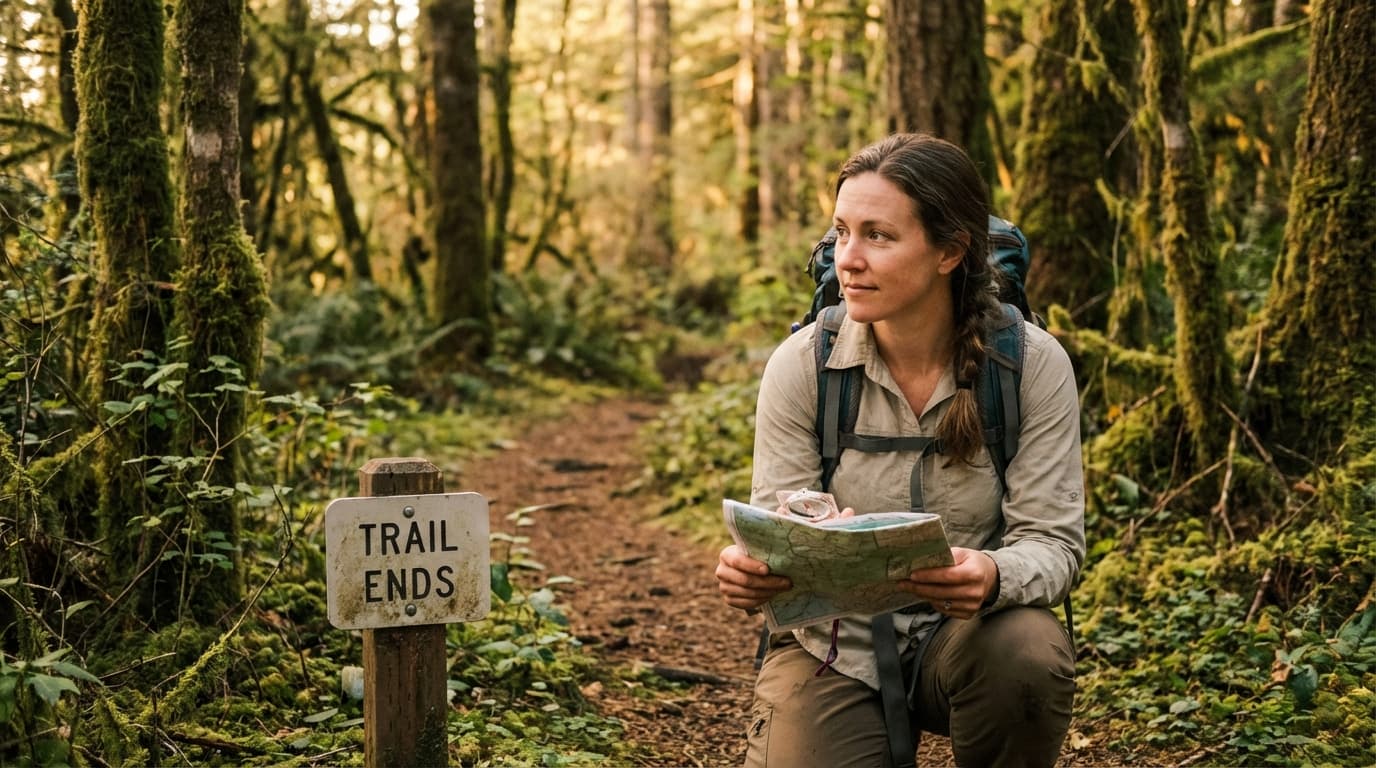
Did you know that 68% of search and rescue missions start because a hiker simply got turned around? It happens to the best of us, and there is no shame in it. If you ever find yourself in one of those scary survival scenarios: what to do if lost in the woods becomes the only thing on your mind.
Staying safe is not about being a rugged mountain expert. It is about keeping a cool head so you can get back home safe. Whether you are a weekend walker or a seasoned trekker, knowing a few trail safety tips and the S.T.O.P. rule survival method can make all the difference when the path ahead vanishes.
In this guide, we will look at the wilderness lost person protocol that keeps you visible to rescuers and why staying put is often your best move. You will also learn how to survive an unplanned night outdoors without a tent and what gear actually belongs in your pack. Let us walk through how to stay calm and stay found.
Why 'Staying Put' Is Actually a Power Move
Have you ever felt that sudden jolt of electricity when the trail doesn't look right? Your first instinct is usually to pick up the pace, hoping the real path is just around the next bend. But here is the thing: that urge to run is actually your biggest enemy. In the lower 48 states, search teams are incredibly good at what they do, usually finding people within 72 hours of starting the clock. When you keep moving, you become a moving target, which makes their job twice as hard and keeps you in the woods longer. Staying put isn't giving up; it is the smartest way to help searchers do their jobs.
Think of it like a game of hide and seek where the seeker is trying to find you, but you keep switching rooms. It is exhausting for everyone involved. Your brain is wired for flight when panic sets in, but you need to treat yourself like a well-trained pup: sit and stay. Staying put is a power move because it keeps you in the last place you were known to be. Since becoming lost accounts for about 68% of all search and rescue calls, simply stopping where you are puts you ahead of the curve. It gives searchers a fixed point to aim for rather than a trail of breadcrumbs that leads nowhere. Taking a second to breathe also lowers your heart rate, which helps you think clearly instead of letting adrenaline make your decisions.
Most of us do not just vanish into thin air; we make a specific choice that leads us astray. Statistics show that 56% of hikers who get lost do so at decision points like trail junctions or intersections. It is so easy to be chatting with a friend or looking at your boots and miss a crucial turn. The trick is catching the mistake before you are miles deep into the brush. If the trail starts feeling off or the map says you should be climbing while your legs say you are going downhill, stop immediately. Those first few minutes of doubt are your best chance to fix the situation before it becomes a survival scenario.
There is a golden rule in navigation: if the terrain and the map disagree, believe the land! It sounds simple, but our brains often try to force the map to fit what we want to see. If you hit a junction and things do not line up, do not just guess and hope for the best. That moment of confusion is your cue to use the S.T.O.P. rule - Stop, Think, Observe, and Plan. Modern survival experts even suggest having a snack or some water during the Think phase to help your brain function better. Taking five minutes to eat and look around can be the difference between a funny story and a long, cold night. Remember, panic is your greatest enemy, so breathe and trust what the ground is telling you.
Key insights:
Staying in one spot makes you a fixed target, which statistically leads to being found within 72 hours.
Over half of all navigation errors happen at junctions; always double-check your map when the trail splits.
The 'Believe the Land' rule prevents you from forcing a map to fit a reality that isn't there.
Using the S.T.O.P. protocol helps override the biological urge to run when you feel lost.
The Decision Point Trap
Ever feel like the trail just played a trick on you? It happens more than you think. Statistics show that 56% of hikers who get lost do so at simple decision points like junctions or intersections. You reach a fork, pick the path that looks right, and suddenly the world feels different. It is easy to convince yourself the trail will eventually loop back, but that is often how a small mistake turns into a long night.
The golden rule here is simple: if the map and the ground do not match, believe the land. If your map says you should be walking uphill but you have been going down for ten minutes, stop right there. It is tempting to force the terrain to fit your mental image, but the land does not lie. As the experts say, if the map and the terrain disagree, trust what is under your boots.
How do you catch a wrong turn before you are miles deep? Pay attention to the feel of the path. Are the trail markers gone? Is the brush suddenly thick? Most official trails are kept clear and wide. If things get narrow or messy, you likely missed a turn. Catching a mistake in five minutes is just a story, but waiting two hours can turn into a serious survival scenario.
The S.T.O.P. Rule: Your 4-Step Mental Reset
Wait, where did the trail go? That sinking feeling in your gut is the start of a panic cycle that actually accounts for 68% of search and rescue missions. But here is the secret: the woods aren't your biggest threat. Panic is. The US Forest Service says it plainly: "Panic is your greatest enemy." Before you take another frantic step, you need to use the S.T.O.P. rule to get your brain back online. It is a simple four-step mental reset that keeps a bad afternoon from turning into a survival headline.
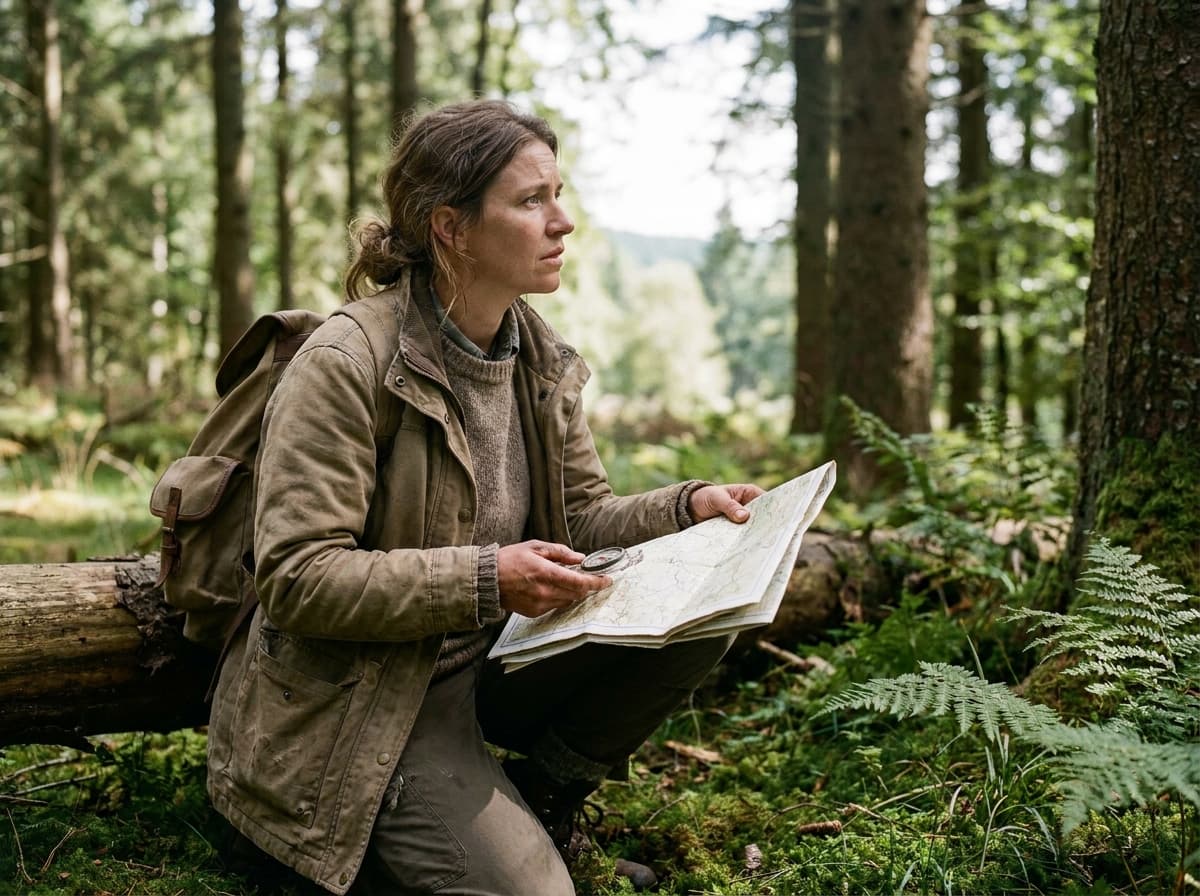
The first step is to literally stop and think. The moment you realize you are off-course, sit down on a log or a rock. Physically breaking the cycle of movement forces your heart rate to drop and breaks the panic monster's grip. Instead of pacing, grab a snack and a sip of water. This is a modern survival trick that lowers your stress hormones and improves your cognition. While you are sitting there, try to retrace your steps in your mind without moving your feet. Did you miss a trail junction? Statistically, 56% of hikers get lost at these exact decision points. By staying put, you turn a potential tragedy into a temporary detour.
Once you are calm, it is time to observe and plan. Look for "diamond blazers" on trees or distinct landmarks like a jagged peak or a creek. If the map and the land do not match, believe the land. This is when you decide whether to move or hunker down. In harsh conditions like a blizzard, you might only have three hours to find shelter, so do not waste time if the weather is turning. Your plan might simply be to blow your whistle and wait. Rescuers usually find people within 72 hours in the lower 48 states, so staying put makes you a much easier target to find than someone wandering aimlessly through the brush.
Key insights:
Panic control is just as vital as the physical gear in your pack.
Stopping to eat and drink water is a tactical way to lower your heart rate and think clearly.
Staying put is statistically the safest choice because it makes you a stationary target for rescuers.
Most navigation errors happen at trail junctions, making them the first place to look when mentally retracing your steps.
Stop and Think: Taming the Panic Monster
Your heart starts racing the moment you realize the trail is gone. This is the 'Panic Monster' waking up, and as the US Forest Service warns, panic is your greatest enemy. When that adrenaline hits, the best thing you can do is sit down. Just sit. Physically grounding yourself breaks the cycle of frantic movement that often leads hikers deeper into the woods. It is about taking control before your feet take you somewhere dangerous.
Now, start the 'Think' phase of the S.T.O.P. rule. Instead of walking, retrace your steps mentally. Where was the last trail marker or junction? Since 56% of hikers get lost at decision points like trail intersections, you might be just a few yards off track. Take a breath and visualize your path without moving a muscle.
Try having a snack and a drink of water while you wait. Modern survival experts suggest this because it lowers your heart rate and helps you focus. You are not just wasting time; you are taming your nerves so you can make a plan. Remember that searchers usually find people within 72 hours, so stay calm and let your brain do the work.
Key insights:
Sitting down physically interrupts the physiological panic response.
Mental retracing is safer than physical wandering when you are disoriented.
Eating and drinking during the 'Think' phase helps restore cognitive function and lowers the heart rate.
Observe and Plan: Making a Strategy
Once you have calmed down, look around with fresh eyes. This is the Observe part of the S.T.O.P. rule. Since 56% of hikers get lost at trail junctions, look for small clues like diamond blazers on trees or familiar landmarks. Steve from NatureOutside says if the land and your map do not match, believe the land.
Now you need a plan. Should you move or hunker down? If the sun is dropping or a storm is coming, staying put is the smartest move. In a blizzard, you only have about three hours to find shelter. Because searchers usually find people within 72 hours, staying in one spot makes you much easier to find. If you are not sure of the way, just stay put.
Key insights:
Looking for trail markers like diamond blazers can help you find your bearings.
Staying put is statistically safer because it makes you easier for search teams to find.
Shelter becomes the top priority if you face harsh weather like a blizzard.
Surviving the Night Without a Tent
You have realized the trail is gone and the sun is dipping low. It is a heavy feeling, but here is something to keep you grounded: in the lower 48 states, searchers usually find missing hikers within 72 hours. Your main job is simply to wait them out. However, when the temperature drops or the rain starts, the clock starts ticking much faster. Survival experts often point to the Rule of Three, which warns that in harsh conditions like a blizzard, you might only have three hours to find or build a shelter before your body cannot keep up.
While your stomach might be growling, forget about searching for food or water for now. Staying dry and warm is your absolute priority because hypothermia is a much faster threat than hunger. This is where the S.T.O.P. protocol helps. Stop, think, observe, and plan. Instead of wandering and getting more lost, use that energy to create a barrier between you and the elements. Statistics show that 68% of searches happen because someone got lost, often at a simple trail junction. Staying put makes it much easier for rescue teams to find you compared to a moving target.
Think of your shelter as a shield. If the terrain and your map do not seem to match up, believe the land and find a spot that offers natural protection from the wind. Staying calm is your best tool here because a clear mind helps you make better decisions about where to hunker down. By focusing on building a safe space, you take control of the situation and manage the panic that often sets in when night falls.
To make it through the night comfortably, you need to build what survivalists call a nest. Never sleep directly on the dirt because the ground will suck the heat right out of your body through conduction. Pile up dry leaves, pine needles, or branches to create a thick cushion of insulation at least four to six inches deep. This layer keeps you separated from the cold earth and preserves your precious body heat.
If you have an emergency space blanket in your pack, now is the time to use it. These thin silver sheets are vital because they reflect your own body heat back at you. Wrap yourself up tightly inside your debris nest. It might not be the most comfortable bed you have ever used, but it provides the protection you need to stay safe until the morning light. Remember, the best tool you have is your ability to plan ahead and stay put until help arrives.
Key insights:
Shelter is more urgent than food or water when the temperature drops.
The ground is a heat sink, so always use natural debris for insulation.
Staying put is statistically the safest choice for lost hikers.
Panic is a survival threat that you can manage by focusing on small tasks.
Building Your 'Nest'
If things go south and you are stuck for the night, remember that you only have about three hours to get a shelter sorted in harsh weather. The ground is a literal heat sponge, so your first task is building a barrier. Pile up dry leaves, pine needles, or any natural debris to create a thick mattress.
Next, pull out that crinkly emergency space blanket. It looks like tinfoil, but it is actually a brilliant heat reflector. Wrapping yourself in one inside your debris nest creates a warm micro-climate. Since statistics show searchers usually find missing hikers within 72 hours, your main job is simply staying warm enough to wait for help. It is all about staying put, staying dry, and keeping your internal heater running.
Key insights:
Insulating yourself from the ground is often more critical for survival than blocking the wind.
Emergency blankets are essential because they reflect your radiant body heat back to you in a small space.
The 'Stay Found' Gear List (Beyond Your Phone)
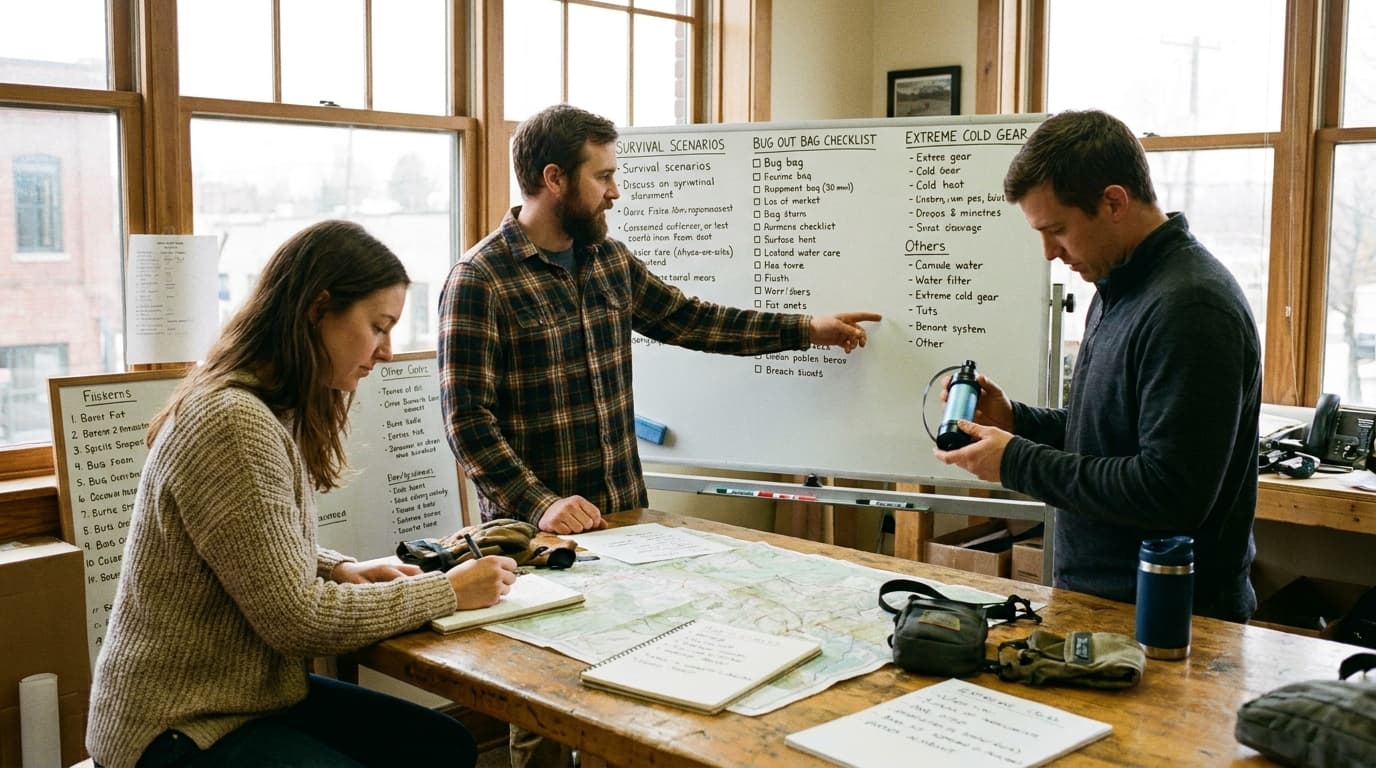
Think about the last time you reached a trail junction and felt that tiny flicker of doubt. It turns out you are not alone. Data shows that 56% of hikers get lost at these exact decision points. While your phone is a miracle of modern tech, it should not be your only lifeline. Experts call this digital de-emphasis because relying solely on a screen is a huge survival risk. If your battery dies or the signal drops, you are left with a very expensive glass brick.
This is why a physical map and a compass are your best friends. They do not need a charge or a satellite link. As Steve from NatureOutside puts it, if the terrain and the map disagree, believe the land! It sounds simple, but trusting your eyes over a glitchy GPS can save your life. Remember that becoming lost accounts for 68% of search and rescue calls. Having these analog tools gives you a fighting chance to stay part of the group that gets found within that critical 72-hour window.
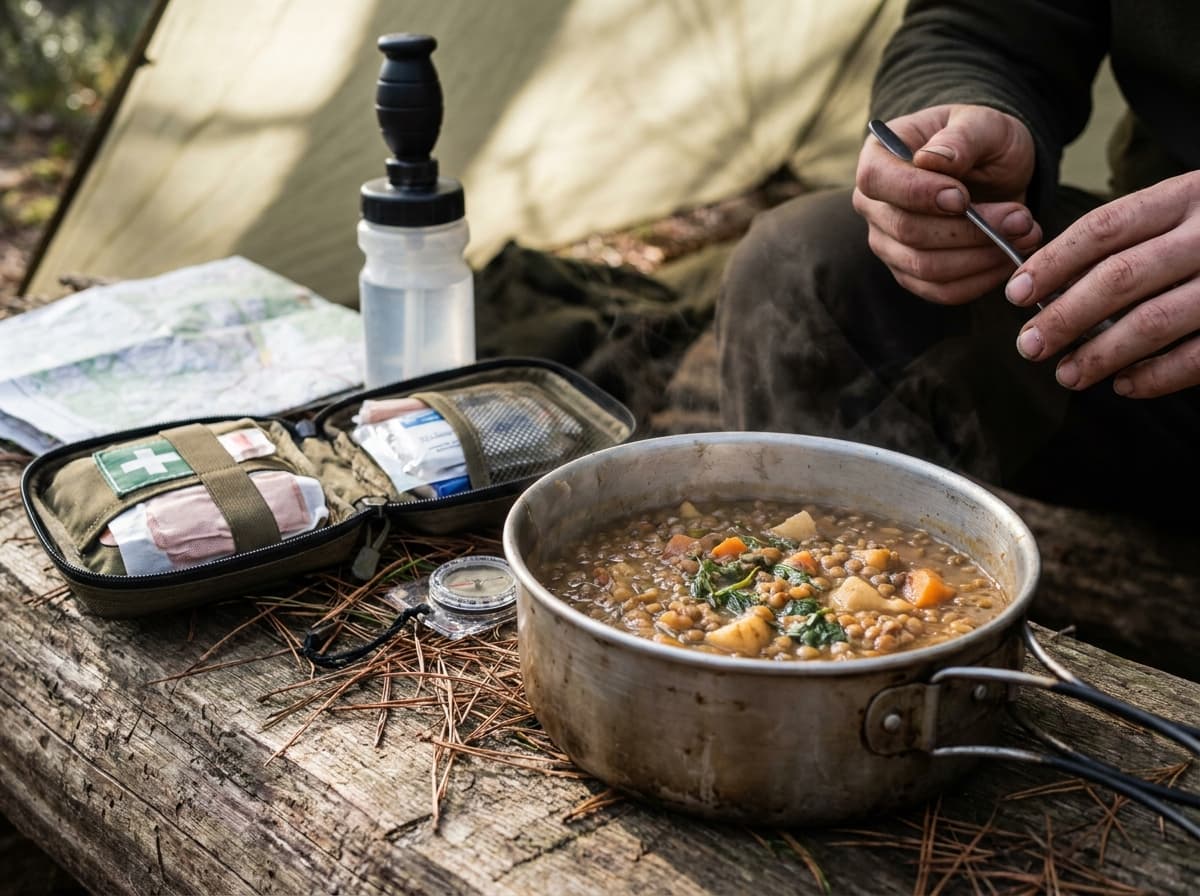
Beyond navigation, you need a few small but mighty items in your pack. A simple whistle carries much further than a human voice and saves your energy. Throw in some waterproof matches and a fresh pair of extra socks too. Why the socks? Because dry feet keep you moving and help prevent the kind of misery that leads to panic. As the US Forest Service notes, panic is your greatest enemy. These small bits of gear help you keep a cool head so you can follow the S.T.O.P. rule if things get sideways.
Key insights:
Digital tools are secondary to a physical map and compass because batteries and signals often fail in the wilderness.
The majority of hikers get lost at trail junctions, making land navigation skills vital.
Small items like whistles and extra socks are essential for signaling for help and maintaining morale.
The Golden Rule: Tell Someone Where You're Going
The US Forest Service says the best tool for survival isn't a fancy knife or high-tech gear; it is your ability to plan ahead. Becoming lost actually accounts for 68% of all searches for missing hikers, and it usually happens at simple decision points like trail junctions. Before you even lace up your boots, your most important move is telling a friend exactly where you are going. Think of it as a flight plan for the woods. If you do not show up when expected, they know exactly who to call and where to send them.
Why does this matter so much? In the lower 48 states, searchers are statistically likely to find a person within 72 hours of starting the search. But they can only start that clock if someone knows you are missing. Give your contact a specific overdue time. Tell them, if you have not heard from me by 8:00 PM, call the authorities. It sounds a bit dramatic, but it is the simplest way to stay safe when your phone battery dies or the trail disappears.
Finally, do not forget the check-in once you are back. Your friends and your hungry pets waiting for dinner need to know you are safe. Closing that loop prevents unnecessary panic and ensures search teams are not out looking for you while you are actually just sitting on the couch. It is a small step that makes a massive difference in wilderness safety.
Key insights:
Advanced planning is more effective than any physical tool in your survival kit.
Most hikers get lost at simple trail intersections rather than in deep brush.
A designated check-in time is the primary deterrent to long-term survival tragedies.
Frequently Asked Questions
The most important thing you can do is stop exactly where you are. It sounds simple, but when panic kicks in, your instinct is usually to keep moving faster to find the trail. That is how people end up miles away from where they were last seen. We use the S.T.O.P. rule, which stands for Stop, Think, Observe, and Plan.
Here is the thing: panic is your biggest enemy out there. By sitting down and taking a breath, you allow your heart rate to drop and your brain to switch back to logical thinking. Statistically, most hikers get lost at decision points like trail junctions, so staying put makes it much easier for searchers to find you quickly.
It really depends on the environment, but the rule of three is a good guide. In extreme conditions like a blizzard, you might only have three hours without a shelter before things get dangerous. However, if you can stay dry and warm, the odds are in your favor. In the lower 48 states, searchers almost always find missing people within 72 hours of starting the search.
Remember that your priorities shift based on the weather. While you can go days without water and weeks without food, shelter is your main goal if it is cold or wet. Most survival situations are decided by how well you manage your body heat and your mindset during those first few nights.
Actually, the best thing you can do is stay exactly where you are. While it’s a common myth that following water leads to safety, moving around makes you a much harder target for search teams to find. Statistically, rescuers in the lower 48 states usually find people within about 72 hours, so staying put drastically increases your chances of being spotted quickly.
Here is the thing: following a stream often leads to thick brush, steep drops, or slippery rocks that can cause an injury. Instead of wandering, try the S.T.O.P. rule. Just stop, think, look around, and make a plan. If you are not 100% sure of the route, it is always better to wait for help to come to you.
You definitely want to pack a map and a compass first. A lot of people rely on their phones, but batteries die and signals drop out in the woods. You also need to think about staying warm and dry, so toss in an emergency blanket and some extra layers. In harsh conditions, you might only have about three hours to survive without shelter, so being able to stay warm is a huge priority.
Also, don't forget a whistle and some waterproof matches. A whistle carries much further than your voice if you need to signal for help. It is all about being ready for that unplanned night outdoors. Like the Forest Service says, your best tool is actually just planning ahead before you even leave the driveway.
Conclusion
So, what is the big takeaway when the woods get a bit too quiet and the trail seems to have vanished? It usually comes down to your mindset. While having the right gear helps, your biggest asset is the ability to stay calm and use the S.T.O.P. rule. By sitting down and resisting the urge to run, you turn a scary situation into a manageable one. It is about realizing that staying put is a strength, not a failure, and that most people are found quickly when they stop moving.
Before your next hike, think about your preparation differently. It is not just about packing a whistle or a space blanket; it is about making sure someone at home knows your plan. Your next move should be as simple as sending a quick text to a friend with your expected return time. This small step is the best safety net to ensure help is on the way if you do not check in.
The woods are meant to be enjoyed, not feared. With a little bit of trail safety knowledge and a cool head, you can explore with confidence. After all, the goal is always a safe return to your cozy living room and a warm drink.
Every WilderReady guide is researched, written, and fact-checked in-house against trusted references such as the American Red Cross, the National Park Service, and the CDC before it goes live. We publish under this shared byline instead of invented personas, so you always know who stands behind the guidance you are reading.