The Survival Bag Reality Check: What You Actually Need for 72 Hours
Imagine the power goes out and you have just minutes to grab one bag and go. Most people pack like they are going on a movie set, but a real survival backpack setup for 72 hour emergency isn't about looking tough. It's about having the gear that actually keeps you alive when things get messy.
Prepping doesn't have to be a hobby that eats your whole paycheck. It's easy to get distracted by flashy tools, but the truth is that water and medicine are the real lifesavers. Whether you're putting together a diy first aid kit for remote mountain hiking or just want to be ready for a local disaster, you need a setup that balances utility with weight.
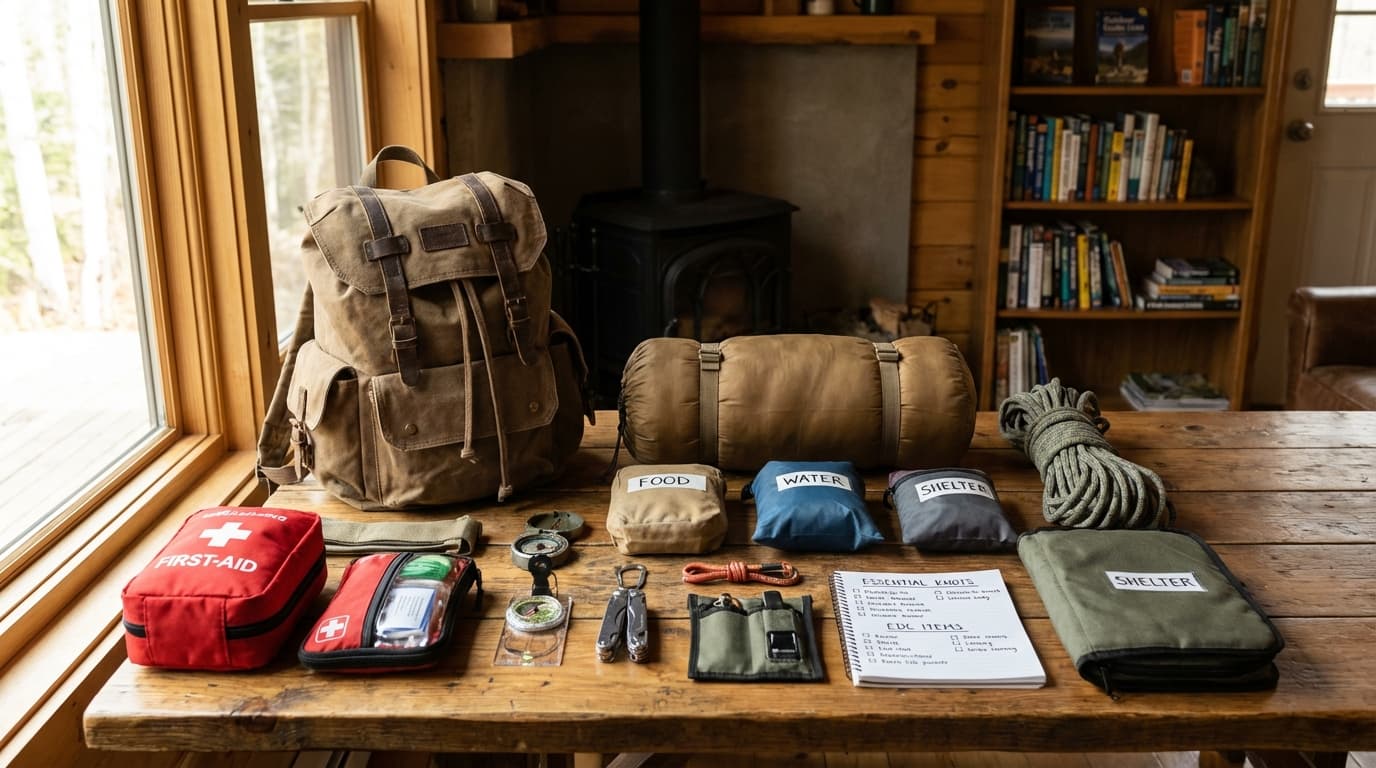
This guide walks through the essentials, from picking a durable pack to finding the best emergency sleeping bag for extreme cold. We will also cover an essential knots for shelter building checklist and how to make sure your pets are safe too. Let's get your 72-hour bag ready so you can stop worrying and start feeling prepared.
Most of us imagine a survival bag looks like a tactical rucksack from an action movie. You see those 50L packs on Amazon stuffed with 200 gadgets like paracord bracelets and axes. They look cool, but here is the reality: survival usually starts with the basics.
FEMA suggests you need a gallon of water per person every day just to stay hydrated and clean. Plus, since half of all Americans take daily prescriptions, your kit is useless if you can't reach a pharmacy. It is about balancing the 'cool' gear with what actually keeps you and your pets alive.
True peace of mind comes from knowing everyone in the house is covered for those first 72 hours.
Key insights:
Prioritize water and daily medications over tactical gadgets.
Ensure your kit includes specific supplies for your pets.
A 50L pack is standard, but the contents matter more than the capacity.
The Foundation: Picking a Pack That Won't Fail You
Think about the last time you tried to pack for a weekend trip and could not fit your shoes. Now imagine your life depends on what is in that bag. Most people grab the biggest pack they can find but that is usually a mistake. The Goldilocks size for a 72 hour emergency is actually between 45L and 50L. It is big enough to hold your water and some extra snacks because FEMA says you need a gallon a day per person. It is also small enough that you can actually carry it while handling a pet carrier. This size keeps you disciplined so you do not pack things you will never use.
You also need to look at the material. You will see 900D high denier listed on the best packs. In plain English that just means the fabric is thick enough to survive being dragged across gravel or rough terrain. Then there is the Molle system. Those are the rows of heavy duty nylon webbing on the outside. They are not just for looking like a soldier. They allow you to clip on extra gear like a trauma kit or a collapsible water bowl. This means you do not have to dig through your main compartment when every second counts. It is all about modularity and speed.
While government guides focus on basics like radios many people are leaning toward tactical setups that include everything from axes to survival bracelets. This shift shows a desire for tools that do more than one job. For example a single survival tool might weigh only six ounces but include a fire starter and a whistle. It is about packing smart instead of just packing heavy. The reality is that the best kit is the one you can actually carry for miles while making sure your furry friend stays safe too.
Here is the thing about tactical gear. It makes you look like you have supplies. In a crowded city that might make you a target. Some people prefer a gray man approach by using a pack that looks like a normal hiking bag but hides the same 900D durability inside. It is a choice between blending in or having the convenience of external attachments. Both ways work but you have to decide which environment you are most likely to be in when you are on the move with your family.
No matter the style your straps are the most important part. If they are not padded and adjustable that 45L pack will feel like a bag of bricks after two miles. You want the weight on your hips instead of just pulling on your shoulders. Think of it this way. Your bag is an extension of your body. If it does not fit right you will not get far. Comfortable straps are non negotiable if you want to stay mobile and keep yourself moving during an emergency.
Key insights:
A 45L to 50L pack is the ideal capacity for 72 hours of supplies without becoming too heavy to carry.
900D high denier fabric is the standard for durability against snags and rough handling.
Molle systems allow for modular attachments like trauma kits to be accessed instantly without opening the main bag.
Choosing between tactical and gray man styles depends on whether you want to blend in or prioritize external gear storage.
High quality padded straps are the most critical feature for maintaining mobility over long distances.
Tactical vs. Practical: Choosing Your Style
Choosing a bag usually means deciding between looking like a commando or just another person on the street. Tactical packs are trendy, usually sized around 45L to 50L with lots of modular clips for extra tools. They are durable, but they also signal to everyone that you are carrying valuable supplies. A plain bag that blends in can be a safer bet when you want to move through a crowd without being noticed.
Comfort matters more than looks once you actually start walking. Ready.gov suggests carrying at least one gallon of water per person daily, and you will need even more if you are packing for your pets too. That weight adds up fast. If your straps aren't padded or designed to shift weight to your hips, that 72-hour trek will feel twice as long. Focus on how the bag feels after a few miles so you can keep your whole family moving safely.
Key insights:
Tactical gear is durable but can make you a target by standing out in a crowd.
High-quality straps are non-negotiable because water storage creates significant weight.
Water and Meds: The Boring Stuff That Saves Lives
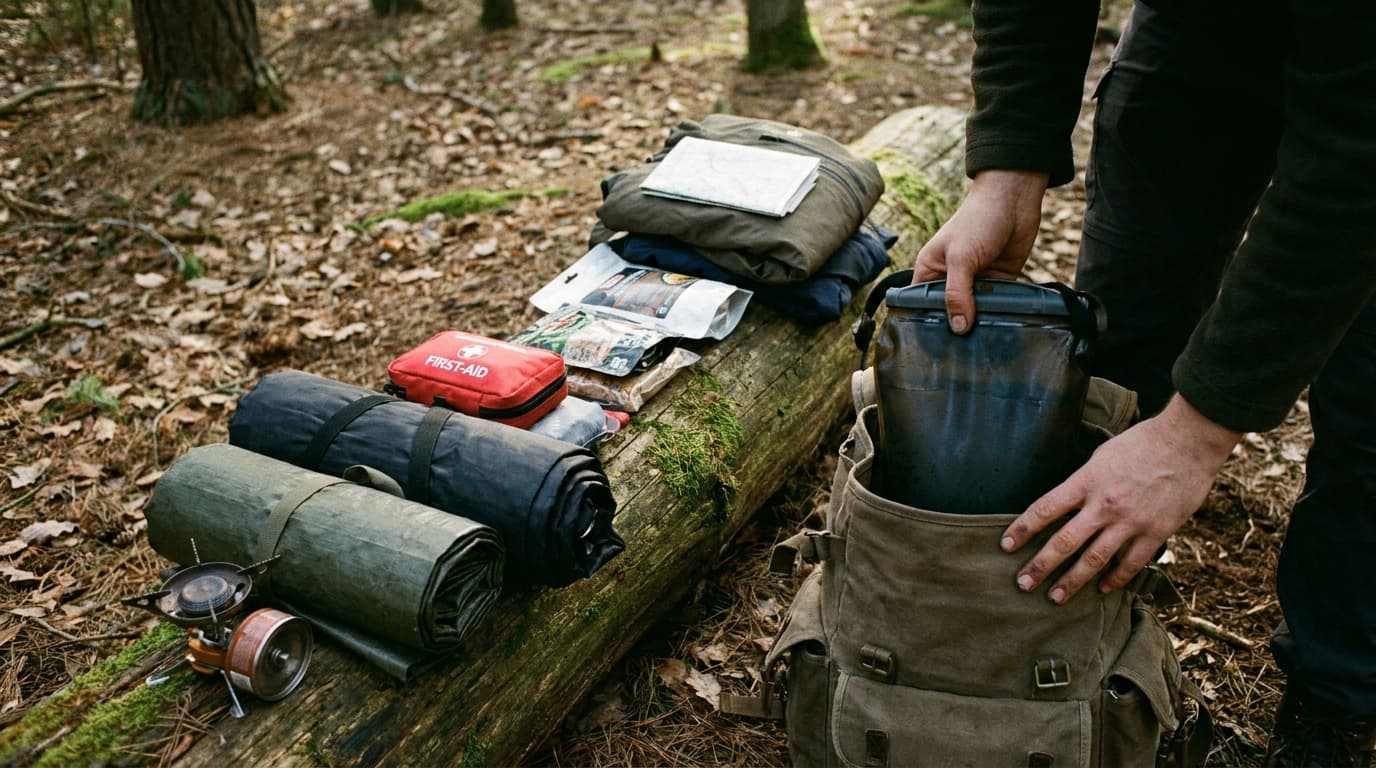
Let us talk about the two things people often ignore because they are not as flashy as a survival axe: water and pills. FEMA recommends at least one gallon of water per person every day for both drinking and sanitation. That sounds simple on paper, but have you tried carrying it? A three day supply for a small family is nine gallons, which weighs nearly 75 pounds. Since a standard 50L tactical backpack can only hold so much, you have to get creative. One smart hack is using airtight plastic bags to organize your gear. These bags keep your clothes dry and make the most of your limited space, ensuring your water containers do not leak all over your electronics.
Now, consider your medicine cabinet. About half of all Americans take at least one prescription daily. If a disaster strikes and the local pharmacy closes its doors, that daily medication becomes a critical survival item. As Ready.gov points out, an emergency makes it incredibly hard to find a refill. You should not just pack a few extra pills. You need a plan for how to store them safely. Think about what happens if you lose your glasses or run out of contact solution. These are not just nice to have items. They are the difference between being able to see your path and being stuck.
It is tempting to grab one of those 250 piece trauma kits you see trending online. They look professional, but for a remote mountain hike, they are often just heavy fluff. Most of those pieces are tiny bandages that will not help much in a real crisis. A DIY mountain kit is better because it focuses on what actually happens on the trail. You need high quality antiseptic to stop infections and serious blister care to keep you moving. If you cannot walk, you cannot get to safety. This is why many experienced hikers move away from pre packed bags and build their own.
The reality is that consumer demand favors these all in one solutions, but savvy hikers know better. Instead of a bag filled with 200 safety pins, prioritize items for trauma and exposure. Look at tools like the SOL Origin, which packs several survival pillars into a tiny six ounce frame. Your first aid kit should be a mix of professional grade medical gear and specific items for your personal health needs. Stop worrying about the piece count and start focusing on the quality of the gear that actually saves lives. What does your current kit say about your actual readiness?
Key insights:
Weight management is the biggest hurdle when following the one gallon per day water rule.
Prescription redundancy is often more important than tactical gear for the average person.
Pre packed kits often prioritize quantity over the quality of medical supplies.
Airtight bags provide a double benefit of organization and leak protection in a bug out bag.
The DIY Mountain First Aid Kit
Ever seen those massive 262-piece trauma kits on Amazon and thought you needed one for a weekend hike? While they look impressive, lugging a bulky tactical bag is usually overkill for a mountain trail. Most of that gear just sits there, adding weight when you really need to stay light on your feet. For most hikers, these kits are more about marketing than actual utility.
Mountain first aid is mostly about managing small problems before they stop you. Blisters are the real enemy. A single hot spot can turn a great trek into a painful crawl, so pack plenty of moleskin and antiseptic wipes. Also, since about half of Americans take daily prescriptions, getting stuck overnight without them is a serious risk. Always pack a few extra days of your personal meds.
Forget the pre-packed 250-piece boxes. Build a kit for the specific miles you are walking. It is better to carry a few items you actually know how to use, like a basic multi-tool and simple bandages, than a heavy bag of gear you will never touch. Focus on the basics that keep you moving toward the trailhead.
Key insights:
Prioritize blister care and antiseptic wipes to manage the most common trail injuries.
Include a multi-day supply of daily prescription medications in case of an unexpected overnight stay.
Custom DIY kits are often more effective and lighter than generic, high-piece-count survival kits.
Sleeping Tight When It's Freezing Outside
Imagine it is 2 AM and the temperature has plummeted well below freezing. In this scenario, your bedding is the only thing standing between a shivering night and actual safety. When looking for the best emergency sleeping bag for extreme cold, you usually have to choose between a traditional thick bag and a compact bivvy. Traditional bags offer plush insulation but eat up massive space in those standard 45L tactical backpacks. Bivvies, on the other hand, are ultra-light and fit in the palm of your hand, though they can feel a bit like sleeping in a crinkly potato chip bag.
The real secret in modern emergency kits is the reflective lining. These silver coatings work by bouncing your own body heat back at you rather than letting it escape into the frozen air. It sounds like space-age magic, but it is just basic physics. While official guidelines focus on the basics like water and meds, market trends show people are flocking to these high-tech, multi-functional tools. This matters because a reflective bivvy keeps you warm while taking up almost zero room, leaving more space for the gallon of water per person you are supposed to carry.
Here is the thing: you might be tempted by those massive 200-piece kits, but if your sleep system fails, the rest of the gear will not matter much. The goal is to stay dry and trapped in your own warmth. Whether you go for a heavy-duty bag or a minimalist emergency bivvy, make sure it fits your specific environment. The reality is that you may need to survive on your own for several days. Being prepared means having gear that actually lets you sleep when the world outside is freezing.
Key insights:
Bivvy bags offer a massive weight advantage for 45L-50L packs but lack the comfort of traditional insulation.
Reflective linings are a high-efficiency way to retain body heat without adding bulk to a 72-hour kit.
Consumer demand is shifting toward compact, multi-functional survival tech over bulky traditional gear.
The 'Everyday Carry' Items You’ll Actually Use
When you are miles from the nearest paved road, every ounce in your pack starts to feel like a pound. It is tempting to grab the biggest multi-tool you can find, but utility often loses to weight in the real world. Take the SOL Origin, for example. At just 6.25 ounces, it fits in your palm but includes life-saving tips and tools that actually work when you are tired and cold. You want gear that solves problems without slowing you down, especially when your 50L tactical bag is already getting heavy.
You have probably seen those 20-in-1 paracord bracelets all over the internet. They are popular for a reason, but here is the thing: they are a backup, not a primary tool. While it is smart to have extra cordage and a tiny fire starter on your wrist, it cannot replace a dedicated fire kit or a high-decibel whistle. A loud whistle is non-negotiable because your voice will give out long before your lungs do. Think of the bracelet as your 'break glass in case of emergency' plan while your main tools do the heavy lifting.
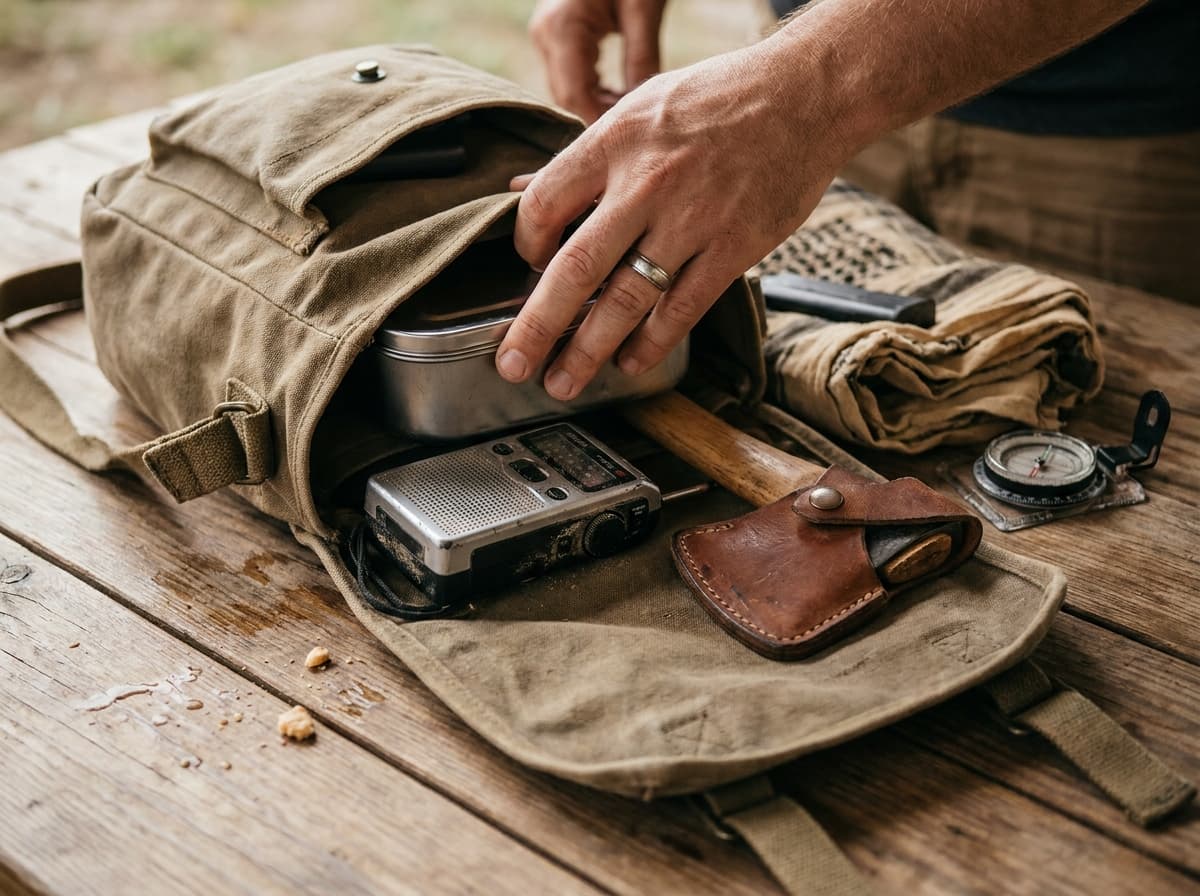
Staying informed is just as vital as staying warm. A NOAA weather radio is not just a luxury; it is your early warning system when the cell towers fail. Look for one with a 'tone alert' feature so it stays silent until an actual emergency broadcast is triggered. This wakes you up or grabs your attention when every second counts. Also, remember that half of us take at least one prescription daily. Your EDC should include a small, waterproof stash of meds alongside your charging gear to keep your tech running when the grid goes dark.
The reality is that survival gear is shifting from niche utility to a daily lifestyle. Whether you are building a DIY kit or buying a pre-packed 200-piece set, the goal is redundancy. FEMA suggests a gallon of water per person daily, which is a lot to carry. So, while you focus on the cool tactical gear, make sure you have the basics like water purification and a way to reach the outside world. What good is a survival bag if it does not keep you connected and hydrated?
Key insights:
Prioritize weight-to-utility ratios, favoring tools like the 6.25oz SOL Origin over bulky alternatives.
Treat wearable gear like paracord bracelets as secondary backups rather than primary survival tools.
Ensure your weather radio includes a specific 'tone alert' feature for automatic emergency notifications.
Account for daily prescriptions and water needs, as these are often overlooked in tactical gear lists.
Communication is Key
When the grid goes dark, silence is your worst enemy. You need a NOAA weather radio, but not just any model. Look for one with a 'tone alert' feature. This setting keeps the radio quiet until an emergency broadcast hits, making sure you get the news even if you are napping. It is the difference between being surprised and being ready.
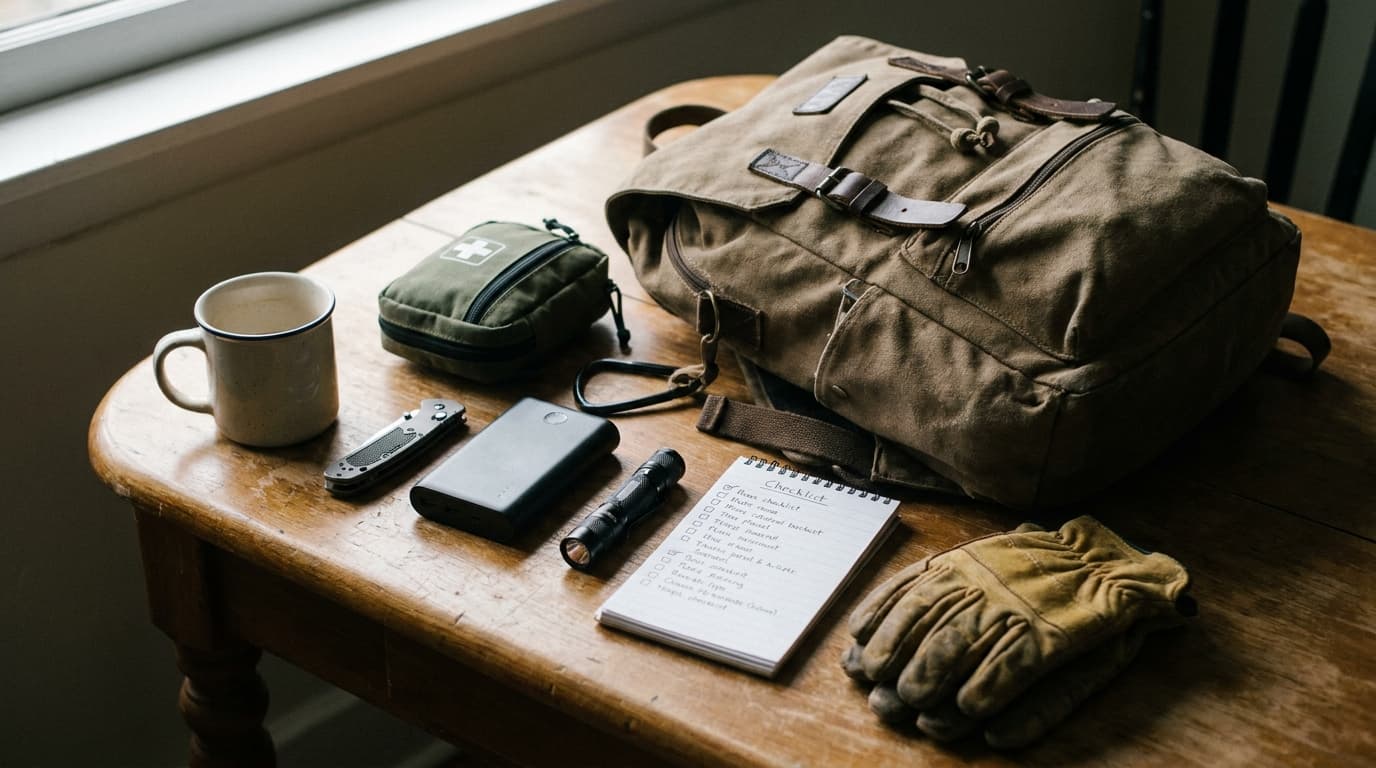
Also, do not forget your phone. It is your map and your lifeline, where you keep all your emergency info in one place. It is useless with a dead battery. Many modern 72-hour kits now include solar chargers because staying powered is vital. Pack a dedicated power bank so you can stay connected when it matters most.
Key insights:
Tone alerts turn a standard radio into an active emergency alarm.
Power redundancy ensures your digital tools and pet info remain accessible during a grid failure.
Survival Skills 101: The Only Knots You Need to Know
You can pack a 50L tactical backpack until the seams burst, but gear is only half the story. While it is tempting to buy those pre-packed kits with over 200 pieces of equipment, the smartest survivalists know that skills are the only things that weigh absolutely nothing. Think about it: if you lose your bag in a river or a storm, what is left? Your ability to tie a secure line can be the difference between a dry night and a cold, dangerous one.
Let’s look at the Bowline. It is often called the king of knots because it creates a fixed loop that will not slip under a heavy load, yet stays easy to untie after the pressure is gone. It is perfect for securing gear or even emergency rescues. Then there is the Taut-Line Hitch. This is your best friend for shelter building because it lets you slide the knot to adjust tension on your tarp lines without having to untie everything.
The reality is that consumer trends favor all-in-one solutions, like those heavy survival bags filled with gadgets. But even a handy tool like the 6.25oz SOL Origin is just a heavy object if you do not have the muscle memory to use it properly. Knowing these essential knots for shelter building makes you way more prepared than someone who just carries a mountain of gear they do not actually understand how to use.
Key insights:
Skills like knot-tying provide essential redundancy when gear fails or is lost.
The Bowline and Taut-Line Hitch are the two most versatile knots for emergency shelters.
Muscle memory and practical knowledge are more valuable than high-capacity tactical backpacks.
Putting It All Together
Here is the thing about your 72-hour survival backpack setup. You might have a 50L bag stuffed with 200 pieces of gear, but it is not a one-time task. Since half of all Americans take daily prescriptions, keeping your meds updated is a big deal. Ready.gov points out that finding an open pharmacy during a disaster is tough, so check those labels often.
Try to rotate your supplies every six months. Check your water stash because you need a gallon per person every day for drinking and washing. This habit keeps your kit ready and helps you stay calm when it counts. Having the right tools is helpful, but being prepared mentally is what actually gets you through the first few days.
Frequently Asked Questions
You'll usually want to keep your pack under 20% of your body weight, but for a 72-hour bag, the math gets tricky because of water. Since you need about a gallon of water per day for drinking and cleaning, that's roughly 25 pounds of weight just in liquids for a three-day trip. Most tactical backpacks built for this are around 45L to 50L in size, which gives you enough room for the essentials without getting too bulky.
Here's the thing: while you want to be prepared, a bag that's too heavy will just slow you down or hurt your back. If you're a beginner, focus on the big stuff first like water and meds, then see how much room you have left for tools. You can also look for lightweight multi-tools, like the SOL Origin which only weighs about 6 ounces, to save some space and weight.
You definitely can, and honestly, most people do. Pre-packed kits are huge right now because they take the guesswork out of what to buy. Many of the popular ones come with over 200 pieces of gear already inside. It's a solid way to get a head start without spending weeks researching every single bandage or fire starter.
But keep in mind that even the best store-bought kit isn't 100% ready for you personally. For example, about half of all Americans need daily prescription meds, and no pre-made kit is going to have those waiting for you. Use a high-quality kit as your base, then add your specific medications and maybe some extra water to make sure it actually fits your life.
You really want to aim for at least one gallon of water for every person in your house every single day. That covers both drinking and basic washing. Most official guides suggest having enough for at least several days, but many people feel a lot safer prepping for a full week or more.
The best way to store it is in food grade plastic containers kept in a cool and dark place. Sunlight can actually break down the plastic over time or help algae grow. Also, remember that you might need extra for your pets.
A regular backpack can work in a pinch, but a tactical one is built for the weight and rough handling of a real emergency. Most survival bags are between 45 and 50 liters, which is the perfect size to fit 72 hours of supplies. They use very thick fabric that won't rip easily when you are on the move or hiking through brush.
The real secret is the Molle system on the outside. It lets you clip extra gear like first aid kits or multi tools to the bag so they are easy to reach. This means you do not have to dump everything out just to find a bandage or a flashlight when you are in a hurry.
Conclusion
Building a 72-hour bag isn't about looking like a movie hero or carrying the heaviest pack. It is about balancing the basics like clean water and warmth with the specific needs of your household. When you combine a solid survival backpack setup for 72 hour emergency with practical skills like tying a bowline, you move from being worried to being prepared for whatever comes your way.
The real secret is that your gear only works if you know how to use it and if it stays ready. A diy first aid kit for remote mountain hiking is great, but it won't help if the bandages are ten years old. Think about your emergency prep as a living project. Every six months, swap out the water, check your food supply's expiration dates, and make sure those extra batteries still have a charge.
Staying ready does not have to be a chore or a source of stress. It is actually one of the kindest things you can do for yourself and your furry friends. Start with one small step today, like picking out a sturdy bag or printing a hard copy of your pet's medical records. You will sleep much better knowing that if things get hairy, you and your family are ready to handle it together.
Every WilderReady guide is researched, written, and fact-checked in-house against trusted references such as the American Red Cross, the National Park Service, and the CDC before it goes live. We publish under this shared byline instead of invented personas, so you always know who stands behind the guidance you are reading.