Survival Scenarios: How to Stay Safe When Things Go Wrong
Staying safe during unexpected Survival Scenarios depends on quick thinking and having the right gear ready for everyone in your home, including your cats, because preparation isn't just for extreme...

Rowan Hale
Bushcraft Instructor & Backcountry Skills Writer
Survival Scenarios: How to Stay Safe When Things Go Wrong
Staying safe during unexpected Survival Scenarios depends on quick thinking and having the right gear ready for everyone in your home, including your cats, because preparation isn't just for extreme survivalists.
It's about everyday safety and your peace of mind when things go wrong for you or your furry friends. Whether you're dealing with a sudden power outage or a heat emergency on a trail, knowing the specific steps to take can save lives.
This guide shows you how to handle five common emergencies, from treating heat exhaustion to surviving earthquakes, with practical tips you can use right now.
Treating Heat Exhaustion in the Wilderness: How to Cool Down Fast
Heat exhaustion is your body's final warning before things get dangerous. It happens when you have been out in the sun too long and your internal cooling system starts to fail. You might notice a pounding headache or a pulse that feels like it is racing for no reason. If you do not stop to cool down immediately, this condition can quickly turn into heatstroke, which is a life-threatening emergency. The goal is to catch these signs early and act before you lose consciousness or stop sweating entirely.
Hydration is the most important tool you have, but how you use it matters more than you might think. Many people assume that chugging a gallon of water is the best fix when they feel overheated, but that is actually a mistake. Your body is already under massive stress when you are too hot. If you flood your stomach with too much liquid at once, you can cause severe cramping or even vomiting. This makes you lose more fluids and worsens your dehydration in a hurry.
Imagine a hiker on a steep trail who suddenly feels dizzy and nauseous. Even though it is eighty degrees out, they might start feeling a strange chill or notice that their skin is clammy. Nearby, a climber who has been out all day finally reaches their water supply and drinks a full liter in seconds. Instead of feeling better, the climber is now doubled over with stomach cramps. Both of these people are in trouble because they did not respect how the body handles heat and hydration during a crisis.
To stay safe, you should follow standard emergency guidelines and carry at least one gallon of water per person for each day you are in the wilderness. This baseline helps you manage your thirst and keep your core temperature down without the risk of running dry. It is also a smart move to store these supplies in airtight plastic bags and keep them in easy-to-carry containers like duffel bags so you can move to a safer spot if you need to.
Key insights:
- Move the person to a shaded area immediately to get them out of direct sunlight.
- Loosen any tight or heavy clothing to help air circulate around the skin.
- Provide small and frequent sips of cool water rather than letting them chug it.
- Apply wet cloths or cool water to the neck, armpits, and groin to lower their temperature faster.
- Stop all physical activity and rest until your heart rate returns to a normal rhythm.
The Golden Rule of Hydration
In a heat emergency, you might want to chug all your water at once. Don't. Gulping can shock your system and cause painful stomach cramps. It is better to take small sips so your body absorbs the moisture. Official guidelines recommend one gallon of water per person every day.
Imagine a climber who finally finds shade and drains a full liter in seconds. Instead of relief, they end up doubled over with spasms because their body could not handle the volume. Sipping slowly prevents this and keeps you moving when every minute counts in the wilderness.
Key insights:
- Sip water steadily to avoid stomach cramps.
- Budget one gallon per person per day.
- Avoid salty snacks that increase thirst.
- Store water in portable bins for mobility.
How to Survive an Earthquake at Home Without Panicking
When the floor starts rolling, your first instinct might be to run outside. Don't do that. The most effective thing you can do is Drop, Cover, and Hold On immediately. Get down on your hands and knees so the shaking doesn't knock you over, crawl under a sturdy table, and protect your head. Stay away from windows or big bookshelves that could tip over and cause injury.
It's also smart to think about what happens after the shaking stops. You need to know where your gas and water shut-off valves are located. Keep a wrench or pliers in an easy-to-reach spot because broken pipes can lead to fires or flooding. Since standard guidelines recommend at least one gallon of water per person every day for three days, having a solid stash ready is a literal lifesaver. Remember that about half of all Americans take prescription meds daily, so make sure your kit includes a week's supply of any essentials.
Imagine you're relaxing in your living room when a tremor hits, much like the 1989 Loma Prieta earthquake that displaced 12,000 people in the Bay Area. One second you're watching TV, and the next, the walls are groaning and pictures are falling. Instead of freezing in fear, you dive under your heavy oak coffee table and grab a leg. By staying put and protecting your head, you avoid the flying glass and debris that cause most injuries during these events.
Key insights:
- Drop to your hands and knees to prevent being thrown to the ground during the initial shock.
- Cover your head and neck by crawling under a sturdy desk or table away from glass.
- Hold on to your shelter until the shaking completely stops and it is safe to move.
- Refresh your emergency food and water every six months to keep them safe for consumption.
- Store important documents in waterproof, portable containers or digital backups for easy access.
Building the Best Survival Kits for Flash Floods
Flash floods hit fast, often leaving you with only seconds to react. A standard survival kit becomes a life-saving flood bag when you prioritize waterproofing and speed. The goal is to keep your gear bone-dry even if the container gets submerged. This means using airtight plastic bags for every individual item - from matches to socks - before placing them in a portable bin or duffel bag that you can carry easily.
Picture a sudden storm that turns your quiet street into a rushing river in under ten minutes. You have to grab your go-kit and move to higher ground immediately. If your supplies are just sitting in a cardboard box or a standard backpack, your food and spare clothes are ruined the moment they touch the water. A properly sealed kit ensures that once you reach a safe spot, you actually have the resources to stay warm and fed.
Paper records are a major liability because physical files are destroyed the moment they get wet. If you are at an evacuation center and need your insurance info but your files are underwater at home, you face a long road to recovery. This is why a digital safety net is essential. Keep electronic copies of your IDs, bank records, and medical info on a waterproof, portable drive that stays clipped to your emergency bag.
The way you pack your food also matters for your water supply. It is best to choose items that will not increase your thirst, as you need to conserve your clean water. Since half of all Americans take at least one prescription medicine every day, your kit must also include a backup supply of essential medications kept in a waterproof container.
Key insights:
- Use airtight plastic bags for all supplies to ensure they stay dry during submersion.
- Pack a minimum of one gallon of water per person per day for at least three days.
- Store your kit in a portable duffel bag or plastic bin that you can grab in seconds.
- Save digital copies of important documents on a waterproof USB drive.
- Include a backup supply of daily medications and a hand-crank NOAA weather radio.
The Digital Safety Net
Paper records are incredibly fragile during a disaster. In a flood or fire, your physical files are often the first things lost. Recent trends show a shift toward digital document redundancy to keep your most important info safe.
It is not just about convenience. It is about having what you need to start over when the water recedes. If your records are gone, you lose your proof of identity and your path to recovery.
Imagine standing in an emergency shelter after a flash flood. You need to file an insurance claim immediately, but your policy is underwater in your home. Without your ID or bank records, proving who you are or getting cash becomes a massive hurdle.
Key insights:
- Scan your birth certificates, IDs, and insurance policies right now.
- Save these files onto a waterproof and portable USB drive.
- Keep the drive in an easy-to-carry container like a duffel bag.
- Store a second set of copies in a secure cloud account.
Common Survival Mistakes to Avoid While Camping
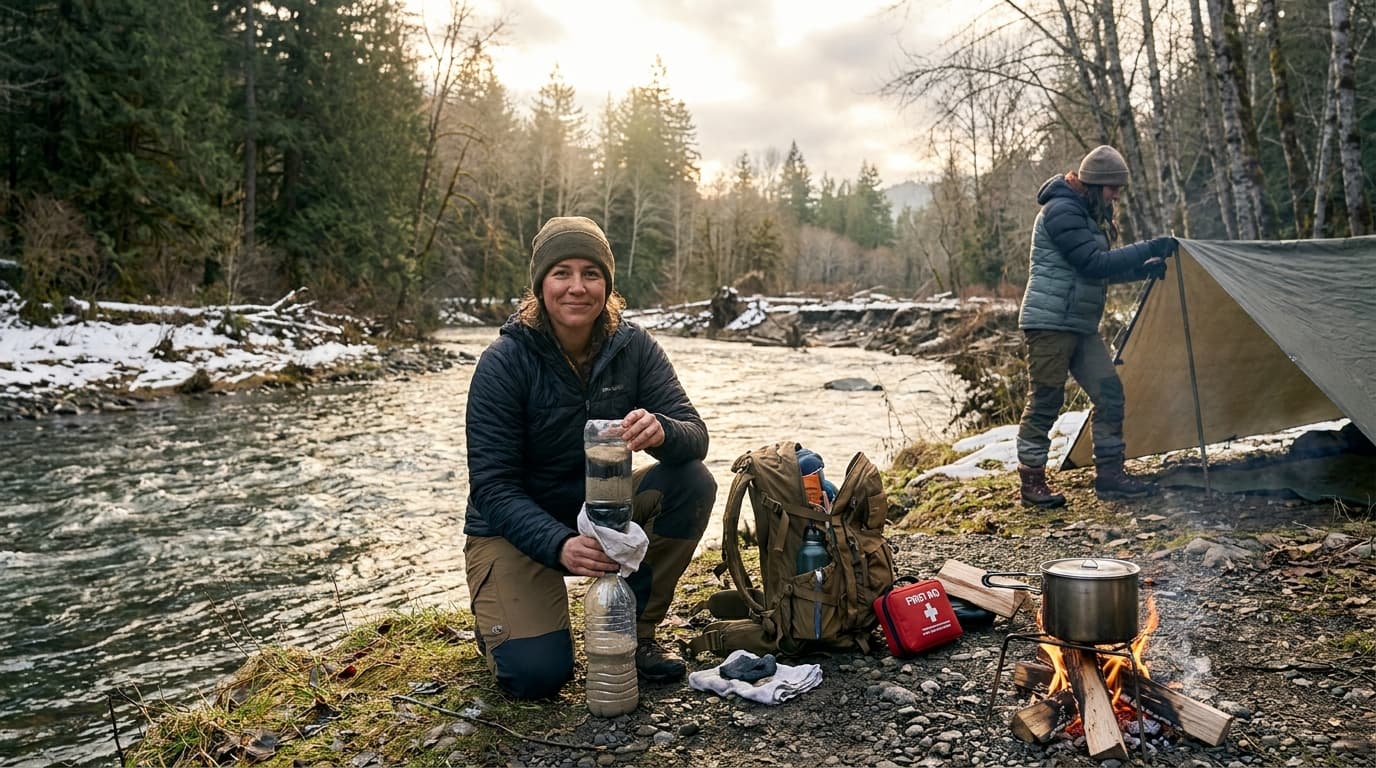
Camping blunders usually start with a false sense of security. Many beginners assume that because they can see their car or a familiar trail, they are safe from the elements. But the biggest mistakes usually involve basic needs like clean water and clear communication. If you do not have a solid plan for these, a fun weekend trip can turn into a rescue mission fast.
One frequent error is trusting nature too much. A stream might look clear, but it often carries bacteria that makes you sick within hours. Also, being found is much easier when someone knows your location. Standard guidelines suggest carrying at least one gallon of water per person for each day you are away from home.
Imagine a hiker who drinks from a bubbling brook because they ran out of bottled water. They did not bring a filter because they thought the hike was short. By nightfall, they have severe stomach cramps and cannot walk back. Since they never told a friend their route, nobody knows where to look for them or that they are in trouble.
Key insights:
- Treat all natural water with filters or tablets to avoid getting sick.
- Carry a hand-crank radio for weather updates when cell service fails.
- Give a friend your exact itinerary and return time before you leave.
- Keep gear in airtight bags so your supplies stay dry in a storm.
- Refresh your kit every six months to check batteries and food items.
- Use plastic bins or duffel bags to keep your survival supplies organized.
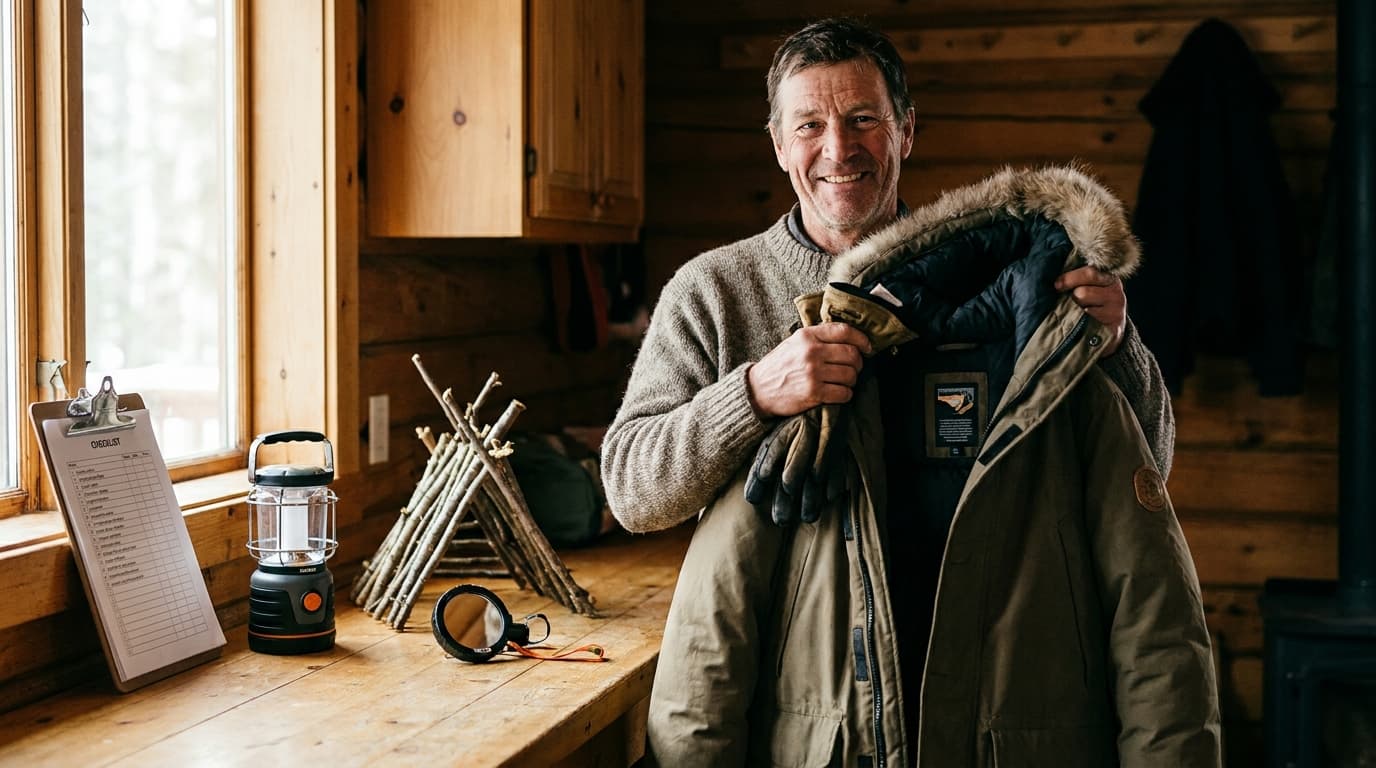
Your Emergency Checklist for Winter Power Outages
When the grid fails during a blizzard, your home's temperature drops fast. The priority is trapping heat in a single room and keeping your food from spoiling. Keep the refrigerator doors shut tight; refrigerated foods stay safe for only about four hours without power if you don't open the door.
Don't forget your health needs. Since roughly half of all Americans take daily prescriptions, make sure your kit has a week's supply of meds. You also need water. Standard guidelines recommend at least one gallon of water per person per day. Keep a battery-powered radio ready, as you'll need weather updates when the internet goes dark.
Imagine waking up at 3 AM to a silent house and a layer of frost on the windows. Your heater is dead, and the thermometer is plummeting. Instead of wandering the whole house, you and your family grab the emergency bin, retreat to a small interior room, and hang blankets over the doorways to create a warm nest while the wind howls outside.
Key insights:
- Keep fridge and freezer doors closed to preserve food safety for up to four hours.
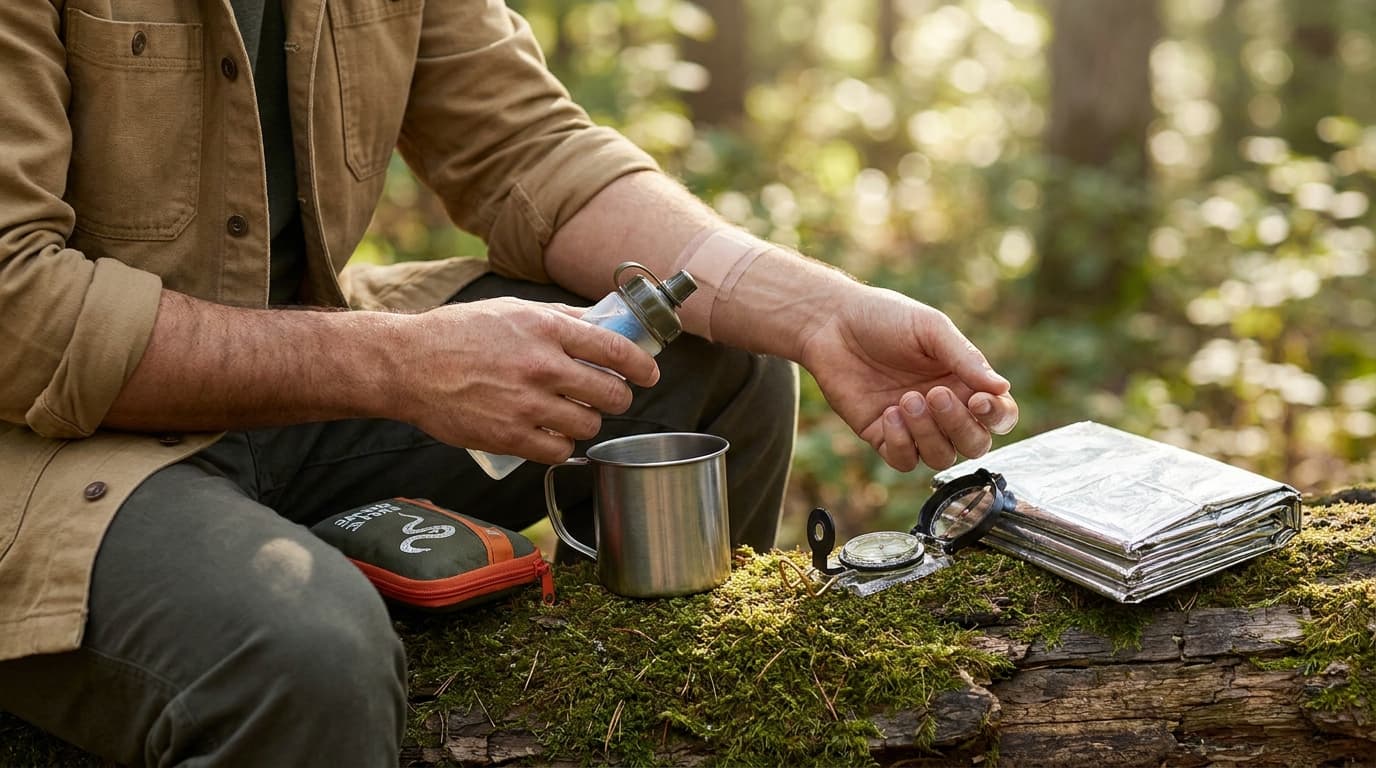
- Use foil blankets or space blankets to reflect your own body heat back to you.
- Store at least one gallon of water per person per day to stay hydrated.
- Keep a wrench or pliers handy to shut off gas or water utilities if you suspect a leak or pipe burst.
- Dress in layers and gather everyone in a single room to maintain a higher ambient temperature.
- Avoid using outdoor grills or camp stoves inside, as these can cause carbon monoxide poisoning.
Maintenance: The Secret to a Kit That Actually Works
Building an emergency kit is only half the battle. If you treat it like a set it and forget it project, you are setting yourself up for a dangerous surprise when a real crisis hits. Supplies degrade over time, and a kit full of spoiled food or dead electronics is just a heavy box of trash. Since about half of all Americans take daily prescription medication, keeping those supplies current is often a matter of life or death.
Imagine a family rushing to their garage after a major earthquake, much like the 12,000 people displaced during the 1989 Loma Prieta disaster. They pull out their emergency bin feeling prepared, only to find the batteries in their radio have leaked acid and their backup meds expired years ago. In the dark, they realize their safety net has failed because they forgot to maintain it. It is a terrifying moment that is completely avoidable with a little routine care.
You should treat your kit like a living thing that needs a checkup. A good rule is to refresh your stash every six months, perhaps when you change your clocks for daylight savings. This keeps your water fresh and ensures your gear actually works when you flip the switch.
Key insights:
- Refresh food and water supplies every six months to ensure they meet the gallon-per-person daily standard.
- Test your battery-powered or hand-crank radio frequently so you are never cut off from emergency alerts.
- Store all items in airtight plastic bags inside easy-to-carry containers like duffel bags for mobility.
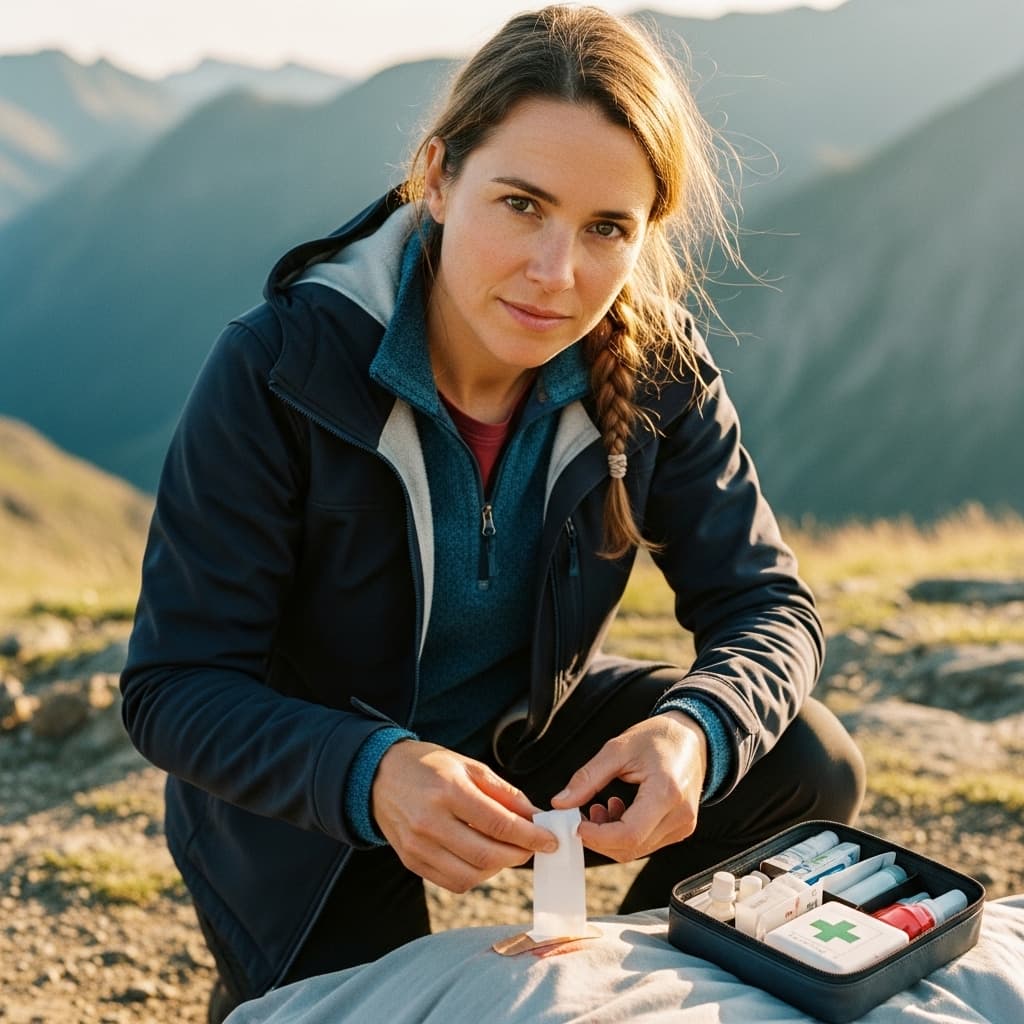
- Swap out old prescription medications and check the seals on first aid supplies like gauze and tape.
- Check that your utility tools, like wrenches for gas valves, are easy to reach and free of rust.
Frequently Asked Questions
Conclusion
So what is the big takeaway from all these survival scenarios? Whether you are treating heat exhaustion in the wilderness or learning how to survive an earthquake at home, the core idea is the same. It is about having a plan before the adrenaline kicks in. Real safety comes from a mix of the right gear, like those survival kits for flash floods, and the presence of mind to avoid common camping mistakes when things get stressful.
Think of preparedness as a favor to your future self. It is not about living in fear, but about having the quiet confidence that you can handle a winter power outage or a sudden storm without panicking. Your next move does not have to be a massive overhaul. Just take ten minutes this weekend to look through your emergency checklist or swap out those expired batteries in your kit.
Staying safe is a team effort, so make sure to chat with your family about where the supplies are kept. A little bit of work today goes a long way toward keeping everyone, including the furry family members, safe and sound when it counts. You have the knowledge now, so go ahead and put it into practice.
Send it to someone who should read it next.
About the author

Rowan Hale
Bushcraft Instructor & Backcountry Skills Writer
Teaches fieldcraft, shelter systems, fire craft, and practical survival routines for readers who want usable skills, not theory.
View all articles