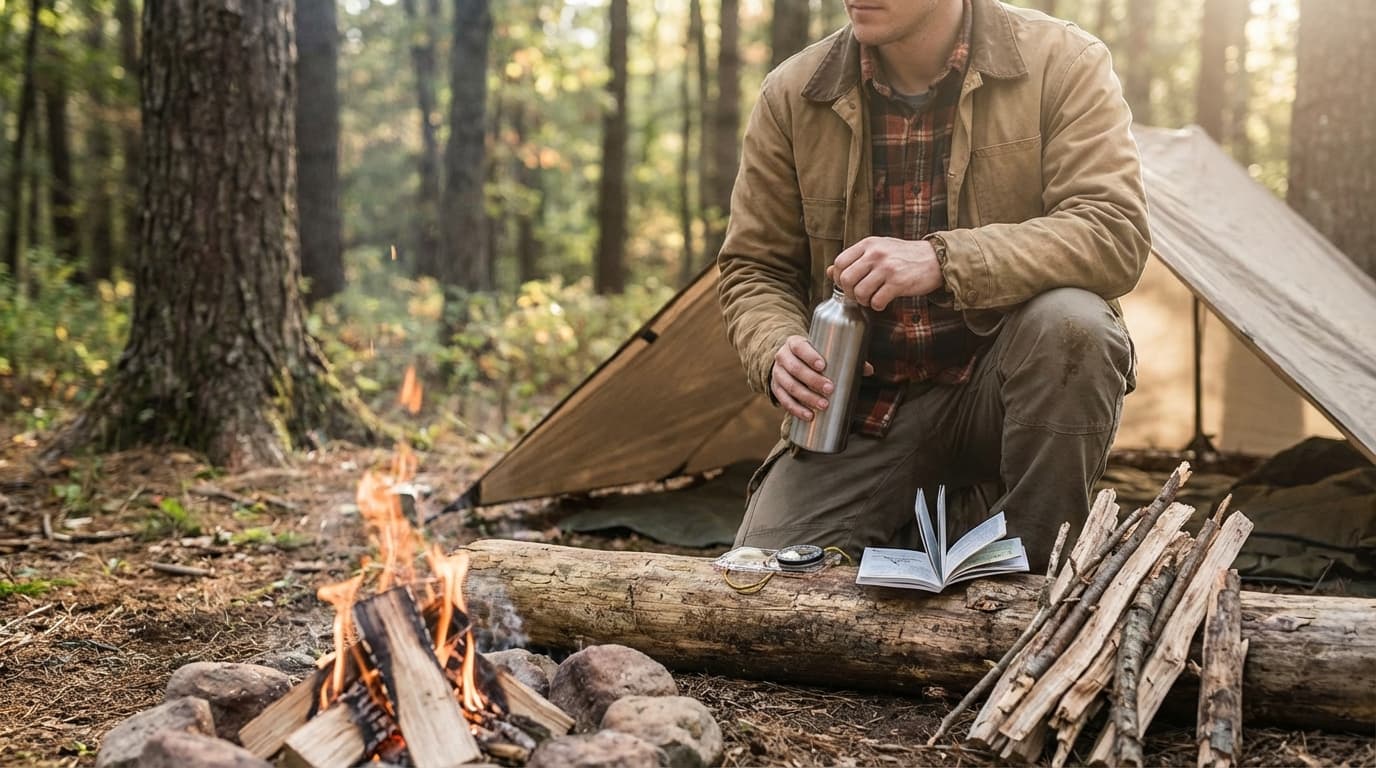
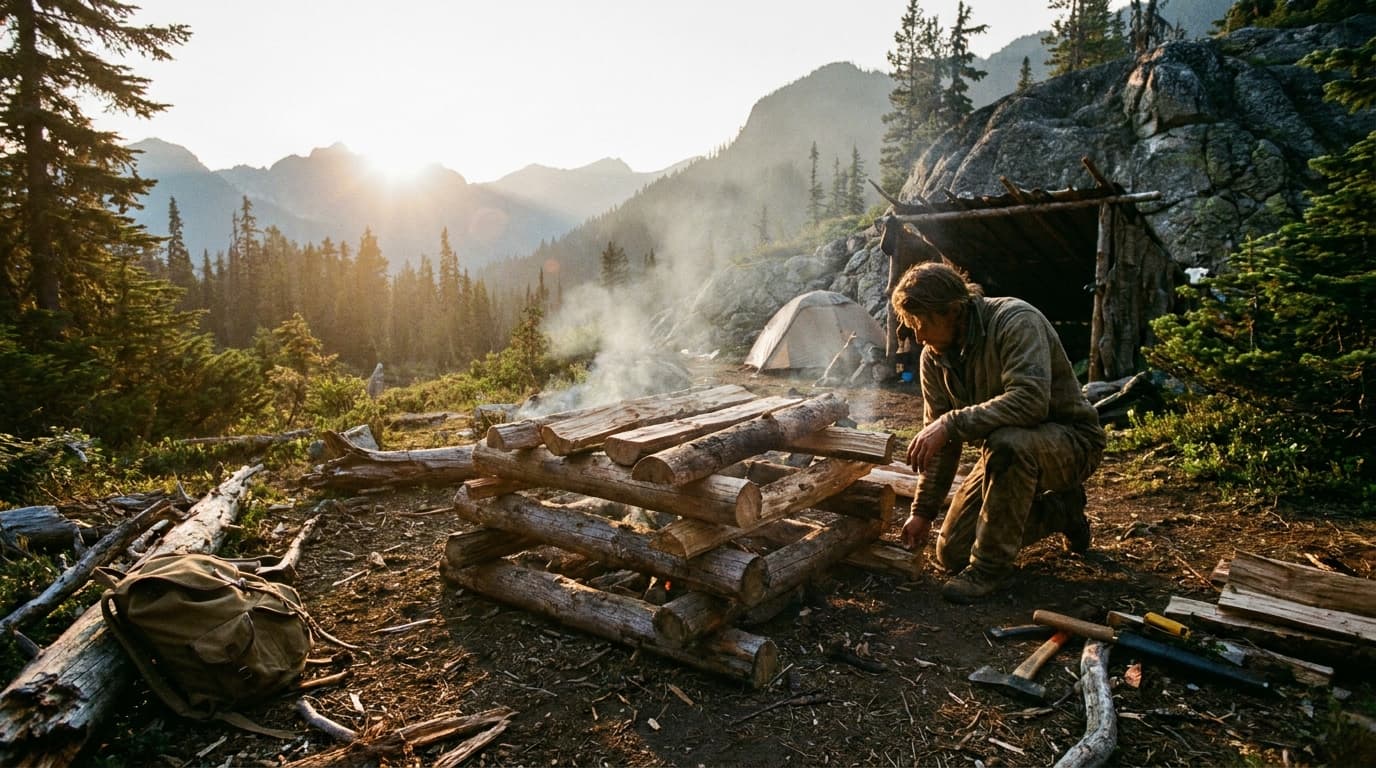
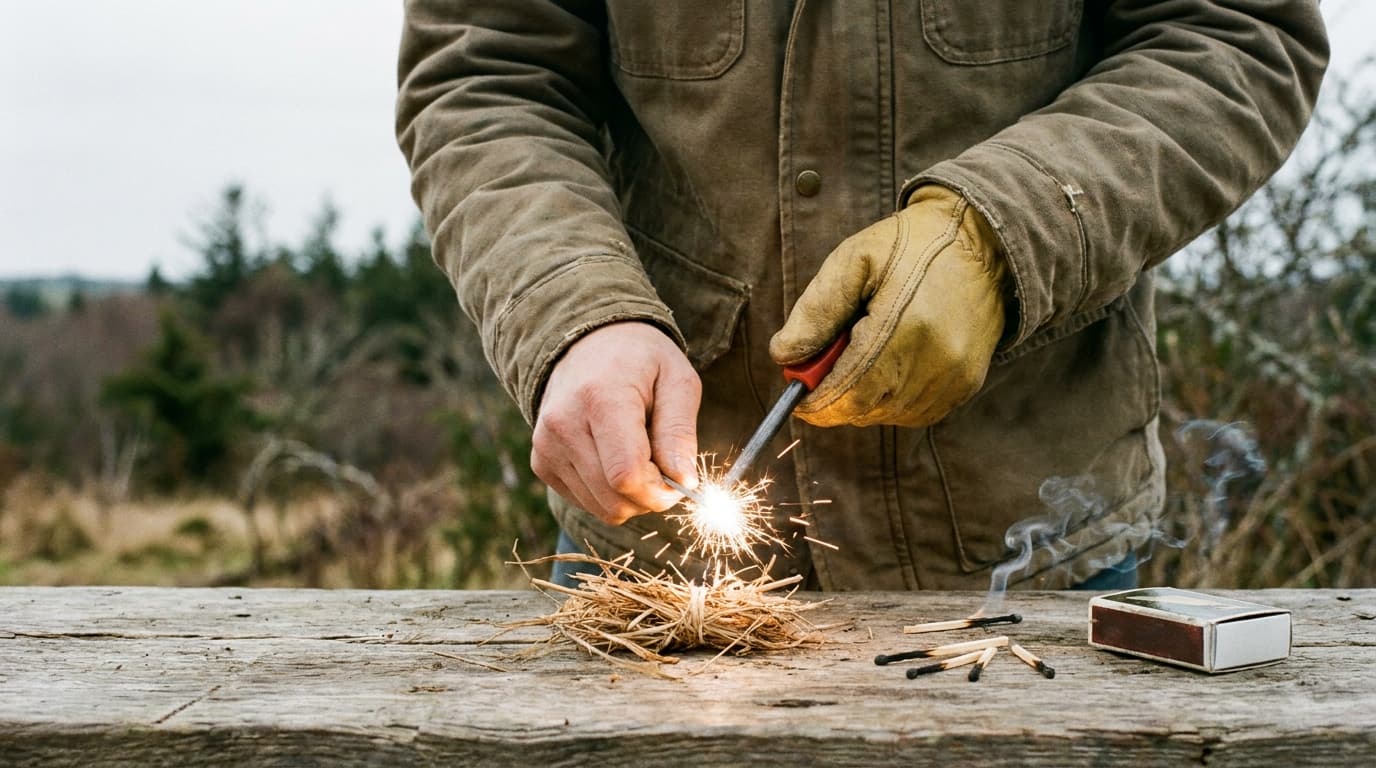
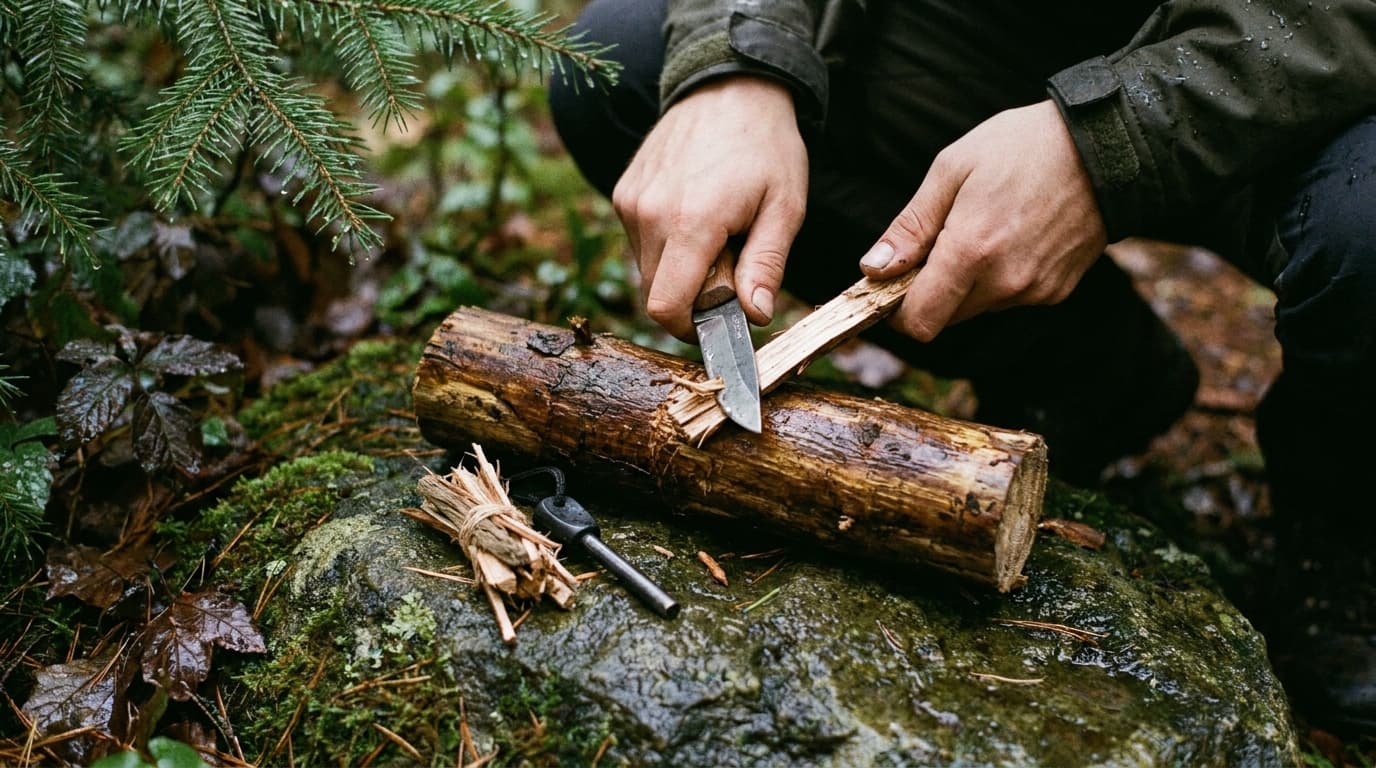
Survival Rule of 3s: What Actually Keeps You Alive When Things Go South
You have about three seconds to keep your head before panic takes over. In a real crisis, your gear matters less than your brain. Most people think survival is about...
Survival Rule of 3s: What Actually Keeps You Alive When Things Go South
You have about three seconds to keep your head before panic takes over. In a real crisis, your gear matters less than your brain. Most people think survival is about fancy knives or starting fires, but the survival rule of 3s shows that your priorities are actually much simpler and more urgent than you might think.
Understanding the priority of survival helps you make smart choices when your heart is racing. Whether you are interested in emergency preparedness or just want to learn wilderness survival basics, this framework keeps you focused on what actually keeps you alive. It is not just a list of facts; it is a survival mindset that keeps you grounded when things go wrong.
We are going to break down these rules from the immediate need for air to the long-term reality of finding food. You will learn why shelter often comes before water and why hope is your most important tool. Let's look at how to manage the clock when every second counts.
Imagine you are lost and panic starts to rise. Before you worry about food, you have exactly three seconds. That is how long it takes for a lack of hope to turn a bad situation into a disaster. Survival starts in your head. The Rule of Threes is not a strict scientific law, but a mental map to keep you from making fatal mistakes when stress hits.
The basics are simple: you can go three minutes without air, three hours without shelter in the cold, three days without water, and three weeks without food. But people often get these backward. You might spend hours looking for a snack while you are actually in danger of hypothermia. This framework helps you ignore the small stuff so you can focus on what will actually kill you first.
Time moves fast in an emergency. Whether it is icy water or a choking hazard, you usually only have minutes to act. This list keeps you grounded when your brain wants to scatter. Stay calm, follow the priorities, and keep your hope alive. It is the one tool that truly keeps you going when things go south.
Key insights:
Mindset is your most immediate survival tool, often more important than physical gear.
The Rule of Threes acts as a decision-making framework to prevent misprioritizing needs like food over shelter.
Survival limits are rules of thumb that vary based on your specific environment and physical condition.
The 3-Second Rule: Why Your Mindset Is Your Best Piece of Gear
Most people think of survival as a race against thirst or hunger, but there is a much faster clock ticking. It is called the three-second rule. This isn't about dropping food on the floor. It is about how long you can last without a clear head. If you let panic take over, you might make a fatal mistake before you even realize you are in trouble. Your brain is your most important tool, yet it is often the first thing to fail when things go south.
Why does this happen so fast? When your body hits a crisis, your fight-or-flight response kicks in. This is great for running from a bear, but it is terrible for making smart choices. Adrenaline can cloud your judgment and lead to negativity. Research shows that a person can only survive about three seconds without hope or a survival mindset. Once you give up, the rest of your gear becomes useless. Maintaining hope isn't just a nice idea; it is a biological necessity for staying alive.
Think about it this way. You could have the best fire starter and the warmest tent in the world, but if you are too busy panicking to use them, they won't save you. Real-world survival stories often show people ignoring their supplies because they were overwhelmed. Controlling that mental spiral is what separates survivors from victims. It is about staying calm enough to see the path forward when everything looks grim.
To keep your head in the game, experts recommend a simple tool called STOP. It stands for Stop, Think, Observe, and Plan. The moment you realize you are lost or in danger, you need to literally sit down. Do not keep walking. Do not start shouting. Just sit. This physical act of stopping forces your brain to switch from panic mode back to logic mode. It is the first step in building mental fortitude and keeping your focus on what matters most.
Once you are sitting, you can think clearly about your situation. Observe your surroundings and the resources you have. Only then should you make a plan. Many wilderness experts say survival starts in your mind long before you ever open your backpack. By following this acronym, you give yourself the best chance to prioritize things like shelter or water correctly. It turns a chaotic situation into a series of manageable steps that keep you moving toward safety.
Key insights:
Mindset is the most immediate survival priority, often preceding physical needs.
The STOP acronym acts as a mental reset button to prevent fatal mistakes caused by panic.
A person can only survive approximately three seconds without hope before negativity leads to total failure.
Stop, Think, Observe, and Plan
You have about three seconds before a negative mindset leads to failure. Survival starts in your head long before you reach for your backpack. This is why mental fortitude is your most vital tool. If you can't control your panic, your gear won't save you.
To stay grounded, use the STOP acronym: Stop, Think, Observe, and Plan. When things go south, your first job is to literally stop moving. Sit down and breathe. Think about your immediate situation instead of worrying about food. Many people focus on eating when they are actually at risk of hypothermia. By observing your surroundings and planning, you keep your brain focused on staying alive.
The rule of threes says you can last three hours without shelter in the cold, but you won't last three seconds without hope. Survival isn't just about skills. It is about keeping your cool. Your mind is your best asset in any emergency.
Key insights:
Mindset is the most immediate survival priority, often preceding physical needs.
The STOP acronym helps prevent fatal mistakes like prioritizing food over shelter.
3 Minutes Without Air: The Invisible Priority
Think about the last time you felt truly winded. That panic, the burning in your chest, and the single minded focus on catching your breath is your body sounding its most urgent alarm. In a survival situation, this is your most immediate physical deadline. The survival rule of 3s puts air at the top of the list for a reason, but there is a catch. Even before those three minutes start, you have about three seconds to control your mindset. If you lose hope or let negativity take over, you have already lost the battle. Survival starts in your mind, but it is sustained by your lungs.
When professionals talk about priorities, they use the ABCs: Airway, Breathing, and Circulation. It sounds clinical, but it is really just a simple checklist to keep you alive. First, you make sure the path for air is clear. Next, you check if the lungs are actually doing their job. Finally, you ensure your heart is pumping and blood is moving. This matters because your brain is incredibly sensitive to oxygen levels. While we say three minutes, the reality is that irreversible brain damage can set in quickly. In many cases, brain death becomes a reality within ten minutes of total oxygen deprivation. It is a very narrow window to fix a very big problem.
Beyond the obvious fear of drowning or choking, wilderness survival brings invisible threats you might not expect. Imagine you are hunkered down in a car during a blizzard to stay warm. If snow blocks your tailpipe, carbon monoxide can fill the cabin in minutes. Because it is odorless and colorless, you might just feel sleepy and never wake up. The same danger applies to smoke in a poorly ventilated shelter or a cave. Even in icy water, your body's ability to circulate oxygen and maintain basic functions drops to that same critical three minute mark. These environmental hazards are often overlooked because they are not as loud as a physical injury.
You might have heard of world records where people hold their breath for over 24 minutes, like Aleix Segura Vendrell. While that is an incredible feat, it is a dangerous distraction for the average person. In a real emergency, your heart is racing and your body is burning through oxygen at a massive rate. Choking remains the fourth leading cause of unintentional injury death, proving that most of us are not world class divers. Whether it is a piece of food or a smoke filled room, your priority is always the next breath. If you cannot secure your air, worrying about finding water or foraging for food is just a waste of your precious remaining time.
Key insights:
Mindset is your zero hour priority because you only have three seconds to choose hope over panic.
The ABCs provide a simple mental framework to address life threatening blockages or injuries immediately.
Environmental factors like snow blocked vents and smoke are just as deadly as physical choking.
World records for breath holding do not apply to high stress survival scenarios where oxygen use spikes.
Beyond the Basics: Choking and Environmental Hazards
You might have heard about Aleix Segura Vendrell, the man who held his breath for over 24 minutes. It is an incredible feat, but for the rest of us, that record is a dangerous distraction from reality. In a true emergency, your brain starts to face irreversible damage within just ten minutes of oxygen deprivation. This is why the Rule of Threes puts air at the very top. If you are choking or trapped in a space without ventilation, your survival window is measured in moments, not minutes. Choking remains a leading cause of accidental death because it bypasses every other survival need instantly.
But air hazards are not always as obvious as a blocked airway. Sometimes they are invisible, like carbon monoxide poisoning in a snow-covered car or smoke inhalation during a fire. If you are stuck in a vehicle during a blizzard, a blocked exhaust pipe can turn the cabin into a trap faster than you would expect. It is the same with icy water, where your circulation and oxygen levels can plummet in about three minutes. Staying alive means looking beyond just food and water to manage these immediate environmental threats that can stop your breathing before you even realize you are in danger.
Key insights:
The 24-minute breath-holding record is a physical outlier that does not apply to high-stress survival scenarios.
Brain death typically begins within 10 minutes of oxygen loss, making airway management the most urgent priority.
Environmental factors like snow-blocked exhaust pipes and smoke are silent killers that require constant monitoring.
The 3-Hour Shelter Rule: Why You Can Skip Lunch but Not a Coat
Imagine you are lost in the wilderness as the sun starts to dip below the horizon. Your stomach is growling and your first instinct is to find something to eat. This is a common trap because our brains are wired to find comfort in food. But here is the reality: you can survive for three weeks without a single meal. You might only have three hours if the weather turns nasty. This is the core of the 3-hour shelter rule. In extreme environments, whether it is a freezing mountain pass or a scorching desert, your body cannot maintain its core temperature without help. The environment will win every time if you do not prioritize protection over your appetite.
The danger of wet and windy conditions is often underestimated. You do not need to be in a blizzard to face hypothermia. Even in fifty-degree weather, a steady rain and a light breeze can strip away your body heat faster than you can produce it. Untrained people frequently waste their best daylight hours trying to hunt or forage. There is a well-known story about lost trail riders who were so focused on their hunger that they considered eating their own horse on the very first night. They were in a high-risk zone for cold exposure, yet their focus was entirely on their stomachs. This kind of misprioritization is what leads to tragedy.
Survival is a mental game before it is a physical one. Some experts suggest you only have about three seconds to keep your hope and mindset in check before panic takes over. Once you lose that survival mindset, you start making fatal mistakes like ignoring the need for a windbreak. The Rule of Threes is a helpful thumb rule to keep your priorities straight when stress is high. It reminds you that while you might feel like you are starving, the air you breathe and the shelter you build are what actually keep the clock ticking. Think of it as a checklist for your brain to prevent it from chasing the wrong goals.
When it comes to managing heat loss, you have to think about insulation. A space blanket is a tiny tool that can save your life because it reflects your own body heat back toward you and stops the wind from cutting through your layers. If you do not have one, you have to look to nature. Piles of dry leaves or pine boughs can act as a mattress. This matters because the cold ground will suck the warmth right out of your body through conduction. You need to create a thick barrier between yourself and the earth to stay alive through the night.
Staying dry is just as important as staying warm. If you work too hard and start to sweat, you are essentially cooling yourself from the inside out. Once your clothes are damp, they lose their ability to trap heat. The goal is to build a shelter that acts like a second skin, keeping the moisture out and the warmth in. Whether you are using a professional bivvy sack or a makeshift lean-to, the priority is always to stay dry. If the environment is working against you, your best move is to stop, find cover, and stay put until the situation improves.
Key insights:
Shelter is a higher priority than food because exposure kills in hours, not weeks.
Wet and windy weather can cause hypothermia even in mild temperatures.
A survival mindset is the most immediate need, often summarized as the 3-second rule.
Ground insulation is just as critical as overhead cover to prevent heat loss.
Moisture management is key because wet clothing loses its insulating properties.
Managing Heat Loss and Moisture
If you are out on a trail and things go sideways, your stomach might start growling, but hunger is usually lying to you. The Rule of Threes tells us you only have about three hours to find shelter in a rough environment before your body starts to struggle. This is why managing heat is your first real job. If your clothes get soaked, that three-hour window shrinks fast. There is no point worrying about a snack if you are shivering so hard you cannot think.
Staying warm comes down to insulation and staying dry. A simple space blanket is great because it reflects your heat back at you, but natural stuff like dry leaves or pine boughs works too. They create a nice buffer between you and the cold ground. But here is the thing, sweat is just as much of a villain as rain. If you work too hard and get damp from the inside out, you are in for a bad time.
Think of your shelter as a way to trap warm air and block the wind. Protecting your core temperature is what keeps you going so you can actually live long enough to worry about water or food later on.
Key insights:
Shelter is a higher priority than food or water in extreme conditions due to the three-hour limit.
Moisture, including sweat, accelerates heat loss and can lead to hypothermia even in moderate temperatures.
Effective insulation requires creating a barrier against both the wind and the cold ground.
3 Days Without Water: Managing the Hydration Clock
Think about the last time you were really thirsty after a long day. Now, imagine that feeling multiplied by ten while you are stuck in the woods with no clear way out. This is where the Rule of Threes gets very real. While you can go weeks without a meal, you only have about three days without water before your system starts to shut down. But the clock starts ticking much earlier than that. Dehydration does more than just make your throat dry. It clouds your judgment and makes your brain feel like it is wrapped in cotton. You start making small mistakes that turn into big problems because your mind isn't getting the hydration it needs to function or make life saving decisions.
It is easy to get your priorities mixed up when you are scared or tired. Many people start hunting for berries or trying to catch fish when they should be looking for a stream or a spring. There is a famous story about lost trail riders who actually considered eating their horse on the very first night because they were hungry, even though they were really in danger of dying from the cold. The reality is that food is your lowest priority in a short term crisis. In fact, eating can actually hurt you if you are dehydrated because your body uses up precious water just to digest that food. If you have to choose between a snack and a drink, always go for the water first.
You also need to watch out for the snow trap. If you are surrounded by white powder, it looks like a literal life saver, but eating it directly is a bad move. Cold snow drops your core temperature fast, which invites hypothermia and drains your energy. Always melt it first using a fire or even the sun. This is where your survival mindset comes in. Experts say you only have about three seconds without hope before you start to fail. Staying calm and remembering these simple rules is what keeps you alive when things go south. If you can keep your head on straight, you can manage the hydration clock effectively.
Finding water is only half the battle because drinking the wrong stuff can be just as dangerous as not drinking at all. You need a solid plan for cleaning what you catch. If you have a small survival kit, you likely have portable filters or chemical tablets. These tools are small enough to fit in a pocket but can save your life by preventing waterborne illnesses that cause vomiting and further dehydration. Filters can strip out nasty parasites like Giardia, while tablets use chemicals to kill off bacteria. If you don't have any gear, boiling the water is still the best way to make sure it is safe to drink.
Think about the hierarchy of where you get your water. Rain caught in a clean tarp or a plastic sheet is usually your safest bet because it hasn't touched the ground yet. Next on the list would be fast moving streams found high up in the mountains away from animal tracks. The bottom of the list is stagnant, still ponds or puddles. Those green pools are often full of bacteria and parasites that will make you sick very quickly. Always try to find the cleanest starting point possible to give your filters a better chance of working. It is all about being smart with the resources you have around you.
Key insights:
Mindset is your most immediate priority because you can only survive about three seconds without hope before making fatal errors.
Never eat snow in a survival situation because it lowers your core body temperature and leads to hypothermia.
Water is a much higher priority than food because your body needs water to digest anything you eat.
Rain is the cleanest natural water source, while stagnant pools should be your absolute last resort.
Cleaning Your Catch: Filters and Tablets
You’ve probably heard the rule: three days without water and things get grim. That clock starts ticking the moment your canteen runs dry. But before you gulp down the first puddle you find, you need a plan. Not all water is equal. Think of it as a hierarchy of safety. Rainwater is usually your cleanest bet, followed by fast-moving streams. Stagnant ponds are a last resort because they are basically a playground for bacteria.
So, how do you make that water safe? Portable filters are a lifesaver because they physically strip out the tiny bugs that make you sick. If you don't have a filter, chemical tablets are your next best friend. They are small enough to fit in a pocket but strong enough to neutralize most threats. Even melting snow works, though it takes more fuel and time than you might expect.
The goal is simple: stay hydrated without getting sick. A stomach bug is the last thing you need when you are already in a pinch. It is all about making smart choices under pressure to keep your body moving.
Key insights:
Rainwater is the safest natural source to collect first.
Filters and tablets are the most efficient portable purification tools.
Avoid stagnant water whenever possible to prevent illness.
The 3-Week Food Myth: Why You’re Not Starving Yet
We have all been there. Your stomach growls at 2 PM and you tell your friends you are literally starving. But in a real survival situation, that hunger is mostly just noise. The Rule of Threes tells us that while you can only last three minutes without air or three days without water, you can actually go about three weeks without a single bite of food. Your body is a built-in battery, packed with energy reserves designed specifically for times when the grocery store is out of reach.
The real danger is not the lack of calories; it is the distraction. People get lost and immediately start worrying about catching a fish or trapping a rabbit. There is a well-known story about trail riders who considered eating their horse on the very first night because they felt hungry, even though they were actually in much more danger from hypothermia. If your clothes are wet or the sun is going down, thinking about dinner is a mistake. As the experts at Backcountry Chronicles point out, there is no need to think about food if the main threat to your survival is the cold and your wet gear.
So, what is the difference between hunger and starvation? Hunger is a physical sensation, often driven by habit or a temporary drop in blood sugar. Starvation is a long-term process where the body begins to break down. You have plenty of time to figure out the food situation, but you do not have time to ignore your mindset. Remember the three-second rule: you can lose your edge in just three seconds if you let panic or hopelessness take over. Stay focused on shelter and water first. Your stomach can wait its turn.
Key insights:
The body can survive up to three weeks without food, making it the lowest priority in short-term survival.
Focusing on food too early often leads to fatal mistakes regarding shelter and warmth.
A survival mindset is more critical than physical sustenance in the first few days of an emergency.
The Social Factor: 3 Months Without Human Connection
Have you ever spent a full weekend alone and started feeling a bit strange? Now imagine that stretched out for ninety days. While most of us focus on water filters or fire starters, there is a hidden clock ticking in our heads. Survival experts now include a social component in the classic Rule of Threes. They suggest that three months without any human connection is the point where the mind starts to truly fracture. It turns out that being around others isn't just a comfort. It is actually a requirement for staying alive over the long haul.
This matters because your brain is your most important survival tool. If you lose your sense of hope or purpose, you are in trouble much faster than if you ran out of food. Some experts point out that you only have about three seconds to keep your head straight before panic takes over. This is why connection is considered a survival limit. Without someone to talk to or a reason to keep going, the will to live often fades. We are social creatures by nature, so being totally cut off can lead to a mental breakdown that makes physical tasks feel impossible.
So, what does this mean for you? If you are ever stuck in a long-term emergency, you have to find ways to keep your mind active. You might talk out loud to yourself or even to an object to keep your thoughts organized. The goal is to stay grounded. While three weeks without food is a scary thought, three months of total isolation can be just as dangerous for your health. Keeping your spirits up isn't just a nice idea. It is a tactical necessity that keeps you moving when things get hard.
Key insights:
Isolation is a physiological limit that can cause the mind to break after about 90 days of no contact.
A survival mindset is the most immediate priority since losing hope can lead to failure in just three seconds.
Maintaining a sense of purpose through small daily routines or self-talk helps preserve mental health during extended crises.
Common Survival Questions People Ask
When people think about survival, they usually worry about what they’re going to eat. But did you know you can last three weeks without a single meal? The real danger is usually much more urgent. Most experts use the Rule of Threes as a mental map to keep priorities straight. It’s a simple checklist: three minutes without air, three hours without shelter in harsh weather, three days without water, and three weeks without food. It isn't a rigid law, but it keeps you focused on what will actually kill you first.
A common mistake is focusing on the wrong thing at the wrong time. Take the story of lost trail riders who actually considered eating their horse on the very first night, even though they were in immediate danger of hypothermia. If your clothes are soaking wet and the temperature is dropping, your stomach is the last thing you should worry about. You have about three hours to find or build shelter before exposure becomes life-threatening. In those moments, a fire is worth more than a feast.
Then there’s the three seconds rule regarding hope. Survival isn't just about your gear; it starts in your mind. If you lose your cool or give up, you can make a fatal mistake in a heartbeat. This survival mindset is why some people endure impossible odds while others don't. Your brain is your most important tool, and keeping it functional under stress is your very first job. Without hope, the best wilderness survival basics in the world won't help you.
What about physical limits? While the world record for holding breath is over 24 minutes, most of us hit a wall after three minutes without oxygen. In a real emergency, like choking or icy water, that three-minute window is the real limit. This is why emergency preparedness starts with the ABCs - Airway, Breathing, and Circulation. If you can't breathe, the fact that you have plenty of water in your backpack doesn't matter at all. Understanding the priority of survival means knowing what to fix first.
Key insights:
Mindset is your most immediate priority, often coming before physical needs.
The Rule of Threes is a decision-making framework, not an exact scientific law.
Untrained people often prioritize food over more immediate threats like shelter and warmth.
Putting the Rule of 3s Into Practice
So, how do you actually use this when the pressure is on? It starts by turning these limits into a mental map for your daily life. Think of the Rule of 3s as a decision-making tool rather than a strict set of laws. If you find yourself in a bind, your first move isn't grabbing a snack. It's securing your mindset. You have about three seconds to keep your head before panic sets in. That’s where survival starts.
Once you have calmed your breathing, look at your surroundings. If it is freezing, do not worry about lunch. Find a way to stay warm because three hours in the cold can be fatal. The trick is staying flexible. While the rules give us a solid baseline, real life is messy. Maybe it is not three days without water. Sometimes it is much less.
By treating these priorities as a habit, you learn to act on what matters most. Survival isn't about following a script. It is about staying calm enough to adapt.
Key insights:
Mindset is the most immediate priority, starting with the three seconds you have to maintain hope.
Treat the Rule of 3s as a flexible framework for decision-making rather than an exact scientific law.
Frequently Asked Questions
It is definitely more of a helpful guideline than a strict scientific law. You can look at it as a smart rule of thumb to help you stay focused when things go wrong. While the numbers are easy to remember, they can change depending on the environment or your own health. For example, you might last longer in a mild forest than in a freezing lake.
The real goal of this rule is to give you a clear path forward when you feel stressed. It keeps your brain from panicking about everything at once. By following these steps, you focus on fixing your breathing first, then finding shelter, and then looking for water. It is all about staying focused on what will actually keep you alive in the moment.
Beginners almost always worry about food first, but shelter is usually the most urgent need they ignore. It is a common mistake to start looking for a snack when you are actually in danger of getting too cold or too wet. You can go a long time without a meal, but you might only have a few hours if you are stuck in the wind or rain without protection.
Another thing people often miss is the power of a positive mindset. We talk a lot about gear and skills, but staying calm and keeping hope is just as important. If you lose your cool, you are much more likely to make a mistake that puts you in real danger. Just remember that your brain is your best survival tool and you need to keep it sharp.
Actually, three minutes is usually the breaking point for your circulation and oxygen when you are in freezing water. While some experts can hold their breath for a long time, the shock of the cold changes everything for a normal person. It is not just about holding your breath because the cold makes you gasp and can cause your heart to struggle almost instantly.
Here is the thing that most people miss. Even if you are a great swimmer, icy water drains your energy and makes your muscles stop working properly. That is why the rule of threes puts such a tight limit on it. You have to focus on getting out and getting dry immediately because you just do not have much time before your body starts to shut down.
It sounds backwards to some people, but you will find that shelter is way more urgent than water because of how fast your body temperature can drop. The rule of threes says you can go three days without water but only three hours without shelter in extreme conditions. If you are stuck in a storm or freezing temperatures, you will perish from exposure long before you ever get thirsty.
Remember that survival is all about managing the biggest threat first. You might feel hungry or thirsty, but those will not kill you tonight. Hypothermia will. Also, we often see stories where people try to find food while they are shivering in wet clothes, which is a huge mistake. You have to get out of the wind and rain first so you can stay alive long enough to find a drink later.
Conclusion
The Survival Rule of 3s is more than just a list of numbers to memorize. It is a mental map that keeps you from spinning your wheels when things get stressful. By prioritizing your mindset first, then focusing on air, shelter, and water, you replace panic with a clear plan. It is about realizing that while you might feel hungry, you probably need a warm jacket or a dry spot to sit much more than a snack right now.
Your next move is easy. Take a look at your hiking bag or your emergency kit and ask yourself if you are actually ready for the big priorities. Do you have a way to stay dry? Do you have a plan for clean water? You do not need to be a professional scout to stay safe. You just need to respect the clock and keep your needs in the right order so you do not waste energy on things that can wait.
Survival is really just about making one good choice after another until you are back in a safe spot. Keep these basics in your head so you can stay cool, stay dry, and get back home safe. The best survival story is always the one where you make it back in time for dinner.
Every WilderReady guide is researched, written, and fact-checked in-house against trusted references such as the American Red Cross, the National Park Service, and the CDC before it goes live. We publish under this shared byline instead of invented personas, so you always know who stands behind the guidance you are reading.