Stay Toasty: Why a Simple Space Blanket Changes Everything for Winter Camping
Imagine being stuck in the woods with only three hours to stay warm before things get dangerous. The survival Rule of 3s says shelter is your top priority in the...
Stay Toasty: Why a Simple Space Blanket Changes Everything for Winter Camping
Imagine being stuck in the woods with only three hours to stay warm before things get dangerous. The survival Rule of 3s says shelter is your top priority in the cold. You don't need a thousand-dollar setup to stay safe and warm. Some of the best Outdoor Hacks And Tricks involve using a cheap, shiny sheet of NASA-inspired Mylar.
A space blanket reflects almost all your heat back to you, making it a winter essential. We will look at smart space blanket hacks and how to improve your winter tent setup without carrying heavy gear. If you've ever wondered how to insulate a tent so well that the floor stays warm all night, you're in the right place.
This article covers emergency shelter warmth and why layers under you matter most. We will also look at the science of heat reflection and smart survival blanket uses like protecting your electronics. Let's see how this tiny piece of gear makes your next winter trek much more comfortable.
Have you ever heard of the survival Rule of 3s? It is a sobering reminder that while you can last weeks without food, you might only have three hours if you are caught in the biting cold without shelter. This is exactly why a crinkly, five-dollar sheet of Mylar belongs in your camping bin. It is not just a cheap piece of plastic; it is actually a bit of space-age engineering. Originally developed by NASA to protect spacecraft, this ultra-thin material can reflect up to 95% of your radiated body heat back to you.
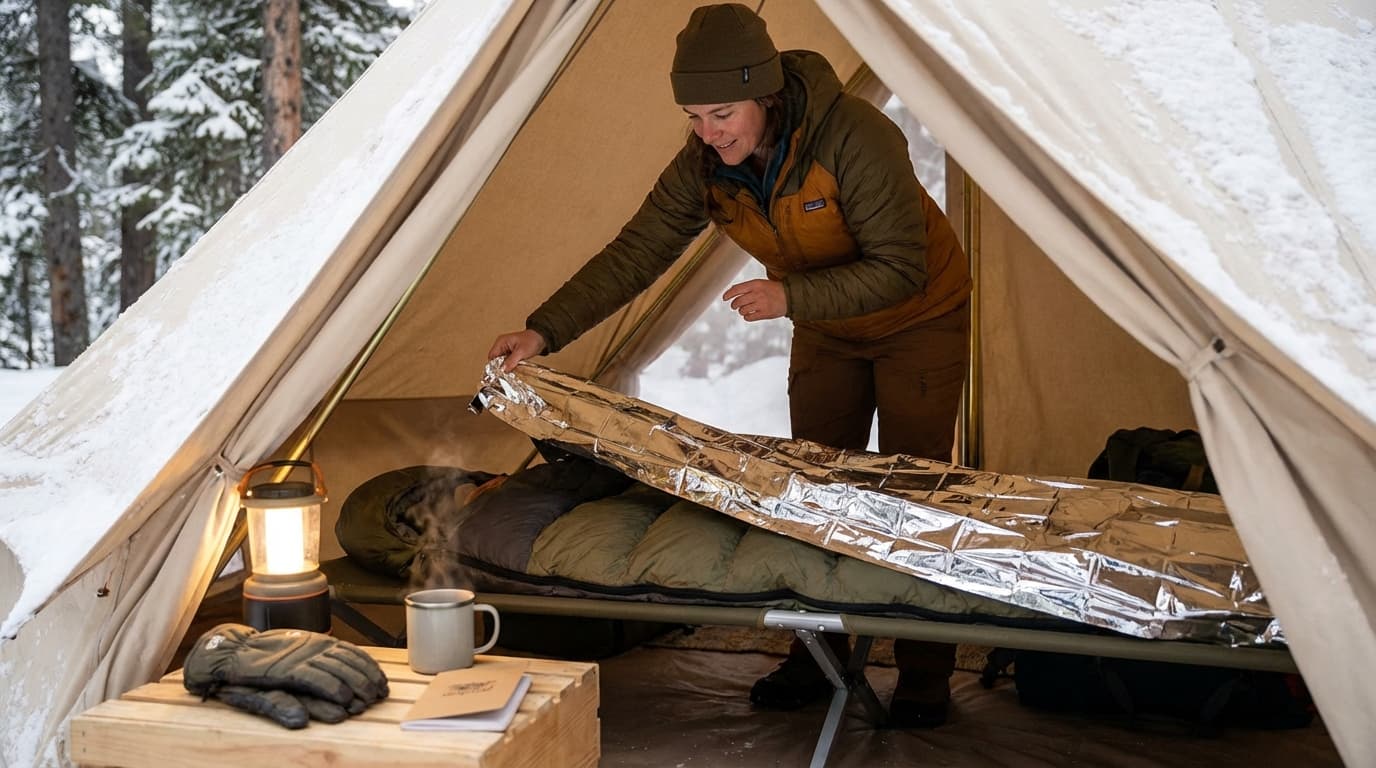
But here is the real secret that seasoned campers and viral TikTok hacks are finally highlighting: it is not just about wrapping yourself like a burrito. Think about the last time you felt a chill seeping up through your tent floor. The ground is a notorious heat thief. Experts often say one layer of insulation beneath you is worth five on top. By using a space blanket as a base layer under your bedding, you create a thermal barrier that stops the frozen earth from draining your warmth.
The best part is that you do not need to spend a fortune to stay safe during a winter trek. Whether you are using it to line a tent or even to protect your phone battery from the cold, these blankets offer massive peace of mind for the price of a coffee. It is a simple, versatile tool that proves you can stay toasty without a high-end gear budget. What is stopping you from adding one to your pack?
Key insights:
Mylar reflects nearly all radiated body heat, making it a high-performance survival tool.
Using a space blanket as a ground barrier is more effective than using it as a simple cover.
The Rule of 3s highlights that maintaining body temperature is a much higher priority than finding food or water.
The Golden Rule of Warmth: It Is All About What Is Under You
Have you ever piled four blankets on top of yourself while camping, only to still feel a bone-deep chill? It is a common mistake. We often focus so much on what covers us that we forget about the cold, hard ground waiting to steal every bit of warmth we produce. In the world of outdoor survival, there is a saying that one layer beneath you is worth five on top. This is not just an old wives' tale; it is a fundamental rule of heat management. When you lie down, your body weight compresses the fluffy insulation in your sleeping bag, leaving almost nothing between you and the frozen earth.
The science here is simple but brutal: conduction. Heat always moves from a warm object to a cold one. Without a solid barrier, the ground acts like a giant heat sink, pulling warmth right out of your body. This is why shelter is so critical. According to the survival rule of 3s, you can only last about three hours in extreme conditions without proper shelter. By focusing on your floor setup, you are not just making things cozy; you are creating a literal life-saving barrier.
This brings us to a specific trick that recently went viral on social media, racking up over 500,000 views. People are calling it a game-changing bedding hack, and for once, the hype is real. The trick involves layering a Mylar space blanket between your sleeping pad and the tent floor. While Mylar was originally developed by NASA to protect spacecraft, it turns out it works just as well for a weekend in the woods. By placing that shiny sheet under your pad, you create a radiant barrier that reflects up to 95% of your body heat back up toward you.
Most standard emergency blankets are about 12 microns thick, but even that thin sheet makes a massive difference. If you want something more durable, you can find specialized versions around 24 microns. When you slide one of these under your sleeping pad, the result feels almost like a heated floor. It stops the ground from drinking your warmth and forces that energy to stay inside your sleep system. It is a cheap, lightweight upgrade that turns a shivering night into a restful one, proving that sometimes the best gear is the stuff you already have in your emergency kit.
Key insights:
Insulation beneath your body is significantly more effective than adding extra layers on top.
Mylar reflects up to 95% of radiated body heat, making it a powerful barrier against cold ground.
Standard emergency blankets are 12 microns thick, while heavy-duty versions reach 24 microns for better durability.
The TikTok Bedding Hack That Actually Works
Have you seen that viral clip with over 500,000 views showing a shiny sheet tucked under a camping mattress? It might look like just another social media trend, but there is serious science behind why this TikTok bedding hack is actually worth your time. By layering a Mylar emergency blanket between your sleeping pad and the tent floor, you create a thermal barrier that stops the frozen ground from stealing your body heat all night long.
The logic is simple but effective. Mylar was originally developed by NASA for thermal control on spacecraft, and it can reflect up to 95% of radiated heat back to its source. While standard Mylar is only about 12 microns thick, it acts like a mirror for your warmth. When you place it under your pad, you are essentially building an insulated shield. Instead of the cold earth chilling your bones, your own heat bounces right back toward your sleeping bag.
Why does this matter so much? Many campers make the mistake of piling blankets on top, but experienced hikers know that one layer beneath you is worth five on top. This setup creates a sensation similar to a heated floor, making your winter tent setup feel far more luxurious than it actually is. It is a lightweight, inexpensive trick that turns a basic survival tool into a game-changer for a comfortable night under the stars.
Key insights:
Placing insulation beneath the body is more effective than adding layers on top.
NASA-developed Mylar reflects nearly all radiated body heat back to the camper.
A simple emergency blanket can mimic the effect of a heated floor in a tent.
Space Blanket Hacks: Turning Your Tent Into a Giant Thermos
Ever wonder why those crinkly silver sheets are in almost every survival kit? It is not just for emergencies. In the world of survival, the Rule of 3s reminds us that a human can only last about three hours without shelter in extreme conditions. When you are winter camping, your tent is essentially just a thin nylon shell that lets heat escape into the night. By lining the inside with Mylar, you can turn that shell into a giant thermos. This material was actually designed by NASA for spacecraft thermal control, and it can reflect up to 95% of your radiated body heat right back at you. Instead of that warmth vanishing, it stays inside where you need it most.
To make this hack work, you will need some duct tape and a little bit of patience. Taping the blankets to the ceiling and upper walls creates a reflective cocoon that traps rising heat. But there is a catch you should watch for. If you seal the tent too tightly, you will run into the greenhouse effect. Your breath creates a lot of moisture, and without proper airflow, that moisture will hit the cold Mylar and turn into condensation. You do not want to wake up in a puddle, so make sure to keep a small vent open to let the damp air out. It is all about finding that balance between trapping warmth and staying dry.
Here is a trick that many campers miss: put a layer of Mylar under your sleeping pad. In first aid training, experts often say that one layer beneath you is worth five on top. The cold ground is like a giant sponge that sucks the warmth straight out of your body through conduction. Sliding a space blanket under your bedding creates a barrier that stops this heat loss. It is a simple move that makes a massive difference in how well you sleep when the temperature drops. Even social media has caught on to this, with some camping hack videos reaching over 500,000 views because the results are so noticeable.
Sometimes the best defense is an exterior shield. You can use these blankets on the outside of your tent setup to manage the elements before they even reach your sleeping bag. If the sun is beating down during the day, flip the shiny side out to keep the interior from overheating. At night, you can set one up as a windbreak. If you have a campfire nearby, position a blanket so it catches the fire's heat and bounces it toward your shelter. It acts like a giant mirror for warmth, which is especially helpful in deep winter conditions where every degree counts.
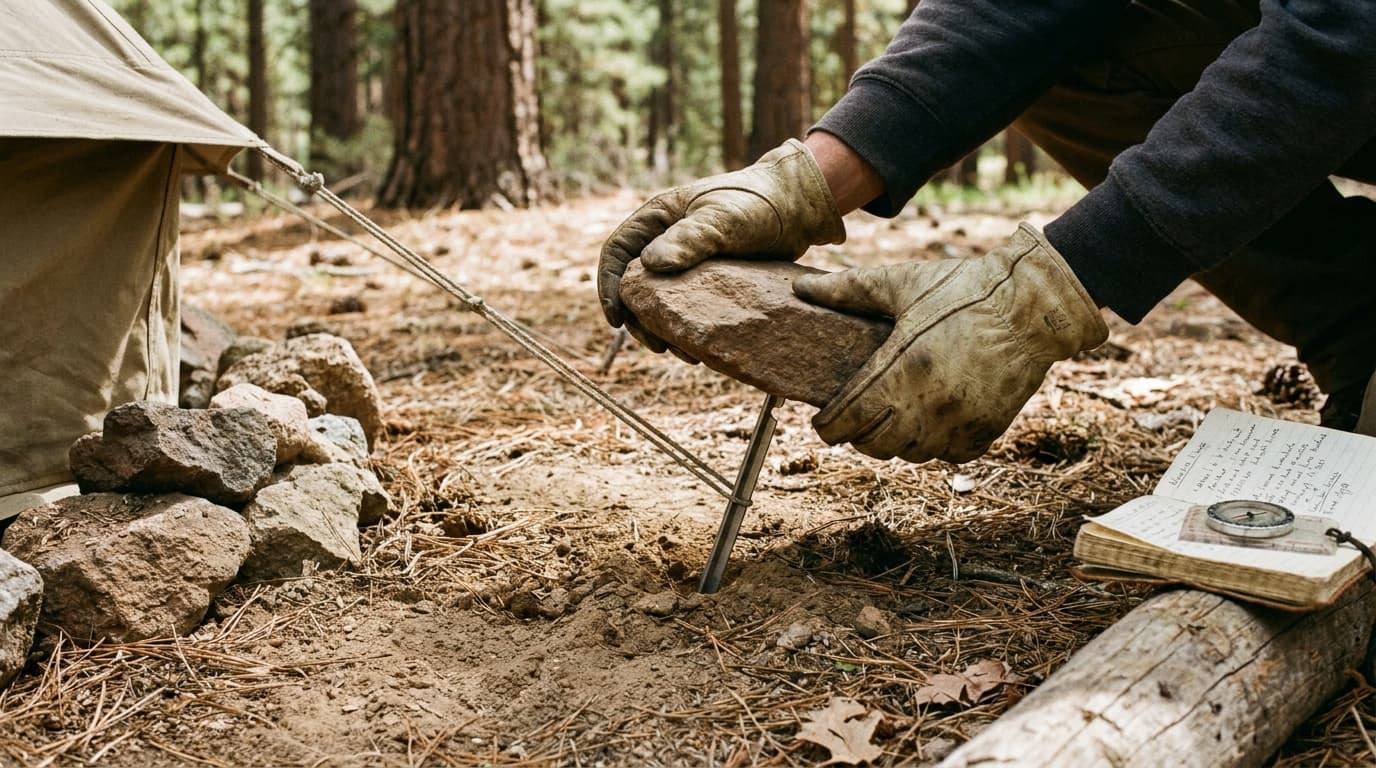
Just keep in mind that standard Mylar is incredibly thin, usually only about 12 microns thick. If you can find specialized HeatFlex versions, they are about 24 microns and much more durable. Standard material has high tensile strength when you pull it, but it punctures easily. In high winds, a loose blanket will shred or sound like a loud, crinkling bag of chips. Use clips or heavy-duty tape to secure it tightly against your tent poles. This keeps the material quiet and ensures it stays in place when the winter gusts start howling around your campsite.
Key insights:
Insulation beneath your body is often more effective than layers on top because the ground pulls heat away quickly.
Mylar is a dual-purpose tool that can reflect campfire heat toward you or bounce harsh sunlight away from your tent.
Always leave a small gap for ventilation to avoid the condensation that naturally builds up on non-breathable Mylar surfaces.
Standard space blankets are fragile, so consider thicker 24-micron versions for long-term winter setups.
Winter Tent Setup: The Exterior Shield
Imagine standing in the freezing wind, knowing you only have about three hours before the cold becomes a serious threat to your survival. This is where a bit of NASA-inspired tech saves the day. Originally built for spacecraft thermal control, Mylar is an ultra-thin shield that reflects up to 95% of heat. But on your tent, it is more than just a blanket. It acts as your exterior armor.
During the day, you can actually flip the script. If the sun is hitting your tent too hard, use the blanket as a sunshade to bounce those rays away and keep the interior from turning into a greenhouse. But when night falls, you want that shiny side facing your campfire. By setting it up as a windbreak, you create a mirror that catches the fire warmth and pushes it right back into your shelter.
Since standard Mylar is only 12 microns thick, which is about half the size of specialized HeatFlex versions, you have to be smart about securing it. Don't just drape it. Clip it tight so the winter gusts don't turn your heat shield into a noisy kite. It is a simple trick, but it makes the difference between a restless, shivering night and a solid sleep.
Key insights:
Mylar reflects up to 95% of radiated heat and was originally designed for spacecraft.
The material can be used to repel sun during the day or reflect campfire heat at night.
Standard 12-micron blankets require tight securing to prevent damage from winter winds.
From NASA to the Trail: Understanding Your Gear
Did you know that the shiny blanket in your emergency kit started its life on the outside of spacecraft? NASA originally developed Mylar for thermal control in the vacuum of space, but it turns out that what works for a satellite works just as well for a shivering hiker. In the survival world, we often talk about the Rule of 3s, which warns us that you might only have three hours to find shelter in extreme conditions. This makes your choice of gear a literal life saver rather than just a convenience. When you are out on the trail, that thin sheet of plastic is often the only thing standing between you and the elements.
When you look at your options, you will usually see standard 12-micron Mylar and heavy duty HeatFlex, which is twice as thick at 24 microns. Think of it like the difference between a flimsy sandwich bag and a sturdy freezer bag. While both reflect up to 95% of your radiated body heat, the thicker material is much harder to tear when the wind starts howling. This matters because while Mylar is great at reflecting heat, it punctures easily. But here is a neat trick. If you twist the material into a rope, its tensile strength increases enough to help you lash together a sturdy emergency shelter or even create a makeshift cord in a pinch.
There is a famous camping hack floating around social media that shows people lining their tent floors with these blankets. It might look like a strange DIY project, but the science is solid. First aid experts often point out that one layer of insulation beneath you is worth five layers on top. Because the cold ground pulls heat away from your body so quickly, using a space blanket as a base layer creates a vital thermal barrier. It is also a multi-tool in disguise. You can use it to signal for help, collect rainwater, or even wrap your phone to keep the battery from dying in the freezing cold. Whether you are reflecting a campfire or blocking the sun, it is all about mastering that radiant heat.
Key insights:
Mylar was built for space but excels at reflecting 95% of human body heat back to the source.
The ground is your biggest enemy in the cold, so prioritize insulation underneath your sleeping bag.
Twisting Mylar into cordage dramatically increases its strength for building emergency shelters.
More Than Just a Blanket: Clever Survival Uses
Think of a space blanket as a piece of NASA technology you can fit in your pocket. While most people see a crinkly emergency tool, smart hikers see a multi-tool for the winter woods. Have you ever pulled out your phone for a photo only to find the battery died from the chill? Wrapping your electronics in a bit of Mylar can save your battery from that winter drain. It’s not just for keeping you warm; it’s about keeping your gear functional when the temperature drops.
The science behind it is simple but powerful. Standard Mylar is only about 12 microns thick, yet it reflects up to 95% of your radiated body heat back to you. You can also use this to your advantage with food. If you are bringing a cooler, lining it with a space blanket keeps your snacks from turning into ice blocks in the car. If things get really dicey, that same shiny surface works as a high-visibility signal for rescue teams or even a makeshift basin to collect rainwater.
When it comes to building a survival shelter, the clock is always ticking. The survival Rule of 3s reminds us that you might only have three hours to find shelter in extreme conditions. A quick-build lean-to using some cordage and a Mylar sheet can create a life-saving microclimate in minutes. It’s about creating a barrier between you and the elements before your core temperature starts to dip. Every hiker needs one of these in their pocket because they are light enough to forget until you absolutely need them.
If you find yourself stuck without a tent, the burrito wrap technique is your best friend. By wrapping the blanket tightly around your body, you trap a layer of warm air and reflect nearly all your heat back to your skin. It is the fastest way to stop heat loss and can even be used to keep a pet warm if they start shivering on the trail. Because Mylar is so thin, it is easy to pack, but its high tensile strength means you can even twist it into cordage if your rope breaks.
Here is something most people get wrong: they worry about the air when they should worry about the dirt. First aid pros often say that one layer beneath you is worth five on top. The cold ground will pull heat out of your body much faster than the air will. Using a space blanket as a base layer in your tent or under your sleeping pad creates a thermal barrier. This hack has been blowing up on social media lately because it is such a simple way to stay toasty when you are camping on frozen ground.
Key insights:
Mylar reflects up to 95% of heat, making it effective for both personal warmth and protecting electronics from battery drain.
The Rule of 3s highlights that shelter is a top priority, and Mylar allows for rapid construction of emergency lean-tos.
Insulating the ground is five times more effective for heat retention than focusing solely on top layers.
Beyond warmth, space blankets serve as tools for water collection, emergency signaling, and cooler insulation.
The Emergency Shelter Warmth Checklist
Think about the survival Rule of 3s. You can last weeks without food, but in extreme conditions, you only have three hours without shelter. That is why a tiny, 12-micron sheet of Mylar is vital. Originally made by NASA for spacecraft, this thin material reflects 95 percent of your body heat. It is small enough for a pocket but powerful enough to keep you alive when the mercury drops.
For a quick setup, use cordage to build a Mylar lean-to. If you need heat right away, try the burrito wrap method to lock in every bit of warmth. Here is the secret: one layer underneath you is worth five on top. Because the cold ground steals your heat faster than the air, using a space blanket as a floor liner is the best way to stay warm. Even a simple TikTok hack showing this reached half a million people because keeping your body off the cold ground is a total game changer.
This is not just for you. Beyond warmth, you can use Mylar for signaling or even making emergency rope. It is a multi-tool that weighs almost nothing. As the experts say, the best classroom has no walls, but staying safe means being prepared for whatever the weather throws at you and your favorite four-legged explorers.
Key insights:
Mylar reflects up to 95% of radiated body heat back to the source.
Insulation beneath the body is more critical than insulation on top.
Standard Mylar is only 12 microns thick, making it highly portable for any hiker.
Common Mistakes: How Not to Use Your Space Blanket
Ever tried sleeping inside a giant potato chip bag? That is exactly what using a space blanket can feel like if you are not careful. While these shiny sheets are famous for reflecting up to 95% of your body heat, they are also incredibly loud. If you just wrap yourself up and hope for the best, every toss and turn will sound like a drum solo. To keep things quiet, try sandwiching the Mylar between other layers of fabric or using it as a reflective lining for your shelter instead of a primary blanket. It helps to remember that these were originally built by NASA for spacecraft, not for cozy pajamas, so they need a little bit of tactical handling to work for humans.
One mistake that catches almost everyone off guard is putting the blanket directly against your skin. Because Mylar does not breathe, moisture from your body gets trapped immediately. This creates a layer of sweat that eventually makes you damp and much colder once the temperature drops. Also, do not forget that the ground is your biggest heat thief. You might have seen that viral TikTok with over 500,000 views about bedding hacks, and the advice in the comments was spot on: one layer underneath you is worth five on top. Using your blanket as a floor barrier is often way more effective than wearing it like a cape.
Finally, pay attention to the wear and tear. Standard Mylar is only about 12 microns thick, which is thinner than a strand of human hair. While it is surprisingly strong when you twist it into a rope, it punctures easily on rocks or twigs. If you see small holes, you can usually patch them with tape, but if the reflective coating is flaking off, the blanket is done. Considering the survival Rule of 3s says you only have about three hours to find shelter in extreme cold, you do not want to rely on a damaged kit. If your gear is looking thin, upgrade to a 24-micron version for better durability on your next trip.
Key insights:
Avoid direct skin contact to prevent condensation and dampness.
Prioritize ground insulation because one layer beneath you provides more warmth than five layers on top.
Standard 12-micron blankets are fragile, so check for flaking or tears before every trip.
Layer Mylar between blankets or sleeping bags to muffle the crinkling noise.
Frequently Asked Questions
Yes, they definitely work, but you have to use them the right way to see a real difference. These blankets are made of a special material called Mylar that was originally designed by NASA. It works by reflecting up to 95% of your body heat back to you instead of letting it escape into the air.
But here is the thing that many people miss: they do not provide much padding. A common trick that is popular on social media involves using them as a base layer on your tent floor. Because the ground is usually what makes you coldest, putting a reflective blanket under your bedding creates a barrier that keeps you way warmer than just wrapping up in one.
You always want the shiny silver side facing toward your body. That silver surface is what does all the work by reflecting your radiant heat back to your skin. If you put the dull side toward you, the blanket will not be nearly as effective at keeping you warm.
Think of it like a mirror for your warmth. While the material is very thin, it is incredibly strong when you twist it, and its main job is to bounce heat back to the source. Just remember that the silver side stays in for warmth, but if you were trying to stay cool under a hot sun, you would point the silver side out to reflect the sun away.
The best way to quiet that crinkling sound is to pre-soften the blanket before you head out. You just need to crumple the blanket into a tight ball and then smooth it out a few times. This breaks down the stiffness of the thin material so it doesn't make a loud crackling noise every time you shift in your sleep.
Another trick is to use it as a base layer rather than a top cover. If you tuck it under your sleeping pad or use it as a tent floor liner, the weight of your body keeps it flat and still. Since it's only about 12 microns thick, it is very sensitive to air movement, so keeping it sandwiched between other gear really helps.
You can definitely reuse it as long as the material hasn't been punctured or badly torn. Even if it is a bit wrinkled, it will still reflect up to 95 percent of your heat just like it did the first time. But you should know that folding it back into that tiny original package is almost impossible once it's been opened.
Because Mylar is prone to tearing once it has a small nick, many people prefer to repurpose their used blankets for less critical tasks. You might use a used one to line a cooler to keep food warm or wrap it around your phone to keep the battery from draining in the winter cold. If you need it for a real emergency kit, it is usually better to start with a fresh, factory-folded one.
Conclusion
So, what is the bottom line on these shiny sheets of plastic? It turns out that a little bit of NASA tech goes a long way when you are trying to stay warm in the woods. By mastering a few simple outdoor hacks and tricks, you can learn how to insulate a tent without carrying a mountain of heavy gear. Whether you are using space blanket hacks to line your floor or building a winter tent setup that reflects heat back at you, the real secret is understanding that warmth is about smart reflection, not just thick layers.
Your next move is simple. Toss a few of these into your pack and try out the layering trick on your next trip. It is a low-cost way to get emergency shelter warmth without the bulk. Even if you are just camping in the backyard to test your gear, you will notice the difference immediately.
Winter camping does not have to be a test of endurance. With these survival blanket uses in your toolkit, you can spend less time shivering and more time enjoying the quiet of the snow. Grab some Mylar, grab your gear, and go stay toasty.
Every WilderReady guide is researched, written, and fact-checked in-house against trusted references such as the American Red Cross, the National Park Service, and the CDC before it goes live. We publish under this shared byline instead of invented personas, so you always know who stands behind the guidance you are reading.