Snowed In? How to Keep Your Cool (and Stay Warm) if Your Car Gets Stranded
Imagine driving home through a light flurry when, suddenly, the road vanishes into a wall of white. It happens faster than you'd think, turning a routine commute into a high-stakes...
Snowed In? How to Keep Your Cool (and Stay Warm) if Your Car Gets Stranded
Imagine driving home through a light flurry when, suddenly, the road vanishes into a wall of white. It happens faster than you'd think, turning a routine commute into a high-stakes waiting game where 'it won't happen to me' is a dangerous mindset to have.
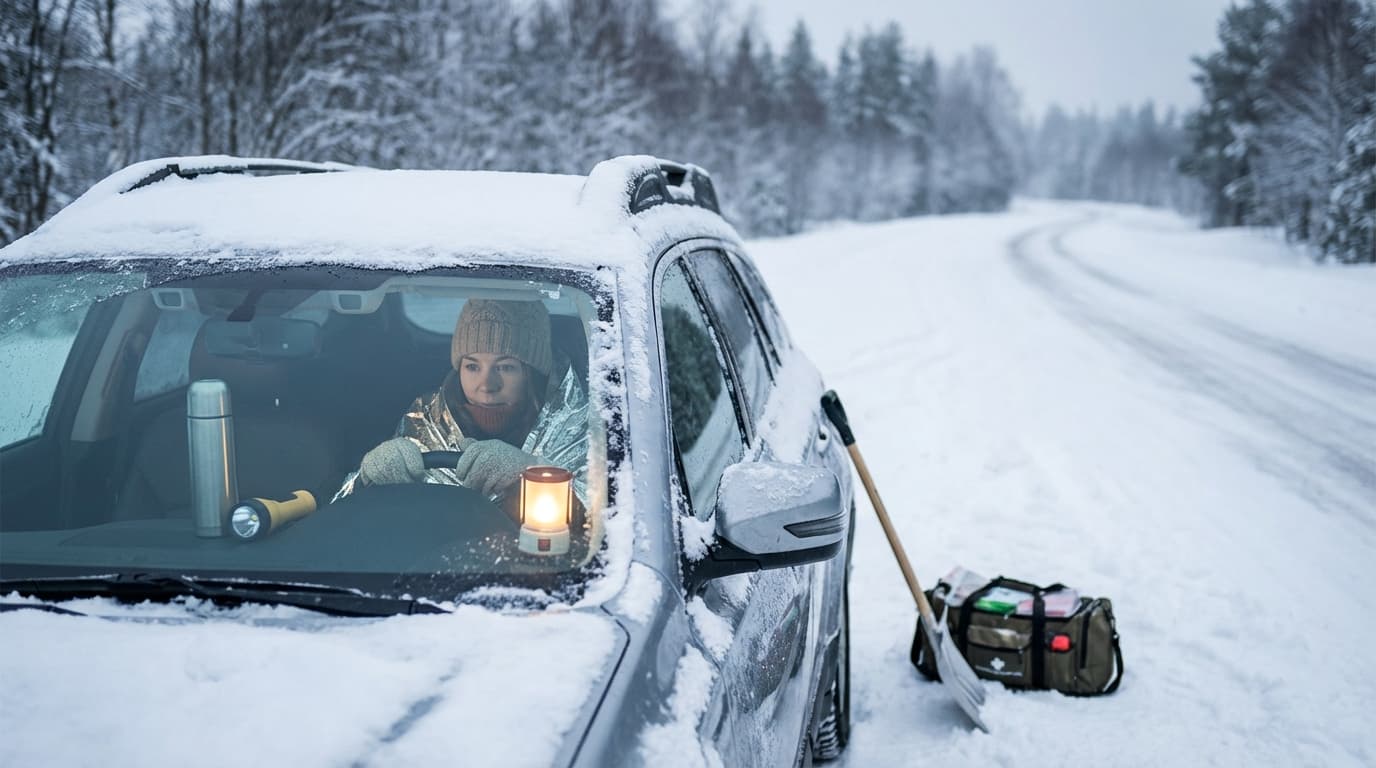
If you find yourself stuck, your vehicle is actually your best shelter, but you need the right tools to make it through. Knowing how to pack a winter car survival kit and how to stay warm in a stranded car can be the difference between a chilly night and a life-threatening emergency.
We're going to walk through blizzard survival tips that keep you safe, from managing emergency vehicle heating to the life-saving basics of carbon monoxide safety in snow. You'll learn why your backseat is better than your trunk and how to stay hydrated when everything around you is frozen solid.
Introduction: When the Winter Wonderland Turns Into a Waiting Game
Imagine driving through light flurries when, suddenly, you can't see your own hood. Blizzard conditions hit with terrifying speed. Most people think they will just call for help or walk to safety, but that "it won't happen to me" mindset is dangerous. When a whiteout strikes, your car stops being just a ride and becomes your primary shelter.
The first rule is to stay with your vehicle. You just need to manage your resources like a pro. This means running the engine for only ten or fifteen minutes every hour to stay warm while saving fuel and battery life. Before you turn the key, always check that the tailpipe is clear of snow and keep a window cracked to prevent carbon monoxide poisoning.
We will cover everything from heating hacks to the "backseat rule" for your gear. Why the back seat? Because trunk locks often freeze shut in extreme cold. Having a metal cup to melt snow for water and knowing these blizzard survival tips can turn a scary situation into a waiting game you are prepared to win.
Key insights:
Your car is your safest shelter during a blizzard, so never leave it to find help on foot.
Resource management, like timing your engine use, is the key to staying warm without running out of gas.
Keep your emergency kit in the cabin because frozen trunk locks can leave your supplies unreachable.
The Golden Rule: Why You Should Almost Always Stay With Your Car
Picture this: the wind is howling, the snow is blinding, and you can barely see the hood of your car. Your first instinct might be to start walking toward where you think the nearest town is. Don't. In a whiteout, you can lose your sense of direction in seconds, and once you step away from your vehicle, you become nearly invisible to rescuers. Your car is a massive, metallic beacon that is much easier to spot from the air or the road than a lone person wandering through a drift. Staying put is the single most important decision you can make.
Survival in a stranded car is a game of patience and resource management. You should only run your engine for about 10 to 15 minutes every hour to keep the cabin warm. This rhythm stretches your fuel and keeps your battery from dying. But there is a catch. Before you turn that key, you must make sure your tailpipe is clear of snow. If it is blocked, carbon monoxide can leak into the cabin, which is a silent and deadly threat. Crack a window just a tiny bit to keep fresh air moving, even if it feels like you are letting the cold in.
Now, think about where you keep your gear. If your survival kit is buried in the trunk, you might be in trouble. In extreme cold, trunk locks often jam or freeze solid, turning your supplies into a locked vault you can't reach. Move your essentials to the backseat instead. You want to be able to grab your blankets and snacks without ever opening a door and losing your precious heat. Pack your gear in small, modular bags that fit under the seats so you don't lose legroom but still have everything within arm's reach.
The tools you choose matter just as much as where you put them. For example, don't rely on a plastic water bottle to stay hydrated. Most plastic will freeze and crack, leaving you with no way to drink. A simple metal cup or a tin can is a lifesaver because it allows you to melt snow over a small heat source. It is these small, practical choices that make the difference between a manageable situation and a dangerous one.
The hardest part of being stranded is often the mental game. You will feel a desperate urge to 'do something' or move, but staying with the vehicle is your best bet. Keep your mind busy, stay hydrated, and remember that your car is your primary shelter. It is built to protect you, so let it do its job while you wait for the storm to pass.
Key insights:
Frozen trunk locks are a common failure point; keep survival kits in the passenger cabin.
The 10-minute engine rule balances warmth with fuel conservation and battery health.
Carbon monoxide prevention requires a clear tailpipe and a slightly cracked window.
Metal containers are essential for melting snow into drinking water when plastic freezes.
Why Your Trunk is the Worst Place for Your Survival Kit
Imagine you are stuck in a blizzard and need your shovel or a warm blanket. You hop out, trudge to the back of the car, and realize the trunk lock is frozen solid. It is a common nightmare that turns a bad situation into a real crisis. The Wisconsin Department of Transportation actually suggests keeping your survival kit in the back seat for this exact reason. When the temperature drops, a jammed trunk can cut you off from your most vital gear when you need it most.
You also want your essentials within arm's reach. If you are hunkered down to stay warm, you should not have to open a door and let all that precious heat escape just to grab a flashlight or a metal cup to melt snow. Keeping these items inside the cabin means you stay warmer and safer. It also helps you manage your resources better, like when you need to run the engine for only ten minutes an hour to save fuel and battery life.
If you are worried about losing legroom, try modular packing. Use smaller, soft-sided bags that tuck under seats instead of one giant plastic bin. This keeps the car organized and ensures you can reach every tool without ever stepping into the biting wind. It is a simple shift in strategy that makes a huge difference in a survival scenario.
Key insights:
Trunk locks often freeze or jam in extreme cold, making the back seat a much safer storage spot for gear.
Keeping supplies in the cabin prevents heat loss since you do not have to open doors to reach your kit.
Small, modular bags fit under seats to save passenger space while keeping tools accessible.
Staying Warm Without Burning Through Your Fuel
Imagine you are sitting there as the temperature drops and the snow piles up. Your first instinct is probably to crank the heat and leave it running until the tank hits empty. But that is a trap. If you idle all night, you will likely wake up to a dead car and a freezing cabin by morning. Instead, try the 15-minute rule. Run your engine for only about 10 or 15 minutes every hour. This gives you enough of a heat boost to stay safe without draining your battery or burning through your limited fuel supply. It is all about balance.
When the engine is off, you have to become your own heater. Think of your car interior as a giant puzzle of insulation. Grab those floor mats and wrap them around your legs or torso. If you can, use any spare maps or even pieces of the car upholstery to create layers. Every bit of padding between you and the cold metal helps keep your body heat where it belongs. It might look a little messy, but staying warm is much more important than keeping the car tidy right now.
While you are cycling that engine for warmth, there is a hidden danger you cannot see or smell. Carbon monoxide is a silent threat in a snowed-in car. Before you even think about turning the key, you must do a tailpipe check. If snow is blocking that pipe, the exhaust gases will back up directly into the cabin. It only takes a few minutes for things to get dangerous. Even if it feels wrong to let freezing air in, you need to crack a window just a tiny bit. That small gap provides the fresh air supply you need to stay safe while the heater is running.
Keep a close eye on how you feel. If you start feeling unusually drowsy, get a headache, or feel sick, those are major red flags for CO poisoning. Do not just shrug it off as being tired from the stress. If you suspect something is wrong, shut the engine off immediately and try to get fresh air. Staying alert is just as vital as staying warm during a blizzard. Also, remember that your gear needs to be reachable. If your survival kit is in the trunk, it might as well be on the moon if the locks freeze shut. Keep your supplies in the back seat instead.
If you get thirsty, do not eat raw snow because it lowers your body temperature and can lead to hypothermia. Use a metal cup or a tin can to melt it using the car's heat during your 15-minute engine cycles. Plastic containers will just freeze or crack in extreme cold, so having that metal tin is a lifesaver for staying hydrated. By managing your fuel, your heat, and your safety checks, you turn a terrifying situation into a manageable one until help arrives.
Key insights:
Run the engine for only 15 minutes per hour to conserve fuel and battery.
Always clear the tailpipe of snow before starting the car to prevent toxic fumes.
Crack a window slightly to ensure a fresh air supply while the heater is on.
Use floor mats and car materials as extra insulation to trap body heat.
Store survival kits in the back seat because trunk locks often freeze shut.
The Silent Threat: Keeping Carbon Monoxide Out of the Cabin
Imagine you’re finally starting to feel warm as the heater hums, but there is a hidden danger that has no smell or sound. Carbon monoxide is the silent threat every stranded driver must respect. Before turning that key, you have to check the back of the car. If snow blocks your tailpipe, exhaust fumes will push straight into the cabin. It only takes a few minutes for the air to become deadly in such a small space.
Then there is the cracked window paradox. It feels wrong to let freezing air in when you are fighting to stay warm, but keeping a window open just a tiny bit is a lifesaver. This gap ensures a steady supply of fresh oxygen and helps vent any fumes that might sneak in. To stay safe, only run the engine for about 10 to 15 minutes every hour. This provides enough heat to take the edge off without letting gases build up or draining your battery.
The trickiest part is recognizing the signs before it is too late. If you feel unusually drowsy, get a sudden headache, or feel nauseous, do not just assume you are tired from the stress. These are classic red flags of poisoning. If you feel off, kill the engine immediately and breathe in as much fresh air as possible. Staying alert is your best defense when the weather turns against you.
Key insights:
Always clear snow away from the tailpipe before starting the engine to prevent exhaust from entering the car.
Keep a window cracked slightly to ensure a constant flow of fresh oxygen while the heater is running.
Watch for symptoms like extreme drowsiness or headaches, which indicate dangerous carbon monoxide levels.
Hydration Hacks: Turning Snow Into Water (The Right Way)
You are thirsty, surrounded by a winter wonderland of white powder, and it seems like the easiest solution is to just grab a handful of snow. Resist that urge. Eating raw snow is actually a dangerous mistake when you are stranded. Your body has to work overtime to melt that ice, which drains your internal heat and can drop your core temperature fast. Think of it like putting an ice cube in a cup of warm tea; the tea cools down instantly. In a survival situation, you need that warmth to stay alive.
To get the water you need without the hypothermia risk, you have to melt it first. This is where your emergency kit choices really matter. If you only packed plastic bottles or containers, you are going to have a hard time. Plastic gets brittle and can crack in extreme cold, and it definitely will not handle being placed near a heat source. You need a metal cup or a simple tin can. Having a metal container allows you to turn that snow into life-saving liquid safely. It is a small detail that makes a massive difference when you are stuck.
So, how do you actually melt it? If your car is still running, you can use the residual heat from the engine block, but be careful. A better way is using a small survival candle from your kit. Just remember to crack a window slightly for fresh air and check that your tailpipe is clear of snow drifts to avoid carbon monoxide buildup. You only need to run the engine for about ten or fifteen minutes every hour to stay warm and generate enough heat for your water needs. This keeps your battery and fuel from running out while ensuring you stay hydrated and alert.
Key insights:
Eating snow directly lowers your body temperature and leads to faster dehydration because your body uses energy to melt the ice.
Metal containers are non-negotiable for melting snow because plastic containers will freeze or melt when exposed to a heat source.
Only run the engine in short bursts of ten to fifteen minutes to manage fuel while melting water and staying warm.
Getting Noticed: How to Help Rescuers Find You
Imagine you are sitting in a car surrounded by a sea of white. It is quiet, and the world feels very small. Your first job in this situation is to make sure you can be found. A common mistake is thinking your headlights are the best signal. Actually, your dome light is often better at night because it uses less power and glows through the windows like a lantern. Headlights can get buried in snow or drain your battery way too fast. What does this mean for you? It means you should save the battery for the heater and use physical tools like flares or a bright piece of cloth tied to your antenna to get attention. Think of it this way: rescuers are looking for anything that does not look like a pile of snow, so that bright red scarf or orange flare is your best friend.
While you wait for help, you have to manage your resources carefully. Run your engine for only about 10 or 15 minutes every hour. This keeps the cabin warm enough without burning through all your fuel or killing the battery. Before you turn that key, check your tailpipe. If it is clogged with snow, carbon monoxide can leak inside and that is a silent killer. Crack a window just a tiny bit to keep fresh air moving. Also, remember that your survival kit should stay in the back seat. Trunk locks often freeze shut in extreme cold, and you do not want to be locked out of your own supplies. If you get thirsty, do not eat plain snow because it lowers your body temperature. Use a metal cup or a tin can to melt it first since most plastic containers will just crack or freeze.
Sometimes you can get yourself out, but you have to be smart about it. If you are stuck in a drift, try the rocking technique. Shift from forward to reverse and back again, giving it just enough gas to move but not enough to spin the tires. Spinning just creates ice and digs you in deeper. You can find extra grip by tossing some sand or gravel under the tires. If you do not have those, pull out your floor mats and shove them under the drive wheels. They might get ruined, but getting home is more important than a clean carpet. The reality is that your floor mats are much cheaper than a tow truck or a hospital stay.
The hardest part is knowing when to stop. If you have tried a few times and the car is not budging, give up on the self-rescue. Sweating in the cold is dangerous because damp clothes lead to hypothermia fast. Settle in, stay with your vehicle, and focus on staying warm. Your car is your best shelter, and rescuers will find a vehicle much easier than a person walking through a blizzard. Staying put is the primary rule for survival because it keeps you protected from the wind and gives you a dry place to wait for help. Once you decide to stay, focus on your heat and hydration until the professionals arrive.
Key insights:
The dome light is a more efficient and visible night signal than headlights.
Keep survival kits in the back seat because trunk locks often freeze shut.
Only run the engine for 15 minutes per hour to balance warmth and fuel.
Stop trying to move the car if you start sweating to avoid hypothermia.
Traction and Movement: When (and How) to Try a Self-Rescue
You feel the tires spin and that sinking feeling hits as the car settles into the snow. Before you floor the gas, remember that digging deeper makes things worse. Shove floor mats or sand under the tires for grip. Try the rocking technique by shifting between forward and reverse to build momentum. But if you are not moving after a few tries, stop.
Spinning your wheels only polishes the ice and wastes fuel. While working, always check that your tailpipe is clear of snow so carbon monoxide does not leak inside. It is also a good idea to keep your survival kit in the back seat. Trunk locks often freeze shut in extreme cold, and you need quick access to your gear.
If you are still stuck, settle in. Run the engine for only ten minutes an hour to stay warm. Use a metal cup to melt snow for water since plastic containers will freeze. Sometimes, the bravest thing you can do is stop fighting the snow and wait for help.
Key insights:
Keep your survival kit in the back seat because trunk locks can freeze shut.
Check your tailpipe often to prevent carbon monoxide poisoning while the engine runs.
Use a metal cup to melt snow; plastic containers will likely freeze or crack in extreme cold.
The Pre-Storm Checklist: Winterizing Your Ride
Have you ever looked at your car on a clear day and thought it was ready for anything? It is easy to feel confident when the sun is out, but winter weather changes the rules fast. Preparing your ride is not just about convenience or avoiding a jump start. It is about making sure your vehicle stays a safe shelter instead of a dangerous trap if things go wrong on a snowy road.
Start with the boring stuff that actually saves lives. Check your battery health and fluids like radiator coolant and windshield wash before the first flake falls. A weak battery might work fine at fifty degrees but fail completely when the temperature hits zero. Also, think about where you store your gear. Most people toss emergency kits in the trunk, but that is a mistake. If your locks freeze shut or the back of the car is buried in a snowbank, you cannot reach your supplies. Keep that survival kit in the back seat instead.
Then there is the myth about all-season tires. Many drivers think they are good enough, but they often lack the tread depth and grip needed for heavy snow. If you do get stuck, the most important rule is to stay with your vehicle. Just make sure you clear the tailpipe of snow before running the engine. If you don't, carbon monoxide can build up inside. Crack a window slightly and only run the heat for about ten or fifteen minutes every hour to save your fuel and battery.
Finally, always tell someone your route and when you expect to arrive. If no one knows where you are, no one knows where to look. Pack a metal cup or a tin can too. You cannot melt snow for drinking water in a plastic bottle without it melting or cracking. These small details might seem like extra work now, but they are exactly what keep a bad situation from becoming a disaster.
Key insights:
Store survival kits in the back seat because trunk locks often freeze or jam in extreme cold.
Only run your engine for ten minutes per hour to stay warm while preserving your fuel supply.
A metal container is essential for melting snow because eating raw snow lowers your body temperature.
All-season tires are often insufficient for heavy snow compared to dedicated winter tires.
Common Winter Survival Questions
Ever find yourself staring at a wall of white through your windshield and wondering what comes next? It is a scary thought, especially if you have your kids in the back seat. One of the biggest questions people ask is whether they should leave the car to look for help. The short answer? Don't do it. Staying with your vehicle is your best bet for survival because it is your primary shelter. If you wander off in a blizzard, you can lose your sense of direction in seconds. Plus, it is much easier for rescuers to spot a car than a person walking through a snowbank.
Where you keep your gear matters more than you might think. Many of us naturally toss emergency kits into the trunk, but here is a tip from the pros: keep that kit in the back seat instead. Why? Because extreme cold can actually freeze your trunk locks shut or jam the mechanism. If you are stuck and need your blankets or food right now, you do not want to be fighting a frozen hunk of metal. While you are at it, make sure your kit includes a metal cup or a clean tin can. Plastic containers are great for snacks, but they will crack or freeze solid. You need something metal so you can melt snow into drinking water over a small heat source.
Managing your heat is a delicate balancing act. You might be tempted to blast the heater until the gas tank hits empty, but you have to play the long game. Lisa Bedford, known as The Survival Mom, suggests running your engine for only about 10 to 15 minutes every hour. This gives you enough of a warmth boost to keep the shivers away without draining your fuel or killing your battery. But before you turn that key, you must check your tailpipe. If snow blocks the exhaust, carbon monoxide can leak into the cabin. It is a silent killer, so clear that pipe and crack a window just a tiny bit to keep fresh air moving.
What about the what ifs for your passengers? If you are traveling with pets, remember they need to stay hydrated and warm just like you. Their body heat can actually help keep the cabin temp up if you huddle together. It is also a good idea to have a physical signaling tool, like a bright cloth or a flare, because your phone battery might not last as long as the storm. Think of it this way: survival is about being the boss of your resources. You are managing a tiny ecosystem inside that car until help arrives.
Finally, let's talk about the pre-game prep. Winterizing your ride is not just a chore for your mechanic; it is your first line of defense. Check your battery health and make sure your wiper blades are not falling apart. Ensure your radiator and windshield fluids are rated for sub-zero temps. It is also smart to tell someone your exact route before you head out. If they know where you were supposed to be, they can send help to the right spot much faster. Small steps like these turn a potential disaster into a story you will tell later over hot cocoa.
Key insights:
Keep your survival kit in the back seat to avoid frozen trunk locks.
Run the engine for only 10-15 minutes per hour to save fuel and battery.
Always clear the tailpipe of snow to prevent carbon monoxide poisoning.
Use metal containers to melt snow because plastic will freeze or break.
Frequently Asked Questions
No, you definitely don't want to leave it running constantly. The best move is to run your engine for only 10 to 15 minutes every hour. This gives you enough heat to stay safe without burning through all your gas or draining your battery before help arrives.
Here's a vital safety tip: before you turn the key, make sure your tailpipe isn't buried in snow. If it's blocked, carbon monoxide can leak into the cabin, which is incredibly dangerous. Keep a window cracked just a tiny bit too, so you have a steady stream of fresh air while the heater is doing its job.
It is generally safer to stay with your car than to try and walk for help when visibility is low. Your vehicle is your best shelter against the wind and cold. But you shouldn't just curl up and drift off for hours. It's better to sleep in short bursts so you can stay on top of your heating schedule and keep an eye on the weather.
Also, try to keep your survival kit in the back seat rather than the trunk. You'll find that trunk locks often freeze shut in a blizzard, and the last thing you want is to be stuck inside the car while your blankets and snacks are trapped in the back. Stay bundled up, keep moving your arms and legs to help your circulation, and stay with the car until the storm passes.
It might seem like a small thing, but a metal cup is actually a lifesaver when you are stuck in the cold. Most plastic bottles will just freeze up or even crack when the temperature drops too low. Plus, you can't exactly put a plastic container over a small heater or flame to melt snow without it melting into a sticky mess.
Having a metal cup or even a clean tin can means you have a reliable way to turn snow into drinking water. Eating snow directly is a bad idea because it lowers your body temperature way too fast, so melting it first is the only way to stay hydrated safely.
Your car is actually your best signal, so the number one rule is to stay with your vehicle. It is much easier for a rescue crew to spot a car than a single person walking through a blizzard. If you have flares or a bright piece of cloth, use those to make the car stand out against the white snow.
You can also use mirrors or the reflective side of an emergency blanket to catch the sun during the day. Some people even use their car's interior light at night if they have enough battery power, but physical tools like flares or even a whistle are usually your best bet when your phone is dead.
The trick is to be very stingy with your fuel. You should only run your engine for about 10 or 15 minutes every hour. This is just enough time to take the edge off the cold and warm up the cabin without draining your tank or killing your battery too quickly.
While the engine is off, you need to trap as much heat as possible. Wrap yourself in blankets or extra clothes, and you can even use your car's floor mats for extra insulation. It is all about managing your resources so they last until help arrives.
It is actually better to keep your kit in the back seat. In really extreme weather, trunk locks can jam or freeze shut, which means you might not be able to get to your supplies when you need them most. If you are stuck inside the car because of heavy snow, you want everything within arm's reach.
Keeping the kit inside the cabin also keeps your items a bit warmer and drier. If you can't open the doors because of snow drifts, having your food and tools right there in the seat next to you makes a big difference.
The biggest danger is definitely carbon monoxide poisoning. Before you ever turn the key, you have to make sure your tailpipe is completely clear of snow and ice. If the exhaust is blocked, those deadly fumes will back up right into the car where you are sitting.
It is also a smart move to crack one of your windows just a tiny bit. Even if it feels like you are letting the cold in, you need that fresh air moving through the cabin to keep things safe while the heater is running.
Conclusion
Getting stranded in a storm is a test of patience as much as it is a test of gear. By keeping your winter car survival kit within reach and following the 15-minute engine rule, you can stay warm in a stranded car while keeping yourself safe from carbon monoxide. It is all about balancing your fuel and heat while staying visible to the people coming to find you.
Your next move is simple: check your backseat today. Make sure you have a metal cup for melting snow and a bright cloth for signaling rescuers. These small steps turn a scary situation into a manageable one because you already know the rules for staying safe in the snow.
Winter weather is unpredictable, but your response to it does not have to be. With a bit of preparation and the right mindset, you can stay safe and wait out the wind until the plows finally arrive.
Every WilderReady guide is researched, written, and fact-checked in-house against trusted references such as the American Red Cross, the National Park Service, and the CDC before it goes live. We publish under this shared byline instead of invented personas, so you always know who stands behind the guidance you are reading.