Outdoor Hacks & Tricks: Your Survival Essentials and Bug Out Checklist
You can stay safe in any disaster by using Outdoor Hacks & Tricks: emergency bug out bag essentials checklist, how to find water in the wild, diy fire starters for...
Outdoor Hacks & Tricks: Your Survival Essentials and Bug Out Checklist
You can stay safe in any disaster by using Outdoor Hacks & Tricks: emergency bug out bag essentials checklist, how to find water in the wild, diy fire starters for emergency survival, how to store emergency food for hiking, survival knots every beginner should learn. Most people wait for a crisis to prepare, but that is a dangerous mistake.
Since 48 percent of Americans lack basic emergency supplies, these skills are vital for anyone who loves the woods or wants to protect their family.
You will learn how to find water, make fire, and pack light for any crisis.
What Goes Into an Emergency Bug Out Bag Essentials Checklist?
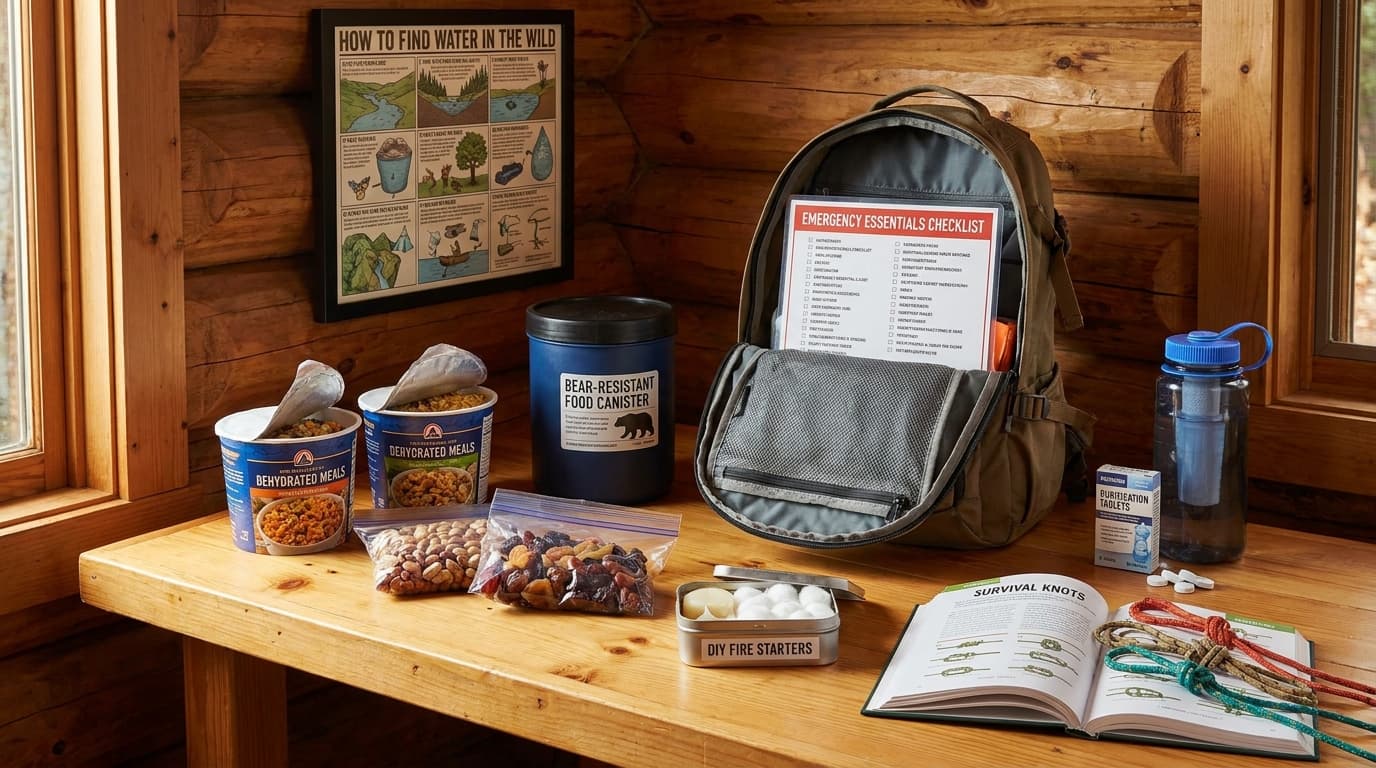
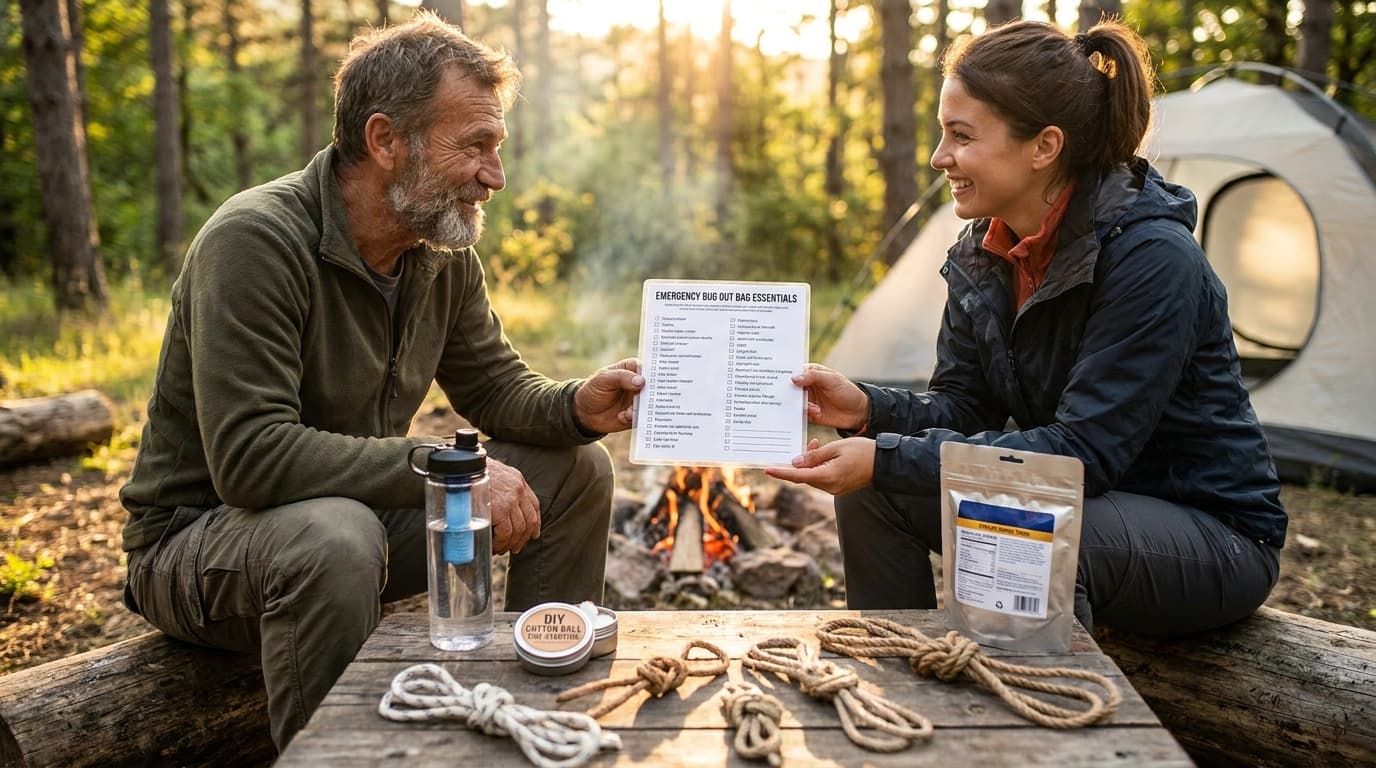
A Bug Out Bag, or BOB, is a portable kit designed to keep you alive for at least 72 hours when you have to leave home fast. It follows the Survival Rule of 3s, which reminds us that humans can typically only last three days without water. About 48 percent of Americans currently lack these basic supplies, which makes starting your kit today a top priority.
Imagine a sudden evacuation where you have only 60 seconds to grab a bag and get out. You will not have time to think about what is important, so your bag must be ready by the door. It needs to be light enough to carry but packed with essentials like a gallon of water per person and copies of your ID in waterproof containers.
Since half of all Americans take prescription meds daily, these are a critical kit component. If a senior family member needs heart medication during a power outage or a sudden move, not having it on hand becomes life-threatening. You should always keep a 7-day backup supply of all essential prescriptions inside your emergency kit to bridge the gap until help arrives.
You also need to consider technical tools for utility management. A simple wrench or pliers can help you turn off home gas and water lines during an emergency to prevent further damage. Also, include sanitation supplies like moist towelettes and plastic ties to manage personal waste when traditional systems fail.
Key insights:
Keep a 7-day backup of all essential prescriptions in your kit.
Store one gallon of water per person for each day of survival.
Pack a wrench or pliers to turn off home utilities like gas and water.
Place copies of IDs and insurance papers in waterproof, airtight containers.
Audit your bag every six months to replace expired food or medications.
Don't Forget Your Daily Medications
About half of all Americans take at least one prescription medicine every single day, making medication a top-tier survival priority. If you rely on daily pills, your bug out bag is not finished until it includes your specific health needs. During a disaster, pharmacies often close and supply chains can snap, leaving you without a way to get refills.
Imagine a major power outage hits your town during a summer heatwave. Your elderly father needs his heart medication every morning to stay safe, but the local pharmacy is dark and the roads are blocked. Instead of panicking, you simply reach into your emergency kit and pull out his backup supply. Having those pills ready turns a potential medical crisis into a manageable situation.
Key insights:
Keep a 7-day backup supply of all essential prescriptions in your emergency kit.
Store all pills in waterproof and airtight containers to keep them safe from moisture.
Rotate your backup supply every six months so the medicine stays fresh and effective.
Include a paper list of your dosages and your doctor’s phone number in case your phone dies.
How to Find Water in the Wild When Your Bottle Runs Dry
Finding water is the most urgent task if you get lost because of the survival rule of threes. While you can go weeks without food, humans can only last about three days without water before things get dangerous. To stay hydrated, you have to look for clues like low-lying valleys where moisture naturally gathers or listen for the distinct rush of a hidden creek. It is a vital skill since nearly half of all people do not have any emergency supplies ready for a disaster.
Even if the ground looks parched, patches of bright green plants often hide a spring just beneath the surface. It is also smart to watch for animal tracks or birds, as they usually lead toward a local source. But remember, finding it is only half the battle. You must treat any water you find to avoid getting sick from bacteria or parasites. This is a big deal because dehydration and illness are a bad mix when you are far from help. If you have a bug out bag, you should already have a gallon of water per person stored, but nature is your backup plan.
Imagine you are hiking a trail in a dry canyon and realize your last bottle is empty. Instead of panicking, you stop and listen. You hear a faint trickling sound coming from a cluster of willow trees tucked into a rocky crevice. By following that sound, you find a small, shaded pool. It looks clear, but you know better than to drink it straight. You pull a clean bandana from your pack to strain out the silt and sand before using your portable filter to make it safe. This simple caution prevents a bad situation from turning into a medical emergency.
Key insights:
Follow the noise of running water or watch for birds circling low over a specific area.
Head toward the lowest point in the landscape since gravity pulls water into valleys and basins.
Look for damp soil or lush, green vegetation that stands out against the drier surroundings.
Filter every drop through a cloth to remove debris before boiling it or using a chemical treatment.
Dig a small hole in a dry creek bed and wait for water to seep in if no surface water is visible.
Why DIY Fire Starters for Emergency Survival Beat Store-Bought Versions
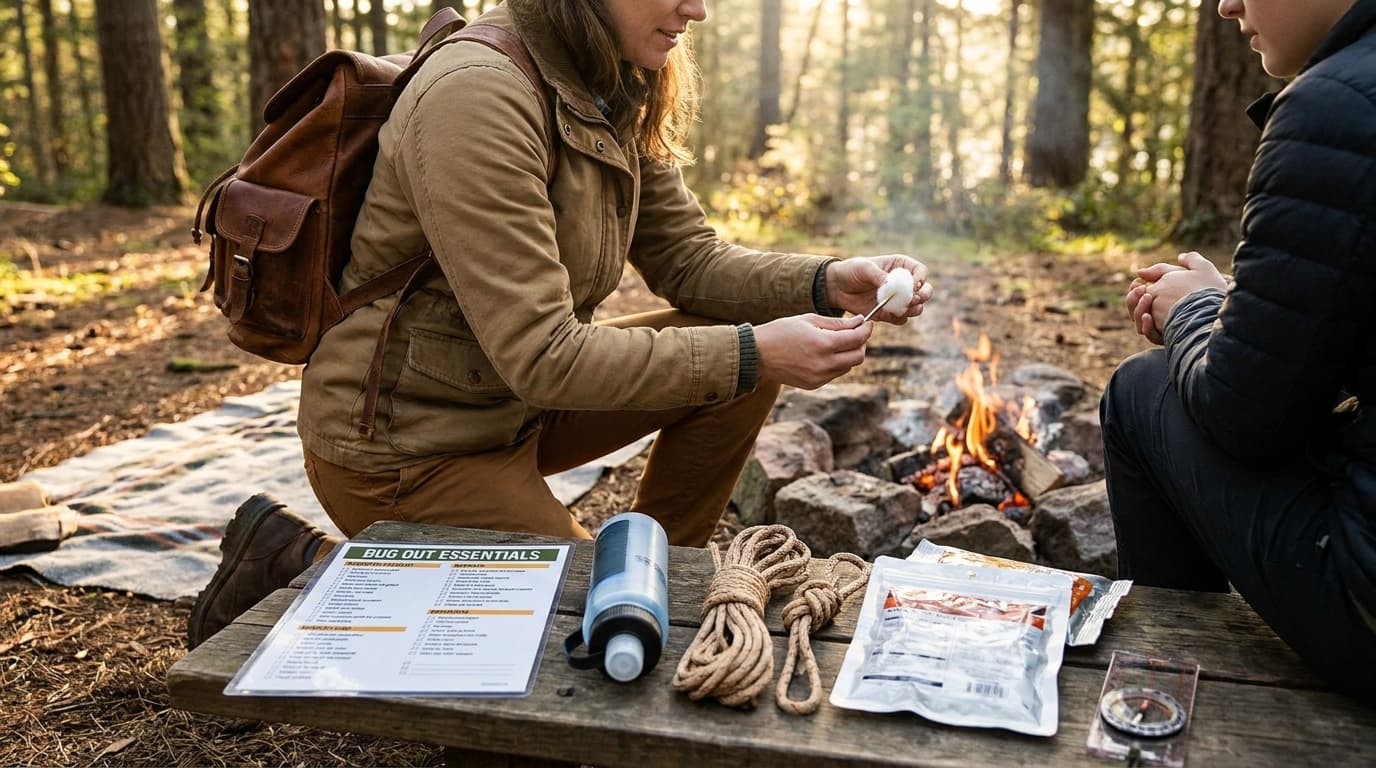
Making your own fire starters is a total game changer for your survival kit. While store-bought options are okay, they are often overpriced and can be surprisingly finicky in bad weather. By using simple household items, you can create reliable tools that burn hotter and longer for just a few cents. This matters because 48 percent of Americans currently lack basic emergency supplies for a disaster. Taking this small step helps you stay ahead of the curve and ensures you are ready for anything.
Imagine you are stuck outdoors in a sudden storm and the wind is picking up fast. You need a fire immediately to stay warm, but the wood around you is damp and cold. In this moment, a cheap store-bought match might fizzle out instantly. But if you have a DIY cotton ball soaked in petroleum jelly, it acts like a tiny candle that refuses to quit. It gives you the consistent heat needed to catch wet kindling, which is vital when you remember that humans can only survive about three hours in harsh environments without proper shelter or warmth.
These homemade versions are also much easier to pack and customize for your specific needs. Since portability is a huge deal for any bug out bag, you want items that are lightweight and will not leak in your pack. Stashing a batch of lint-based starters in a small airtight container ensures you always have a way to cook or stay warm without adding unnecessary bulk to your gear.
Key insights:
Coat cotton balls thoroughly in petroleum jelly and store them in a small plastic bag for a windproof fire source.
Stuff dryer lint into empty cardboard egg carton holes and pour melted wax over them to make sturdy, long-lasting fuel blocks.
Keep your fire starters in an airtight and lightweight container to prevent moisture from ruining your supplies.
Test your DIY creations in your backyard or a safe park before you actually need them in a real emergency situation.
The Best Ways to Store Emergency Food for Hiking and Travel
Packing for the trail means every ounce counts, but you can't skimp on calories. The trick is focusing on energy density and shrinking your supplies. Vacuum-sealing dehydrated meals is a total game changer because it removes excess air, helping you save about 40% more space in your pack compared to original store packaging. This keeps your bag lean while ensuring you have enough fuel to keep moving.
It is a necessary step when you consider that 48 percent of Americans lack emergency supplies for disaster situations. According to the Survival Rule of 3s, you can technically last three weeks without food, but your physical strength and mental clarity will tank much sooner. Storing nutrient-dense items like nuts and jerky ensures you have the stamina to handle tough environments or long miles.
Imagine you are prepping for a weekend hike that suddenly turns into a survival situation. Instead of fumbling with bulky boxes, you pull out flat, airtight pouches that you prepped months ago. Because you took the time to organize your gear into a portable Bug Out Bag, you have exactly what you need to stay fueled for at least 72 hours without the extra weight dragging you down.
Key insights:
Vacuum-seal your dehydrated meals to save space and keep them waterproof.
Pick foods with high fat and protein content, like almond butter or beef jerky.
Rotate your food stock every six months to keep everything fresh and safe to eat.
Pack daily prescription medications in a waterproof container, as about half of all Americans need them daily.
Store your food in airtight plastic bags to prevent pests and moisture from ruining your stash.
Survival Knots Every Beginner Should Learn to Secure Camp
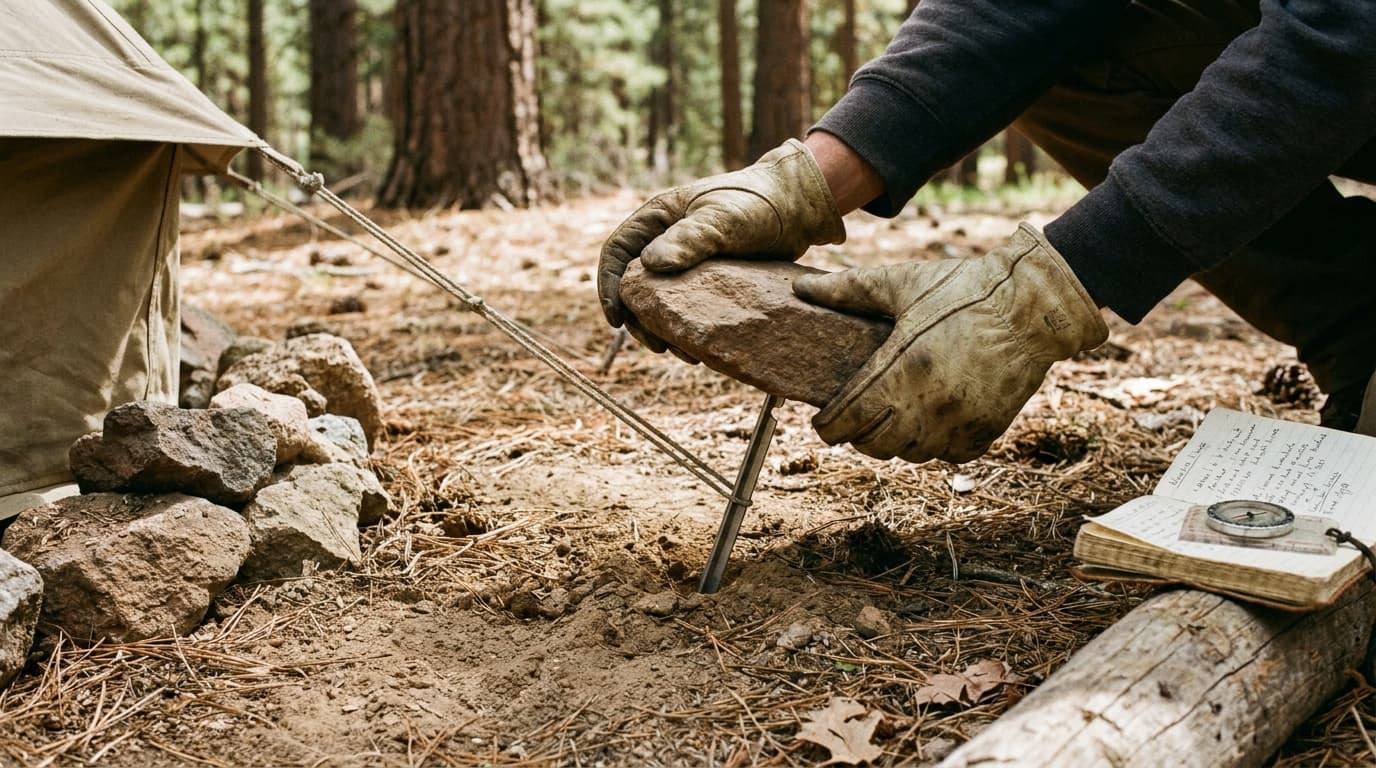
You do not need to be a sailor to survive the woods, but you definitely need to know how to tie down your gear. Basic knots provide the most utility for setting up a shelter or managing your supplies. Since the Survival Rule of 3's reminds us that we can only last three hours without shelter in harsh environments, being able to secure a tarp quickly is a literal lifesaver.
Focus on a few heavy hitters like the Bowline for a fixed loop and the Clove Hitch for securing rope to a tree. These simple tools turn a piece of cord into a functional camp setup. It is all about working smarter so you can stay dry and organized when things get messy.
Imagine you are out hiking and a heavy thunderstorm rolls in faster than expected. Your gear is out and the wind is picking up. If you cannot tie a Taut-Line Hitch to keep your rain tarp tight, you will be sitting in a puddle within minutes. This specific knot lets you adjust the tension without untying everything, which is exactly what you need when your hands are cold and the rain is pouring down.
Key insights:
Practice the Bowline and Clove Hitch at home until you can tie them with your eyes closed.
Use a Taut-Line Hitch for any line that needs adjustable tension like a tent guyline or a clothesline.
Keep a small length of paracord in your pocket to fiddle with while you are relaxing to build muscle memory.
Check your knots regularly because wind and weight can cause even good hitches to slip over time.
Common Survival Questions
Most people think survival is about buying the right gear, but nearly half of all Americans do not have any emergency supplies ready at all. The first step is knowing the difference between your kits. A bug-out bag is a portable kit designed to keep you alive for 72 hours while you move to safety, whereas a survival pantry is a stationary stock of food and water meant for staying home for weeks.
It is also important to remember the Rule of 3s: you can only last three minutes without air, three hours without shelter in harsh weather, and three days without water. Gear helps, but your mindset and practice are what actually keep you alive. If you have a fancy water filter but have never used it in the rain, it might as well be a paperweight.
Imagine a sudden flash flood or wildfire gives you only ten minutes to leave your house. For example, a family that has practiced their 'grab-and-go' routine will have their daily medications and waterproof documents ready, while others might waste those precious minutes searching for car keys or a flashlight. Being ready is a habit, not a purchase.
Key insights:
Pack at least one gallon of water per person per day for drinking and basic sanitation.
Include a 30-day supply of daily prescription medications since half of Americans rely on them.
Keep a wrench or pliers in your kit to quickly turn off home gas or water lines.
Store digital copies of insurance and IDs on a waterproof, portable drive for easy access.
Practice using your gear in the backyard so you are not reading instructions during a real crisis.
Next Steps for Your Survival Readiness
Nearly half of all Americans are currently living without any emergency supplies. This is a major risk because the "Rule of 3s" shows we can only last three hours without shelter in harsh weather or three days without water. Building a 72-hour kit ensures you aren't part of that unprepared 48 percent when a disaster hits.
Imagine a sudden storm cuts off your neighborhood's water and power for the weekend. While others are panicking at the store, you simply grab your bag and stay calm. You already have your water, food, and daily prescriptions packed and ready to go.
Getting started is easier than you think. You don't need to do everything at once; just start with one small task to build your confidence and your kit.
Key insights:
Pick one hack from this list, like making a DIY fire starter, and try it out this weekend.
Check your gear every six months to swap out old medications or expired food.
Practice your survival skills regularly so they stay sharp for a real emergency.
Pack one gallon of water per person for every day you might be stuck.
Frequently Asked Questions
While everyone loves to talk about knives and fire starters, the real answer is usually more practical. If you're part of the half of all Americans who take daily prescription medicine, then your meds are your top priority. You can't stay healthy enough to handle a crisis if you're missing a dose of something life-saving.
A good bug out bag is meant to keep you going for at least 72 hours. Think about what you'd miss most in three days. Usually, that's water, shelter, and your specific health needs. It's also worth noting that nearly half of people don't have these supplies ready yet, so even a basic kit puts you ahead of the curve.
The standard answer you'll hear from survival experts is three days. This comes from the Survival Rule of 3's, which helps you prioritize what you need to stay alive. It's a handy way to remember that water is much more urgent than food, which you can survive without for about three weeks.
Keep in mind that this window shrinks if you're in a hot area or moving a lot. Most pros suggest keeping one gallon of water for each person per day for both drinking and basic cleaning. It's better to have it and not need it than to find yourself in a tight spot after only 48 hours.
You actually can use regular household bleach to make water safe, but you have to be really careful with the details. It only takes about eight drops of unscented, plain bleach per gallon of water to kill most bacteria and viruses. Just make sure you let it sit for at least thirty minutes before you take a sip so the chemicals have time to work.
Here is the thing though: bleach does not kill everything, like certain hardy parasites, and it will not fix chemical pollution. Since the Survival Rule of 3s reminds us that humans can only last about three days without water, having a backup plan like a portable filter or boiling your water is usually a much safer bet when you are out in the woods.
You should really aim to check your kit every six months. A lot of people build a bag and then forget about it, but food expires, batteries can leak, and your personal needs might change over time. It is a good idea to set a reminder on your phone for when the seasons change, like during daylight savings, to make sure everything is still fresh and working.
Proper maintenance is just as important as the initial assembly because 48 percent of Americans lack emergency supplies entirely. When you are part of the group that is prepared, you want to make sure your gear actually works when you need it. Also, remember to swap out clothes for the current weather and check that any daily medications are still within their use-by dates.
Conclusion
Being ready for the outdoors is about more than just buying gear. It is about understanding how to use what you have, from tying a secure knot to turning a cotton ball into a fire starter. When you combine a solid emergency bug out bag essentials checklist with actual skills like finding water or packing calorie-dense food, you stop reacting to emergencies and start managing them. These outdoor hacks and tricks are not just for experts. They are for anyone who wants to stay safe when things go sideways.
The real secret is that survival is a mindset. You do not need to be a professional survivalist to prepare for a 72 hour window. You just need to be the person who took twenty minutes to audit their bag or practice a new knot. Since nearly half of people are currently unprepared, making even one small change puts you way ahead of the curve.
Your next move is simple: pick one thing from this list and try it out today. Maybe you vacuum seal some hiking snacks or look up how to find water in the wild near your local trails. Small steps build the confidence you need to handle big surprises. Stay safe out there and keep practicing.
Every WilderReady guide is researched, written, and fact-checked in-house against trusted references such as the American Red Cross, the National Park Service, and the CDC before it goes live. We publish under this shared byline instead of invented personas, so you always know who stands behind the guidance you are reading.