Lost in the Woods? How to Stay Calm and Get Home Safely
Imagine the trail you were just following suddenly vanishes into a sea of green. It is a heart-pounding moment, but your brain is actually your best piece of gear. Preparing...
Lost in the Woods? How to Stay Calm and Get Home Safely
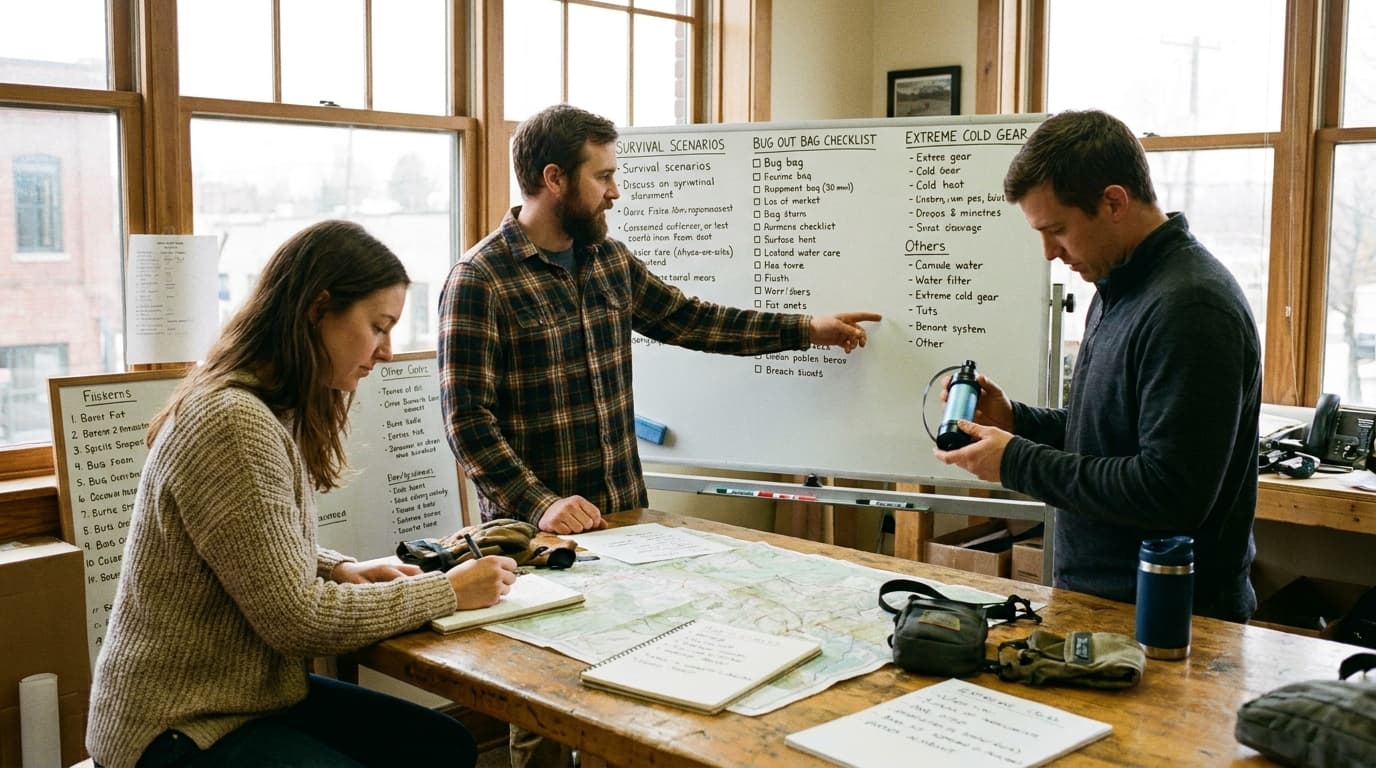
Imagine the trail you were just following suddenly vanishes into a sea of green. It is a heart-pounding moment, but your brain is actually your best piece of gear. Preparing for survival scenarios does not mean you are a doomsday prepper, it just means you are a smart hiker who knows how to handle a wrong turn.
Whether you are solo or with friends, staying calm is the difference between a scary story and a disaster. This guide breaks down the skills you need when things go sideways, like how to find water in the forest without a filter and why your minimalist survival kit checklist needs more than just a granola bar. We also look at how to use a compass and map so you do not have to rely on a phone with no bars.
You will learn the S.T.O.P. method, basic survival knots for shelters, and situational awareness for solo hikers. By the time we are done, you will have the mental tools and practical skills to stay safe and get back to your car.
The Moment You Realize You're Lost
One second you’re hiking, and the next, the trail simply isn't there. That cold spike of adrenaline is real, but your brain is actually your most important piece of gear. The US Forest Service warns that panic is your greatest enemy. When you feel that urge to blindly strike out toward where you think the path might be, you have to stop.
This is where the S.T.O.P. method comes in: Stop, Think, Observe, and Plan. It’s a standard protocol because a calm mind is the only thing that can effectively use a map or a compass. Instead of letting panic dictate your next move, sit down and breathe. You are shifting from a lost hiker to a problem solver.
Whether you are looking for diamond blazers on trees or realizing you need to stay put, survival depends on this methodical approach. Staying still is often the smartest thing you will do. They do not just bolt. They watch and wait first.
Key insights:
Your psychological state is just as important as the physical gear in your survival kit.
The S.T.O.P. method is a proven protocol used by the Boy Scouts and US Forest Service to manage emergencies.
Observation and planning must always come before movement when you are disoriented in the woods.
The First Rule of Survival: Just S.T.O.P.
You just realized the trail markers are gone. The woods feel different and your heart starts racing. Before you take another step, you need to do the hardest thing possible. You need to do absolutely nothing. This is the core of the S.T.O.P. method, a simple mental reset used by the US Forest Service and the Boy Scouts to keep people alive. It is about fighting the urge to run and instead giving your brain a chance to catch up with your situation.
S.T.O.P. stands for Stop, Think, Observe, and Plan. It sounds basic, but it works because it breaks the cycle of fear. First, you literally stop. Sit on a log and take a drink of water. Next, think about your last known location. Can you remember a specific landmark? Then, observe your surroundings for diamond blazers on trees or signs. This is where your situational awareness tips for solo hikers really matter. Finally, make a plan based on what you actually know, not what you hope is true.
The real danger is blindly striking out. It is tempting to think the trail is just over the next ridge, but experts warn that this is how hikers get deeper into trouble. If you know how to use a compass and map when lost in the woods, now is the time to check them, but only after you have calmed down. Staying put is often your best bet because it makes you easier to find. Think of it this way. A moving target is much harder for search teams to track than someone who stays in one spot.
Why is this so hard? It is because panic is your biggest enemy. When you are scared, your body dumps adrenaline into your system, which clouds your judgment and leads to fast physical exhaustion. You might start running without realizing it, which only makes things worse. To stay calm, try simple tricks like focusing on your breathing or having a snack. Since your body cannot effectively hike hard and digest food at the same time, a 30 minute rest gives you a forced window to settle your nerves and think clearly.
Remember that your mental state is just as important as your gear. The US Forest Service even says that a positive attitude is your best survival tool. If you can keep your head clear, you can solve almost any problem the woods throw at you. Swallow your pride and resist the urge to move until you have a solid plan. A calm mind sees the path, but a panicked mind sees only trees.
Key insights:
Psychological state is as vital as physical gear for survival.
The S.T.O.P. method is a standard protocol used by the US Forest Service.
The human body needs rest to digest food and think clearly simultaneously.
Staying in one place makes you significantly easier for search and rescue teams to find.
Why Panic is Your Biggest Enemy
The US Forest Service says it best: panic is your greatest enemy. When the trail vanishes, your heart races and your breathing gets shallow. This stress isn't just a feeling; it actually clouds your judgment and wears you out physically. If fear takes over, you might blindly hike deeper into the woods because you think the path is just over the next ridge. It is better to swallow your pride and stay put.
To think clearly, use the S.T.O.P. method: Stop, Think, Observe, and Plan. By simply sitting down, you lower your heart rate and let your brain return to logic. Your mental state is just as vital as any survival tool. A calm mind helps you find your way home, while a panicked one only gets you more lost.
Key insights:
Psychological state is just as important as physical gear in survival situations.
The S.T.O.P. acronym is a standard protocol used by the Boy Scouts and US Forest Service to maintain situational awareness.
Navigation 101: Why Your Phone Isn't Enough
Picture this: you are miles into the backcountry, the sun is starting to dip, and you reach for your phone to check the trail map. Instead of a helpful blue dot, you are met with a black screen or a spinning wheel that says 'No Service.' It is a sinking feeling, but it is the reality of deep forest hiking. Phones are amazing tools, but they are fragile in the wild. Batteries drain faster in the cold, and screens shatter easily on granite. This is why navigation redundancy - carrying a physical map and compass - is not just for experts; it is your only real insurance policy when the technology fails.
Before you even start walking, take a moment to look up from the trail. Do not just focus on your boots; look for anchors in the landscape. Is there a jagged peak to your left? A strangely shaped tree behind you? Orienting yourself before you move creates a mental map that lives in your head, not just in your pocket. The US Forest Service notes that your best survival tool is actually advanced planning. Knowing the general layout of the land means you are not just following a line on a screen - you are understanding the world around you and how you fit into it.
If you realize you are off-trail, the most important thing is to keep your head. Use the S.T.O.P. method: Stop, Think, Observe, and Plan. It sounds simple, but it is a proven protocol for a reason. Take a breath and sit down. If you are feeling weak, take a thirty-minute break to eat, because your body cannot effectively hike hard and digest food at the same time. A hungry brain is often a panicked brain. You have to swallow your pride and resist the urge to blindly strike out into the brush. Most people get deeper into trouble by trying to force their way back instead of pausing to make a smart plan.
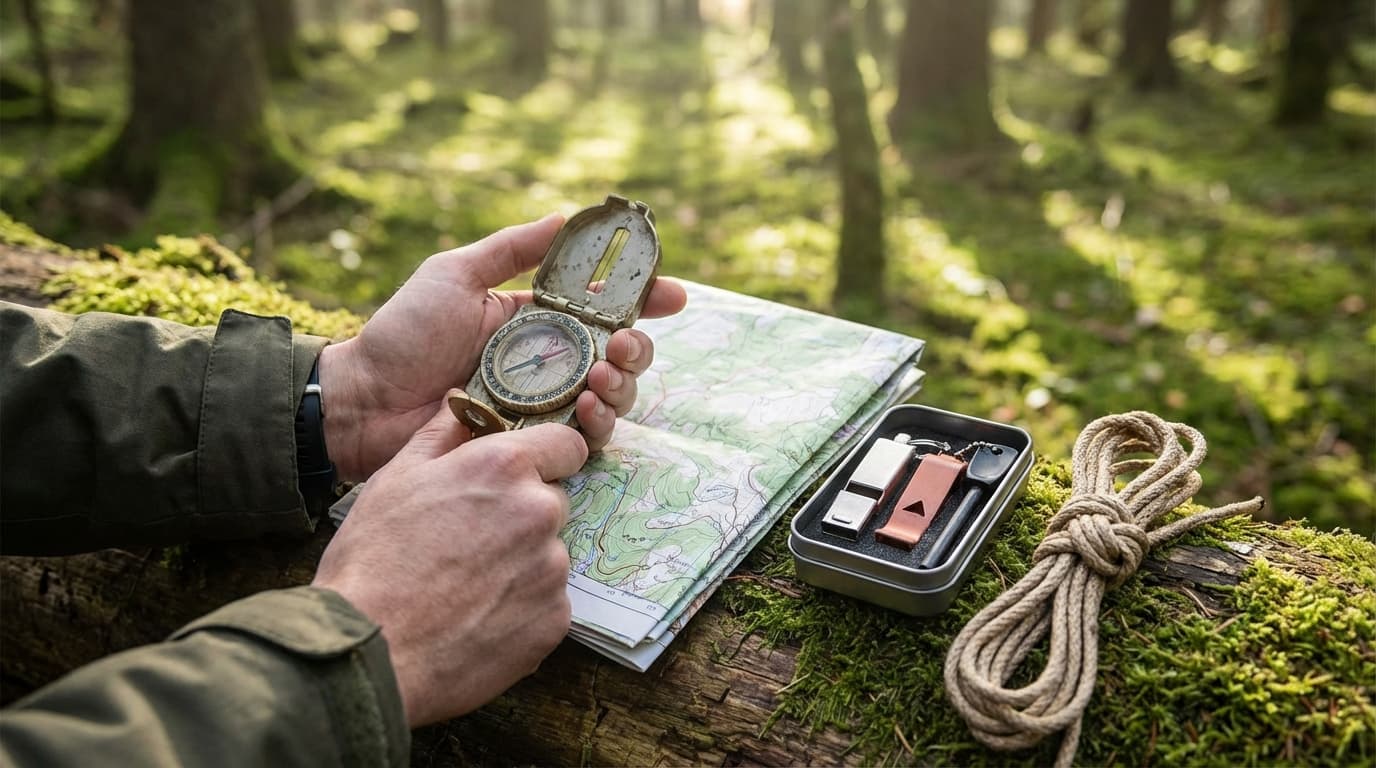
Reading a paper map and compass does not have to be a high-stress math test. Think of it as a simple conversation between the paper in your hand and the earth under your feet. The first step is basic orientation: just turn the map until the landmarks on the page line up with what you see in front of you. If the map shows a river to your right, make sure you are facing a direction where that river actually sits to your right. Once you have got that settled, you can follow a bearing, which is just a fancy way of picking a direction and sticking to it like a laser.
Following a bearing is what keeps you from doing the 'survival circle.' Humans have a weird habit of drifting toward their dominant side when they cannot see the horizon, which usually ends with them walking in a giant loop back to where they started. By using your compass to lock onto a specific degree and picking a distant tree to walk toward, you stay on a straight line. Keep an eye out for official trail markers, too - those diamond blazers on trees or signs at intersections are there to confirm you are on the right path. It is about combining the tools in your pack with the clues in the woods to find your way home safely.
Key insights:
Electronic devices are secondary tools because they rely on batteries and signals that often fail in deep wilderness.
The S.T.O.P. method is a critical psychological tool used to prevent panic-driven mistakes.
Physical landmarks provide a mental anchor that is more reliable than a GPS signal.
Human biology requires dedicated rest periods for digestion to maintain the energy needed for clear thinking and hiking.
Walking in a straight line requires a compass bearing to counteract the human tendency to walk in circles when lost.
Reading a Map and Compass Without the Stress
Have you ever felt that sinking feeling when a familiar trail suddenly vanishes? It is tempting to walk faster, but that is exactly how hikers end up walking in circles. Learning how to use a compass and map when lost in the woods is your best insurance policy. While we often rely on phones, the reality is that electronic devices fail when batteries die. Traditional tools are your essential backup.
Start with basic orientation. This just means aligning your map with the actual world around you. Turn the paper until the landmarks you see match the symbols on the page. Once the map is set, use your compass to follow a bearing. This simple technique keeps you moving in a straight line instead of drifting off course or losing your way in dense brush.
Staying calm is just as important as the gear in your pack. The US Forest Service notes that panic is the real enemy. If you feel lost, use the S.T.O.P. method: Stop, Think, Observe, and Plan. Trusting your tools helps you resist the urge to blindly strike out. It is about steady progress, not panicked mistakes.
Key insights:
Traditional maps are more reliable than GPS units which depend entirely on battery life and signal.
Orienting a map simply means matching the paper symbols to the physical landmarks you can see.
Mental clarity and the S.T.O.P. method are just as vital for survival as physical navigation tools.
Thirsty? Finding Water Without a Filter
You are miles from the trailhead, your bottle is empty, and your throat feels like sandpaper. It is tempting to dive face-first into the first puddle you see, but that is how a bad situation gets worse. When you are looking for how to find water in the forest without a filter, you have to be picky. Your best bet is finding a spring where water bubbles directly out of the ground or a fast-moving stream high up in the rocks. Clear, moving water is usually safer than a stagnant pond covered in green film, but remember that safe-looking does not mean safe.
Here is the hard truth: raw water is a gamble. Even the prettiest mountain creek can carry tiny parasites that will make you very sick. This is where the S.T.O.P. acronym comes in handy. Stop, Think, Observe, and Plan before you take a sip. If you have any way to boil it, do it. If not, you are weighing the immediate risk of dehydration against the delayed risk of a stomach bug. It is also worth noting that your body struggles to hike hard and process things at the same time. If you do find water and have a snack, give yourself about 30 minutes to rest so your system can actually use that fuel.
What if there are no streams? You can get creative. Think about the moisture on the grass in the early morning. You can soak up dew with a clean cloth or even a spare shirt and wring it into your mouth. It takes a lot of work for a little reward, but it is clean. Another option is a solar still, which uses the sun to pull moisture from the ground or green leaves into a container. These are slow, so they are better for when you are staying put rather than trying to walk out.
While following a stream downhill is often a last resort to find a road, be careful. The terrain around water is often slippery and steep. It is better to stay calm and keep your head clear than to rush into a fall. Thirst can make you panic, but a calm mind is your best tool for survival. Keep your eyes open and move slowly.
Key insights:
Prioritize springs and high-elevation moving water to minimize bacterial risk.
Use the S.T.O.P. method to avoid impulsive decisions driven by thirst.
Collect morning dew as a clean, though labor-intensive, hydration source.
Rest for 30 minutes after drinking and eating to help your body recover.
Your 'Just in Case' Bag: The Minimalist Survival Kit
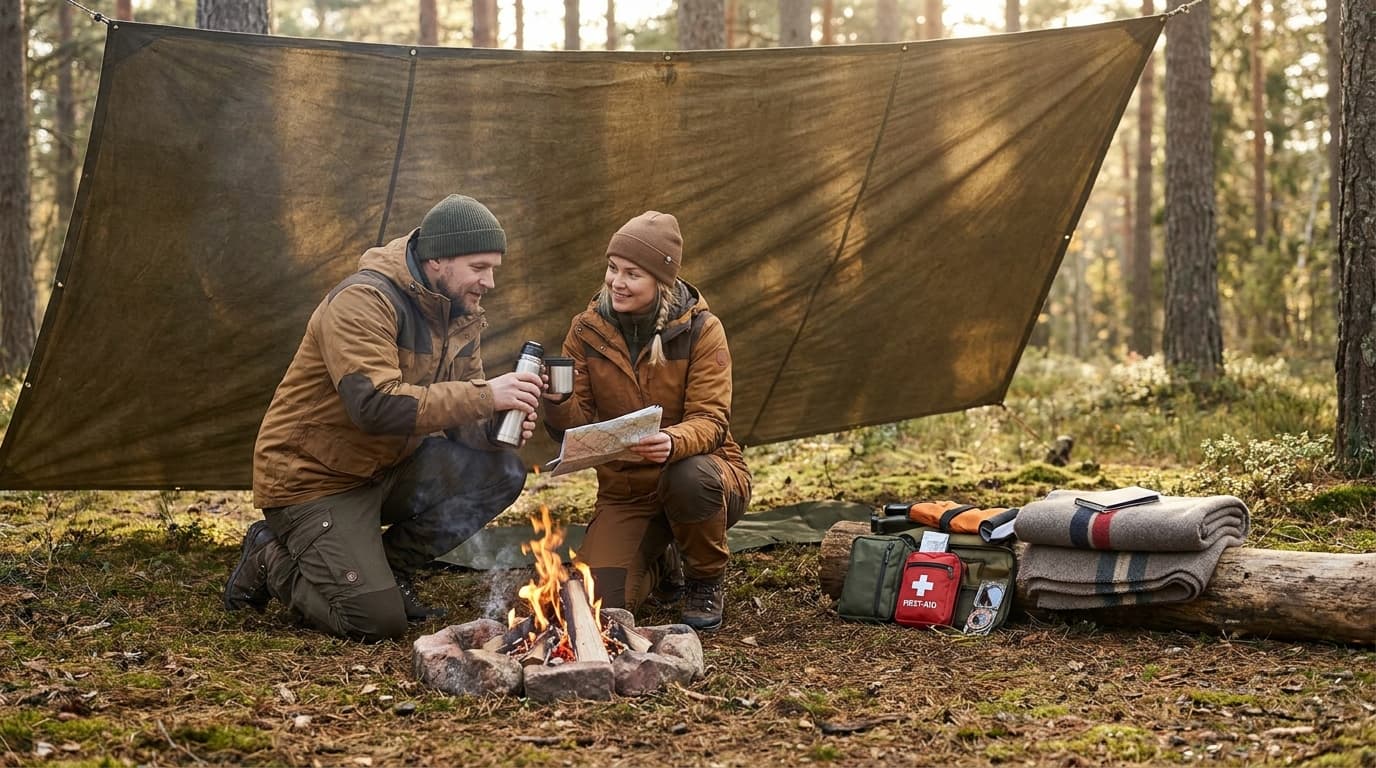
Imagine you are on a quick afternoon hike when the fog rolls in or a trail marker suddenly goes missing. Most people skip the extra gear for short trips, but that is exactly when a minimalist survival kit becomes a literal lifesaver. This is not about packing for a week in the wild. Instead, it is about having a small stash of essentials that keep you safe if a two hour walk turns into an overnight stay. Think of it as an insurance policy that fits right in your side pocket.
The current trend in hiking is all about ultralight preparedness. You want items that offer high value without the weight, like a multi-tool and a space-saving emergency blanket. One of the most effective DIY tools you can carry is a few cotton balls soaked in Vaseline. They are cheap, tiny, and act as incredible firestarters that burn even in damp conditions. When your hands are shaking from the cold, having a reliable way to start a fire is more important than almost any expensive gadget.
Even with the best gear, your mental state is your most important asset. The US Forest Service uses the S.T.O.P. protocol, which stands for Stop, Think, Observe, and Plan. Panic is the real enemy here. If you feel lost, sit down and rest for thirty minutes. This gives you time to digest any food you have eaten because your body cannot easily hike hard and digest at the same time. It also lets your heart rate drop so you can think clearly before making your next move.
If you need to build a quick shelter or fix your gear, three knots are non-negotiable for any hiker. The Taut-Line Hitch is great because it lets you adjust the tension on a line without untying it, which is perfect for a sagging tarp. The Bowline creates a loop that will not slip, making it reliable for heavy-duty tasks or securing a pack. Finally, the Clove Hitch is the quickest way to tie cord to a tree trunk. These three simple skills turn a basic emergency blanket and some string into a functional home for the night.
Key insights:
DIY firestarters like Vaseline-soaked cotton balls are often more reliable than store-bought options in wet weather.
Psychological preparedness and the S.T.O.P. method are just as critical for survival as the physical tools in your bag.
A thirty-minute rest when lost helps with both digestion and mental clarity, preventing impulsive and dangerous decisions.
Three Knots Every Hiker Should Know
Think about the last time you tried to set up a tarp in the wind. It is frustrating when lines keep sagging. This is why essential survival knots for emergency shelters are more than just rope tricks. They are tools for staying dry and safe. While many hikers rely on a GPS, those devices often fail when batteries die. Having these manual skills is part of the advanced planning that experts call your best survival tool.
Start with the Taut-Line Hitch. It is great for adjustable shelter tension because you can slide it to tighten your line without untying everything. Next is the Bowline. It creates a fixed loop that will not slip under pressure, making it very reliable for heavy loads. Finally, use the Clove Hitch for securing gear to trees quickly. These three knots cover almost every situation you will face in the woods.
But here is the thing. If you feel lost or stressed, remember to S.T.O.P. and think before you act. Your mental state matters just as much as your gear. A calm mind helps you tie these knots correctly even when you are tired or cold. Taking a moment to breathe ensures you use your skills effectively instead of rushing and making mistakes.
Key insights:
Psychological state is as important as physical gear in survival situations.
Electronic navigation devices are treated as secondary to traditional tools like manual knots and compasses.
Staying Sharp: Situational Awareness for Solo Hikers
When you are out on the trail alone, your mind is your most important piece of gear. It is easy to get lost in your thoughts or the beauty of the trees, but staying aware of your surroundings is what keeps you safe. Keep a constant eye out for official signs at intersections and look for diamond blazers carved or painted on the trees. These markers are your breadcrumbs. If you lose sight of them, stop immediately. The US Forest Service suggests using the S.T.O.P. method, which stands for Stop, Think, Observe, and Plan. It sounds simple, but it keeps a small mistake from becoming a survival situation.
Have you ever felt sluggish after a big trail lunch? There is a real physical reason for that. Your body cannot effectively hike hard and digest food at the same time. It is a smart move to rest for at least 30 minutes after you eat. This gives your system time to turn those calories into energy instead of draining your batteries while you climb. Use this break to just listen. Sometimes your ears catch things your eyes miss, like the shift in wind before a storm or the faint sound of a water source nearby. Being still allows you to pick up on these small changes in the environment.
Staying sharp also means being honest with yourself. If the trail seems to vanish, do not just keep walking and hope for the best. It is much better to swallow your pride and turn back to the last marker you saw. A calm head is more valuable than any gadget in your pack. Experts say that panic is your greatest enemy when you are solo, so keep your breathing steady and trust your planning. What matters most is staying present in the moment so you can make it back to the trailhead by dark.
Key insights:
The S.T.O.P. method is a standard survival protocol used by the Boy Scouts and Forest Service to prevent panic.
Digestion and heavy exercise compete for blood flow, making a 30-minute post-meal rest essential for energy conservation.
Official trails are typically marked with signs and diamond-shaped blazers to guide hikers through dense forest.
The Best Tool is the One You Use Before You Leave
Before you even lace up your boots, you have already made the most important decision for your safety. The US Forest Service says that advanced planning is actually your best survival tool. It is not about having the flashiest gear or the most expensive GPS. It is about your mindset. Think of it this way: if nobody knows you are missing, nobody is coming to look for you. That is why your first step is always telling someone exactly where you are going and when you will be back.
Give your emergency contact specific details. They need your route, your vehicle description, and a firm deadline. This is the exact time they should call for help if they have not heard from you. But what happens if you realize you are lost before that time hits? You have to swallow your pride. It is tempting to keep walking and hope the trail is just over the next hill. Do not do that. If you feel disoriented, stop immediately and stay put.
This is where the S.T.O.P. method comes in. It stands for Stop, Think, Observe, and Plan. It is a standard protocol used by the Boy Scouts because it works. Staying put is often the smartest thing you can do. While your ego might want you to find your own way out, calling for help early is what actually saves lives. Your mental state is just as vital as your physical kit. A calm mind sees the diamond markers on the trees that a panicked mind completely misses.
Key insights:
Advanced planning is the most effective rescue strategy you have.
Always give a third party your exact route and a specific time to call for help.
A positive mental attitude is more important than any piece of gear in your bag.
Common Survival Questions
When you realize the trail behind you looks exactly like the trail in front of you, your heart starts to race. It is a scary moment. Many new hikers think the first thing they should do is find a stream and follow it downhill. While this is a common idea, it is actually a last resort. Drainage areas are often full of thick brush and steep drops that can lead to injuries. Instead of rushing toward the sound of water, the smartest move is to stay put. The US Forest Service reminds us that panic is your greatest enemy when you are lost.
This is where the S.T.O.P. method comes into play. It stands for Stop, Think, Observe, and Plan. It is a standard protocol used by the Boy Scouts because it forces you to slow down. When you stop, you give your brain a chance to catch up with your body. Here is an interesting fact: your body cannot effectively hike hard and digest food at the same time. If you decide to eat a snack while you gather your thoughts, give yourself a 30 minute rest. This break helps you stay fueled and keeps your mind clear for the next steps.
What about finding your way back? Keep an eye out for official trail markers. These are usually diamond blazers on trees or signs at intersections. If you do not see them, resist the urge to blindly strike out just because you think the trail is over the next ridge. Survival experts say you should swallow your pride and stay where you are if you are truly disoriented. Your mental state is just as important as the gear in your pack. A calm mind is your best tool for survival because it prevents the cloudy judgment that comes with fear.
The real work starts before you even lace up your boots. The best way to survive getting lost is to plan so well that you are prepared for anything. Tell a friend your exact route and when you expect to be back. Pack a small kit with essentials like cotton balls soaked in Vaseline to help start a fire if it gets cold. These small items weigh almost nothing but provide huge peace of mind. Advanced planning is your strongest asset. If you keep a cool head and follow the protocols, you will find your way back home.
Key insights:
Your mental attitude is more important than your physical gear in a crisis.
Following a river downhill is often dangerous and should only be a last resort.
Resting for 30 minutes after eating helps your body manage energy better while hiking.
The S.T.O.P. method is the gold standard for staying safe when disoriented.
Coming Home: Preparation is Peace of Mind
Stepping back onto your porch after a long day in the woods feels so much better when you know you were truly prepared. True peace of mind does not just come from a fancy backpack. It is really about the mix of gear you carry and the skills you have practiced. The US Forest Service says your best survival tool is actually the work you do before you even leave the house. Your kit is a safety net, but your planning is the ground it stands on.
If things ever get scary, your mental state matters most. If you feel lost, remember the S.T.O.P. acronym: Stop, Think, Observe, and Plan. It is a simple way to keep panic away. With this confidence, you can keep exploring, knowing you have what it takes to get home safely to your favorite furry friend. This preparation means you can enjoy the wild without the worry.
Key insights:
A positive mental attitude is your most important tool in any survival situation.
Advanced planning is more effective for your safety than any electronic gadget.
The S.T.O.P. method is a standard protocol used by the Boy Scouts to prevent panic.
Frequently Asked Questions
The very first thing you need to do is stop moving right where you are. It sounds simple, but your brain will probably try to trick you into running or walking faster to find the trail. Resist that urge.
Use the S.T.O.P. method, which stands for Stop, Think, Observe, and Plan. The US Forest Service says panic is your biggest enemy out there because it clouds your judgment. By staying put, you save your energy and make it way easier for search teams to track you down. Remember, your mind is your best survival tool, so keep it calm and focused.
I wouldn't recommend it. Even if the water looks crystal clear, it can be full of microscopic bacteria and parasites that will make you miserable. Getting sick in the woods is the last thing you want when you're already trying to stay safe.
Always treat your water with a portable filter, purification tablets, or by boiling it over a fire. If you're really in a pinch and have zero gear, there are ways to find water, but drinking straight from a stream is a huge gamble. It's much better to be prepared with a small filtration kit in your bag so you never have to take that risk.
It is actually a common worry, but you can still stay on track without a map. The main goal is to stop yourself from walking in circles, which happens more often than you would think when people get panicked. You can use your compass to pick a specific direction and stick to it by spotting a landmark ahead of you, like a unique tree or a rock, and walking toward it.
Here is the thing: before you move at all, remember the S.T.O.P. rule. That stands for Stop, Think, Observe, and Plan. It is a standard survival protocol for a reason. If you do not know where you are, blindly hiking can make things worse. Use your compass to maintain a straight line, but only after you have a plan and have observed your surroundings.
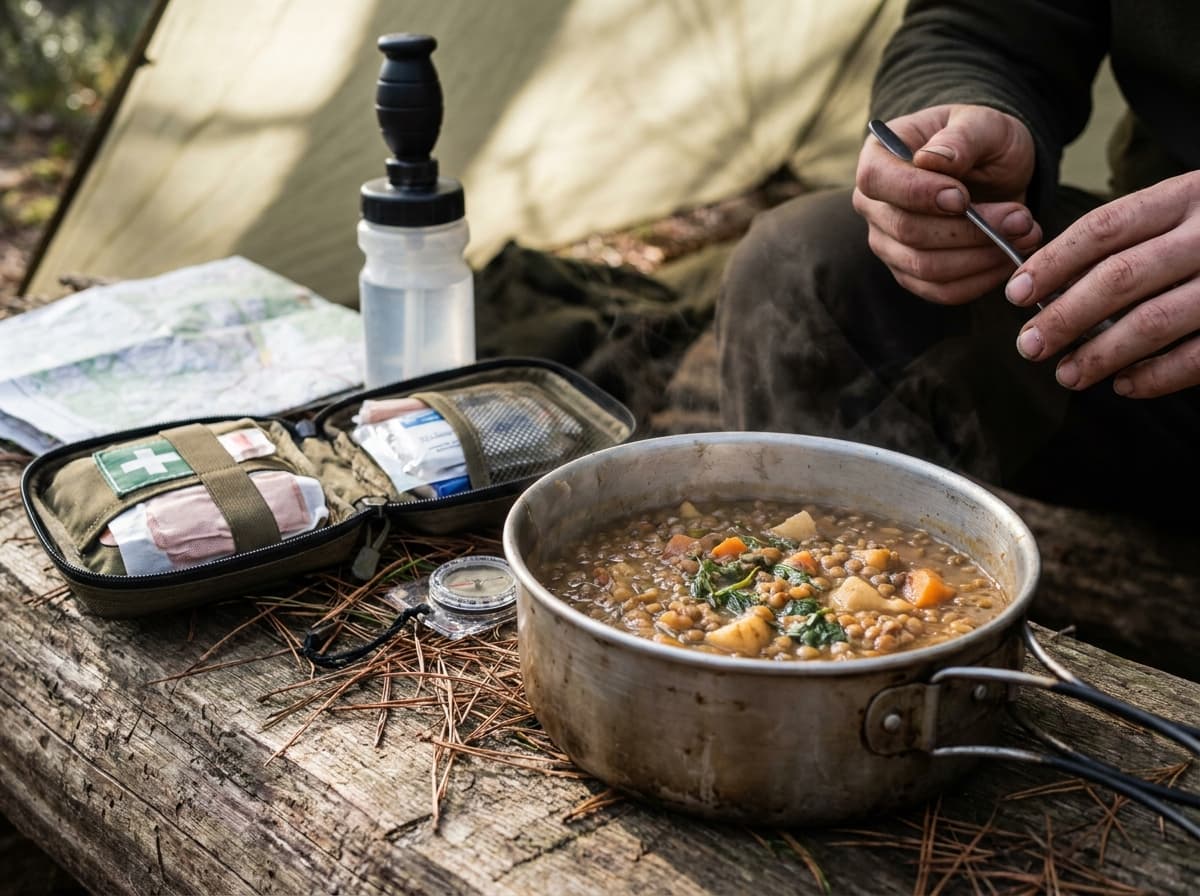
When you are packing light, every ounce counts, so you want items that do more than one job. A solid minimalist kit usually starts with a way to make fire, like cotton balls soaked in Vaseline, and a high-decibel whistle for signaling rescuers. You also want a way to clean water, like small purification tablets, and an emergency space blanket to stay warm without the bulk.
But honestly, the most important tool is not in your bag. The US Forest Service always says that advanced planning and your mental state are what really save you. Panic is your biggest enemy out there. So, while a good multi-tool is great, keeping a calm head and telling someone your route before you leave is what actually gets you home safely.
Conclusion
So what is the real secret to handling survival scenarios? It is not just about having the flashiest gear in your pack. It is about combining your minimalist survival kit checklist with the mental clarity to actually use it. When you know how to use a compass and map or tie a few survival knots for shelters, the woods stop feeling like a scary maze and start feeling like a place you can manage.
The next time you head out, take ten minutes to practice your situational awareness or learn how to find water in the forest without a filter just for the challenge. These small habits turn a stressful moment into a story you tell later. Before your next trip, check your gear and tell someone where you are going so you can hike with a clear head.
Getting lost is a heavy thought, but being prepared means you can focus on the trees and the fresh air instead of the what ifs. Pack your bag, trust your skills, and have a great time out there.
Every WilderReady guide is researched, written, and fact-checked in-house against trusted references such as the American Red Cross, the National Park Service, and the CDC before it goes live. We publish under this shared byline instead of invented personas, so you always know who stands behind the guidance you are reading.