How to Eat Better on the Trail Without Breaking Your Back
Have you ever reached your campsite after a long day, starving and exhausted, only to stare at a sad bag of dry trail mix? It's a common struggle, but as...
How to Eat Better on the Trail Without Breaking Your Back
Have you ever reached your campsite after a long day, starving and exhausted, only to stare at a sad bag of dry trail mix? It's a common struggle, but as expert Stacy Bressler puts it, friends don't let friends go hiking with just trail mix. The problem is that most people think better food means a much heavier pack, but that's just not true.
You can actually eat like royalty without hurting your shoulders if you use the right outdoor hacks and tricks. By focusing on ultralight backpacking food hacks and smart backpacking kitchen organization, you can cut down on weight while boosting flavor. It's all about working smarter at home so you can relax more once you reach the trail and enjoy the view.
This guide covers everything from a camping spice kit DIY to clever camping meal prep tricks and space-saving camping gear. We'll show you how to prep ahead, choose multi-use tools, and manage your cooler so every meal is something to look forward to. Let's get your pack light and your plate full.
Why Your Backpacking Kitchen Is Probably Too Heavy (And How to Fix It)
Ever felt like your pack is trying to pin you to the trail? We often overpack for the sake of a good meal, but Stacy Bressler says it best: 'Friends don’t let friends go hiking with just trail mix.' You deserve real food, but you do not need a heavy kitchen to get it. Those extra ounces add up fast. Multiply a few small items by ten and suddenly you are lugging extra pounds uphill.
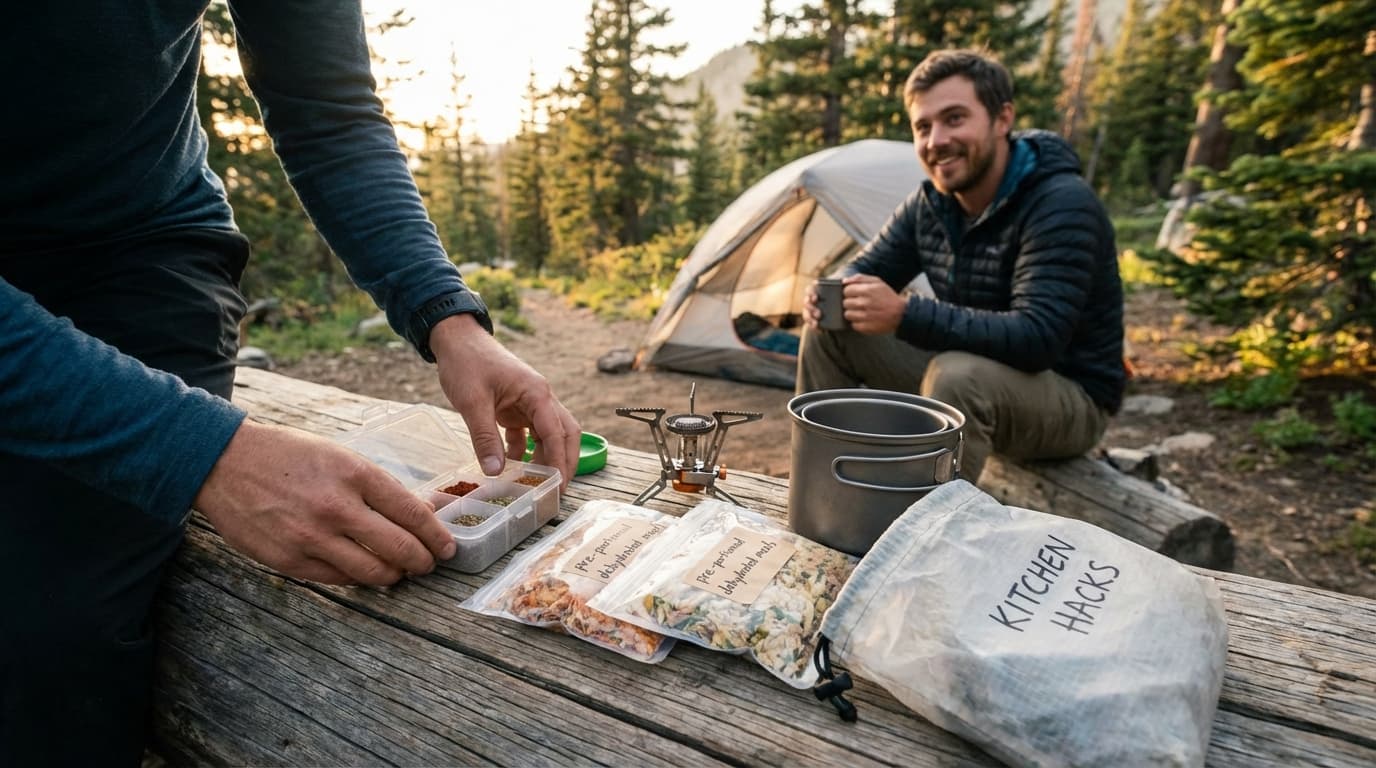
The fix starts at home. Pre-prepping vegetables and marinating meat before you leave reduces camp mess and saves space. Also, choose gear that does double duty, like a pot that works as a bowl. These tiny shifts keep your pack light and your stomach full.
Key insights:
Home-based preparation is the primary factor in reducing outdoor cooking stress.
Multi-use and collapsible items are critical for space and weight efficiency.
The Secret to Stress-Free Camp Cooking Starts at Home
Have you ever reached your campsite after a long drive only to realize you still need to chop onions and marinate meat in the dark? It is a quick way to turn a fun trip into a stressful chore. The real trick to enjoying your time outdoors is doing the heavy lifting in your own kitchen before you leave. When you plan your meals at home with a clear view of your caloric and logistical needs, you avoid the stress of overpacking or running out of fuel. This high-level view helps you see exactly what you need for each day without guessing. A great move is the first night leftovers trick. Just bring a meal you made the night before and heat it up quickly. This lets you focus on setting up your tent and relaxing by the fire instead of scrubbing pans by headlamp while everyone else is already eating. It sets a much better tone for the rest of your trip because you start off relaxed instead of rushed. Think of your kitchen at home as your prep station so the campsite can remain your relaxation zone.
Washing and cutting your vegetables at home is a smart move because it keeps the camp mess to a minimum. You can pre-mix your marinades in leak-proof bags to save space and keep the flavors intense while they sit in the cooler. For items like cheese and butter, try using silicone Stasher bags. They are flexible and take up way less room than plastic tubs or original packaging. It is important to remember that weight adds up quickly. A piece of gear that weighs a few extra ounces might not seem like a big deal, but when you multiply that by ten pieces of gear, you have just added a few unnecessary pounds to your pack. This is why getting rid of bulky packaging at home is so helpful for keeping your gear organized and your pack light. Using these bags also makes it much easier to find what you need in a crowded cooler when you are hungry and tired.
You can also save a lot of money by hitting up bulk stores like Costco for your camping staples. Items like pancake mix, beef jerky, and trail mix are much more affordable in large quantities. The key is to decant these bulk items into smaller, trip-sized portions so you are not lugging around giant boxes or five-pound bags of flour. Having a dedicated camping pantry at home makes packing much faster for future trips since you are not starting from scratch every time you want to head out. Also, always keep a few backup meals like ramen or freeze-dried packets on hand. They have a long shelf life and are essential for those times when you have an unexpected delay or just do not feel like cooking after a long day of hiking. These simple habits ensure you spend more time enjoying the view and less time managing your supplies.
Key insights:
Home-based preparation is the single most effective way to reduce outdoor cooking stress and cleanup.
Decanting bulk purchases into smaller portions saves money while preventing unnecessary weight in your pack.
Utilizing first-night leftovers allows you to focus on camp setup rather than complex meal preparation after travel.
Maintaining a dedicated camping pantry with backup meals protects you against unexpected delays or bad weather.
Pre-Chopped Veggies and Marinated Meats
Ever tried dicing onions on a shaky picnic table in the dark? It is a mess you just do not need. Pre-prepping ingredients at home is the best way to cut down on outdoor cooking stress. By washing and cutting your veggies in your own kitchen, you arrive at camp ready to eat rather than stuck in setup mode for an hour.
This works for meat, too. Mixing marinades in leak-proof bags before you leave saves space and let flavors settle deeply. For items like butter or cheese, use silicone Stasher bags to minimize bulk. These flexible containers fit into tight cooler gaps much better than rigid plastic tubs, helping you stay organized when space is tight.
It is all about efficiency. Since backpacking weight is cumulative, every ounce you save by prepping at home keeps your pack light. This simple organization trick keeps your camp kitchen clean and your back happy. Just remember to keep a backup ramen packet or freeze-dried meal handy for those unexpected delays.
Key insights:
Home-based prep is the primary factor in reducing outdoor cooking stress.
Silicone bags are more space-efficient than rigid plastic for cooler management.
Backpacking gear weight adds up quickly, so removing packaging at home saves pounds.
The Costco Hack: Buying Staples in Bulk
Ever notice how those tiny camping meal pouches drain your wallet? You can skip the markup by hitting bulk retailers like Costco for staples like pancake mix, beef jerky, and trail mix. It is a simple way to save cash before you hit the trail. The trick is to avoid bringing the giant bags with you. Instead, decant your haul into smaller, trip-sized portions using reusable bags.
Building a permanent camping pantry means you are always ready for an adventure. Pre-prepping washed vegetables at home also reduces mess at your site. It is all about smart portion control. Why bring a whole bottle of syrup when a small travel container does the job? This makes setup faster and keeps your pack light.
Key insights:
Buy bulk staples like pancake mix and jerky to save money.
Decant items into trip-sized portions to save space.
Pre-prep vegetables at home to minimize campsite mess.
Lighten the Load: Gear That Does Double Duty
Think about the last time you were halfway up a steep trail, feeling every single ounce in your pack. It is easy to think a slightly heavier stove or an extra set of utensils won't matter, but as Stacy Bressler points out, a few extra ounces might not seem like a big deal until you multiply that by ten. Suddenly, you have added several unnecessary pounds to your load. It makes a difference. This reality is why modern hikers are shifting toward ultralight multi-functionalism. Instead of packing a separate tool for every task, the focus is on gear that works twice as hard.
This approach isn't just about saving your knees. It increases your mobility and overall comfort. When your kit is streamlined, you move faster and spend less time digging through a messy bag. There is also a major sustainability factor here. By choosing high-quality, multi-use items, we are moving away from single-use plastics. For example, using silicone Stasher bags for things like cheese or butter keeps your backpacking kitchen organization tight while reducing waste. It makes your camp setup feel cleaner and more intentional. Less worry, more view. This means less weight and more fun on the trail.
Now, consider the specific gear that makes this possible. Have you met the foon? This fork-spoon hybrid might look simple, but it replaces an entire utensil set. Why carry a fork and a spoon when one tool handles it all? The same logic applies to your cookware. Choosing pots that double as plates and mugs that work as boiling vessels simplifies your kit significantly. You spend less time washing up and more time actually relaxing by the fire.
Collapsible containers are another essential hero for weight and volume. They provide the structure you need for a solid meal but fold down to almost nothing once you are finished. These small shifts in gear choice mean less clutter and more efficiency. It is a win for everyone. This proves that you do not need a massive pack to eat well in the wild. When your gear does double duty, your pack stays light and your options stay open.
Key insights:
Cumulative gear weight is a hidden pack killer where small ounces quickly turn into extra pounds.
Multi-functional tools like foons and dual-purpose pots significantly reduce kitchen clutter and pack volume.
Switching to reusable silicone bags is a simple way to boost sustainability and organization at the same time.
Meet the 'Foon' and Other Space-Saving Heroes
Think about the last time your pack felt like a lead weight. Small additions in ounces can quickly result in several extra pounds in your pack. This is why multi-use gear is a real help for your comfort on the trail.
The foon is a simple fork-spoon hybrid that replaces a full utensil set instantly. You can also choose pots that double as plates and mugs that work as boiling vessels. Why carry two things when one does the job? Also, collapsible containers are great because they save both weight and volume. They shrink down to almost nothing once you finish your meal. This keeps your kitchen kit tight and organized. These shifts make a huge difference miles from the trailhead.
Key insights:
Multi-use items like the foon reduce weight and clutter.
Collapsible containers save volume once the food is gone.
Small weight savings add up to pounds over long distances.
Why Every Ounce Counts in Your Pack
Have you ever wondered why your pack feels like a lead weight halfway up the trail, even though you only packed the essentials? It is usually the result of the "just one more thing" trap. Stacy Bressler explains it best: a piece of gear that weighs a few extra ounces might not seem like a big deal on its own, but multiply that by ten items and you have suddenly added several unnecessary pounds to your back. This cumulative effect is what turns a scenic hike into a grueling physical struggle. What does this mean for you? It means every single ounce has to earn its place.
To lighten the load, we have to look closely at the kitchen. This is often the heaviest category in a pack because it is full of bulky tools and "what-if" food items. By focusing on kitchen weight as your primary target for optimization, you get the most bang for your buck. Think of it this way: every ounce you trim from your cook set is energy you save for the actual climb. Using multi-functional gear - like a pot that doubles as a bowl or a mug that doubles as a boiling vessel - is a total game changer for your mobility.
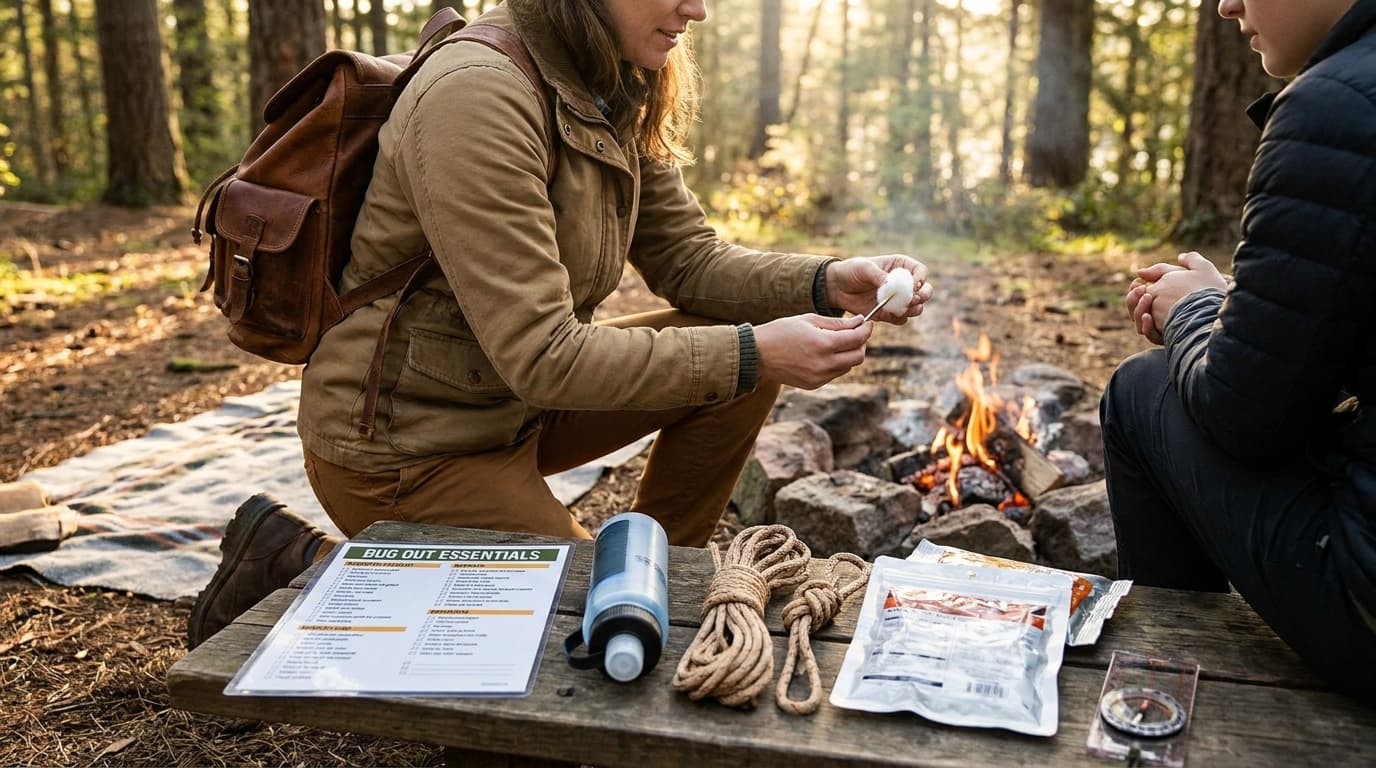
But wait, what about the emergencies? This is where items like ramen and Indian food packets come into play. While you want a light pack, you also need life-saving backups for when a storm rolls in or a trail takes longer than expected. These backup meals are essential because they have incredibly long shelf lives and offer a high calorie-to-weight ratio. They are your insurance policy against the unpredictable nature of the wild, providing peace of mind without the bulk of a full pantry.
The trick is balancing nutritional quality with weight efficiency. You want food that provides enough fuel to keep you moving but does not feel like a brick in your bag. Choosing freeze-dried meals or pre-prepped components helps you manage these unexpected delays without sacrificing your back. It is all about being prepared for the worst while keeping your pack at its best. After all, the lighter you are, the further you can go.
Key insights:
Weight adds up cumulatively; ten small items can easily result in several extra pounds.
The kitchen is the most effective place to start optimizing for a lighter pack.
Emergency meals like ramen or Indian packets provide a high calorie-to-weight ratio for unexpected delays.
Multi-functional gear is the primary factor in reducing the physical footprint of your camp kitchen.
Emergency Ramen and Other Life-Saving Backups
Ever had a trail day where everything goes sideways? Maybe the rain won't quit or you are just too tired to cook. This is where your backup stash saves the day. Tossing Indian food packets or ramen into your pack helps with unexpected delays. These are shelf-stable insurance policies that do not need a cooler.
Weight is the real challenge. Stacy Bressler reminds us that small ounces quickly turn into unnecessary pounds. Stick to high-calorie wins that will not wreck your back. Grab freeze-dried options from Costco to keep costs down. It is about being prepared without hauling a whole grocery store up the mountain.
Small Bottles, Big Flavor: The DIY Spice Kit
Why do we feel the need to lug the entire kitchen pantry into the woods? It is a common mistake that leads to a heavy pack and a messy camp. As Stacy Bressler puts it, a piece of gear that weighs a few extra ounces might not seem like a big deal, but multiply that by ten items and you have suddenly added several unnecessary pounds to your back. This is where a DIY spice kit becomes your best friend. Instead of bringing full-sized glass jars, use small reusable containers or tiny craft bottles to house your essentials. It is about being smart with space while keeping your meals from being bland.
Portion control is the secret to high impact flavor without the bulk. You can build a compact kit with just the basics like sea salt, smoked paprika, and garlic powder. This DIY approach lets you customize your meals without the weight of the grocery store aisle. Pre-mixing your favorite spice blends at home also means less time fumbling with lids when you are hungry after a long day on the trail. Also, consider that home based prep is the main factor in reducing outdoor cooking stress. When you have already mixed your seasonings, you spend less time over a stove and more time enjoying the view.
Then there is the art of decanting condiments. Ditching original jars for travel sized squeeze bottles is a total game changer for cooler management. Why carry a heavy glass jar of salsa when you only need a few tablespoons for your tacos? Using silicone Stasher bags for items like butter or small bottles for syrup saves physical effort and precious space. It also keeps your food organized and reduces the risk of leaks. By portioning out exactly what you need, you are not just saving weight. You are making the whole setup much faster and cheaper in the long run. It is a simple trick that keeps your pack light and your cooler organized.
Key insights:
Ounces add up quickly, so using small containers for spices prevents unnecessary pack weight.
Decanting condiments into travel sized bottles saves significant cooler space and reduces mess.
Pre-mixing spice blends at home minimizes cooking stress and saves time at the campsite.
The Art of Decanting Condiments
Why lug a heavy glass jar of pickles or a giant bottle of ketchup when you only need a few servings? It is a common mistake that eats up precious cooler space and adds unnecessary weight to your kit. Think about it: small additions in ounces quickly result in several extra pounds in your pack. It is much easier to ditch the original packaging before you even leave your kitchen.
Instead, try decanting your essentials into small, reusable travel bottles or silicone bags. By portioning out exactly what you need for salsa or syrup, you save money by buying in bulk and save your back by leaving the heavy glass at home. This simple trick makes your outdoor kitchen organized and keeps your cooler from becoming a cluttered mess.
Cooler Management: Keeping Your Food Fresh (and Dry)
Ever opened your cooler only to find your sandwich bread swimming in a pool of lukewarm hot dog water? It is a total mood killer. Most of us grew up dumping bags of ice over everything, but that is how things get soggy. Instead, think about using high-performance ice packs like Cooler Shock. These things are great because they stay dry, but they actually get much colder than regular ice. If you are not careful, they will freeze your lettuce solid before you even hit the trailhead.
To avoid that accidental freezing, keep your most delicate items away from direct contact with the packs. Think of your cooler in layers. Heavy proteins and marinated meats go right at the bottom where it is coldest. Middle layers are for your dairy and those pre-cut veggies you prepped at home to save time. The very top should be reserved for things that just need a light chill, like fruit or those backup Indian food packets you brought for emergencies. This setup keeps everything organized and prevents the frantic digging that lets all the cold air out.
Space is just as important as temperature. Instead of bringing full bottles of mustard or mayo, try decanting them into tiny reusable containers. It seems like a small step, but those extra inches of space let you pack more actual food. Using silicone bags for things like cheese or butter also helps because they squish into tight gaps better than rigid plastic bins. It is all about maximizing every square inch so you can eat well without needing a second cooler.
Key insights:
Position delicate produce near the top to prevent Cooler Shock packs from freezing them solid.
Pre-prepping vegetables and marinating meats at home reduces cooler mess and camp setup time.
Small reusable containers for condiments save significant space compared to original bulk packaging.
Safety First: Fire Restrictions and Clean Water
Before you light a match, you need to know the rules. Fire restrictions are not just suggestions. They exist because one stray spark can change a forest forever. Some spots allow wood-burning stoves that use twigs for fuel. These are great for saving weight on canisters. But in dry seasons, you often need a stove with a shut-off valve. These specialized tools are fast and give you total control over the flame.
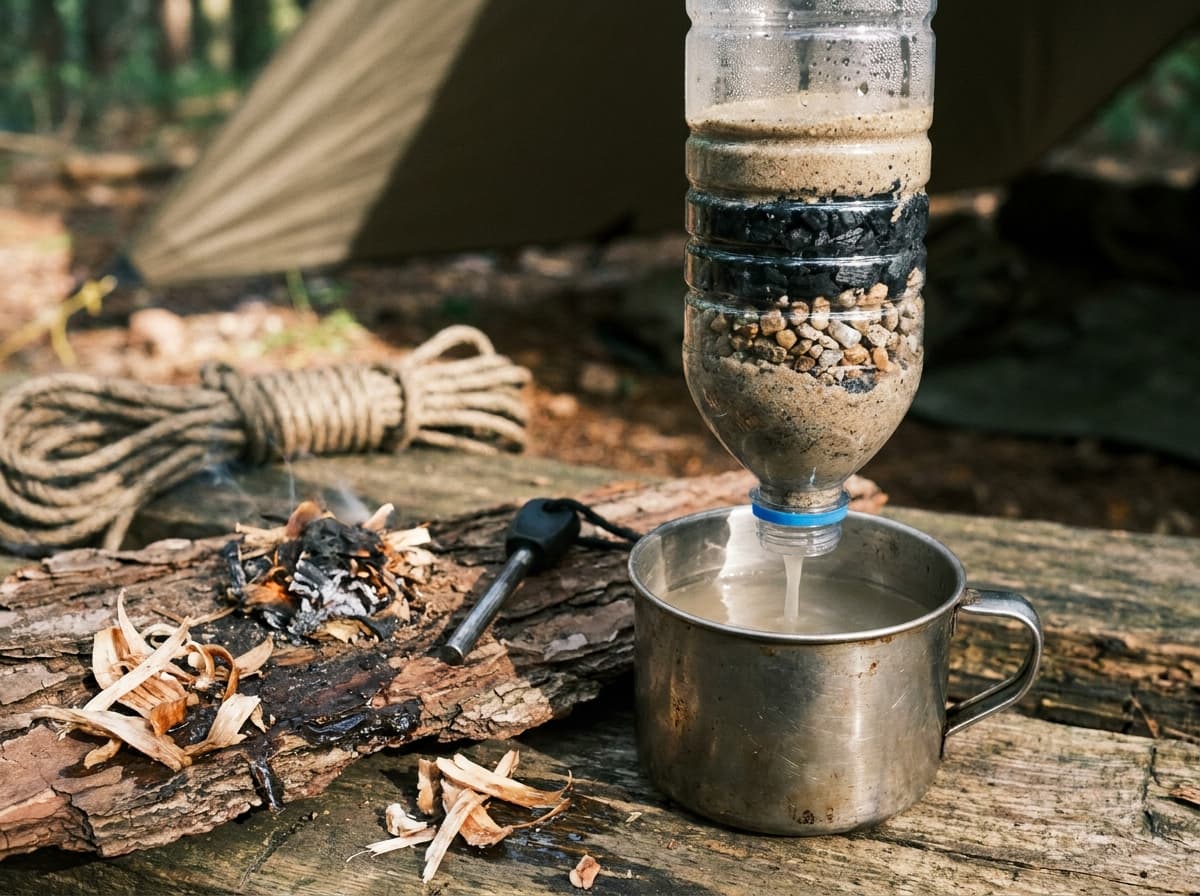
Cleaning up is just as vital. Think about your water source before you get thirsty. You should always have a plan for purification, like a filter or drops. It is not just about avoiding stomach bugs. It is about keeping the water clean for everyone. When you wash pots, do it far away from the stream. Even natural soap can hurt the local environment. This simple habit keeps the wilderness wild for the next group.
Every ounce counts when you are miles from the car. Stacy Bressler points out that small weight additions can result in several extra pounds in a pack. If you use one pot for boiling and eating, you save weight and cleanup time. Staying safe and clean is easy when you prep your gear at home. What does this mean for you? It means less stress and more time to enjoy the view.
Key insights:
Always check local fire regulations before choosing between wood-burning and gas stoves.
Purify water and wash dishes at least 200 feet away from natural sources to protect the ecosystem.
Use multi-functional gear to prevent cumulative weight gain in your backpacking kitchen setup.
Final Thoughts: Less Weight, More Flavor
Think about your next trip. Do you want to spend your evening scrubbing pots or watching the sunset? Success starts in your kitchen at home. By cutting vegetables or pre-mixing marinades before you leave, you cut down on camp mess. This simple prep work is the biggest factor in making outdoor cooking feel easy.
It is also about being smart with your pack. A few extra ounces might feel light now, but they quickly turn into heavy pounds over several miles. Start small with one hack, like bringing a backup ramen packet. Over time, these shifts make your outdoor kitchen more efficient and your pack much lighter.
Key insights:
Home prep is the secret to reducing camp stress.
Small weight savings in your gear add up to a much lighter pack.
Start with one or two hacks to see an immediate difference.
Frequently Asked Questions
You will find that the best way to stay light is to watch the small stuff. As Stacy Bressler says, a few extra ounces might not seem like much, but when you multiply that by ten pieces of gear, you are suddenly carrying pounds of dead weight. The secret is to pack calorie dense foods and use gear that does double duty, like a pot that works as your bowl.
It also helps to do your prep work at home. Pre-mixing your meals or even bringing leftovers for that first night can save you from carrying extra tools. Just remember to always pack a lightweight backup like ramen or freeze dried food. It is better to have a tiny bit of extra weight in an emergency than to go hungry if your plans change.
The easiest way to avoid a messy pack is to pre-mix your spices at home before you leave. Instead of bringing whole jars, figure out what you need for each meal and put those blends into small reusable containers or silicone bags. This keeps everything organized and stops lids from popping open in your bag.
You can also use tiny travel bottles to hold things like syrup or hot sauce. Buying in bulk and then moving just what you need into smaller sizes saves a lot of space in your cooler too. It is a simple trick that keeps your kitchen kit light and your food tasting like a real meal instead of just plain trail mix.
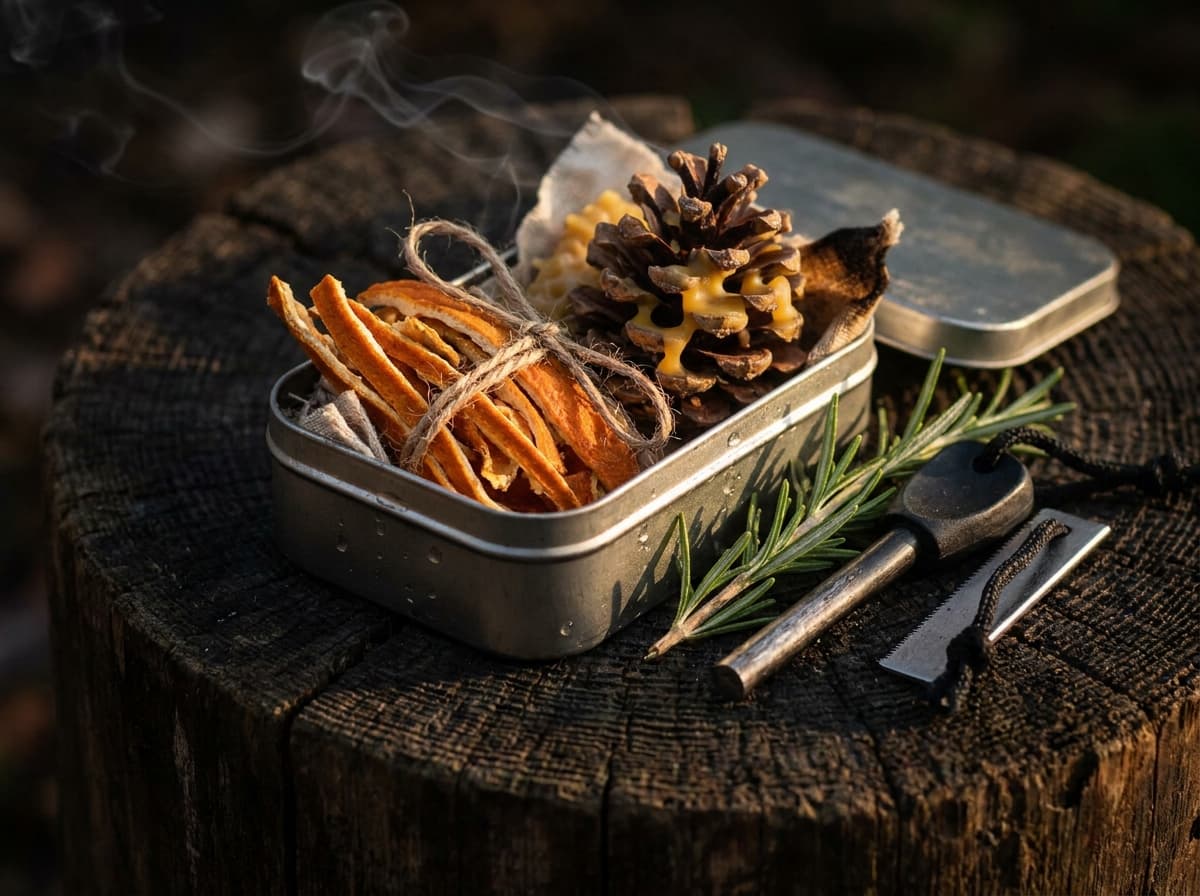
You definitely can, and it's a smart way to cut down on pack weight. Since you're using twigs and pinecones for fuel, you don't have to lug around heavy gas canisters. It's a big win for anyone trying to keep their pack light and avoid buying expensive fuel.
But here's the thing: these stoves depend on the weather. If everything is soaked or there's a strict fire ban, you'll be stuck with a cold dinner. It's always a good idea to check the local rules before you head out because some spots don't allow open flames at all.
The simplest way to keep things dry is to swap out loose ice for reusable ice packs. Brands like Cooler Shock are great because they stay frozen much longer and never turn into a puddle at the bottom of your bin.
If you're still using ice, try putting your food in airtight silicone bags or hard plastic containers. Pre-chilling your cooler the night before also helps. When you start with a cold box, your ice lasts longer and you won't end up with water floating around your snacks.
Conclusion
So, what does all this mean for your next trip? It means you do not have to choose between a light pack and a great dinner. By using a few outdoor hacks and tricks, like building a camping spice kit DIY or prepping veggies at home, you can cut pounds off your bag while actually making your meals better. It is all about being a bit more organized with your backpacking kitchen organization before you leave the house.
When you start looking at your gear as multi-use tools and your meals as pre-planned fuel, the whole experience of being outside changes. You are no longer struggling with heavy jars or messy coolers. Instead, you have space-saving camping gear that works for you, giving you more energy to enjoy the hike instead of just thinking about your sore back.
Your next move is simple: pick one of these camping meal prep tricks and try it out this weekend. Maybe it is just putting your favorite sauce in a tiny bottle or pre-chopping your onions. These small shifts add up fast. The goal is to spend less time worrying about your pack and more time enjoying a hot meal under the stars. Happy trails!
Every WilderReady guide is researched, written, and fact-checked in-house against trusted references such as the American Red Cross, the National Park Service, and the CDC before it goes live. We publish under this shared byline instead of invented personas, so you always know who stands behind the guidance you are reading.